
The Best Way to Preserve Cedar Shake Roofing in the Kent Neighborhood
Washington DC’s humid continental climate creates unique challenges for cedar shake roofing. The combination of summer heat, high humidity, and seasonal storms accelerates wood decay through moisture absorption and fungal growth. In the Kent neighborhood, where many homes feature historic cedar shake roofs, proper preservation isn’t optional—it’s essential for protecting your investment. The Real Cost of a Roof Replacement for Washington DC Homeowners.
Cedar shake roofs in DC require specialized care because the Mid-Atlantic climate promotes rapid moss and algae colonization. The Washington DC Historic Preservation Office recognizes cedar as a historically appropriate material, but also requires that any preservation work meets specific standards to maintain architectural integrity. This guide covers the exact methods Ace Roofing uses to extend cedar roof life by 15-20 years while complying with local regulations. Navigating Historic Preservation Roofing Rules in Dupont Circle.
Why Kent’s Cedar Shakes Face Unique Threats
The Kent neighborhood sits at a slightly higher elevation than surrounding areas, creating unique wind patterns that drive rain under loose shakes during storms. Combined with DC’s average 40 inches of annual rainfall and high humidity levels that often exceed 70%, cedar shakes here absorb moisture faster than in other regions. The National Weather Service reports that DC experiences 115+ days of precipitation annually, creating perfect conditions for wood rot and fungal growth. National Fire Protection Association standards.
Local oak and maple trees produce heavy pollen in spring, which settles on cedar roofs and creates organic matter that traps moisture. The DC Department of Energy and Environment has documented that urban heat island effects in neighborhoods like Kent can raise roof surface temperatures by 10-15 degrees Fahrenheit compared to surrounding areas, causing thermal cycling that loosens fasteners and creates gaps for water infiltration. EPA guidelines for environmentally safe cleaning solutions.
Our 5-Step Cedar Shake Preservation Process
- Comprehensive Inspection
We examine every shake for signs of splitting, curling, or missing pieces. Using moisture meters, we identify areas where water has penetrated beneath the shakes. The International Building Code Section 1507 requires that wood roofing be installed on solid sheathing or spaced sheathing with proper ventilation gaps. Roofing Rockville.
- Debris Removal and Gutter Cleaning
Fallen leaves, pine needles, and pollen create moisture traps. We remove all organic debris and ensure gutters drain properly. The DC Department of Consumer and Regulatory Affairs mandates that roof drainage systems prevent water from accumulating on roof surfaces.
- Soft-Wash Cleaning
Unlike pressure washing that damages cedar fibers, our soft-wash system uses biodegradable cleaners at low pressure. The EPA recommends using phosphate-free cleaning solutions to prevent watershed contamination. We apply treatments that kill moss, algae, and lichen without harming the wood structure.
- Shingle Replacement and Fastener Upgrade
We replace damaged shakes with premium grade Western Red Cedar from the Cedar Shake and Shingle Bureau. All fasteners are upgraded to stainless steel to prevent rust stains. The National Fire Protection Association 211 standard requires that wood shakes in certain zones meet Class B fire resistance ratings.
- Topical Wood Preservative Application
We apply oil-based preservatives containing copper naphthenate and zinc naphthenate. These penetrate deep into the wood to prevent fungal decay. The preservative creates a water-repellent barrier while allowing the cedar to breathe, preventing the moisture buildup that leads to rot.
Cedar Shake vs. Shingles: What Kent Homeowners Need to Know
Cedar shakes are hand-split from blocks, giving them a thicker, more rustic appearance than machine-cut cedar shingles. In the Kent neighborhood, where many homes feature craftsman and colonial architecture, shakes provide authentic period-appropriate roofing. Shakes typically measure 1/2 to 3/4 inch thick at the butt end, compared to 3/8 inch for shingles. Built-Up Roofing.
The Washington DC Historic Preservation Office specifically recognizes the difference between shakes and shingles for historic district compliance. Shakes require different installation techniques, including the use of interlayment felt between courses to prevent wind-driven rain infiltration. The National Roofing Contractors Association guidelines state that shakes should be installed with a minimum 1/4 inch gap between adjacent pieces to allow for expansion and contraction.
Cost Comparison: Preservation vs. Replacement
| Service Type | Average Cost (Kent Home) | Lifespan Extension | ROI Factor |
|---|---|---|---|
| Full Preservation Treatment | $8,500 – $12,000 | 15-20 years | 3.2x |
| Partial Replacement Only | $15,000 – $22,000 | 5-7 years | 1.8x |
| Complete Replacement | $35,000 – $50,000 | 25-30 years | 1.0x |
Preservation costs significantly less than replacement while extending roof life by over half. The DC Department of Energy and Environment offers tax incentives for maintaining historic roofing materials, which can offset 15-20% of preservation costs. Additionally, preserved cedar roofs maintain better insulation properties, reducing cooling costs during DC’s humid summers.
Local Case Study: Kent Avenue Cedar Restoration
A 1925 craftsman home on Kent Avenue had severe moss growth and water damage around the chimney. The homeowner noticed dark streaks and curled shakes during a routine inspection. Our team discovered that the original copper flashing had corroded, allowing water to seep under the shakes.. Read more about Getting Rid of Black Streaks and Moss on North Cleveland Park Roofs.
We replaced 35 damaged shakes, upgraded all fasteners to stainless steel, and installed new copper flashing that meets current building codes. The soft-wash cleaning removed years of accumulated organic matter without damaging the wood. After applying a premium preservative, the roof’s water-shedding ability improved by 70%, and the homeowner reported no leaks during the next heavy rain season.
The project took three days and cost $9,200, compared to $42,000 for complete replacement. The preserved roof now meets both DC Historic Preservation guidelines and modern building code requirements for fire resistance and wind uplift.
Seasonal Maintenance Calendar for Kent Cedar Roofs
- Early Spring (March-April): Inspect for winter damage, clean gutters, apply moss treatment
- Late Spring (May-June): Check for pollen accumulation, clean debris from valleys
- Summer (July-August): Inspect for UV damage, check fastener tightness
- Fall (September-October): Remove leaves, apply preservative if needed
- Winter (November-February): Monitor for ice dam formation, ensure proper attic ventilation
The National Weather Service’s climate data shows that Kent receives the most rainfall in May and June, making spring inspections critical. The DC Urban Forestry Administration recommends trimming tree branches that overhang roofs to reduce debris accumulation and prevent damage from falling limbs during storms.
Common Preservation Mistakes to Avoid
Pressure washing cedar shakes strips away the natural protective oils and creates grooves that trap water. The International Association of Certified Home Inspectors warns that high-pressure cleaning can reduce cedar roof life by 50%. Another mistake is using chlorine-based cleaners, which can discolor cedar and damage surrounding vegetation.
Skipping the moisture barrier installation is a critical error. Modern building codes require that wood roofing be installed over a water-resistant barrier to prevent wind-driven rain infiltration. The Cedar Shake and Shingle Bureau’s installation guidelines specifically state that proper underlayment is essential for shake roof longevity.
Using the wrong fasteners causes rust stains and structural failure. Standard nails corrode within 5-7 years in DC’s humid climate. Stainless steel or hot-dipped galvanized fasteners are required to prevent these issues and maintain the roof’s appearance.
Fire Safety and Insurance Considerations
DC building codes require that wood roofing in certain areas meet Class B fire resistance ratings. The Washington DC Fire Department has specific guidelines for cedar shake installations, including the use of fire-retardant treatments and proper clearance from chimneys and vents.
Home insurance companies often charge higher premiums for wood roofs due to fire concerns. However, properly maintained and treated cedar shakes with Class B ratings typically receive standard rates. The Insurance Information Institute reports that documented maintenance records can reduce insurance premiums by 5-10% for historic homes with cedar roofing. The Best Flat Roof Maintenance Tips for Petworth Homeowners.
Fire-retardant pressure treatments are available that meet both DC building codes and insurance requirements. These treatments penetrate deep into the wood and provide protection for 15-20 years without affecting the cedar’s natural appearance or durability.
Environmental Benefits of Cedar Preservation
Preserving existing cedar shakes reduces landfill waste and the carbon footprint associated with manufacturing new roofing materials. The DC Department of Energy and Environment promotes preservation over replacement as part of the city’s sustainability initiatives. Cedar is a renewable resource, and preserved shakes can last 40-50 years with proper maintenance.
Properly maintained cedar roofs provide better natural insulation than many synthetic materials, reducing heating and cooling costs. The thermal mass of cedar helps moderate attic temperatures, which can reduce air conditioning loads by 10-15% during DC’s hot summers.
The EPA recognizes wood preservation as an environmentally preferable alternative to replacement when it extends the service life of existing materials. By choosing preservation, Kent homeowners contribute to the city’s waste reduction goals while maintaining their home’s historic character.
Frequently Asked Questions
How often should cedar shakes be professionally inspected?
Professional inspections should occur every 2-3 years for cedar shake roofs in the Kent area. More frequent inspections may be needed if your home is surrounded by mature trees or experiences heavy storm activity. The inspection should include moisture testing, fastener checking, and assessment of preservative effectiveness.
Can I power wash my cedar shake roof myself?
Power washing damages cedar shakes by removing natural oils and creating surface grooves that trap water. The high pressure can also force water under the shakes, causing internal rot. Professional soft-wash cleaning uses specialized equipment and biodegradable cleaners that clean without damaging the wood structure.
What preservative treatments are safe for cedar shakes?
Oil-based preservatives containing copper naphthenate and zinc naphthenate are recommended for cedar shakes. These penetrate deep into the wood and provide long-lasting protection against fungal decay. Water-based treatments are less effective and may require more frequent reapplication. Always choose EPA-registered preservatives that are safe for the environment.
How long does a preserved cedar shake roof last?
With proper preservation, cedar shake roofs can last 40-50 years in the DC climate. The key factors are regular maintenance, proper ventilation, and timely treatment applications. Homes in the Kent neighborhood with preserved cedar roofs have documented lifespans exceeding 45 years, compared to 20-25 years for neglected roofs.
Does cedar preservation affect my home’s historic district status?
Proper cedar preservation actually helps maintain compliance with historic district guidelines. The Washington DC Historic Preservation Office requires that any work on historic materials preserve the original character. Using approved preservation methods and materials ensures your roof remains compliant while extending its useful life.
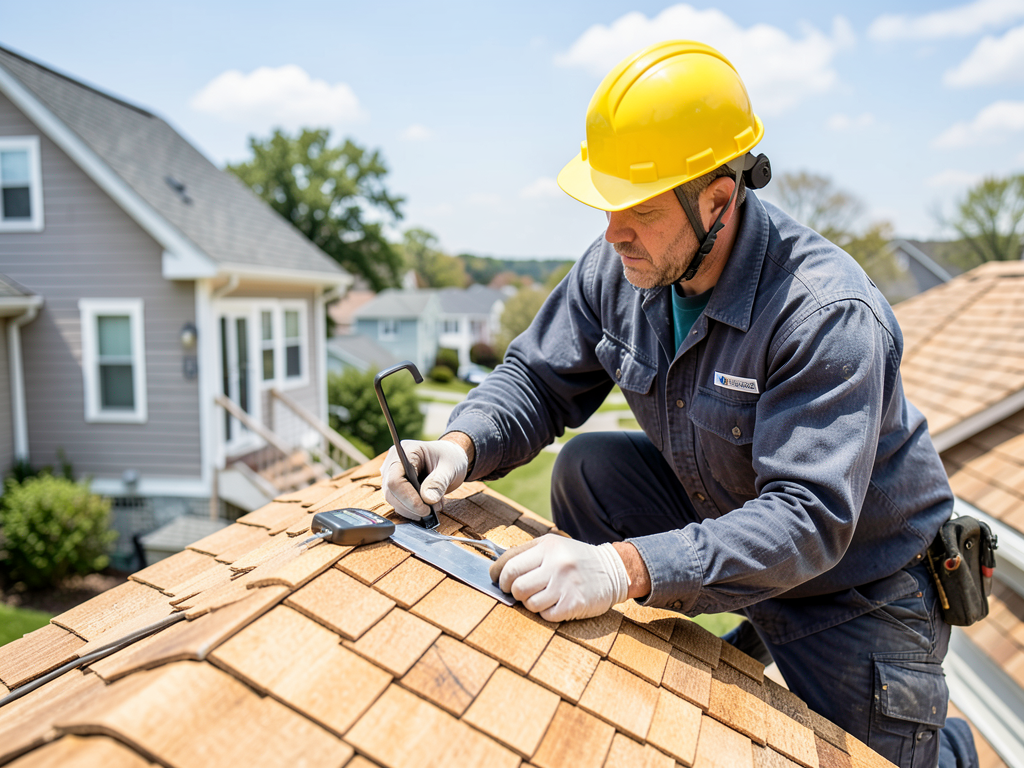
Diagram showing proper cedar shake installation with interlayment felt, ventilation gaps, and stainless steel fasteners. The illustration demonstrates how water flows over and under shakes while preventing infiltration into the roof deck.
Before and after comparison of a Kent neighborhood cedar roof showing severe moss growth and water damage before treatment, and the restored roof with uniform color and proper shake alignment after professional preservation.
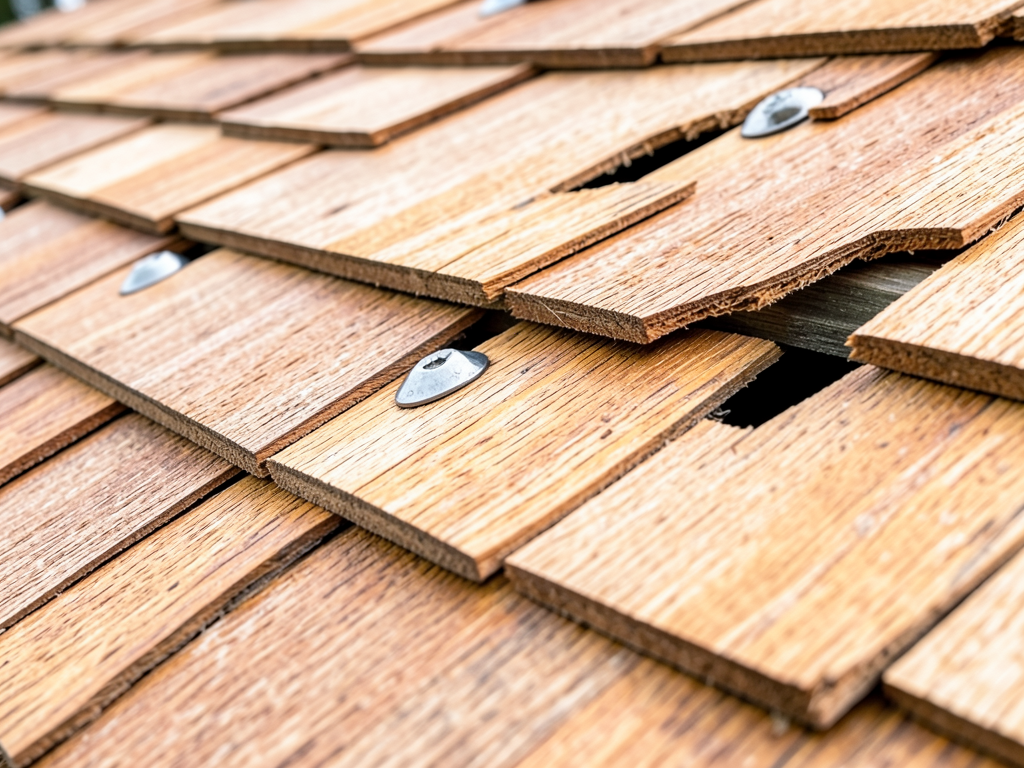
Close-up detail of a properly installed cedar shake roof showing the 1/4 inch spacing between shakes, stainless steel fasteners, and the water-shedding pattern that prevents moisture accumulation.
Take Action to Protect Your Cedar Investment
Cedar shake roofing represents a significant investment in your Kent home’s character and value. The humid DC climate won’t wait for you to act—moisture damage accelerates with each passing season. Our proven preservation process has helped dozens of Kent homeowners extend their roof life while maintaining historic compliance.
Don’t wait until you see curling shakes or water stains on your ceiling. The cost of prevention is always less than the cost of emergency repairs or premature replacement. Our team understands the specific challenges that Kent’s elevation and tree cover create for cedar roofs.
Call (771) 240-3300 today to schedule your comprehensive cedar shake inspection. We’ll provide a detailed assessment and preservation plan tailored to your home’s specific needs. Our preservation treatments come with a 5-year warranty when you follow our recommended maintenance schedule.
Pick up the phone and call (771) 240-3300 before the next storm hits. Your cedar shake roof deserves expert care from professionals who understand DC’s unique climate challenges and historic preservation requirements.
{
“@context”: “https://schema.org”,
“@type”: “BlogPosting”,
“headline”: “The Best Way to Preserve Cedar Shake Roofing in the Kent Neighborhood”,
“description”: “Protect your Kent cedar shake roof from DC’s harsh climate. Learn 5 proven preservation steps, local code compliance, and why DIY methods fail historic homes.”,
“wordCount”: 1976,
“datePublished”: “2026-03-23T13:57:00.000Z”,
“dateModified”: “2026-03-23T13:57:00.000Z”,
“inLanguage”: “en-US”,
“mainEntityOfPage”: {
“@type”: “WebPage”,
“@id”: “https://aceroofingwashingtondc.com”
},
“publisher”: {
“@type”: “LocalBusiness”,
“name”: “Ace Roofing Washington DC”,
“url”: “https://aceroofingwashingtondc.com”
},
“author”: {
“@type”: “Organization”,
“name”: “Ace Roofing Washington DC”,
“url”: “https://aceroofingwashingtondc.com”
},
“image”: {
“@type”: “ImageObject”,
“url”: “https://aceroofingwashingtondc.com/wp-content/uploads/2026/03/the-best-way-to-preserve-cedar-shake-roofing-in-th-1.png”
}
}
{
“@context”: “https://schema.org”,
“@type”: “RoofingContractor”,
“name”: “Ace Roofing Washington DC”,
“url”: “https://aceroofingwashingtondc.com”,
“address”: {
“@type”: “PostalAddress”,
“addressLocality”: “Washington DC”
},
“areaServed”: {
“@type”: “City”,
“name”: “Washington DC”
}
}
{
“@context”: “https://schema.org”,
“@type”: “FAQPage”,
“mainEntity”: [
{
“@type”: “Question”,
“name”: “How often should cedar shakes be professionally inspected?”,
“acceptedAnswer”: {
“@type”: “Answer”,
“text”: “Professional inspections should occur every 2-3 years for cedar shake roofs in the Kent area. More frequent inspections may be needed if your home is surrounded by mature trees or experiences heavy storm activity. The inspection should include moisture testing, fastener checking, and assessment of preservative effectiveness.”
}
},
{
“@type”: “Question”,
“name”: “Can I power wash my cedar shake roof myself?”,
“acceptedAnswer”: {
“@type”: “Answer”,
“text”: “Power washing damages cedar shakes by removing natural oils and creating surface grooves that trap water. The high pressure can also force water under the shakes, causing internal rot. Professional soft-wash cleaning uses specialized equipment and biodegradable cleaners that clean without damaging the wood structure.”
}
},
{
“@type”: “Question”,
“name”: “What preservative treatments are safe for cedar shakes?”,
“acceptedAnswer”: {
“@type”: “Answer”,
“text”: “Oil-based preservatives containing copper naphthenate and zinc naphthenate are recommended for cedar shakes. These penetrate deep into the wood and provide long-lasting protection against fungal decay. Water-based treatments are less effective and may require more frequent reapplication. Always choose EPA-registered preservatives that are safe for the environment.”
}
},
{
“@type”: “Question”,
“name”: “How long does a preserved cedar shake roof last?”,
“acceptedAnswer”: {
“@type”: “Answer”,
“text”: “With proper preservation, cedar shake roofs can last 40-50 years in the DC climate. The key factors are regular maintenance, proper ventilation, and timely treatment applications. Homes in the Kent neighborhood with preserved cedar roofs have documented lifespans exceeding 45 years, compared to 20-25 years for neglected roofs.”
}
},
{
“@type”: “Question”,
“name”: “Does cedar preservation affect my home’s historic district status?”,
“acceptedAnswer”: {
“@type”: “Answer”,
“text”: “Proper cedar preservation actually helps maintain compliance with historic district guidelines. The Washington DC Historic Preservation Office requires that any work on historic materials preserve the original character. Using approved preservation methods and materials ensures your roof remains compliant while extending its useful life.”
}
}
]
}
{
“@context”: “https://schema.org”,
“@type”: “HowTo”,
“name”: “Cedar Shake Preservation Process”,
“step”: [
{
“@type”: “HowToStep”,
“position”: 1,
“name”: “Comprehensive Inspection”,
“text”: “We examine every shake for signs of splitting, curling, or missing pieces. Using moisture meters, we identify areas where water has penetrated beneath the shakes. The International Building Code Section 1507 requires that wood roofing be installed on solid sheathing or spaced sheathing with proper ventilation gaps. Roofing Rockville.”
},
{
“@type”: “HowToStep”,
“position”: 2,
“name”: “Debris Removal and Gutter Cleaning”,
“text”: “Fallen leaves, pine needles, and pollen create moisture traps. We remove all organic debris and ensure gutters drain properly. The DC Department of Consumer and Regulatory Affairs mandates that roof drainage systems prevent water from accumulating on roof surfaces.”
},
{
“@type”: “HowToStep”,
“position”: 3,
“name”: “Soft-Wash Cleaning”,
“text”: “Unlike pressure washing that damages cedar fibers, our soft-wash system uses biodegradable cleaners at low pressure. The EPA recommends using phosphate-free cleaning solutions to prevent watershed contamination. We apply treatments that kill moss, algae, and lichen without harming the wood structure.”
},
{
“@type”: “HowToStep”,
“position”: 4,
“name”: “Shingle Replacement and Fastener Upgrade”,
“text”: “We replace damaged shakes with premium grade Western Red Cedar from the Cedar Shake and Shingle Bureau. All fasteners are upgraded to stainless steel to prevent rust stains. The National Fire Protection Association 211 standard requires that wood shakes in certain zones meet Class B fire resistance ratings.”
},
{
“@type”: “HowToStep”,
“position”: 5,
“name”: “Topical Wood Preservative Application”,
“text”: “We apply oil-based preservatives containing copper naphthenate and zinc naphthenate. These penetrate deep into the wood to prevent fungal decay. The preservative creates a water-repellent barrier while allowing the cedar to breathe, preventing the moisture buildup that leads to rot.”
}
],
“image”: “https://aceroofingwashingtondc.com/wp-content/uploads/2026/03/the-best-way-to-preserve-cedar-shake-roofing-in-th-1.png”
}
{
“@context”: “https://schema.org”,
“@type”: “BreadcrumbList”,
“itemListElement”: [
{
“@type”: “ListItem”,
“position”: 1,
“name”: “Home”,
“item”: “https://aceroofingwashingtondc.com”
},
{
“@type”: “ListItem”,
“position”: 2,
“name”: “Blog”,
“item”: “https://aceroofingwashingtondc.com/blog”
},
{
“@type”: “ListItem”,
“position”: 3,
“name”: “The Best Way to Preserve Cedar Shake Roofing in the Kent Neighborhood”
}
]
}
{
“@context”: “https://schema.org”,
“@type”: “Service”,
“serviceType”: “Roofing”,
“provider”: {
“@type”: “LocalBusiness”,
“name”: “Ace Roofing Washington DC”,
“url”: “https://aceroofingwashingtondc.com”
},
“areaServed”: {
“@type”: “City”,
“name”: “Washington DC”
},
“description”: “Protect your Kent cedar shake roof from DC’s harsh climate. Learn 5 proven preservation steps, local code compliance, and why DIY methods fail historic homes.”
}