menu

Tile Roofing Services in Washington, D.C. | Expert Installation and Repair for Historic and Modern Architecture

From Georgetown rowhouses to Capitol Hill residences, Ace Roofing Washington DC delivers precision tile roofing services that preserve architectural character while meeting modern building code requirements in the District's unique urban environment.

Slider Image 1
Slider Image 2
Slider Image 3
Slider Image 4
Slider Image 5
Slider Image 7
Slider Image 8
Slider Image 9
Slider Image 10
Slider Image 11

Why Tile Roofs Require Specialized Expertise in Washington, D.C.

The District's freeze-thaw cycles wreak havoc on tile roofing systems. When temperatures swing from below freezing to 50 degrees in 24 hours, moisture trapped under improperly installed tiles expands and contracts. This causes cracking, shifting, and underlayment failure that generic tile roofing contractors miss during initial installation.

Washington, D.C.'s Historic Preservation Review Board enforces strict guidelines in neighborhoods like Capitol Hill and Dupont Circle. You cannot simply slap clay tiles on a Victorian rowhouse. Tile roof installation must match original materials, pitch angles, and color profiles while integrating modern waterproofing membranes beneath period-accurate surfaces.

The District's building codes require specific wind uplift ratings due to occasional severe thunderstorms and rare tropical storm remnants. Many tile roofing companies use installation methods designed for California or Florida climates. Those systems fail here because they do not account for the lateral wind loads that hit narrow urban rooflines surrounded by taller buildings creating wind tunnel effects.

Clay and concrete tiles weigh 850 to 1,100 pounds per square. Most Washington, D.C. rowhouses built before 1940 have roof framing designed for slate or wood shingles. Tile roof replacement requires structural evaluation first. Skip this step and you risk sagging rafters or worse.

The humidity here also matters. Summer dew points regularly hit 70 degrees. Poor attic ventilation under tile roofs traps moisture, rotting deck boards from beneath. Tile roof repair often reveals hidden damage that started years before the first visible leak.

Why Tile Roofs Require Specialized Expertise in Washington, D.C.
Our Tile Roofing Installation and Repair Methodology

Our Tile Roofing Installation and Repair Methodology

We start every project with load-bearing analysis. A structural engineer evaluates your roof framing to confirm it can support tile weight, or we specify necessary reinforcement. This prevents catastrophic failure and ensures compliance with District building codes.

Our tile roof installation process uses two-layer waterproofing. We install a self-adhering modified bitumen base sheet, then add a synthetic underlayment with high tear strength. This redundancy protects against the water intrusion that occurs when individual tiles crack during freeze-thaw cycles. Single-layer systems fail within eight years here.

We use mechanically attached tile battens instead of direct-nailing tiles to deck sheathing. Battens create an air gap that allows moisture to escape and provides superior wind uplift resistance. Each batten gets fastened every 16 inches with corrosion-resistant fasteners rated for District humidity levels.

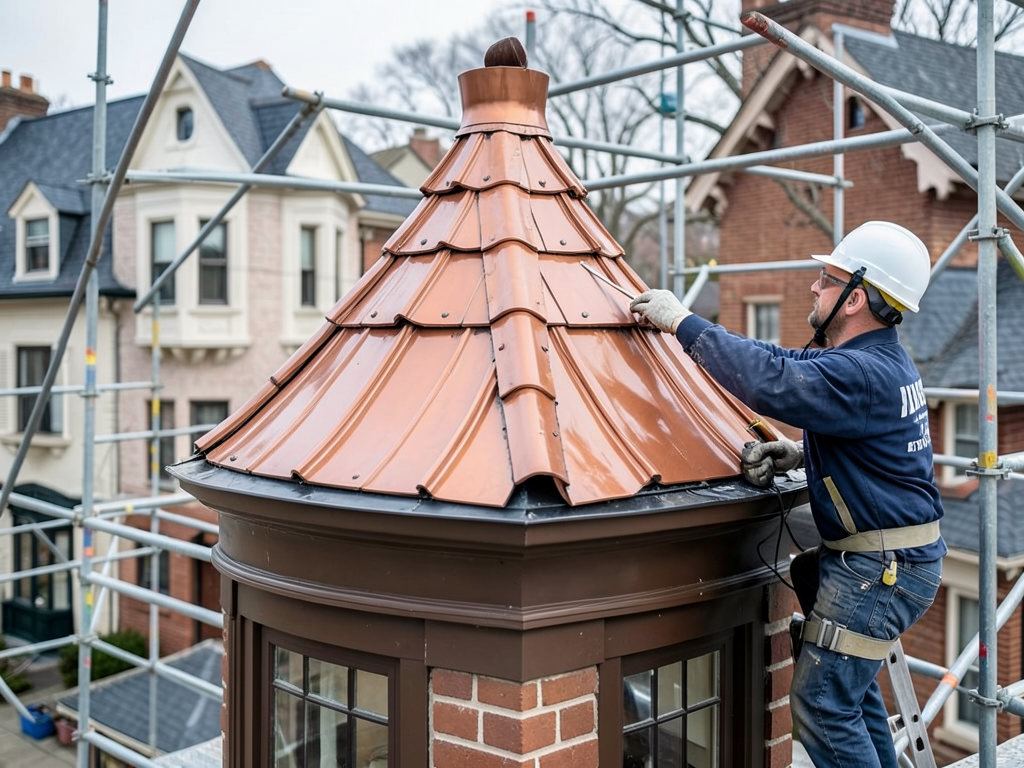
Flashing details make or break tile roof systems. We fabricate custom copper or coated steel flashings for chimneys, valleys, and wall intersections. Pre-formed flashings from big box stores do not conform to the irregular geometries common in Washington, D.C. architecture. Every penetration gets individually measured and fitted.

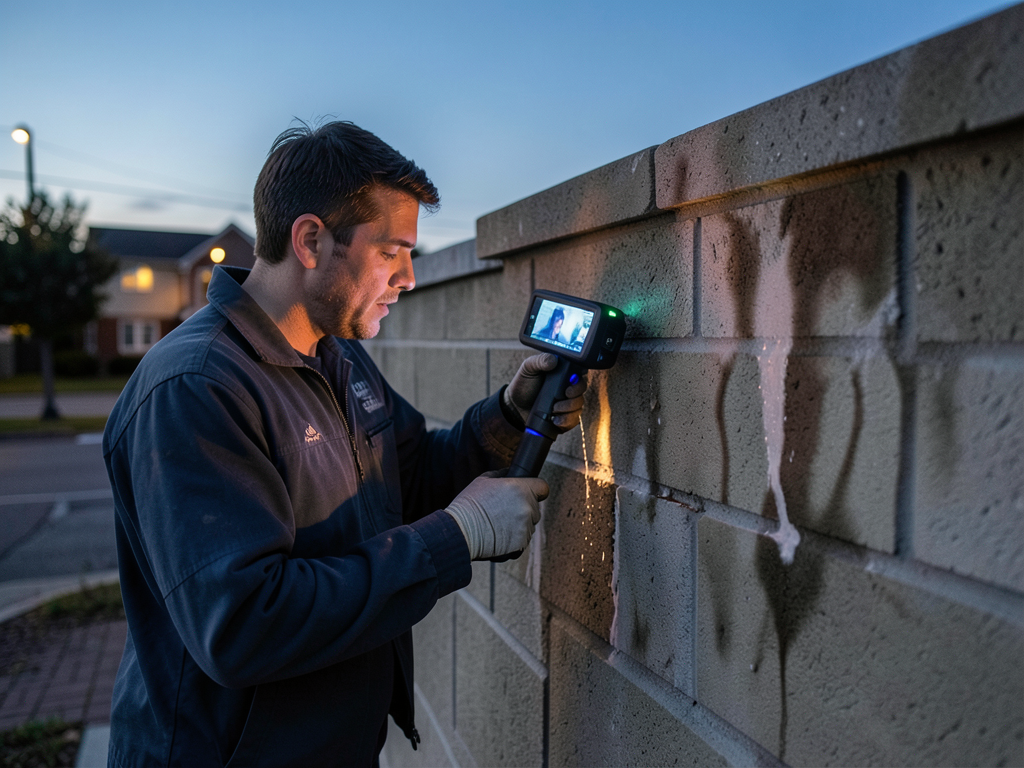
For tile roof repair, we perform infrared moisture scanning to map hidden water damage in the roof deck. You see one cracked tile. We find the six square feet of rotted sheathing underneath. We then sister in new framing members and replace compromised sections before reinstalling tiles.

Color matching matters in historic districts. We source clay tiles from manufacturers who can replicate discontinued profiles and glazes. For concrete tile repairs, we maintain relationships with suppliers who stock legacy colors no longer in standard production.

What to Expect During Your Tile Roofing Project

Tile Roofing Services in Washington, D.C. | Expert Installation and Repair for Historic and Modern Architecture
01

Structural Assessment and Planning

We measure your existing roof framing dimensions, calculate dead load capacity, and evaluate attic ventilation adequacy. You receive a written structural report within three business days. If reinforcement is required, we coordinate with licensed structural engineers and obtain all necessary District permits before ordering materials. This prevents mid-project delays and ensures your home can safely support the tile system for decades.
02

Precision Installation Execution

Our crews strip existing roofing down to deck sheathing, replace any compromised wood, and install the two-layer waterproofing system. Tile battens get laid out to manufacturer specifications for your specific tile profile. Each tile is positioned to maintain proper headlap and sidelap dimensions. We install all flashing before placing tiles in critical areas like valleys and eaves. Quality control checks happen at each phase before moving forward.
03

Final Inspection and Cleanup

After installation completes, we walk the entire roof surface checking for proper tile seating, secure fastener engagement, and flashing integrity. Gutters get cleaned and tested for proper drainage. We use magnetic sweepers and manual inspection to remove all debris and fasteners from your property. You receive detailed photos of completed work, material warranties, and a maintenance schedule outlining inspection intervals specific to tile roofing systems in Washington, D.C.'s climate.

Why Washington, D.C. Property Owners Choose Ace Roofing Washington DC

We maintain current relationships with the Historic Preservation Office and understand the application process for roofing work in historic districts. Our project managers know which tile profiles satisfy preservation requirements for different architectural periods. This knowledge prevents the permit delays and rejection notices that cost you weeks and thousands in remobilization fees.

Unlike national roofing chains that rotate crews through the mid-Atlantic region, our installation teams live in the District and surrounding areas. They understand how row house party walls affect flashing details. They have worked on every architectural style from Federal townhouses to mid-century modern residences. This experience translates to fewer errors and faster project completion.

We stock emergency repair materials for common tile profiles used throughout Washington, D.C. When storm damage occurs, you do not wait three weeks for special-order tiles. We can typically execute temporary waterproofing within 24 hours and complete permanent repairs within one week.

Our supplier relationships matter. We source tiles from manufacturers who understand East Coast climate requirements. California-based tile producers often specify installation methods inappropriate for freeze-thaw environments. We work with companies that provide cold-weather installation guidelines and tiles formulated for moisture resistance.

Every tile roofing project gets assigned a dedicated project manager. You receive their direct cell phone number. They coordinate inspections, material deliveries, and District permit processes. No phone trees. No waiting for callbacks from dispatch centers in other states.

We also understand the tight working conditions in District neighborhoods. Narrow alleys, limited street parking, and proximity to neighboring properties require careful logistics planning. Our crews use specialized equipment sized for urban access and maintain strict debris control protocols that keep your neighbors happy.

Understanding the Tile Roofing Process and Timeline

Project Timeline and Scheduling

Most residential tile roof installations take seven to twelve working days, weather dependent. This includes tearoff, structural repairs, underlayment installation, and tile placement. Larger projects or those requiring extensive structural reinforcement may extend to three weeks. We schedule work to minimize disruption and provide daily progress updates. Emergency tile roof repair typically happens within 48 hours of your call. We prioritize leak mitigation, then schedule permanent repairs based on material availability and weather windows. You receive a detailed timeline during the estimate phase with contingency planning for weather delays.

Initial Roof Assessment Process

Your assessment starts with attic inspection. We look for moisture stains, inadequate ventilation, and framing irregularities. On the roof surface, we document tile condition, flashing integrity, and underlayment exposure. For existing tile roofs, we perform selective tile removal to evaluate underlayment condition and deck integrity. Infrared scanning identifies hidden moisture in the roof assembly. You receive a photo-documented report explaining all findings, required repairs, and optional upgrades. This assessment takes 60 to 90 minutes and includes written recommendations specific to your roof's age, condition, and architectural requirements.

Quality and Longevity Outcomes

Properly installed tile roofing systems last 50 to 75 years in Washington, D.C.'s climate. The tiles themselves often outlast the underlayment and flashing components. Our two-layer waterproofing extends service life beyond industry standard systems. You get superior wind uplift resistance that prevents tile displacement during severe weather. Color-matched repairs maintain your home's architectural character and property value. In historic districts, quality tile work preserves neighborhood aesthetics and satisfies preservation requirements. Your roof will shed water efficiently, resist algae growth better than asphalt shingles, and maintain its appearance with minimal maintenance compared to other roofing materials.

Maintenance and Long-Term Support

We recommend annual inspections for tile roofs, focusing on flashing integrity and tile security. Twice-yearly gutter cleaning prevents water backup that can compromise underlayment at eaves. After severe weather events, we offer priority inspection scheduling to assess potential damage before small problems become major leaks. We maintain detailed records of your roof system including tile profile, underlayment type, and installation date. This documentation simplifies future repair work and helps coordinate color matching if tiles need replacement years later. Our maintenance plans include priority scheduling, discounted service rates, and detailed inspection reports that help you plan for future repairs before emergency situations develop.

Frequently Asked Questions

You Have Questions,
We Have Answers

How much does it cost to do a tile roof? +

Tile roof installation costs in Washington, D.C. depend on several factors: roof size, tile material (clay versus concrete), pitch complexity, and structural reinforcement needs. Clay tiles cost more than concrete but offer superior longevity. Many Washington, D.C. homes, especially in historic neighborhoods like Georgetown and Capitol Hill, require structural assessments before installation because tile weighs significantly more than asphalt shingles. Underlayment quality, removal of existing roofing, and flashing upgrades around chimneys also affect pricing. Local building codes mandate proper ventilation and ice dam protection, adding to project scope. Request detailed quotes from licensed contractors familiar with Washington, D.C. building requirements.

How much does it cost to get a roof tiled? +

Getting a roof tiled in Washington, D.C. involves material selection, labor, permits, and structural preparation. Concrete tiles offer budget-friendly durability, while clay tiles provide superior weather resistance against the District's freeze-thaw cycles and summer humidity. Your roof deck must support the added weight, which often requires reinforcement in older rowhouses common throughout neighborhoods like Shaw and Dupont Circle. Factors affecting cost include roof complexity, valleys, dormers, and accessibility. Washington, D.C. requires permits for major roof work, and contractors must follow strict code requirements for underlayment and ventilation. Choose experienced installers who understand local architectural styles and climate challenges.

How much does it cost to roof a 20x20 garage? +

Roofing a 20x20 garage in Washington, D.C. depends on material choice and garage structure. Tile roofing adds significant weight, so your garage framing must handle the load. Most detached garages use lighter materials like architectural shingles unless specifically designed for tile. If you proceed with tile, expect higher costs than standard roofing due to structural reinforcement needs, specialized installation, and underlayment requirements. Washington, D.C. building codes apply to accessory structures, requiring proper permits and inspections. Garage roof pitch and ventilation requirements also influence final costs. For accurate pricing, have a structural assessment completed first to determine if tile installation is feasible.

What does a roofer charge per hour? +

Roofers in Washington, D.C. typically charge project-based rates rather than hourly fees for tile installation. When hourly rates apply for repairs or inspections, they reflect the specialized skills required for tile work. Tile installation demands experienced crews who understand proper battening, flashing integration, and waterproofing techniques specific to the District's weather patterns. Emergency repairs during Washington, D.C.'s severe thunderstorms or winter ice events may carry premium rates. Labor costs also vary based on roof accessibility in dense neighborhoods like Adams Morgan or Columbia Heights, where parking and material staging present challenges. Always request detailed written estimates that break down labor and materials separately.

How much does it cost to install 1000 sq ft of tile? +

Installing 1000 square feet of tile in Washington, D.C. requires detailed planning beyond simple square footage calculations. Clay tiles cost more than concrete but withstand the District's humid summers and freezing winters better. Your total expense includes underlayment, battens, flashing materials, ridge caps, and valleys. Homes in historic districts may need special approval for tile color and profile. Structural reinforcement adds cost if your roof framing cannot support tile weight, common in older Washington, D.C. rowhouses. Removal and disposal of existing roofing material, permit fees, and potential chimney flashing upgrades also factor into your investment. Proper installation prevents expensive water damage down the line.

What are the disadvantages of tile roofs? +

Tile roofs carry specific drawbacks for Washington, D.C. homeowners. Weight poses the primary concern. Tile requires robust structural support, and many older homes need costly reinforcement before installation. Individual tiles crack during Washington, D.C.'s freeze-thaw cycles, requiring periodic replacements. Walking on tile roofs risks breakage, making maintenance and chimney inspections more challenging. Installation costs exceed standard roofing materials significantly. Tile roofs also increase snow load concerns during winter storms. In historic neighborhoods, tile color and style may face review board restrictions. Despite these challenges, proper installation and maintenance deliver decades of performance. Weigh these factors against your home's structural capacity and long-term plans.

How many years will a tile roof last? +

Tile roofs in Washington, D.C. last 50 to 100 years when properly installed and maintained. Clay tiles outlast concrete tiles, often reaching the century mark. Longevity depends on installation quality, underlayment replacement schedules, and regular maintenance. The District's freeze-thaw cycles and severe thunderstorms test tile durability annually. While tiles themselves endure, underlayment typically needs replacement every 20 to 30 years, requiring partial roof disassembly. Flashing around chimneys and valleys also requires periodic inspection and repair. Regular maintenance, including replacing cracked tiles and clearing debris from valleys, maximizes lifespan. Many Washington, D.C. historic homes feature original tile roofs still performing after 75 years, proving the material's durability.

What time of year is the cheapest to replace a roof? +

Late fall and winter offer the most competitive roofing prices in Washington, D.C., but weather creates scheduling challenges. Contractors experience lower demand from November through February, providing negotiation opportunities. However, tile installation requires dry conditions and moderate temperatures for proper adhesive curing and sealant application. Ice, snow, and freezing temperatures halt work, causing project delays. Spring and fall provide ideal installation conditions with moderate weather and lower humidity. Summer brings peak demand and higher prices, but consistent weather ensures faster project completion. For Washington, D.C. homeowners, scheduling during shoulder seasons (late September through October or April through May) balances cost savings with favorable installation conditions.

Do tile roofs increase home value? +

Tile roofs significantly increase home values throughout Washington, D.C., especially in desirable neighborhoods like Cleveland Park and Kalorama. Buyers value tile's longevity, low maintenance requirements, and architectural appeal. Historic districts particularly benefit because tile complements traditional rowhouse and colonial architecture. Tile roofs enhance curb appeal and signal quality construction to potential buyers. Energy efficiency also adds value, as tile provides natural insulation against Washington, D.C.'s temperature extremes. However, return on investment depends on neighborhood expectations and buyer preferences. In areas where tile roofs are common, homes without tile may sell at discounts. Proper documentation of installation quality and remaining lifespan maximizes resale value.

How much does it cost to pour a 20x20 concrete slab? +

This question addresses concrete slab installation, not tile roofing services. A 20x20 concrete slab for garage foundations or patios involves excavation, grading, gravel base preparation, reinforcement mesh, and concrete pouring. Washington, D.C. soil conditions, particularly clay content in many neighborhoods, require proper base preparation to prevent settling and cracking. Frost depth requirements and local building codes mandate specific slab thickness and reinforcement. Permit requirements apply for permanent structures. For roofing questions specific to Washington, D.C., including tile installation over garages or structural assessments, consult experienced roofing contractors who understand local building requirements and soil conditions affecting foundation and roof integration.

How Washington, D.C.'s Historic Architecture Demands Specialized Tile Roofing Knowledge

The District's 1978 Historic Landmark and Historic District Protection Act governs roofing work in neighborhoods covering approximately 25 percent of the city. Capitol Hill alone contains over 8,000 contributing structures where tile roof replacement must match original materials and profiles. The Historic Preservation Review Board evaluates applications based on compatibility with surrounding architecture. Generic tile roofing companies unfamiliar with these requirements face permit denials that halt projects mid-construction. Understanding which Spanish tile profiles satisfy requirements for 1920s Mediterranean Revival buildings versus what works for 1880s Second Empire mansions requires local expertise that national chains simply do not possess.

Washington, D.C.'s Department of Consumer and Regulatory Affairs enforces building codes specific to urban density and historic fabric preservation. Tile roof installation must comply with wind load requirements based on exposure category, which varies dramatically between open locations near the National Mall and protected interior lots in residential neighborhoods. Our familiarity with District permit processes, required inspections, and code interpretation means your project moves forward without the delays that plague contractors learning these systems for the first time. We also maintain relationships with preservation consultants who can expedite Historic Preservation Office reviews when needed for time-sensitive projects.
Roofing Services in The Washington DC Area

We are proud to serve the entire Washington DC metropolitan area, including all surrounding neighborhoods and communities. Our central location allows us to dispatch our expert teams quickly for emergency repairs or scheduled consultations. Whether you're in Dupont Circle, Georgetown, Capitol Hill, or beyond, we bring premier, trustworthy roofing services directly to your doorstep. View our service area map below to confirm we cover your specific location and then call us to get started on your project.

Address:
Ace Roofing Washington DC, 20 F St NW, Washington, DC, 20001

Additional Services We Offer

Our news updates

Latest Articles & News from The Blogs

How Poor Roof Drainage Can Ruin Your Landscaping in Cathedral Heights Heavy rainstorms in Washington DC create serious challenges for…

How Poor Roof Drainage Can Ruin Your Landscaping in Cathedral Heights

How Poor Roof Drainage Can Ruin Your Landscaping in Cathedral Heights Heavy rainstorms in Washington DC create serious challenges for…

Why You Should Never Install a New Roof Over Your Old Shingles in Hill East

Why Roof Overlays Are a Short-Term Gamble in Hill East Homeowners in Hill East often face a choice when their…

A Homeowner Guide to Comparing Different Roofing Quotes in Washington DC

A Homeowner Guide to Comparing Different Roofing Quotes in Washington DC Getting multiple roofing quotes in Washington DC can feel…

Contact Us

Protect your investment with tile roofing installation and repair that meets District codes and preservation standards. Call (771) 240-3300 now for a detailed roof assessment. Our project managers respond within four hours on business days and provide written estimates within 48 hours.