menu

Emergency Roof Leak Detection in Washington, D.C. – 24/7 Dispatch Stops Water Damage in Under 60 Minutes

When your roof is leaking, every minute counts. Ace Roofing Washington DC provides immediate roof leak locator services across all neighborhoods, with same day roof leak detection that prevents structural damage and protects your property investment.

Slider Image 1
Slider Image 2
Slider Image 3
Slider Image 4
Slider Image 5
Slider Image 7
Slider Image 8
Slider Image 9
Slider Image 10
Slider Image 11

Why Washington, D.C. Roof Leaks Escalate Faster Than You Think

You hear dripping. You see a stain spreading across your ceiling. You know you need help now, not tomorrow.

Washington, D.C.'s unique climate creates a perfect storm for rapid roof deterioration. The city experiences freeze-thaw cycles that crack flashing and loosen shingles, followed by humid summers that accelerate water infiltration into attic spaces and wall cavities. When a leak starts, it does not stay small. The district's older housing stock, particularly in neighborhoods like Capitol Hill and Dupont Circle, features layered roofing systems and complex architectural details where water can travel horizontally before dripping down, making the actual leak source feet away from the visible damage.

The real danger is hidden. By the time water stains your ceiling, moisture has already compromised insulation, weakened roof decking, and created conditions for mold growth. In rowhouses common throughout D.C., a leak in your unit can migrate to adjoining properties through shared walls and connected attic spaces.

You need urgent roof leak inspection performed by technicians who understand how water behaves in Washington, D.C. construction. Generic advice from national call centers will not locate the source. You need 24/7 roof leak diagnosis from professionals who have traced thousands of leaks through the district's diverse building types, from Victorian rowhouses to mid-century apartment buildings. Emergency roof leak tracing is not about patching the obvious spot. It requires understanding how D.C.'s weather patterns, building codes, and architectural styles create specific vulnerability points.

Why Washington, D.C. Roof Leaks Escalate Faster Than You Think
How Professional Emergency Roof Leak Detection Actually Works

How Professional Emergency Roof Leak Detection Actually Works

Most homeowners make the same mistake. They see water coming through the ceiling and assume the leak is directly above. It rarely is.

Water enters through one breach point but follows roof decking, rafters, and insulation before appearing inside your home. In Washington, D.C.'s architectural landscape, this becomes even more complicated. A leak originating at a chimney flashing on your third-floor rowhouse might travel along a beam and drip through a second-floor bedroom ceiling 15 feet away.

Ace Roofing Washington DC uses systematic immediate roof leak locator techniques that eliminate guesswork. We start outside, examining the roof surface in expanding circles from the most likely breach points: valleys, penetrations, flashing transitions, and shingle uplift zones. We look for granule loss, cracked sealant, lifted tabs, and compromised underlayment exposure.

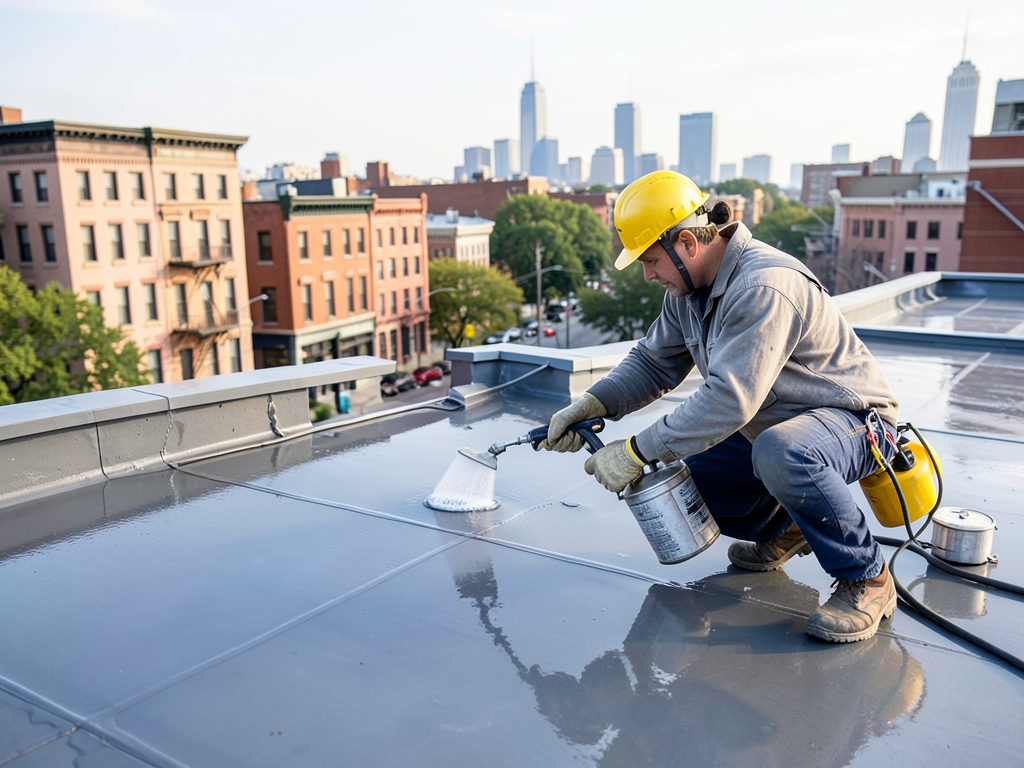
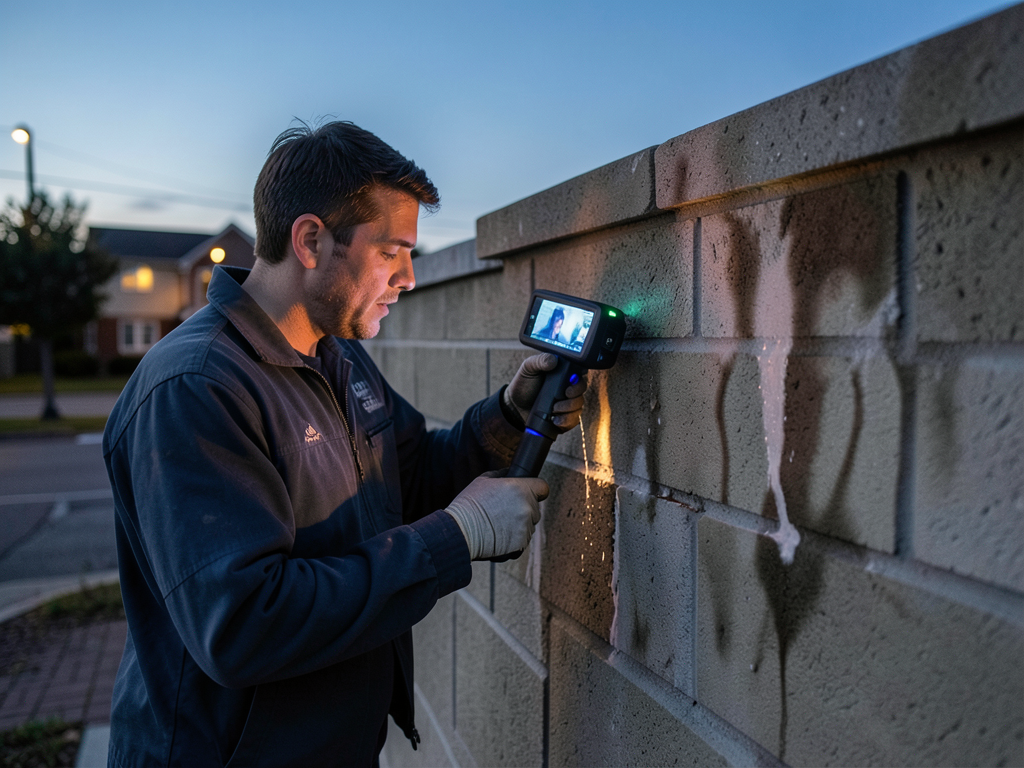
Inside, we use moisture meters to map the wet zone across ceiling joists and decking. This creates a moisture gradient that points back to the source. Infrared cameras detect temperature differentials that reveal water pathways invisible to the naked eye. In flat roof commercial buildings common in downtown D.C., we perform flood testing on suspected membrane sections, systematically isolating the breach.

The equipment matters, but experience matters more. A technician who has worked hundreds of D.C. roof emergencies recognizes patterns. A leak near an HVAC roof jack during spring typically indicates flashing separation from thermal expansion. A leak after heavy rain in an older Shaw neighborhood home often traces to deteriorated step flashing where the roof meets a brick sidewall. Same day roof leak detection requires this accumulated knowledge applied to your specific situation.

What Happens When You Call for Immediate Leak Detection

Emergency Roof Leak Detection in Washington, D.C. – 24/7 Dispatch Stops Water Damage in Under 60 Minutes
01

Emergency Dispatch and Arrival

When you call our emergency line, we collect critical information: Is water actively dripping? What floor? How long has this been happening? Based on your answers, we dispatch a leak detection specialist to your Washington, D.C. location within 60 minutes during standard hours, often faster during overnight emergencies. Our technician arrives with moisture detection equipment, safety gear, and temporary containment materials to stop immediate damage progression while performing the diagnostic work.
02

Systematic Leak Tracing

The technician performs interior moisture mapping to establish the wet zone boundaries, then moves to roof access for exterior inspection. We examine all penetrations, flashing details, and roofing material condition within a 20-foot radius of the suspected breach zone. Using moisture meters and visual inspection, we trace the water entry point. In complex cases involving cathedral ceilings or multiple roof planes common in D.C. architecture, we may use thermal imaging to definitively identify the source location before recommending repair action.
03

Immediate Containment and Repair Plan

Once the breach is located, we provide immediate temporary containment. This might involve tarp placement, emergency flashing repair, or sealant application to stop active water intrusion. You receive a detailed explanation of what failed, why it failed, and what permanent repair is required. We provide documentation with photos of the source and damage extent, which your insurance company needs for claims. You get a written repair estimate before we leave, along with a timeline for permanent correction.

Why Washington, D.C. Homeowners Choose Local Leak Detection Experts

When water is pouring through your ceiling at 11 p.m., you need someone who knows how to get to your neighborhood fast and understands the building you live in.

Ace Roofing Washington DC operates exclusively in the district and immediate metro area. Our technicians know the street grid, the traffic patterns, and the parking situations in every neighborhood from Foggy Bottom to Congress Heights. We have traced leaks in nearly every building type the city contains: federal rowhouses, Art Deco apartment buildings, mid-century split-levels in upper Northwest, and modern condos along the waterfront.

This local knowledge translates to faster, more accurate diagnostics. When we arrive at a Capitol Hill rowhouse, we already know the likely culprits: parapet wall flashing that has separated from brick, shared valley issues between attached units, or rear addition tie-ins that were not properly integrated. When we respond to a Chevy Chase colonial, we check the specific valley configurations and dormer flashing details common to that housing stock.

We understand D.C. building codes and Historic District requirements. If your leak requires repair work on a protected property in Georgetown or Capitol Hill, we know the permit requirements, approved materials, and HPRB submission procedures. National franchise operations lack this granular knowledge.

Our relationship with local supply houses means we can source specialty flashing materials, custom copper work, and slate tile matches that generic contractors cannot access quickly. When you need emergency repair on a Sunday night, we can obtain materials that out-of-town operators cannot.

You are not hiring a call center that dispatches the nearest available contractor. You are hiring a D.C. roofing company that has spent years learning this city's buildings, one leak at a time.

What to Expect During Emergency Roof Leak Detection Service

Response Time and Availability

We maintain emergency response capability seven days a week, including holidays. During business hours, you can expect arrival within 60 minutes for most D.C. locations. Overnight and weekend emergencies typically see response within 90 minutes, though we often arrive faster depending on technician location and traffic conditions. When you call, you speak with our dispatch team who can give you an accurate arrival window based on real-time technician availability. If weather conditions like active thunderstorms prevent safe roof access, we perform interior assessment and provide temporary containment until conditions allow exterior inspection. You receive text updates with technician name, photo, and estimated arrival time.

The Diagnostic Process

The technician begins with a brief interview about when you first noticed the leak, weather events that preceded it, and any previous roof issues. Interior inspection documents the visible damage and uses moisture meters to map the affected area across ceiling surfaces and into wall cavities if applicable. Exterior inspection requires roof access, which we perform safely using appropriate fall protection. We photograph the breach source, surrounding roof condition, and any contributing factors. The entire diagnostic process typically takes 45 to 90 minutes depending on roof complexity and access challenges. You receive a verbal explanation of findings while the technician is still on site, followed by photo documentation sent to your phone or email before we leave.

Immediate Damage Control

Emergency leak detection includes temporary containment to prevent further water intrusion. This might involve tarp installation secured with battens and sandbags, emergency flashing patches using compatible sealants, or temporary membrane applications on flat roof sections. For active interior dripping, we help position collection containers and may assist with moving furnishings away from wet zones. The temporary repair is designed to hold through at least one rain event, giving you time to review the permanent repair estimate and make informed decisions. If the breach is small and accessible, we can often perform permanent repair during the emergency visit, particularly for issues like lifted shingles, small flashing separations, or minor sealant failures.

Documentation and Next Steps

Before leaving, you receive written documentation that includes the leak source location, cause of failure, temporary measures taken, and permanent repair recommendations with cost estimates. We photograph the source, the damage, and any related roof conditions your insurance adjuster will need to see. This documentation package can be submitted directly to your insurance carrier. We provide guidance on whether the damage likely meets your deductible threshold and what the claims process typically involves. If permanent repair requires permits, we outline that timeline. For repairs not requiring permits, we can typically schedule permanent correction within three to five business days, weather permitting. You receive a follow-up call within 24 hours to answer questions and schedule the permanent repair work.

Frequently Asked Questions

You Have Questions,
We Have Answers

Is a roof leak considered an emergency? +

Yes. A roof leak is an emergency if water is actively entering your home. In Washington, D.C., freeze-thaw cycles and sudden thunderstorms can turn a small leak into major interior damage fast. Water compromises drywall, insulation, electrical systems, and structural framing. Mold can start growing within 24 to 48 hours in our humid climate. If you see water stains spreading, dripping, or pooling, call a professional immediately. Do not wait. The longer water sits, the more expensive the repair. Contain the leak, move valuables, and get help now.

How to figure out where a roof leak is coming from? +

Start inside. Track water stains on your ceiling back to their highest point. Water travels along rafters and sheathing before dripping, so the leak source is often uphill from the stain. Go into your attic during daylight and look for wet insulation, dark streaks on wood, or visible daylight through the roof deck. Outside, inspect shingles, flashing around chimneys and vents, and step flashing along walls. In Washington, D.C., old row house parapet walls and flat roof transitions are common culprits. If you cannot locate it safely, call a professional with thermal imaging tools.

How to stop a roof leak temporarily? +

From inside, place a bucket under the drip and lay down towels. If water is spreading across the ceiling, carefully puncture the bulging drywall with a screwdriver to release pooled water into a container. This prevents collapse. Outside, if safe and dry, apply roofing tape or a heavy tarp over the suspected leak area, weighing it down with sandbags or boards. Do not climb on a wet or icy roof in Washington, D.C. winters. Do not use silicone caulk on wet surfaces. These are temporary fixes only. Schedule a professional inspection immediately to prevent hidden damage.

Does homeowners insurance pay for a leaky roof? +

It depends. Homeowners insurance typically covers sudden, accidental damage like storm wind lifting shingles or a tree branch puncturing your roof. It does not cover leaks caused by wear, age, or deferred maintenance. In Washington, D.C., insurers scrutinize roof age closely. If your roof is over 20 years old, expect depreciation or a claim denial. Document the damage with photos immediately. Call your insurer fast and get a professional inspection report. An experienced roofer can help you navigate the claims process and provide the documentation adjusters require.

Why D.C.'s Historic Architecture Makes Professional Leak Detection Critical

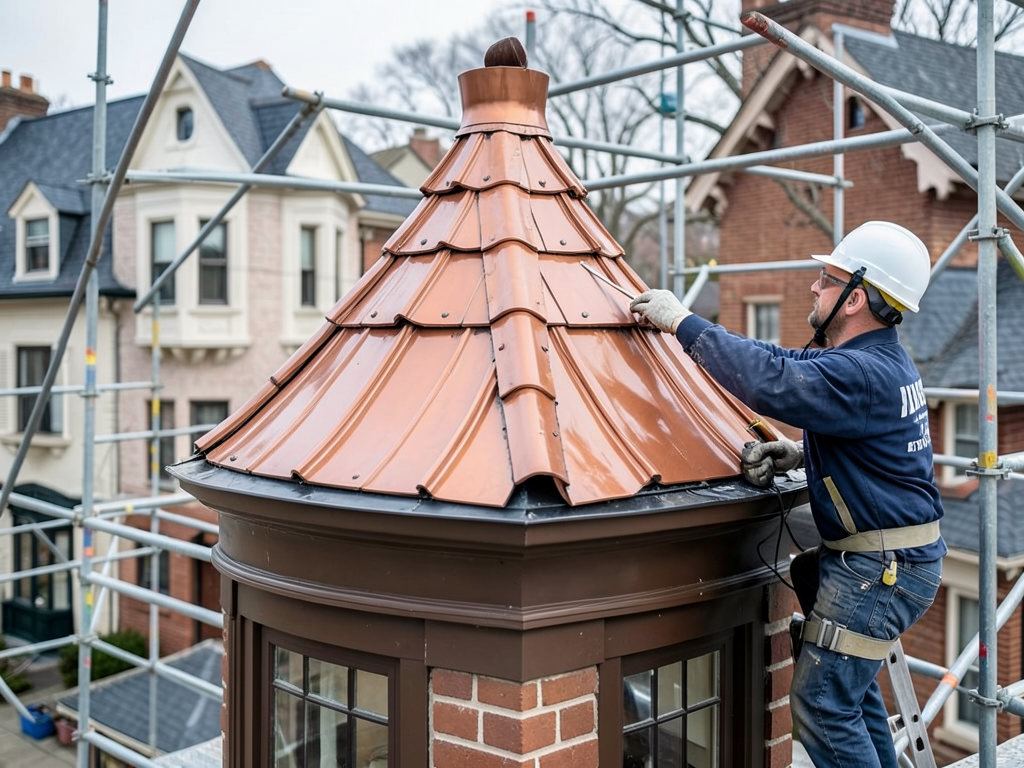
Washington, D.C. contains some of the nation's most complex residential architecture. Rowhouses built between 1880 and 1940 feature shared parapet walls, concealed gutters, and layered roofing systems where multiple re-roofs have created uneven surfaces and hidden vulnerable points. The district's abundant flat and low-slope roofs, mandated by height restrictions and architectural tradition, create drainage challenges that pitched roofs avoid. Add in the city's weather patterns, which include freeze-thaw cycles from November through March, intense summer thunderstorms with high wind loads, and humidity levels that accelerate material deterioration, and you have conditions where minor flashing separations become interior flood events within hours. Professional emergency roof leak tracing in this environment requires understanding how Victorian-era construction methods interact with modern roofing materials and where water migrates through balloon-framed walls and shared structural systems.

D.C.'s regulatory environment adds another layer of complexity. Properties within Historic Districts, which cover large sections of Georgetown, Capitol Hill, Dupont Circle, and other neighborhoods, face restrictions on materials, colors, and visible alterations. An emergency roof repair that uses non-compliant materials can create permitting issues when you later sell the property. Local roofing contractors who regularly work with the Historic Preservation Review Board understand these requirements and can source appropriate materials even during emergency responses. We maintain relationships with specialty suppliers who stock slate, clay tile, standing seam copper, and other materials that match D.C.'s historic housing stock. This local expertise means your emergency repair will not create complications down the road when permanent work requires HPRB approval.
Roofing Services in The Washington DC Area

We are proud to serve the entire Washington DC metropolitan area, including all surrounding neighborhoods and communities. Our central location allows us to dispatch our expert teams quickly for emergency repairs or scheduled consultations. Whether you're in Dupont Circle, Georgetown, Capitol Hill, or beyond, we bring premier, trustworthy roofing services directly to your doorstep. View our service area map below to confirm we cover your specific location and then call us to get started on your project.

Address:
Ace Roofing Washington DC, 20 F St NW, Washington, DC, 20001

Additional Services We Offer

Our news updates

Latest Articles & News from The Blogs

How Poor Roof Drainage Can Ruin Your Landscaping in Cathedral Heights Heavy rainstorms in Washington DC create serious challenges for…

How Poor Roof Drainage Can Ruin Your Landscaping in Cathedral Heights

How Poor Roof Drainage Can Ruin Your Landscaping in Cathedral Heights Heavy rainstorms in Washington DC create serious challenges for…

Why You Should Never Install a New Roof Over Your Old Shingles in Hill East

Why Roof Overlays Are a Short-Term Gamble in Hill East Homeowners in Hill East often face a choice when their…

A Homeowner Guide to Comparing Different Roofing Quotes in Washington DC

A Homeowner Guide to Comparing Different Roofing Quotes in Washington DC Getting multiple roofing quotes in Washington DC can feel…

Contact Us

Every minute you wait, water spreads deeper into your roof system. Call Ace Roofing Washington DC now at (771) 240-3300 for emergency leak detection with arrival in under 60 minutes. We will find the source, stop the damage, and give you a clear repair plan tonight.