menu

Homeowner's Guide to Roofing in Washington, D.C. – Navigate Historic District Codes and Climate Challenges with Confidence

Understanding residential roofing basics for homeowners in the District requires knowledge of unique preservation requirements, seasonal freeze-thaw cycles, and the specific architectural standards that govern everything from shingle selection to dormer repairs across Capitol Hill, Georgetown, and beyond.

Slider Image 1
Slider Image 2
Slider Image 3
Slider Image 4
Slider Image 5
Slider Image 7
Slider Image 8
Slider Image 9
Slider Image 10
Slider Image 11

Why Washington, D.C. Roofs Demand Specialized Knowledge

Your roof in Washington, D.C. faces challenges that homeowners in other cities never encounter. The District's dramatic seasonal temperature swings create freeze-thaw cycles that crack sealants and loosen flashing. Summer humidity traps moisture in attic spaces, feeding mold growth and wood rot. Winter ice dams form along eaves when heated air escapes through inadequate ventilation, sending meltwater under shingles and into your ceilings.

The real complexity starts when you factor in local regulations. If your home sits within one of the District's Historic Districts, your residential roofing guide must account for strict preservation standards. The Historic Preservation Review Board controls everything from shingle color to dormer placement. Install the wrong material, and you face violation notices and forced removal.

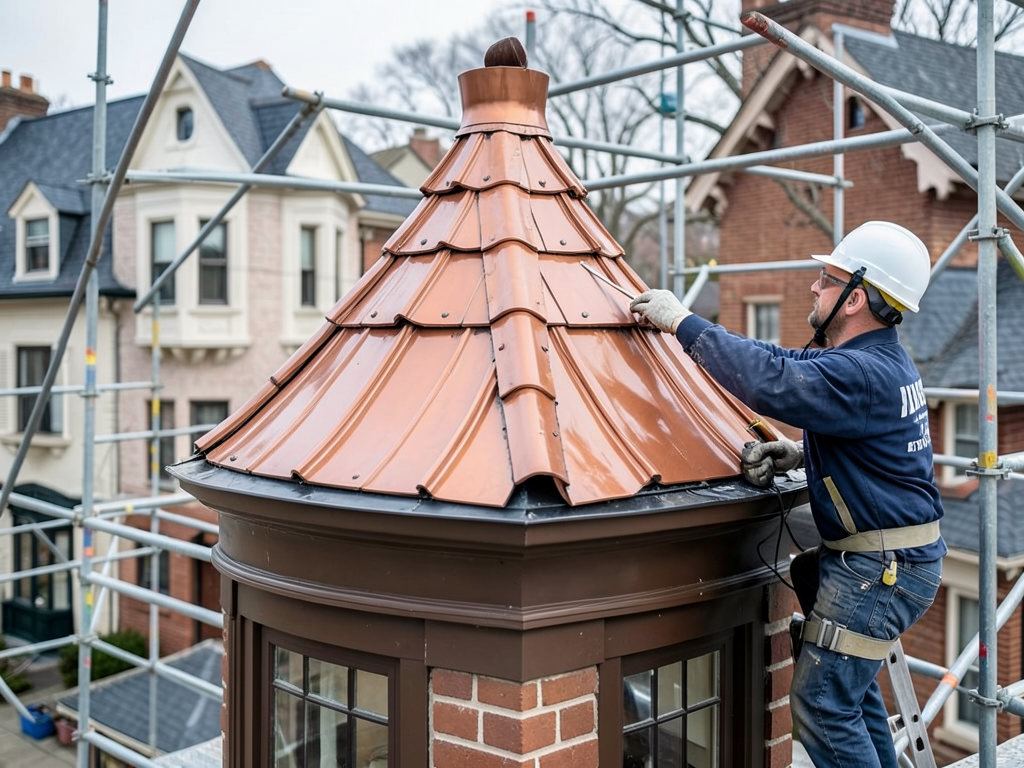
Washington, D.C.'s unique mix of Federal, Victorian, and Colonial Revival architecture requires specific roofing approaches. A Georgetown rowhouse with a mansard roof needs different waterproofing than a Craftsman bungalow in Takoma Park. Your home roofing handbook starts with understanding your specific building type and the environmental stressors it faces in this climate.

Most homeowners learn these lessons the hard way. You notice a small leak during a spring storm. By summer, that leak has spread across three ceiling joists. The actual damage started months earlier, when failed flashing let water penetrate the roof deck during winter. This residential roofing 101 reality catches thousands of District homeowners off guard every year. Prevention beats emergency repairs, but only when you understand what you are protecting against.

Why Washington, D.C. Roofs Demand Specialized Knowledge
How Proper Roof Assessment Prevents Expensive Failures

How Proper Roof Assessment Prevents Expensive Failures

A legitimate roofing assessment starts in your attic, not on your roof. Ventilation failures, missing vapor barriers, and inadequate insulation cause more roof problems than weather exposure. We inspect soffit vents, ridge vents, and gable vents to verify airflow matches the 1:150 ventilation ratio required by code. Poor ventilation creates condensation that rots roof decking from the inside, invisible until the damage becomes structural.

On the roof surface, we examine flashing around chimneys, skylights, and dormer walls. Flashing failures account for 70% of roof leaks in Washington, D.C. homes. Metal flashing expands and contracts with temperature changes. Sealants dry out and crack. Step flashing separates from sidewalls. Each failure point creates a water entry path that travels horizontally through your roof assembly before dripping onto your ceiling, often several feet from the actual leak source.

Shingle condition tells part of the story. We look for granule loss, which exposes the asphalt mat to UV degradation. Curling edges indicate heat damage or poor attic ventilation. Missing shingles create obvious vulnerabilities. But the underlying roof deck condition matters more. A roof with 15 years of remaining shingle life means nothing if the plywood decking underneath shows water staining or soft spots.

Your homeowner roofing manual must address the full roof system. This means examining gutters that overflow and dump water against foundation walls. It means checking downspout discharge points that erode soil and create basement seepage. It means identifying tree branches that scrape shingles during windstorms or drop leaves that clog valleys. Comprehensive assessment finds problems before they cascade into structural damage.

Your Path to Roof Literacy

Homeowner's Guide to Roofing in Washington, D.C. – Navigate Historic District Codes and Climate Challenges with Confidence
01

Understanding Your Roof System

You start by learning the anatomy of your specific roof. This means identifying whether you have asphalt shingles, slate, metal, or flat membrane roofing. Each material ages differently and requires specific maintenance. You learn to recognize the difference between cosmetic wear and functional failure. Understanding components like drip edge, ice and water shield, and underlayment helps you communicate effectively with contractors and spot incomplete work.
02

Conducting Seasonal Inspections

Twice-yearly inspections catch problems early. Spring inspections reveal winter damage from ice dams and wind. Fall inspections prepare your roof for cold weather. You check for loose or missing shingles, examine flashing condition, clear debris from valleys and gutters, and look for signs of pest intrusion. Regular documentation with photos creates a maintenance history that proves valuable during insurance claims or when planning replacement projects.
03

Making Informed Repair Decisions

When problems surface, you know how to evaluate contractor recommendations. You understand the difference between temporary repairs and permanent solutions. You recognize when spot repairs make sense versus full replacement. Your roofing basics for homeowners foundation helps you ask the right questions about material specifications, warranty coverage, and installation methods. This knowledge prevents overpaying for unnecessary work while avoiding cheap fixes that fail within months.

Why Local Expertise Matters for District Roofing

Washington, D.C. building codes evolved specifically for this climate and these architectural styles. We navigate DC Department of Consumer and Regulatory Affairs permit requirements daily. We know which repairs require permits and which fall under routine maintenance exemptions. More importantly, we understand how to work within Historic Preservation guidelines without compromising roof performance.

Experience with District-specific challenges changes everything. We have repaired hundreds of flat roofs on Capitol Hill rowhouses, where internal gutters create unique drainage problems. We have replaced slate roofs in Cleveland Park, sourcing material that matches century-old quarries. We have installed standing seam metal roofs in Takoma Park, meeting modern energy codes while respecting Craftsman aesthetics. Your contractor's familiarity with your specific neighborhood and building type directly affects project outcomes.

The District's weather patterns require material selection knowledge that goes beyond manufacturer specifications. Summer temperatures on dark shingle roofs exceed 160 degrees. Winter freezes drop below 20 degrees. This 140-degree temperature range stresses sealants, accelerates shingle aging, and tests every flashing detail. We specify materials proven to handle this thermal cycling, not just products that meet minimum code requirements.

Insurance claims add another complexity layer. District insurers often dispute roof damage claims, arguing that wear and tear caused failures rather than storm events. We document storm damage using specific terminology and photographic evidence that satisfies adjuster requirements. Our inspection reports have helped hundreds of homeowners secure claim approvals for repairs that insurers initially denied. Ace Roofing Washington DC brings this claims experience to every assessment, protecting your financial interests alongside your home's structural integrity.

What Quality Roofing Information Delivers

Immediate Practical Application

You gain knowledge you can use today. Within one hour of reading this residential roofing guide, you can conduct a basic roof inspection from ground level using binoculars. You learn to identify the five most common failure points that cause emergency leaks. You understand which problems demand immediate attention and which can wait for scheduled repairs. This practical information prevents panic during storms while helping you budget for necessary maintenance. The difference between reactive emergency spending and planned roof care often amounts to thousands of dollars over your ownership period.

Contractor Evaluation Framework

Your homeowner roofing manual includes specific questions to ask during contractor consultations. You learn to evaluate written estimates for completeness and identify common omissions that lead to change orders. Understanding material grade differences helps you compare bids accurately rather than defaulting to the lowest price. You recognize warning signs of fly-by-night contractors who take deposits and disappear. This framework transforms contractor selection from guesswork into informed decision-making. You gain confidence distinguishing between legitimate cost variations and price gouging.

Long-Term Maintenance Planning

Residential roofing 101 includes realistic lifespan expectations for different roofing materials in Washington, D.C.'s climate. You learn to create a maintenance schedule that extends roof life and maintains warranty coverage. Understanding the relationship between attic ventilation, insulation, and roof longevity helps you make smart home improvement decisions. You discover which upgrades deliver measurable returns and which amount to wasted money. This planning perspective shifts your thinking from treating your roof as an emergency expense to managing it as a valuable home system that protects your investment.

Insurance and Documentation Strategies

You learn to maintain documentation that supports insurance claims when storm damage occurs. This includes photographing your roof condition before storm season, understanding your policy's coverage limits and deductibles, and knowing how to document damage immediately after severe weather events. Your roofing basics knowledge helps you communicate effectively with insurance adjusters using correct terminology that strengthens claims. You understand the difference between actual cash value and replacement cost coverage, which dramatically affects claim payouts. This insurance literacy often means the difference between approved repairs and denied claims.

Frequently Asked Questions

You Have Questions,
We Have Answers

How District Climate Patterns Accelerate Roof Aging

Washington, D.C. sits at a geographic crossroads where humid subtropical air masses collide with continental weather systems. This creates violent spring thunderstorms with hail, oppressive summer humidity that breeds algae growth on north-facing slopes, and winter conditions that swing from freezing rain to rapid thaws within 24 hours. Your roof endures 40 to 50 freeze-thaw cycles annually, each one forcing water into microscopic cracks that expand and contract. This relentless cycling destroys sealants and loosens fasteners faster than in more stable climates. The Potomac River's proximity adds moisture loading that keeps humidity levels elevated even during dry periods, creating persistent conditions for organic growth and accelerated material degradation.

Roofing work in Historic Districts requires coordination with multiple regulatory bodies beyond standard building permits. The DC Historic Preservation Office maintains jurisdiction over exterior modifications in neighborhoods like Capitol Hill, Georgetown, and Dupont Circle. Material choices, color specifications, and installation methods all face review. Ace Roofing Washington DC maintains established relationships with preservation officials and understands approval processes that confuse out-of-town contractors. This local expertise prevents project delays and ensures compliance with both preservation standards and modern weatherproofing requirements. Your residential roofing guide becomes infinitely more valuable when written by professionals who navigate these specific District requirements daily.
Roofing Services in The Washington DC Area

We are proud to serve the entire Washington DC metropolitan area, including all surrounding neighborhoods and communities. Our central location allows us to dispatch our expert teams quickly for emergency repairs or scheduled consultations. Whether you're in Dupont Circle, Georgetown, Capitol Hill, or beyond, we bring premier, trustworthy roofing services directly to your doorstep. View our service area map below to confirm we cover your specific location and then call us to get started on your project.

Address:
Ace Roofing Washington DC, 20 F St NW, Washington, DC, 20001

Additional Services We Offer

Our news updates

Latest Articles & News from The Blogs

How Poor Roof Drainage Can Ruin Your Landscaping in Cathedral Heights Heavy rainstorms in Washington DC create serious challenges for…

How Poor Roof Drainage Can Ruin Your Landscaping in Cathedral Heights

How Poor Roof Drainage Can Ruin Your Landscaping in Cathedral Heights Heavy rainstorms in Washington DC create serious challenges for…

Why You Should Never Install a New Roof Over Your Old Shingles in Hill East

Why Roof Overlays Are a Short-Term Gamble in Hill East Homeowners in Hill East often face a choice when their…

A Homeowner Guide to Comparing Different Roofing Quotes in Washington DC

A Homeowner Guide to Comparing Different Roofing Quotes in Washington DC Getting multiple roofing quotes in Washington DC can feel…

Contact Us

You now have the foundation to protect your home and make informed roofing decisions. When you need professional assessment or repairs, call Ace Roofing Washington DC at (771) 240-3300. We answer questions, provide honest evaluations, and deliver the expertise that protects District homes.