menu

Commercial Spray Foam Roofing in Washington, D.C. – Seamless Protection That Minimizes Business Downtime

Polyurethane foam roofing systems deliver monolithic waterproofing and superior insulation for commercial buildings across the District, reducing energy costs and eliminating the membrane seam failures that disrupt operations.

Slider Image 1
Slider Image 2
Slider Image 3
Slider Image 4
Slider Image 5
Slider Image 7
Slider Image 8
Slider Image 9
Slider Image 10
Slider Image 11

Why Washington's Commercial Buildings Need SPF Roofing Systems

Washington, D.C.'s commercial roofing environment presents three simultaneous challenges: extreme seasonal temperature swings that cycle from below freezing to above 95 degrees, heavy rainfall that averages 42 inches annually, and strict federal building codes that govern energy performance in the District. Traditional commercial roofing systems with seamed membranes fail under this stress. The constant expansion and contraction opens seams. Water infiltrates through failed laps. Energy costs climb as R-values degrade.

Spray polyurethane foam roofing eliminates these failure points entirely. The SPF roof system goes down as a liquid that expands and cures into a single monolithic membrane with no seams, no fasteners, and no weak points. The closed-cell structure delivers an R-value of 6.5 per inch, which means a two-inch application provides R-13 insulation that reduces HVAC loads year-round. This matters in the District, where commercial electricity rates average 40 percent higher than residential rates.

The foam also self-flashes around rooftop equipment. HVAC units, exhaust fans, and vent stacks get encapsulated without the metal counter-flashing details that corrode and leak on conventional systems. For commercial property managers dealing with multi-tenant buildings near Dupont Circle or office complexes in Capitol Hill, this means fewer service calls, lower insurance claims, and uninterrupted business operations. The system adheres directly to existing substrates, which eliminates the tear-off costs and dumpster logistics that shut down parking lots for weeks during a conventional reroof.

Why Washington's Commercial Buildings Need SPF Roofing Systems
How Commercial Spray Foam Roofing Protects Your Asset

How Commercial Spray Foam Roofing Protects Your Asset

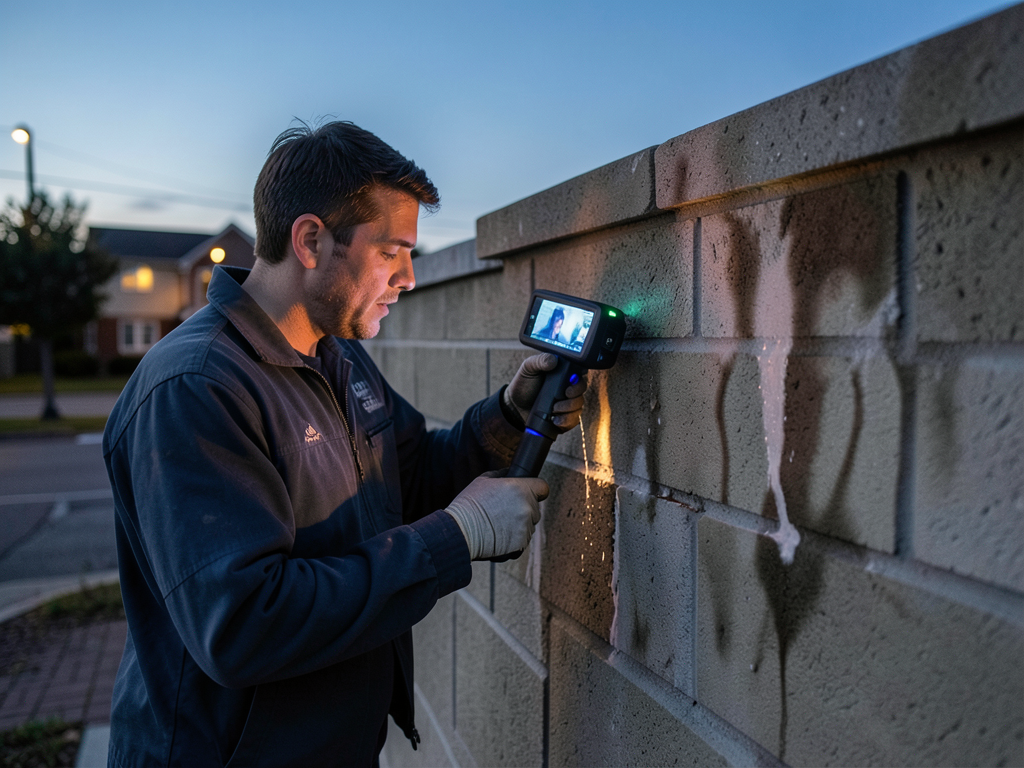
The SPF roofing process starts with substrate evaluation. We assess the existing roof deck for moisture content using infrared scanning and capacitance meters. Any wet insulation gets removed and replaced. This step prevents trapping moisture under the new system, which would cause delamination and void the installation. We then pressure wash the existing membrane to remove dirt, algae, and contaminants that would interfere with adhesion.

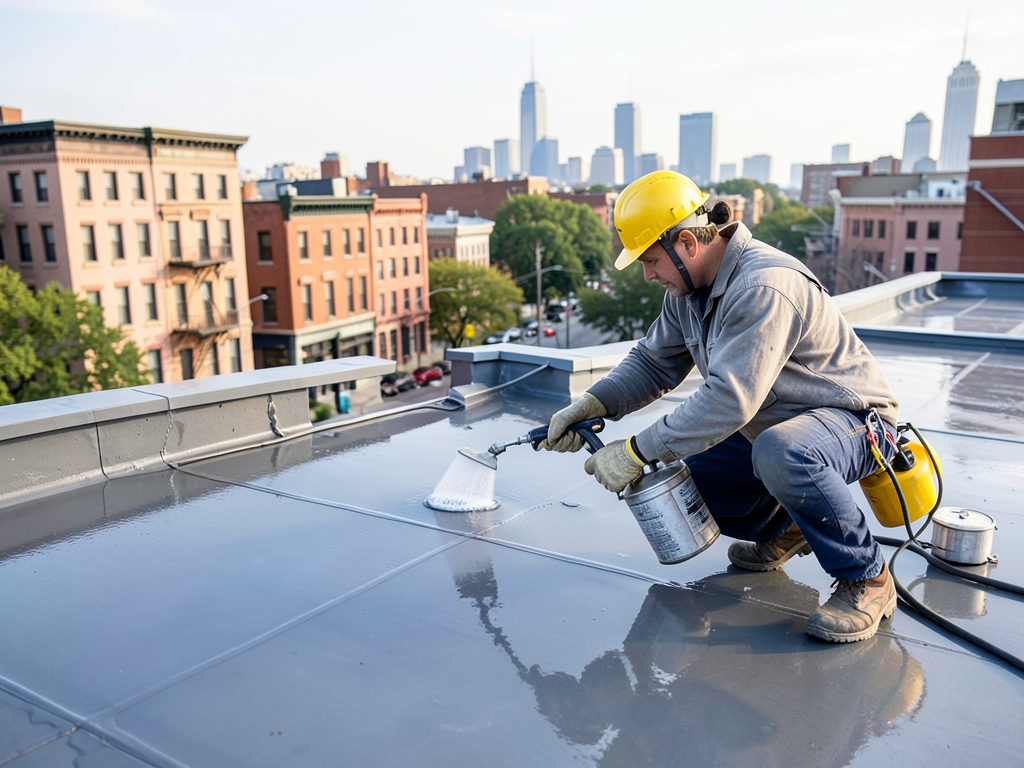
Next, we apply the polyurethane foam in multiple passes using high-pressure spray equipment calibrated to achieve uniform density of 2.5 to 3 pounds per cubic foot. Each pass adds thickness while the chemical reaction generates heat that fully cures the foam within seconds. We build the system to the engineered thickness required for your R-value target and load rating. Most commercial applications in the District require two to three inches of foam to meet energy code requirements and provide adequate slope for drainage.

After the foam cures, we apply an elastomeric coating system in two coats. The base coat seals the foam cells and provides UV protection. The top coat adds color, reflectivity, and additional waterproofing. We embed granules into the wet top coat to increase durability and meet the reflectivity standards required for LEED certification and District energy code compliance.

The final system weighs roughly 50 pounds per square, which makes it suitable for retrofitting older buildings with limited structural capacity. You avoid the expense of structural reinforcement that other systems require. The installation proceeds in sections, so portions of your building remain operational throughout the project. We coordinate with your facility management to sequence work around business hours and minimize disruption.

What Happens During Your SPF Roof Installation

Commercial Spray Foam Roofing in Washington, D.C. – Seamless Protection That Minimizes Business Downtime
01

Site Assessment and Prep

We start by scanning your existing roof with infrared cameras to map trapped moisture and identify areas of wet insulation. Any saturated sections get cut out and replaced with dry material before we spray. We then mask all vertical surfaces, HVAC equipment, and skylights to prevent overspray contamination. The existing membrane gets pressure washed at 3,500 PSI to ensure proper adhesion of the foam.
02

Foam Application and Build

Our spray technicians apply the two-component polyurethane foam in controlled passes, building thickness uniformly across the roof plane. We create positive drainage by adding extra foam in low areas and tapering around drains. Each pass cures in under 60 seconds, allowing rapid buildup to the specified thickness. The closed-cell structure forms immediately, creating a waterproof barrier as we work.
03

Coating and Quality Control

After the foam cures fully, we apply a two-coat elastomeric system using airless sprayers calibrated for uniform mil thickness. The coating protects the foam from UV degradation and provides the reflective surface required for energy code compliance. We measure coating thickness with a mil gauge at multiple points to verify coverage meets manufacturer specifications. The completed system gets photographed and documented for your records.

Why District Commercial Property Managers Choose Ace Roofing Washington DC

Commercial roofing in Washington, D.C. requires more than technical skill. It requires familiarity with the District Department of Energy and Environment permitting process, coordination with the Historic Preservation Office for properties in designated zones, and compliance with federal workplace safety standards that govern contractor access to government-leased buildings. We maintain the certifications and insurance coverage required to work on federally occupied structures, which includes $5 million in general liability coverage and compliance with OSHA confined space entry protocols.

Our crews understand the logistical constraints of working in the District. Limited street parking near buildings in Foggy Bottom and Georgetown means we coordinate material deliveries during off-peak hours and use crane services to lift equipment to rooftops without disrupting ground-level business operations. We pull permits through the DC Department of Consumer and Regulatory Affairs and schedule inspections to keep projects on timeline without delays that extend rental interruptions.

The polyurethane foam roofing systems we install meet the FM 4450 wind uplift ratings required for the District's 90 mph design wind speed. This matters for liability and insurance purposes. If your roof fails during a storm and causes business interruption or tenant displacement, you face exposure. Our installations include engineered attachment details and coating systems rated for Class A fire resistance, which satisfies underwriter requirements and keeps your premiums in check.

We also provide the documentation required for LEED projects and Energy Star certification. Each installation includes thermal imaging reports, R-value calculations, and reflectivity test results that your sustainability consultant needs for scorecard submissions. For property owners pursuing green building incentives through the DC Sustainable Energy Utility, this documentation is required to claim rebates.

What Your Commercial SPF Roof Installation Includes

Project Timeline and Scheduling

Most commercial spray foam roofing projects in the District complete within five to ten business days, depending on building size and weather conditions. We cannot spray in rain, high winds, or when ambient temperatures drop below 40 degrees. We monitor weather forecasts continuously and adjust crew schedules to maximize productive hours while avoiding conditions that compromise cure times. You receive a detailed schedule before we start, with daily updates as work progresses. We coordinate with your property management to minimize impact on tenants and maintain access to loading docks and service areas.

Pre-Installation Roof Analysis

Before we quote your project, we perform a comprehensive roof inspection that includes infrared moisture scanning, core samples to verify deck condition, and load calculations to confirm your structure can support the added weight of the SPF system. We provide a written report that identifies any structural repairs required before installation. This analysis protects you from future problems and ensures the system performs as engineered. We also review your building's energy profile to recommend the optimal foam thickness for maximum return on investment through reduced HVAC operating costs.

Finished System Performance

When we finish, you receive a roof system with no seams, no fasteners, and no penetrations. The monolithic foam membrane eliminates the leak points that plague conventional systems. The high R-value insulation reduces your cooling loads during District summers and cuts heat loss during winter. The reflective coating lowers surface temperatures by up to 50 degrees, which extends the life of rooftop HVAC equipment and reduces urban heat island effect. The system meets or exceeds all applicable building codes, energy standards, and fire ratings required for commercial occupancy in Washington, D.C.

Maintenance and Recoating Plans

SPF roofing systems require recoating every 10 to 15 years to maintain UV protection and extend service life. We provide a maintenance program that includes annual inspections, minor repairs, and scheduled recoating to keep your system performing at peak efficiency. The recoating process takes a fraction of the time and cost of a full replacement, and it can be repeated multiple times over the life of the building. This makes spray polyurethane foam roofing one of the most cost-effective long-term solutions for commercial properties in the District.

Frequently Asked Questions

You Have Questions,
We Have Answers

Is it a good idea to spray foam your roof? +

For commercial properties in Washington, D.C., spray foam roofing delivers measurable ROI. It reduces energy costs by creating a seamless thermal barrier, cutting HVAC load during the district's humid summers and cold winters. The monolithic membrane eliminates leak points common in traditional systems. For flat or low-slope roofs on older commercial buildings near Capitol Hill or Foggy Bottom, spray foam applies directly over existing substrates, minimizing downtime and disposal costs. It meets stringent fire codes and provides immediate waterproofing. For buildings requiring business continuity and energy efficiency, spray foam is a strategic investment.

What are the disadvantages of a spray foam roof? +

Spray foam roofing requires professional installation to perform correctly. Improper application leads to adhesion failure or premature degradation. The elastomeric coating needs reapplication every 10 to 15 years to maintain UV protection. Ponding water on poorly drained roofs accelerates wear. In Washington, D.C., building code compliance and proper flashing details around rooftop HVAC units are non-negotiable. Some insurers require documentation of certified installation. Upfront costs exceed conventional systems, but lifecycle cost analysis often favors foam. For commercial property managers, the disadvantages are manageable with qualified contractors and scheduled maintenance.

How long does a spray foam roof last? +

A properly installed and maintained spray foam roof lasts 30 to 50 years on commercial buildings. Longevity depends on regular inspections and recoating the protective elastomeric layer every 10 to 15 years. Washington, D.C.'s freeze-thaw cycles and UV exposure degrade the topcoat, not the foam substrate. Buildings near the Potomac or Anacostia rivers face higher moisture exposure, making drainage maintenance critical. Facilities with proactive roof management extend system life beyond traditional modified bitumen or EPDM. For commercial owners focused on asset longevity, spray foam offers the longest service life when maintained correctly.

Why is spray foam a red flag for lenders? +

Lenders flag spray foam when it replaces traditional attic insulation in residential mortgages because improper installation traps moisture or blocks ventilation. This concern rarely applies to commercial spray foam roofing, which is a membrane system, not cavity insulation. Commercial lenders evaluate spray foam roofs based on fire ratings, code compliance, and installer certification. In Washington, D.C., properties financed for commercial use undergo different underwriting. If your lender raises concerns, provide installation specs, flame spread ratings, and contractor credentials. Most institutional lenders approve spray foam roofing for commercial buildings without issue when documentation is complete.

How much does it cost to spray foam a 2000 foot attic? +

This question conflates attic insulation with roofing systems. Spray foam roofing is a commercial roof membrane, not an attic product. For commercial roof applications in Washington, D.C., cost depends on roof area, existing substrate condition, required R-value, and access logistics. Pricing varies by building height, downtown location constraints, and whether you need a full tear-off or overlay. Cost factors include material thickness, fire rating upgrades, and coating type. For accurate budgeting on commercial properties, request a site-specific proposal that accounts for your building's unique conditions. Do not use residential insulation pricing as a comparison.

Why are people removing spray foam? +

Removal occurs when spray foam was improperly installed in residential attics, blocking ventilation or trapping moisture. This is not a roofing issue. For commercial roofs, spray foam is rarely removed unless the building is demolished or converted. In Washington, D.C., some property owners remove failed DIY applications or contractor errors that voided insurance coverage. Proper commercial spray foam roofing, installed by certified applicators with correct substrate prep and drainage, does not require removal. The membrane is designed for permanence. If you inherited a building with questionable foam, commission a third-party roof inspection before making removal decisions.

Why are insurance companies not insuring homes with spray foam insulation? +

Insurers scrutinize residential spray foam attic insulation, not commercial spray foam roofing. The concern is moisture entrapment and fire risk from uncertified residential applications. Commercial spray foam roofs meet ASTM and FM Global fire standards, which satisfy commercial property insurers. In Washington, D.C., provide your carrier with installation certifications, flame spread ratings, and contractor credentials. Most commercial policies cover spray foam roofing without exclusions when applied by licensed professionals. If your insurer balks, the issue is documentation, not the system itself. Request clarification in writing and provide technical specs from your roofing contractor.

Why is it hard to sell a house with spray foam insulation? +

Resale concerns apply to homes with spray foam attic insulation, not commercial buildings with spray foam roofing. Buyers fear hidden moisture damage or code violations from improper residential installs. Commercial real estate transactions evaluate spray foam roofing as a capital improvement that reduces operating costs and extends asset life. In Washington, D.C., properties with documented spray foam roof installations and maintenance records often command premiums for energy efficiency. For commercial sellers, provide prospective buyers with installation warranties, inspection reports, and energy usage data. Properly installed spray foam roofing is a selling point, not a liability.

Can mold grow behind spray foam insulation? +

Mold grows when moisture infiltrates improperly installed systems or where substrate prep was inadequate. Spray foam roofing applied to damp substrates traps existing moisture. In Washington, D.C.'s humid climate, pre-installation moisture surveys are critical. Commercial roofs with poor drainage or damaged coatings allow water intrusion at seams or penetrations. If mold appears, it indicates installer error or deferred maintenance, not a material defect. Proper installation includes drying the substrate, applying primer, and ensuring positive drainage. For commercial buildings, third-party inspections before installation prevent mold issues. Address moisture sources before applying foam.

Is $30,000 too much for a roof? +

For commercial properties in Washington, D.C., roof replacement costs depend on square footage, system type, building height, and code requirements. A figure without context is meaningless. Spray foam roofing on a 10,000-square-foot flat roof may cost more or less than that depending on substrate condition and required R-value. Multi-story buildings downtown face higher labor and equipment costs. Compare lifecycle costs, not just installation price. A system that lasts 40 years with lower energy bills justifies higher upfront investment. Request itemized proposals from certified contractors. Evaluate cost per square foot, warranty terms, and projected energy savings.

How District Building Codes and Climate Impact Commercial SPF Roof Systems

Washington, D.C.'s energy code requires commercial buildings to meet minimum R-values based on climate zone 4A classification. The code mandates continuous insulation with minimal thermal bridging, which makes spray polyurethane foam roofing an ideal solution. Unlike layered systems with fasteners that create thermal shorts, SPF provides uninterrupted insulation across the entire roof plane. The District also enforces stormwater management rules that require controlled runoff rates. SPF systems can be sloped during application to direct water toward designated drains and scuppers, which helps satisfy stormwater compliance without additional infrastructure.

Commercial property owners near the National Mall, in Capitol Hill, or around Union Station face additional scrutiny from the Historic Preservation Review Board when modifying visible rooflines. SPF roofing systems install with minimal profile change and no bulky equipment that alters building silhouettes. The low weight also makes them suitable for older masonry structures common in the District, where load-bearing walls cannot support heavy conventional roofing assemblies. Choosing a contractor familiar with these local regulatory requirements prevents permit delays and ensures your project complies with all federal, District, and historic preservation standards.
Roofing Services in The Washington DC Area

We are proud to serve the entire Washington DC metropolitan area, including all surrounding neighborhoods and communities. Our central location allows us to dispatch our expert teams quickly for emergency repairs or scheduled consultations. Whether you're in Dupont Circle, Georgetown, Capitol Hill, or beyond, we bring premier, trustworthy roofing services directly to your doorstep. View our service area map below to confirm we cover your specific location and then call us to get started on your project.

Address:
Ace Roofing Washington DC, 20 F St NW, Washington, DC, 20001

Additional Services We Offer

Our news updates

Latest Articles & News from The Blogs

How Poor Roof Drainage Can Ruin Your Landscaping in Cathedral Heights Heavy rainstorms in Washington DC create serious challenges for…

How Poor Roof Drainage Can Ruin Your Landscaping in Cathedral Heights

How Poor Roof Drainage Can Ruin Your Landscaping in Cathedral Heights Heavy rainstorms in Washington DC create serious challenges for…

Why You Should Never Install a New Roof Over Your Old Shingles in Hill East

Why Roof Overlays Are a Short-Term Gamble in Hill East Homeowners in Hill East often face a choice when their…

A Homeowner Guide to Comparing Different Roofing Quotes in Washington DC

A Homeowner Guide to Comparing Different Roofing Quotes in Washington DC Getting multiple roofing quotes in Washington DC can feel…

Contact Us

Stop dealing with seam failures and rising energy costs. Call Ace Roofing Washington DC at (771) 240-3300 to schedule a roof analysis and get a detailed proposal for a polyurethane foam roofing system engineered for your building.