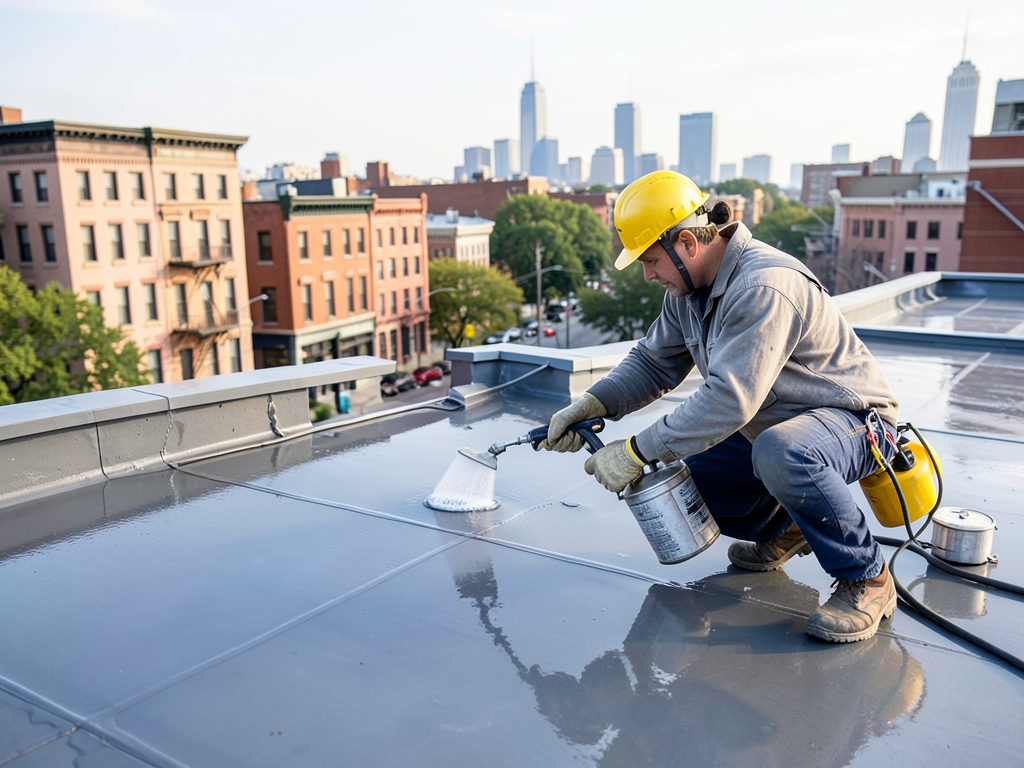
Washington, D.C. experiences an urban heat island effect where temperatures in the city core run 5 to 10 degrees hotter than surrounding suburbs. This happens because pavement, buildings, and roofs absorb and radiate heat. Your roof surface can reach 170 degrees on a summer afternoon, which superheats the attic if ventilation is inadequate. The Potomac and Anacostia rivers add moisture to the air, pushing relative humidity above 70 percent on many summer days. This combination of heat and humidity accelerates shingle aging, promotes mold growth, and stresses your entire roof system. Understanding roof airflow becomes critical when your attic acts like a greenhouse six months out of the year.
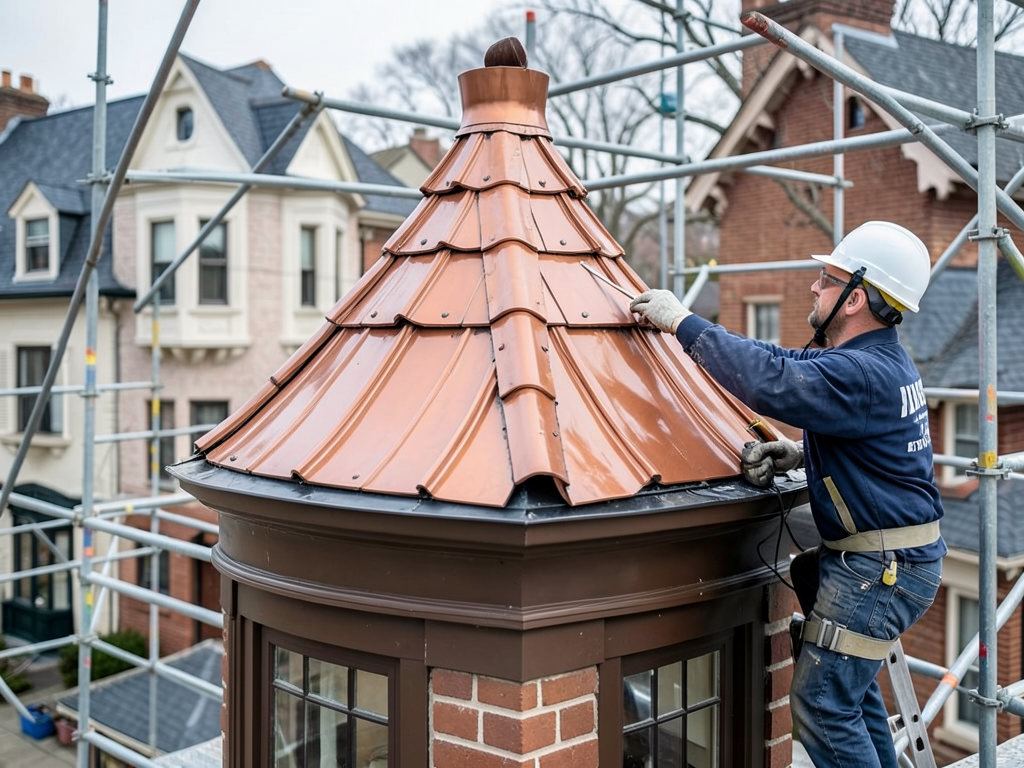
Ace Roofing Washington DC has spent years working in D.C.'s unique conditions. We know which neighborhoods face the worst heat exposure and which areas see the most condensation problems due to tree canopy or proximity to water. We also understand local building codes and how they apply to historic properties in districts like Georgetown, Capitol Hill, and Dupont Circle. When you hire a local roofer who knows how roof ventilation works in this specific climate, you avoid generic solutions that fail under D.C.'s summer heat and winter freeze-thaw cycles.