menu

Benefits of Cool Roofs in Washington, D.C. – Cut Summer Cooling Costs by Up to 30% While Protecting Your Home

Cool roofing systems reflect solar heat instead of absorbing it, dramatically reducing attic temperatures and air conditioning demand in Washington's humid subtropical climate while extending your roof's service life.

Slider Image 1
Slider Image 2
Slider Image 3
Slider Image 4
Slider Image 5
Slider Image 7
Slider Image 8
Slider Image 9
Slider Image 10
Slider Image 11

Why Washington's Climate Makes Cool Roofing a Smart Investment

Washington, D.C. sits in a humid subtropical zone where summer temperatures regularly climb into the 90s with heat index values pushing past 100 degrees. Traditional dark asphalt shingles absorb this solar radiation, heating attic spaces to 150 degrees or higher. That trapped heat radiates down through your ceiling insulation, forcing your air conditioning system to run longer cycles just to maintain comfort.

The advantages of cool roofing become clear when you understand thermal dynamics. A standard dark roof surface reaches 150 to 180 degrees on a sunny July afternoon in Capitol Hill or Georgetown. A reflective cool roof stays 50 to 60 degrees cooler under identical conditions. That temperature difference translates directly to reduced heat transfer into your living space.

The District's urban heat island effect makes this problem worse. Dense neighborhoods like Dupont Circle and Shaw trap heat between brick rowhouses and asphalt streets, creating microclimates several degrees hotter than surrounding areas. Cool roof energy savings become more pronounced in these conditions because your baseline cooling demand is already elevated.

The benefits of reflective roofing extend beyond immediate comfort. Lower attic temperatures reduce thermal stress on roof decking and underlayment, slowing material degradation. Your shingles experience fewer expansion and contraction cycles, which means less granule loss and longer service life. The cool roofing system advantages include both operational savings and deferred replacement costs, making the initial investment return value for years.

Washington's combination of high summer humidity and solar intensity creates the ideal conditions for cool roof technology to deliver measurable performance improvements.

Why Washington's Climate Makes Cool Roofing a Smart Investment
How Reflective Roofing Technology Works in Real Applications

How Reflective Roofing Technology Works in Real Applications

Cool roofing relies on two measurable properties: solar reflectance and thermal emittance. Solar reflectance measures the percentage of sunlight a surface bounces back instead of absorbing. Thermal emittance measures how efficiently a material releases absorbed heat as infrared radiation. Both factors combine to determine total solar reflectance index, the industry standard for rating cool roof performance.

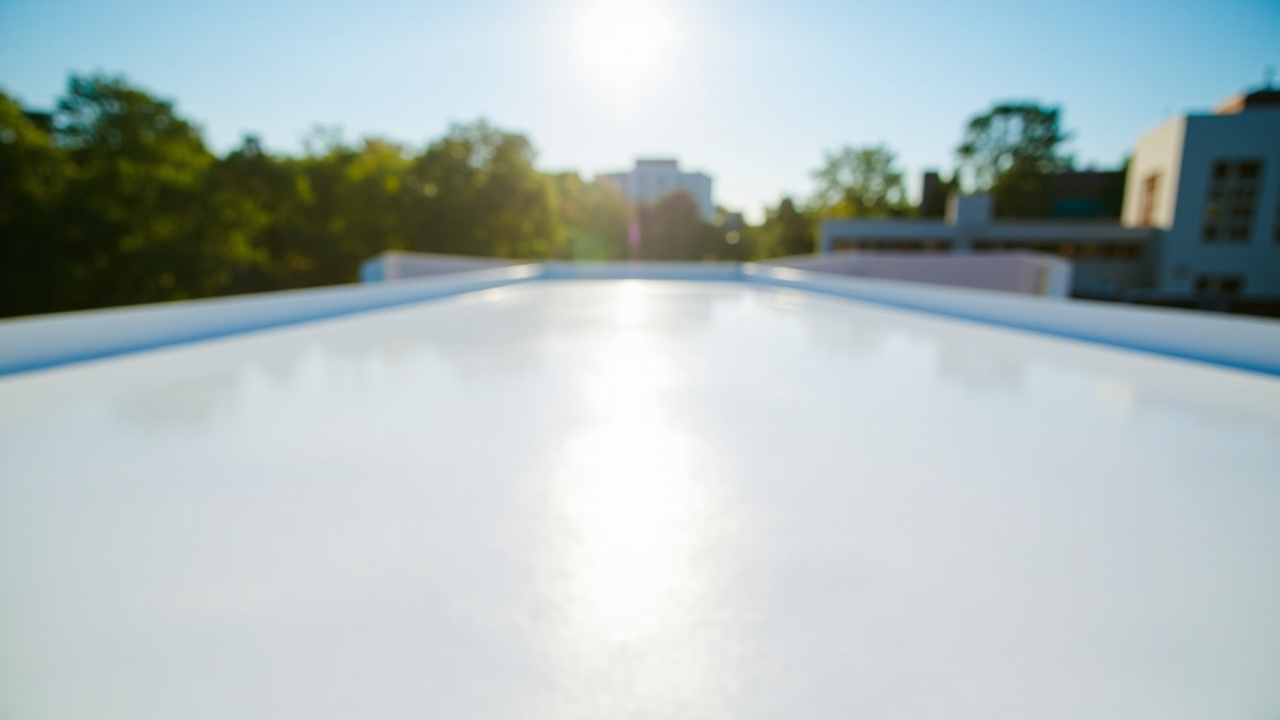
Standard asphalt shingles have a solar reflectance around 0.05 to 0.15, meaning they absorb 85 to 95 percent of incoming solar energy. Cool roof shingles using reflective granules achieve solar reflectance values of 0.25 to 0.40, reflecting up to 40 percent of solar radiation. White membrane roofing systems on flat or low-slope applications can reach reflectance values above 0.70.

The cool roof pros become evident when examining heat transfer pathways. Radiant heat absorbed by your roof deck conducts through structural members into attic space. From there, it radiates down through insulation batts and drywall into living areas. Reducing the initial heat absorption at the roof surface stops this cascade before it starts.

We install cool roofing products that meet Energy Star certification standards, which require minimum solar reflectance values based on roof slope. Steep-slope products need initial reflectance of 0.25 and aged reflectance of 0.15 after three years of weathering. Low-slope products require 0.65 initial and 0.50 aged reflectance.

Material selection matters for Washington's climate. Granule-surfaced cool shingles work well on residential pitched roofs common in Forest Hills and Chevy Chase. Single-ply TPO or PVC membranes perform better on flat commercial applications in downtown business districts. Each material type delivers different reflectance values and requires specific installation techniques to maintain performance ratings.

What Happens During Your Cool Roof Evaluation and Installation

Benefits of Cool Roofs in Washington, D.C. – Cut Summer Cooling Costs by Up to 30% While Protecting Your Home
01

Thermal Performance Assessment

We measure your current attic temperature, check insulation R-values, and document existing roof reflectance using calibrated instruments. This baseline data establishes your current thermal load and projects potential cooling savings. We inspect ventilation adequacy because proper airflow works with reflective surfaces to maximize heat rejection. We also review your utility bills to calculate current cooling costs and estimate post-installation reductions.
02

Material Selection and Specification

We specify cool roofing products based on your roof geometry, substrate condition, and performance goals. Steep residential roofs receive cool shingles with certified reflectance ratings and color options that maintain curb appeal. Low-slope applications get white TPO or PVC membranes with heat-welded seams for waterproof integrity. We calculate solar reflectance index values to verify Energy Star compliance and potential utility rebate eligibility, which Pepco and Washington Gas sometimes offer.
03

Installation and Performance Verification

Installation follows manufacturer specifications to preserve reflectance ratings and material warranties. We install proper underlayment, maintain ventilation pathways, and ensure flashing details prevent thermal bridging. After completion, we conduct post-installation attic temperature monitoring during peak sun hours to document performance improvements. You receive documentation showing solar reflectance index values, Energy Star certification, and projected annual cooling savings based on your specific building characteristics and local climate data.

Why Local Expertise Matters for Cool Roofing Performance

Cool roofing delivers maximum benefits when properly integrated with Washington's specific building stock and climate patterns. The District's housing includes everything from Victorian rowhouses in Logan Circle to mid-century ramblers in Brookland. Each architectural style presents different roof geometries, ventilation configurations, and thermal performance challenges.

Historic district regulations add another layer of complexity. Properties in Georgetown, Capitol Hill, and other designated areas face design review requirements that restrict color choices and material visibility. We work within Historic Preservation Review Board guidelines to specify cool roofing products that meet reflectance standards while satisfying aesthetic requirements. Some manufacturers offer cool shingles in darker colors using specially engineered granules that reflect infrared radiation while maintaining traditional appearance.

Washington's building codes now reference International Energy Conservation Code provisions that encourage cool roofing in commercial applications. Understanding these requirements helps you avoid compliance issues during permitting and ensures your installation qualifies for any available energy efficiency incentives.

Local climate data matters for accurate savings projections. Washington averages 39 days above 90 degrees annually, with peak cooling loads occurring June through August. We use National Weather Service data from Reagan National to calculate cooling degree days and model your specific savings potential. Generic calculations based on regional averages often overestimate or underestimate actual performance.

Ace Roofing Washington DC has installed cool roofing systems across every Ward in the District. We understand how afternoon sun exposure affects south-facing slopes in Petworth, how tree canopy in Wesley Heights provides natural shading that changes the cost-benefit equation, and how flat roofs on commercial buildings along K Street perform under sustained solar loading. That neighborhood-level knowledge translates to better material selection and more accurate performance predictions.

What to Expect from Your Cool Roofing Project

Project Timeline and Scheduling

Initial assessment takes two to three hours including attic inspection, thermal measurements, and roof condition evaluation. We provide written findings within 48 hours with material recommendations and savings projections. Installation scheduling depends on roof size and complexity. Most residential projects take two to four days. Commercial flat roof applications require longer timelines based on square footage. We coordinate with building occupants to minimize disruption and schedule work during favorable weather windows. Spring and fall offer ideal installation conditions with moderate temperatures and lower precipitation probability.

Performance Analysis and Documentation

We measure baseline attic temperatures before installation and compare them to post-installation readings taken during similar weather conditions. You receive a performance report documenting solar reflectance index values, Energy Star compliance certification, and calculated cooling load reduction. This documentation supports utility rebate applications where available. We explain how to monitor your own energy usage to track actual savings over your first cooling season. Most clients see measurable air conditioning runtime reductions within the first month of hot weather.

Measurable Results and Efficiency Gains

Cool roofing typically reduces peak attic temperatures by 40 to 60 degrees compared to dark conventional roofing. This translates to 10 to 15 percent reductions in cooling energy use for well-insulated homes and up to 30 percent savings in buildings with marginal insulation. Surface temperature reductions also slow thermal aging of roofing materials, potentially extending service life by 20 to 30 percent. You get both immediate operational savings and long-term asset preservation. The return on investment improves each year as energy costs rise and your roof continues performing beyond typical replacement timelines.

Maintenance and Long-Term Performance

Cool roofing requires minimal specialized maintenance beyond standard roof care. We recommend annual inspections to check for debris accumulation, which can reduce reflectance if organic matter stains light-colored surfaces. Pressure washing every three to five years restores reflectance on membrane roofing systems. Granule-surfaced shingles maintain performance through weathering without intervention. We provide maintenance guidelines specific to your installed material type. Most cool roofing products carry manufacturer warranties covering material defects and reflectance degradation beyond specified minimums. Proper maintenance ensures you maintain Energy Star compliance throughout the roof's service life.

Frequently Asked Questions

You Have Questions,
We Have Answers

What are the benefits of a cool roof? +

Cool roofs reflect more sunlight and absorb less heat than standard roofs. In Washington, D.C., where summer temperatures spike into the 90s and humidity compounds heat stress, cool roofs lower indoor temperatures by 10 to 15 degrees. This cuts air conditioning costs by 15 to 40 percent. They reduce urban heat island effects in dense neighborhoods like Capitol Hill and Dupont Circle. Cool roofs extend roof lifespan by reducing thermal expansion and contraction. They also lower peak electricity demand, which helps the regional grid during summer strain and reduces your carbon footprint.

What are the cons of a cool roof? +

Cool roofs can increase heating costs during Washington, D.C.'s cold winters. By reflecting sunlight year-round, they reduce passive solar heat gain when you need it most. This trade-off matters less in mixed climates like D.C., where cooling demand outweighs heating demand. Cool roofs may show dirt and algae more visibly on lighter surfaces, requiring periodic cleaning. Upfront material costs can run higher than standard asphalt shingles. In shaded areas or buildings with minimal cooling needs, the energy savings may not justify the investment. Always evaluate your building's specific exposure and HVAC usage before committing.

What are the benefits of a cold roof? +

A cold roof, also called a ventilated roof, uses an air gap between the roof deck and insulation to prevent heat buildup. This design allows airflow to carry away heat, keeping attic spaces cooler. In Washington, D.C.'s humid summers, cold roofs reduce condensation risk and prevent moisture damage in attics. They lower cooling loads, cutting energy bills. Cold roofs extend shingle lifespan by minimizing thermal stress. They also prevent ice dams during freeze-thaw cycles common in D.C. winters. Combined with proper insulation, cold roofs improve comfort, reduce mold risk, and protect roof structures from premature deterioration.

How long do cool roofs last? +

Cool roofs last 20 to 50 years, depending on material type and installation quality. Reflective coatings on flat roofs typically last 10 to 20 years before reapplication is needed. Cool asphalt shingles last 25 to 30 years. Metal cool roofs can last 40 to 50 years. In Washington, D.C., roof longevity depends on maintenance, storm exposure, and humidity levels. Regular inspections and cleaning extend lifespan by preventing algae growth and debris buildup. High-quality installation by experienced contractors, proper flashing details, and adequate ventilation all contribute to durability in the D.C. climate.

How to keep a house cool in 100 degree weather? +

Install a cool roof or apply reflective coatings to reduce heat absorption. Close blinds and curtains on south and west-facing windows during peak sun hours. Run ceiling fans counterclockwise to push cool air down. Seal air leaks around windows, doors, and attic hatches to prevent hot air infiltration. Use exhaust fans in kitchens and bathrooms to remove heat and humidity. Set your thermostat to 78 degrees and use a programmable schedule. In Washington, D.C., high humidity makes 100-degree days feel worse, so dehumidifiers help. Plant shade trees on the west side of your home for long-term cooling benefits.

Why are people getting rid of their solar panels? +

Some homeowners remove solar panels due to roof replacement needs. Panels must be uninstalled and reinstalled, adding thousands to the project cost. Others face underperforming systems due to shading from trees or neighboring buildings. Outdated inverters or failed warranties leave owners with expensive repairs. In Washington, D.C., row homes and historic districts may have limited roof access or restrictions that reduce solar efficiency. Some buyers inherit leased panels with unfavorable terms and opt to buy out or remove the system. Technology improvements also drive upgrades, though this is less common than roof-related removals.

What is the 33% rule in solar panels? +

The 33 percent rule states that solar panels lose roughly 33 percent of their efficiency when shaded by even a small obstruction. Because panels are wired in series, one shaded cell can drag down the entire string's output. In Washington, D.C., where row homes, mature trees, and tall buildings create shading challenges, placement is critical. East-facing and west-facing orientations may perform better than south-facing roofs with partial shade. Microinverters and power optimizers can mitigate losses by isolating each panel's output. Proper site assessment before installation prevents disappointment and maximizes return on investment.

What are the problems with cold roofs? +

Cold roofs can create condensation issues if ventilation is inadequate. Moist air from inside the home can reach cold surfaces in the attic, leading to mold, wood rot, and insulation damage. In Washington, D.C., where humidity averages 60 to 70 percent, proper vapor barriers and ventilation are essential. Cold roofs require careful detailing at eaves, ridges, and penetrations to maintain airflow. Poorly installed systems may trap moisture or reduce insulation effectiveness. If attic insulation is insufficient, cold roofs alone will not prevent energy loss. Always pair cold roof design with adequate insulation and balanced intake and exhaust ventilation.

What is the cool roof Rebate Act? +

The Cool Roof Rebate Act, introduced in Congress, proposes tax credits for property owners who install qualifying cool roofing materials. The legislation aims to reduce energy consumption, lower cooling costs, and combat urban heat islands. Rebates would cover a percentage of material and installation costs for reflective roofing products that meet Energy Star standards. In Washington, D.C., where summer heat drives high electricity demand, the Act could incentivize widespread adoption. As of now, the bill has not passed. Check with local utilities and the D.C. Sustainable Energy Utility for existing rebates or incentives available to District residents.

How much does a cool roof cost? +

Cool roof costs depend on material type, roof size, and complexity. Reflective coatings for flat roofs range from two to four dollars per square foot. Cool asphalt shingles cost slightly more than standard shingles, adding 10 to 20 percent to material costs. Metal cool roofs are the most expensive option but offer the longest lifespan. In Washington, D.C., labor costs reflect the local market and roof access challenges in row homes and historic districts. Total project costs vary widely based on roof condition, removal needs, and permit requirements. Energy savings often recover the upfront investment within five to ten years.

How Washington's Urban Heat Island Amplifies Cool Roof Energy Savings

Washington's dense urban core creates a heat island effect that elevates ambient temperatures 5 to 10 degrees above surrounding suburbs during summer evenings. Dark roofing surfaces across thousands of buildings absorb solar radiation during the day and release it slowly after sunset, preventing overnight cooling. This trapped heat keeps air conditioning systems running longer into evening hours when electricity demand peaks and utility rates often increase. Cool roofing breaks this cycle by rejecting heat during the day instead of storing it. The compound effect of widespread cool roof adoption could lower neighborhood temperatures across downtown wards, reducing everyone's cooling burden while improving outdoor comfort in areas like Penn Quarter and Navy Yard where hardscape dominates.

District building codes increasingly reference energy efficiency standards that favor cool roofing technology. The Department of Energy and Environment promotes cool roof installation through technical guidance and occasional rebate programs tied to Sustainable DC initiatives. Working with contractors who understand these local policy frameworks ensures your project meets current requirements and positions you for future incentive programs. Ace Roofing Washington DC stays current with DCRA permit requirements and DOEE energy programs, streamlining approval processes and maximizing available benefits. Our familiarity with District inspection protocols prevents delays and ensures your cool roofing installation satisfies all regulatory requirements while delivering the thermal performance you expect.
Roofing Services in The Washington DC Area

We are proud to serve the entire Washington DC metropolitan area, including all surrounding neighborhoods and communities. Our central location allows us to dispatch our expert teams quickly for emergency repairs or scheduled consultations. Whether you're in Dupont Circle, Georgetown, Capitol Hill, or beyond, we bring premier, trustworthy roofing services directly to your doorstep. View our service area map below to confirm we cover your specific location and then call us to get started on your project.

Address:
Ace Roofing Washington DC, 20 F St NW, Washington, DC, 20001

Additional Services We Offer

Our news updates

Latest Articles & News from The Blogs

How Poor Roof Drainage Can Ruin Your Landscaping in Cathedral Heights Heavy rainstorms in Washington DC create serious challenges for…

How Poor Roof Drainage Can Ruin Your Landscaping in Cathedral Heights

How Poor Roof Drainage Can Ruin Your Landscaping in Cathedral Heights Heavy rainstorms in Washington DC create serious challenges for…

Why You Should Never Install a New Roof Over Your Old Shingles in Hill East

Why Roof Overlays Are a Short-Term Gamble in Hill East Homeowners in Hill East often face a choice when their…

A Homeowner Guide to Comparing Different Roofing Quotes in Washington DC

A Homeowner Guide to Comparing Different Roofing Quotes in Washington DC Getting multiple roofing quotes in Washington DC can feel…

Contact Us

Find out exactly how much you could save with cool roofing technology. Call (771) 240-3300 today to schedule your no-cost thermal performance evaluation. We will measure your current attic temperatures, calculate your potential savings, and provide detailed recommendations within 48 hours.