menu

Emergency Flat Roof Patching in Washington, D.C. – 24/7 Dispatch Stops Leaks Fast

When your flat roof fails, water damage spreads fast. Our emergency flat roof patching crews reach Washington, D.C. properties within hours to stop leaks, protect your building, and prevent costly interior damage.

Slider Image 1
Slider Image 2
Slider Image 3
Slider Image 4
Slider Image 5
Slider Image 7
Slider Image 8
Slider Image 9
Slider Image 10
Slider Image 11

Flat Roof Leaks Demand Immediate Action in Washington, D.C.

A flat roof leak does not wait for business hours. Water pooling on your flat roof membrane after a storm can quickly breach the protective layers and flood your building. In Washington, D.C., where summer thunderstorms dump heavy rain in short bursts and winter freeze-thaw cycles stress roofing materials, flat roof failures happen without warning.

The moment you spot water stains on your ceiling or puddles inside your building, damage is already spreading. Water seeps through insulation, ruins drywall, destroys inventory, and threatens electrical systems. Each passing hour increases the repair bill and expands the affected area.

You need urgent flat roof leak repair that stops the intrusion immediately. Same day flat roof repair is not optional when your business faces shutdown or your home faces structural damage. 24/7 flat roof patching service exists for this exact reason: to contain the problem before it becomes catastrophic.

Commercial buildings in the Capitol Hill and Shaw neighborhoods face unique risks. Flat roofs on older warehouse conversions and row houses lack proper drainage, creating ponding water that accelerates membrane failure. When these systems fail, you need immediate flat roof leak fix before water compromises the entire building envelope.

Emergency flat roof repair requires more than slapping on a tarp. You need technicians who understand membrane systems, flashing details, and proper patching techniques that hold up under Washington, D.C.'s weather extremes. Temporary fixes fail quickly, leaving you vulnerable to the next storm.

Flat Roof Leaks Demand Immediate Action in Washington, D.C.
Our Emergency Flat Roof Patching Protocol

Our Emergency Flat Roof Patching Protocol

When you call for emergency flat roof patching, we deploy a two-person crew equipped with professional-grade patching materials, not hardware store quick-fixes. Our trucks carry EPDM rubber patches, TPO welding equipment, modified bitumen compounds, and emergency flashing materials for immediate repairs.

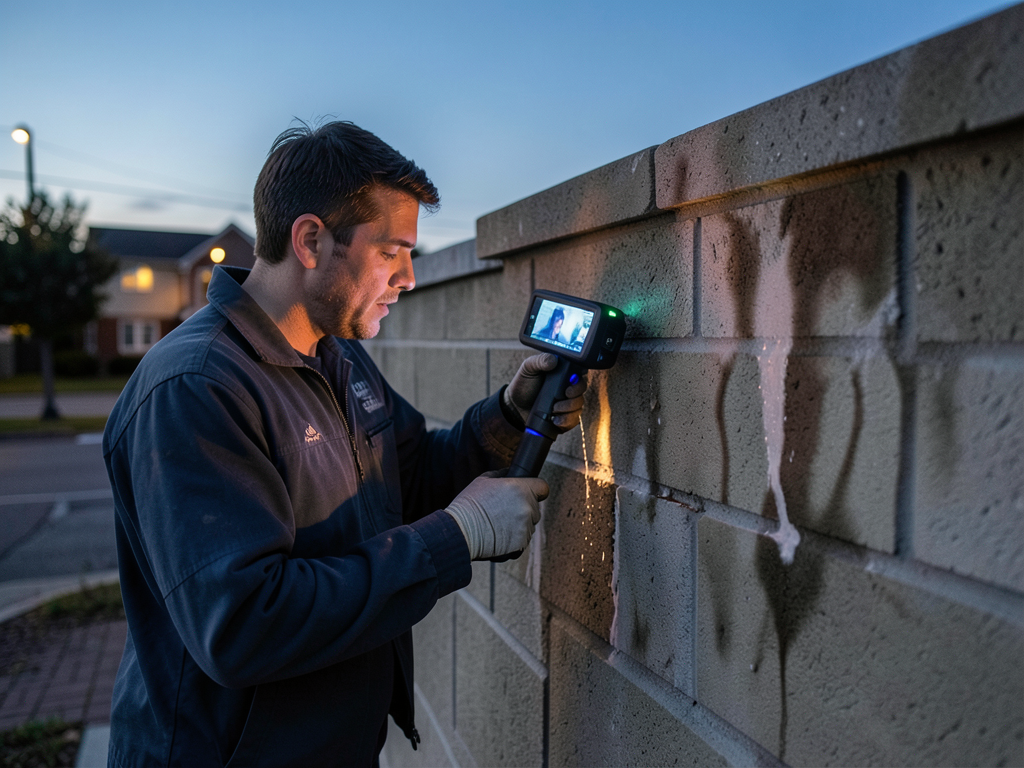
We start with rapid leak isolation. Using moisture meters and thermal imaging cameras, we pinpoint the exact breach point, not just the visible water stain inside. Flat roof leaks travel horizontally between membrane layers before dripping through, so the interior damage location rarely matches the roof failure point.

Once we locate the breach, we assess the surrounding membrane. A single puncture might indicate broader problems. We check for ponding water, compromised seams, deteriorated flashing, and failing penetration boots. If your roof shows multiple weak points, we patch all vulnerable areas to prevent secondary failures.

Our patching technique depends on your roof system. For EPDM roofs, we use vulcanizing adhesive and reinforced rubber patches that bond at the molecular level. TPO roofs require heat welding to create watertight seams. Modified bitumen systems need torch-applied patches or cold adhesive compounds, depending on conditions.

We never patch over wet surfaces. Even in emergencies, we use propane torches or heat guns to dry the repair area completely. Moisture trapped under patches causes premature failure. We also extend patches six inches beyond the damaged area and seal all edges with compatible sealants.

For Washington, D.C. buildings with parapet walls, we inspect coping caps and through-wall flashing during emergency calls. These failure points often cause leaks misdiagnosed as membrane problems. Addressing the actual source prevents callback visits and additional damage.

What Happens When You Call for Emergency Patching

Emergency Flat Roof Patching in Washington, D.C. – 24/7 Dispatch Stops Leaks Fast
01

Immediate Dispatch and Assessment

You reach our emergency line any time, day or night. We dispatch a crew within the hour and provide an accurate arrival window. While en route, we ask targeted questions about your leak location, roof type, and building access to bring the right materials. Upon arrival, we perform a rapid roof inspection using professional detection equipment to locate the breach point and assess damage extent before starting repairs.
02

Professional Leak Containment

We execute the emergency patch using commercial-grade materials matched to your specific roof membrane. The repair area is cleaned, dried, and prepped according to manufacturer specifications. We apply patches that extend well beyond the damaged zone and create redundant waterproof seals. For severe damage, we install temporary waterproof barriers while preparing a permanent repair plan. All work meets building code requirements for emergency repairs.
03

Documentation and Next Steps

Before leaving, we document all repairs with photos and written reports your insurance company needs. We explain exactly what we patched and why, and provide a clear assessment of your roof's remaining lifespan. You receive a detailed estimate for any additional repairs we discovered. We schedule a follow-up inspection after the next significant rain event to verify the patch holds and catch any secondary issues early.

Why Washington, D.C. Properties Trust Ace Roofing Washington DC for Emergency Flat Roof Repairs

Emergency roofing calls reveal who knows flat roof systems and who just owns a ladder. Ace Roofing Washington DC specializes in the flat roof assemblies common to Washington, D.C. commercial buildings and residential row houses. We have patched hundreds of EPDM, TPO, and modified bitumen roofs throughout Petworth, Columbia Heights, and Trinidad neighborhoods where flat roofs dominate the building stock.

We understand how Washington, D.C.'s climate attacks flat roofs. Summer heat causes membrane expansion that stresses seams. Winter cold makes materials brittle and prone to cracking. Spring and fall temperature swings create condensation problems inside roof assemblies. Our emergency patches account for these thermal movement patterns, preventing premature failure.

Our crews carry commercial inventory on every truck. We stock multiple membrane types, various flashing materials, and professional-grade adhesives that create permanent bonds. You will not get a temporary tarp weighed down with bricks. You get a properly executed patch that stops water intrusion immediately and buys time for comprehensive repairs.

We know Washington, D.C. building codes for emergency roof repairs and historic district requirements that affect properties in Georgetown, Capitol Hill, and other protected areas. If your building requires architectural review board approval for permanent repairs, we execute emergency patches that comply with preservation standards while protecting your property.

Response time matters during roof emergencies. We maintain crews on call around the clock because flat roof leaks do not respect business hours. When you call our emergency line, you reach a roofing professional who dispatches help immediately, not an answering service that takes messages.

What to Expect from Our Emergency Flat Roof Patching Service

Rapid Response Time

Emergency flat roof patching begins the moment you call. We dispatch crews within 60 minutes and provide real-time arrival updates. Most Washington, D.C. emergency calls receive on-site response within two to three hours, depending on your location and current weather conditions. We prioritize active leaks causing interior damage over slower developing problems. Night and weekend calls receive the same rapid response as weekday emergencies. Our goal is stopping water intrusion before it destroys more of your property.

Thorough Damage Assessment

Emergency calls include complete flat roof inspection, not just patching the obvious hole. We use moisture meters to detect hidden water saturation in insulation layers that indicates larger problems. Thermal imaging cameras reveal temperature differentials that point to compromised areas invisible from the surface. You receive a written assessment documenting all findings, including problems we discovered beyond the immediate leak. This comprehensive evaluation helps you make informed decisions about additional repairs and prevents surprise failures after we leave.

Professional-Grade Repairs

Every emergency patch meets the same quality standards as scheduled repairs. We use manufacturer-approved materials compatible with your existing roof membrane. Patches are properly sized, adequately sealed, and installed according to technical specifications. The repair stops water intrusion immediately and holds up through multiple weather cycles while you plan permanent repairs. We never use generic sealants, duct tape, or other temporary materials that fail quickly. You get commercial-quality patching that protects your building until comprehensive repairs can be scheduled.

Clear Next-Step Guidance

Emergency patching is immediate crisis management, not always the permanent solution. We provide clear documentation of what we repaired and honest assessment of your roof's overall condition. You receive a detailed estimate for any additional work needed, with prioritization based on urgency and risk. We explain what the emergency patch will and will not accomplish, and how long you can expect it to perform. Insurance documentation is included with every emergency call. Follow-up appointments are scheduled before we leave your property.

Frequently Asked Questions

You Have Questions,
We Have Answers

How to temporarily patch a flat roof? +

Clean the damaged area and remove all debris, dirt, and loose material. Cut away any blistered or damaged membrane. Apply roofing cement with a trowel, extending it 6 inches beyond the damaged section. Press a patch of EPDM rubber or rolled roofing into the cement, ensuring no air bubbles remain. Apply another layer of cement over the patch, sealing all edges. This works for Washington, D.C. row homes experiencing storm damage. Remember, this is temporary. You need a professional inspection within 24 hours to prevent water infiltration into your structure, especially during our humid summers when moisture accelerates rot.

How to repair a flat roof without replacing it? +

You can repair a flat roof through several methods without full replacement. Recoat the entire surface with elastomeric coating or acrylic sealant to restore waterproofing. Patch isolated damage with EPDM patches and roofing cement. Re-seal all seams, flashings, and penetrations where most leaks originate. For aging membrane roofs common in Washington, D.C. commercial buildings, spray foam can add insulation and waterproofing over existing material. These repairs work if structural decking remains sound. A qualified roofer should assess whether repair makes financial sense or if you are delaying an inevitable replacement on a failing system.

How to temporarily cover a flat roof? +

Use heavy-duty tarps rated for roofing applications, not hardware store utility tarps. Secure the tarp with 2x4 lumber boards around the perimeter, screwing through the boards into sound decking. Never rely on sandbags alone in Washington, D.C. wind conditions. Extend the tarp at least 4 feet beyond the damaged area on all sides. Overlap multiple tarps by 3 feet if needed. For emergency protection during our sudden thunderstorms, this buys you 24 to 72 hours. Schedule immediate professional assessment. Water entering your building causes exponential damage every hour, especially in historic Georgetown structures with plaster interiors.

What is the best way to repair a leaking flat roof? +

Identify the exact leak source first. Water travels along roof decking before dripping inside, so interior stains rarely indicate the true entry point. Clean the area thoroughly. For membrane roofs, use compatible patching materials: EPDM for rubber roofs, TPO for thermoplastic roofs. Apply primer, then adhesive, then patch material, rolling out all air pockets. Seal seams with lap sealant. For built-up roofing common in Washington, D.C. older buildings, cut out damaged sections and rebuild the layers with hot asphalt or cold adhesive. Always address flashing failures around roof penetrations, parapets, and drains where most flat roof leaks originate.

Does flex seal really work on roofs? +

Flex Seal works as a very temporary emergency stop-gap, not a professional repair solution. It may slow a small leak for days or weeks. It does not address underlying roof system failures. The product lacks the UV stability, flexibility, and adhesion of commercial roofing materials designed for Washington, D.C. temperature swings and weather exposure. You cannot apply Flex Seal over wet surfaces during active leaks. It will not bond to dirty, deteriorated membranes. Insurance adjusters and professional roofers will not accept it as a repair. Use it only to buy time until a qualified contractor arrives, typically within 24 hours for emergency response.

How can I temporarily cover a hole in my roof? +

Cut a piece of plywood or rigid foam board 12 inches larger than the hole on all sides. Secure it from the interior using 2x4 framing if accessible. From the exterior, cover the hole and surrounding area with self-adhesive roofing membrane or a heavy tarp. Use roofing cement around all edges. Weight it down with lumber, not bricks that can cause additional damage. For Washington, D.C. properties, this prevents further water intrusion during rainstorms while you arrange professional repair. Document all damage with photos for insurance before covering. Never climb on a compromised roof structure without safety equipment and proper assessment.

What is the average cost to repair a flat roof? +

Flat roof repairs in Washington, D.C. range widely based on damage extent, membrane type, and accessibility. Minor patching runs significantly less than extensive recoating or section replacement. TPO and EPDM repairs cost less than modified bitumen or built-up systems requiring hot asphalt. Commercial buildings with parapet walls and multiple penetrations increase labor complexity. Emergency repairs command premium rates but prevent catastrophic interior damage. Request written estimates from three licensed contractors. Verify they identify the root cause, not just symptoms. Cheap patches fail within months. Quality repairs using compatible materials and proper technique extend roof life by years, making them better investments.

Is flat roof repair covered by insurance? +

Insurance typically covers flat roof repairs resulting from sudden, accidental events like storm damage, falling trees, or vandalism. Policies exclude gradual deterioration, poor maintenance, and wear from age. Washington, D.C. properties must show the damage occurred during the policy period. Document everything with photos and timestamps. Contact your insurer immediately after discovering damage. Many policies require notification within 72 hours. An adjuster will inspect and determine coverage. Keep all receipts for emergency repairs to prevent further damage, which insurers usually reimburse. Review your policy for actual cash value versus replacement cost coverage, which significantly affects your payout amount.

Can I apply roof Maxx myself? +

Roof Maxx requires professional application with calibrated spray equipment. DIY application voids any product warranty and risks improper coverage. The soy-based treatment penetrates asphalt shingles to restore flexibility. It does not work on flat roofing membranes like EPDM, TPO, or modified bitumen common on Washington, D.C. commercial and residential flat roofs. Flat roofs need different rejuvenation methods specific to membrane type. Certified applicators assess whether your roof qualifies for treatment or needs replacement. Improper application wastes money and provides zero protection. For flat roof preservation, consult a commercial roofing contractor familiar with membrane-specific maintenance protocols.

Is rubber or felt better for a flat roof? +

Rubber EPDM outperforms traditional felt for flat roofs in Washington, D.C. climate conditions. EPDM lasts 20 to 30 years versus 10 to 15 for felt. It handles temperature extremes, UV exposure, and ponding water better. EPDM remains flexible in cold winters and resists cracking. Felt saturated with asphalt becomes brittle, deteriorates faster in humidity, and requires more frequent replacement. Modified bitumen combines felt backing with rubber polymers, offering middle-ground performance. TPO and PVC outperform both for commercial applications. Your choice depends on building type, budget, and long-term occupancy plans. Consult a licensed roofer to evaluate your specific structural requirements and drainage conditions.

Why Washington, D.C.'s Building Density Makes Emergency Flat Roof Patching Critical

Washington, D.C.'s row house architecture creates unique flat roof challenges. Shared parapet walls between properties mean a leak in your roof can damage your neighbor's building. The city's Height of Buildings Act limits vertical construction, making flat roofs the predominant system across residential and commercial properties. Summer thunderstorms deliver intense rainfall that overwhelms inadequate drainage systems common in older buildings. When flat roofs fail, water has nowhere to go except through your ceiling. Emergency flat roof leak repair prevents cascading damage that spreads rapidly through attached structures and historic buildings where water infiltration threatens irreplaceable architectural details.

Ace Roofing Washington DC understands the building systems that define Washington, D.C. architecture. We have repaired flat roofs on Federal-style row houses, mid-century commercial buildings, and modern mixed-use developments throughout all four quadrants. Our crews know how to access roofs in dense urban environments where crane access is impossible and material staging requires careful coordination. We understand Historic Preservation Review Board requirements for properties in protected districts, ensuring emergency repairs do not create compliance problems. When you need immediate flat roof leak fix, local expertise prevents mistakes that complicate permanent repairs.
Roofing Services in The Washington DC Area

We are proud to serve the entire Washington DC metropolitan area, including all surrounding neighborhoods and communities. Our central location allows us to dispatch our expert teams quickly for emergency repairs or scheduled consultations. Whether you're in Dupont Circle, Georgetown, Capitol Hill, or beyond, we bring premier, trustworthy roofing services directly to your doorstep. View our service area map below to confirm we cover your specific location and then call us to get started on your project.

Address:
Ace Roofing Washington DC, 20 F St NW, Washington, DC, 20001

Additional Services We Offer

Our news updates

Latest Articles & News from The Blogs

How Poor Roof Drainage Can Ruin Your Landscaping in Cathedral Heights Heavy rainstorms in Washington DC create serious challenges for…

How Poor Roof Drainage Can Ruin Your Landscaping in Cathedral Heights

How Poor Roof Drainage Can Ruin Your Landscaping in Cathedral Heights Heavy rainstorms in Washington DC create serious challenges for…

Why You Should Never Install a New Roof Over Your Old Shingles in Hill East

Why Roof Overlays Are a Short-Term Gamble in Hill East Homeowners in Hill East often face a choice when their…

A Homeowner Guide to Comparing Different Roofing Quotes in Washington DC

A Homeowner Guide to Comparing Different Roofing Quotes in Washington DC Getting multiple roofing quotes in Washington DC can feel…

Contact Us

Every minute counts when water pours through your roof. Call Ace Roofing Washington DC at (771) 240-3300 for immediate emergency flat roof patching. Our crews are standing by 24/7 to stop leaks and protect your Washington, D.C. property from further damage.