
Navigating Historic Preservation Roofing Rules in Dupont Circle
Dupont Circle’s historic rowhouses require specialized roofing knowledge to maintain architectural integrity while meeting DC’s strict preservation standards. The Historic Preservation Review Board (HPRB) enforces guidelines that protect the neighborhood’s character, making every roof replacement a regulated process. Understanding these rules prevents costly mistakes and ensures your project moves forward smoothly. DC Preservation League.
Homeowners in zip codes 20036, 20036, and 20036 face unique challenges when their roof reaches the end of its lifespan. The HPRB requires that any visible changes maintain the original design elements, from the slope of the roof to the type of flashing used around dormers and chimneys. This means asphalt shingles often cannot replace original slate or copper roofing, even if the budget suggests otherwise. Metal Roof vs Asphalt Shingles Cost.
Understanding HPRB Requirements for Dupont Circle
The HPRB reviews all exterior modifications to properties within historic districts. For roofing projects, this includes material selection, color matching, and installation methods. The board looks for evidence that proposed changes will not alter the building’s historic appearance from the public right-of-way. Roofing Rockville.
Key HPRB considerations include:
- Maintaining original roof pitch and configuration
- Using historically appropriate materials when visible from the street
- Preserving original architectural features like cornices and dormers
- Matching existing color palettes and textures
The application process requires detailed drawings, material samples, and sometimes physical mockups. Approval can take 4-6 weeks, and starting work without HPRB approval can result in stop-work orders and mandatory restoration to original conditions.
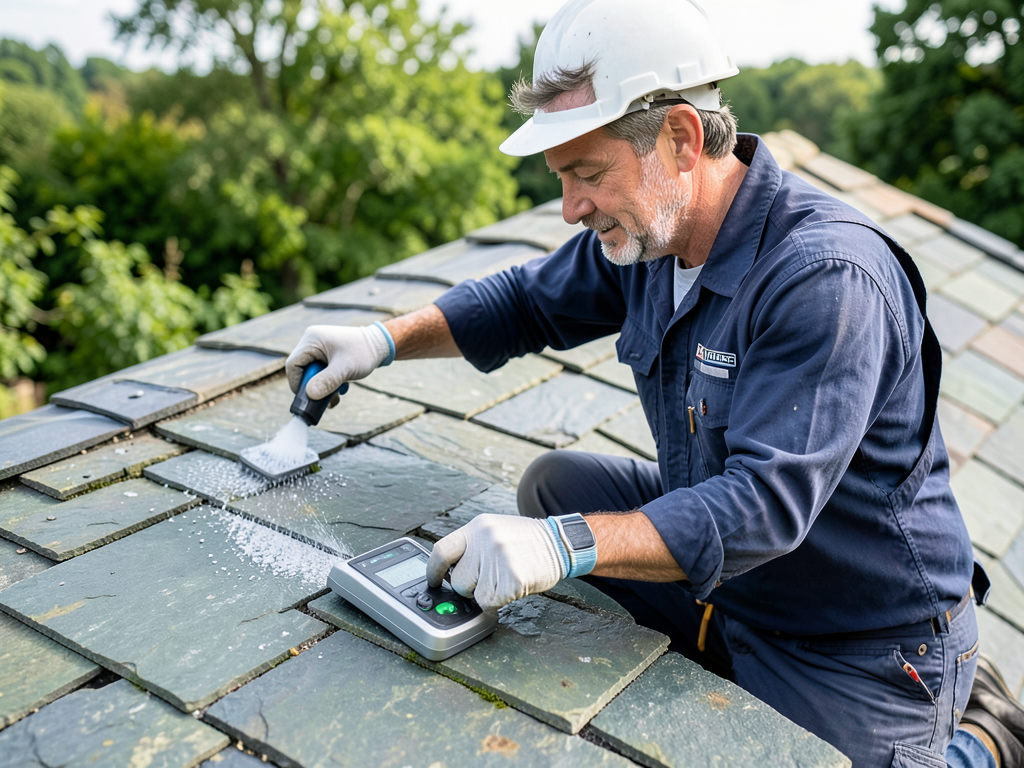
Image Description: Technician using a moisture meter to assess roof deck integrity beneath historic slate tiles, demonstrating diagnostic testing required before HPRB application submission.
Period-Accurate Materials for Historic Dupont Circle Homes
Dupont Circle’s architectural heritage demands specific roofing materials that match the neighborhood’s historic character. The most common original materials include slate, copper, and wood shakes, each requiring specialized installation techniques. Built-Up Roofing.
| Material | Historic Period | Key Characteristics | Modern Alternatives |
|---|---|---|---|
| Pennsylvania Black Slate | 1880-1930 | 100+ year lifespan, natural color variation | Architectural composite slate |
| Standing Seam Copper | 1890-1950 | Develops green patina, excellent durability | Lead-coated copper, painted copper |
| Western Red Cedar Shakes | 1900-1940 | Natural insulation, requires maintenance | Engineered wood composites |
Material selection affects both HPRB approval and long-term maintenance costs. Slate roofs, while expensive initially, often last 75-100 years with proper installation. Copper develops a distinctive green patina over 15-20 years that many preservationists prefer over painted alternatives.. Read more about Finding a Reliable Slate Roof Specialist in Georgetown.
The Dupont Circle Permit Process Timeline
Navigating DC’s historic preservation permit process requires patience and thorough documentation. The timeline from initial consultation to final inspection typically spans 8-12 weeks. DC Office of Planning Historic Preservation.
- Initial Assessment
Comprehensive roof inspection documenting existing conditions, material testing, and structural evaluation. This step identifies hidden damage and determines if the roof structure can support original materials.. Read more about Getting a Professional Roof Inspection Before Selling Your Foggy Bottom Property.
- HPRB Pre-Application Meeting
Meet with HPRB staff to discuss project scope and receive preliminary feedback. This meeting can identify potential issues before formal submission.
- Permit Application Submission
Submit detailed drawings, material specifications, and project narrative to HPRB. Include photographs of existing conditions and proposed material samples.
- HPRB Review Period
Board reviews applications at monthly meetings. Approval typically takes 30-45 days from submission date.
- DOB Permit Acquisition
After HPRB approval, obtain building permit from DC Department of Buildings. This process takes 2-3 weeks.
- Construction and Inspections
Complete roofing work with required inspections at key stages. Final inspection confirms compliance with approved plans. Roofing McLean.
Weather delays are common in Dupont Circle, particularly during winter months when snow and ice make roof work hazardous. Building in a 2-3 week buffer helps prevent timeline compression.
Common Historic Roofing Issues in Dupont Circle
Dupont Circle’s 100+ year old homes face specific roofing challenges that modern construction rarely encounters. Understanding these issues helps homeowners make informed decisions about repairs versus replacement. Roofing Manassas.
Box gutters represent one of the most problematic historic features. These built-in gutter systems, common in homes built before 1920, often deteriorate from the inside out. Water trapped behind failing paint or caulk can rot the roof deck without visible exterior signs.
Lead-coated copper flashing around chimneys and dormers typically lasts 50-70 years before requiring replacement. The lead coating protects the copper from rapid patina development but can develop cracks from thermal expansion and contraction.
Roof deck conditions vary significantly in historic homes. Original wood plank decks, common in homes built before 1940, may have hidden rot or termite damage. A thorough deck inspection using moisture meters at multiple depths prevents costly mid-project discoveries.
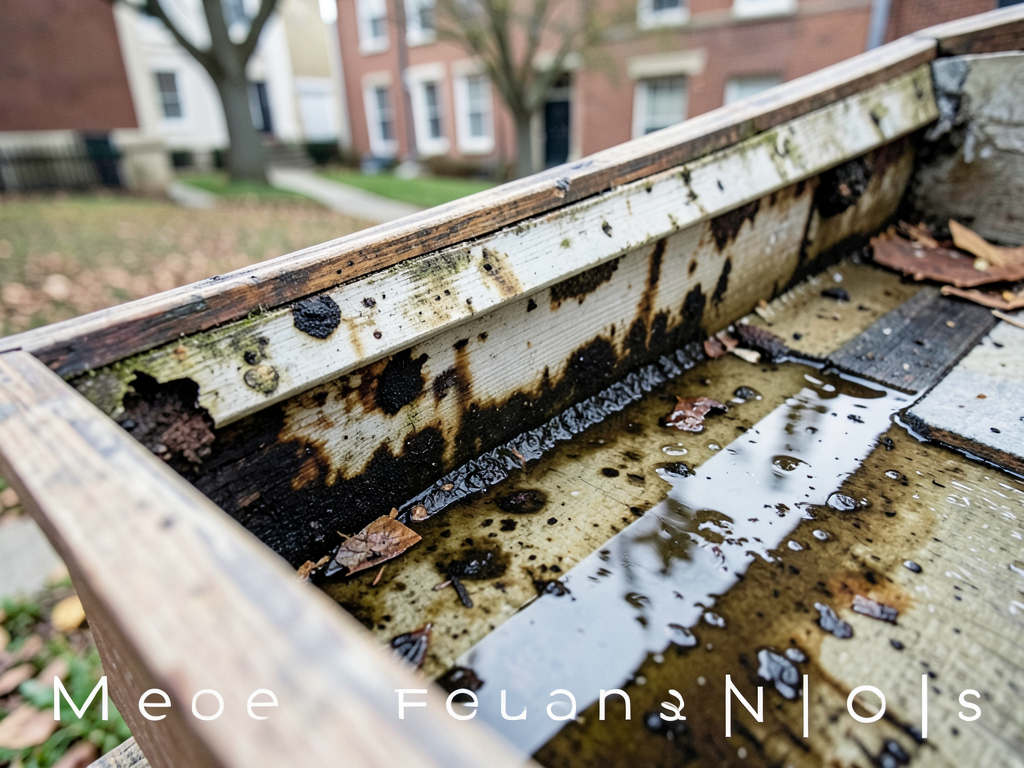
Image Description: Close-up of deteriorated box gutter interior showing water damage and rot, illustrating why moisture testing is critical before historic roof replacement.
Cost Factors for Historic Roof Preservation
Historic roof preservation costs in Dupont Circle typically run 40-60% higher than standard asphalt shingle replacement. Several factors drive these increased costs:
Specialized labor represents the largest cost factor. Roofers experienced with historic materials charge premium rates due to the precision required. Slate installation, for example, requires specific nailing patterns and headlap calculations that differ from modern roofing methods.. Read more about How to Find a Roofing Company That Handles Historic DC Architecture.
Material costs vary significantly by type. Salvaged slate from demolition sites can cost $8-12 per square foot installed, while new slate from Vermont quarries runs $15-25 per square foot. Copper roofing costs $25-40 per square foot installed, reflecting both material and labor complexity.
Structural reinforcement may be necessary when replacing lighter modern materials with original heavy slate or tile. This can add $3,000-8,000 to project costs depending on roof size and existing structure condition.
Maintaining Your Historic Roof After Installation
Proper maintenance extends the life of historic roofing materials and prevents costly emergency repairs. Annual inspections during fall help identify potential issues before winter weather causes damage.. Read more about Emergency Roof Repair Services for Homes in Adams Morgan and Mt Pleasant.
Key maintenance tasks include:
- Cleaning gutters and downspouts to prevent ice dam formation
- Checking flashing seals around chimneys and vents
- Inspecting for cracked or missing slate tiles
- Monitoring attic ventilation to prevent moisture buildup
Ice dam prevention is particularly important in Dupont Circle’s freeze-thaw climate. Proper attic insulation and ventilation prevents snow melt from refreezing at roof edges, which can force water under roofing materials.
Small repairs often prevent larger problems. Replacing a single cracked slate tile costs $50-100, while water damage from delayed repairs can cost thousands in structural repairs and interior damage.
Choosing the Right Contractor for Historic Preservation
Not all roofing contractors have the expertise required for historic preservation work. Look for contractors with specific experience in DC historic districts and verifiable references from similar projects.
Essential qualifications include:
- Experience with HPRB permit applications and approvals
- Knowledge of period-appropriate materials and installation methods
- Understanding of DC building codes and historic preservation standards
- Proper insurance coverage for historic properties
Request to see examples of completed historic projects and speak with past clients about their experience. A reputable contractor should provide detailed proposals outlining material specifications, installation methods, and permit requirements.
Communication is crucial throughout the process. Your contractor should explain technical decisions in understandable terms and keep you informed about permit status and project timeline changes.
Image Description: Before and after comparison of historic slate roof replacement showing matching color variation and preserved architectural details, demonstrating successful HPRB compliance.
Frequently Asked Questions
How long does the HPRB approval process take for roofing projects?
The HPRB review process typically takes 4-6 weeks from application submission to approval. This includes the monthly board meeting where your project will be reviewed. Additional time may be needed if the board requests modifications to your plans.
Can I use asphalt shingles on my historic Dupont Circle home?
Asphalt shingles are generally not approved for visible roof areas in historic districts unless they closely match the appearance of original materials. The HPRB typically requires period-appropriate materials like slate, wood shakes, or metal for visible roof surfaces.
What happens if I start roofing work without HPRB approval?
Starting work without HPRB approval can result in stop-work orders, fines, and mandatory restoration to original conditions. The HPRB has enforcement authority and can require you to remove non-compliant work at your expense.
Are there tax incentives for maintaining historic roofs?
Yes, the Federal Historic Preservation Tax Incentives program offers 20% tax credits for certified rehabilitation of historic buildings, including roof repairs that maintain historic character. DC also offers property tax abatements for certified historic preservation work.
How do I know if my roof contains asbestos?
Homes built before 1980 may contain asbestos in roofing materials. Professional testing is required to confirm presence. If asbestos is found, specialized removal procedures following EPA guidelines are mandatory.
Protect Your Dupont Circle Investment
Your historic Dupont Circle home represents a significant investment that requires specialized care to maintain its value and architectural integrity. The complex regulations governing historic preservation roofing demand expertise that goes beyond standard roofing knowledge.
Understanding HPRB requirements, selecting appropriate materials, and following proper permit procedures protects you from costly mistakes and ensures your roof replacement enhances rather than detracts from your home’s historic character.
Don’t risk your investment with inexperienced contractors or shortcuts that violate preservation guidelines. The right approach combines technical roofing expertise with deep knowledge of DC’s historic preservation requirements.. Read more about Choosing the Right Commercial Roofing Contractor Near the Navy Yard.
Call (771) 240-3300 today to schedule your historic roof assessment. Our team specializes in Dupont Circle’s unique preservation requirements and can guide you through every step of the process, from HPRB application to final inspection.
Pick up the phone and call (771) 240-3300 before the next storm hits. Your historic home deserves protection from contractors who understand both roofing technology and preservation law.
Ready to begin your historic roof preservation project? Contact us now to schedule your comprehensive assessment and take the first step toward protecting your Dupont Circle investment.
You may also find this helpful. Adding a Roof Deck to Your Bloomingdale Rowhouse (What You Need to Know First).
{
“@context”: “https://schema.org”,
“@type”: “BlogPosting”,
“headline”: “Navigating Historic Preservation Roofing Rules in Dupont Circle”,
“description”: “Learn Dupont Circle’s historic preservation roofing requirements. Understand HPRB guidelines, period-accurate materials, and the permit process for maintaining your DC rowhouse.”,
“wordCount”: 1599,
“datePublished”: “2026-02-19T07:14:00.000Z”,
“dateModified”: “2026-02-19T07:14:00.000Z”,
“inLanguage”: “en-US”,
“mainEntityOfPage”: {
“@type”: “WebPage”,
“@id”: “https://aceroofingwashingtondc.com”
},
“publisher”: {
“@type”: “LocalBusiness”,
“name”: “Ace Roofing Washington DC”,
“url”: “https://aceroofingwashingtondc.com”
},
“author”: {
“@type”: “Organization”,
“name”: “Ace Roofing Washington DC”,
“url”: “https://aceroofingwashingtondc.com”
},
“image”: {
“@type”: “ImageObject”,
“url”: “https://aceroofingwashingtondc.com/wp-content/uploads/2026/03/navigating-historic-preservation-roofing-rules-in-1.png”
}
}
{
“@context”: “https://schema.org”,
“@type”: “RoofingContractor”,
“name”: “Ace Roofing Washington DC”,
“url”: “https://aceroofingwashingtondc.com”,
“address”: {
“@type”: “PostalAddress”,
“addressLocality”: “Washington DC”
},
“areaServed”: {
“@type”: “City”,
“name”: “Washington DC”
}
}
{
“@context”: “https://schema.org”,
“@type”: “FAQPage”,
“mainEntity”: [
{
“@type”: “Question”,
“name”: “How long does the HPRB approval process take for roofing projects?”,
“acceptedAnswer”: {
“@type”: “Answer”,
“text”: “The HPRB review process typically takes 4-6 weeks from application submission to approval. This includes the monthly board meeting where your project will be reviewed. Additional time may be needed if the board requests modifications to your plans.”
}
},
{
“@type”: “Question”,
“name”: “Can I use asphalt shingles on my historic Dupont Circle home?”,
“acceptedAnswer”: {
“@type”: “Answer”,
“text”: “Asphalt shingles are generally not approved for visible roof areas in historic districts unless they closely match the appearance of original materials. The HPRB typically requires period-appropriate materials like slate, wood shakes, or metal for visible roof surfaces.”
}
},
{
“@type”: “Question”,
“name”: “What happens if I start roofing work without HPRB approval?”,
“acceptedAnswer”: {
“@type”: “Answer”,
“text”: “Starting work without HPRB approval can result in stop-work orders, fines, and mandatory restoration to original conditions. The HPRB has enforcement authority and can require you to remove non-compliant work at your expense.”
}
},
{
“@type”: “Question”,
“name”: “Are there tax incentives for maintaining historic roofs?”,
“acceptedAnswer”: {
“@type”: “Answer”,
“text”: “Yes, the Federal Historic Preservation Tax Incentives program offers 20% tax credits for certified rehabilitation of historic buildings, including roof repairs that maintain historic character. DC also offers property tax abatements for certified historic preservation work.”
}
},
{
“@type”: “Question”,
“name”: “How do I know if my roof contains asbestos?”,
“acceptedAnswer”: {
“@type”: “Answer”,
“text”: “Homes built before 1980 may contain asbestos in roofing materials. Professional testing is required to confirm presence. If asbestos is found, specialized removal procedures following EPA guidelines are mandatory.”
}
}
]
}
{
“@context”: “https://schema.org”,
“@type”: “HowTo”,
“name”: “Dupont Circle Historic Roof Permit Process”,
“step”: [
{
“@type”: “HowToStep”,
“position”: 1,
“name”: “Initial Assessment”,
“text”: “Comprehensive roof inspection documenting existing conditions, material testing, and structural evaluation. This step identifies hidden damage and determines if the roof structure can support original materials.”
},
{
“@type”: “HowToStep”,
“position”: 2,
“name”: “HPRB Pre-Application Meeting”,
“text”: “Meet with HPRB staff to discuss project scope and receive preliminary feedback. This meeting can identify potential issues before formal submission.”
},
{
“@type”: “HowToStep”,
“position”: 3,
“name”: “Permit Application Submission”,
“text”: “Submit detailed drawings, material specifications, and project narrative to HPRB. Include photographs of existing conditions and proposed material samples.”
},
{
“@type”: “HowToStep”,
“position”: 4,
“name”: “HPRB Review Period”,
“text”: “Board reviews applications at monthly meetings. Approval typically takes 30-45 days from submission date.”
},
{
“@type”: “HowToStep”,
“position”: 5,
“name”: “DOB Permit Acquisition”,
“text”: “After HPRB approval, obtain building permit from DC Department of Buildings. This process takes 2-3 weeks.”
},
{
“@type”: “HowToStep”,
“position”: 6,
“name”: “Construction and Inspections”,
“text”: “Complete roofing work with required inspections at key stages. Final inspection confirms compliance with approved plans. Roofing McLean.”
}
],
“image”: “https://aceroofingwashingtondc.com/wp-content/uploads/2026/03/navigating-historic-preservation-roofing-rules-in-1.png”
}
{
“@context”: “https://schema.org”,
“@type”: “BreadcrumbList”,
“itemListElement”: [
{
“@type”: “ListItem”,
“position”: 1,
“name”: “Home”,
“item”: “https://aceroofingwashingtondc.com”
},
{
“@type”: “ListItem”,
“position”: 2,
“name”: “Blog”,
“item”: “https://aceroofingwashingtondc.com/blog”
},
{
“@type”: “ListItem”,
“position”: 3,
“name”: “Navigating Historic Preservation Roofing Rules in Dupont Circle”
}
]
}
{
“@context”: “https://schema.org”,
“@type”: “Service”,
“serviceType”: “Roofing”,
“provider”: {
“@type”: “LocalBusiness”,
“name”: “Ace Roofing Washington DC”,
“url”: “https://aceroofingwashingtondc.com”
},
“areaServed”: {
“@type”: “City”,
“name”: “Washington DC”
},
“description”: “Learn Dupont Circle’s historic preservation roofing requirements. Understand HPRB guidelines, period-accurate materials, and the permit process for maintaining your DC rowhouse.”
}