menu

Commercial Roof Coatings in Washington, D.C. – Minimize Downtime with Industrial-Grade Restoration Systems

Elastomeric roof coatings and liquid applied roofing systems extend asset life by 10-20 years while your operations continue uninterrupted across federal districts and commercial corridors.

Slider Image 1
Slider Image 2
Slider Image 3
Slider Image 4
Slider Image 5
Slider Image 7
Slider Image 8
Slider Image 9
Slider Image 10
Slider Image 11

Why Washington's Federal Buildings and Commercial Properties Demand Advanced Coating Systems

Washington's climate creates a perfect storm for commercial flat roof degradation. You face freeze-thaw cycles through January and February that crack membrane seams, followed by humid summers that trap moisture in roof assemblies. The result is ponding water, failed flashing, and thermal shock that reduces membrane life by 30 to 40 percent compared to drier climates.

Your facility cannot afford unplanned shutdowns. When a roof fails on a federal contractor building in Navy Yard or a data center in NoMa, you face lost revenue, tenant complaints, and potential code violations. Traditional tear-off replacements require weeks of downtime, dumpsters blocking loading docks, and disruption to climate-controlled environments below.

Commercial roof restoration systems solve this without the chaos. Industrial roof coatings create a monolithic, seamless barrier over existing membranes, eliminating the need for costly tear-offs. Elastomeric roof coatings flex with thermal expansion, resist ponding water, and reflect solar heat to reduce HVAC loads by 15 to 25 percent. Liquid applied roofing bonds directly to EPDM, TPO, or built-up roofing without removing what is already there.

You get an extended roof lifespan, improved energy efficiency, and zero operational interruption. The building stays occupied. Tenants stay comfortable. Your capital expenditure timeline shifts by a decade or more. For properties near Capitol Hill, Georgetown, or along the H Street Corridor, coating systems meet stringent energy codes while preserving architectural aesthetics required by historic district regulations.

Why Washington's Federal Buildings and Commercial Properties Demand Advanced Coating Systems
How Advanced Coating Systems Restore Commercial Roofs Without Replacement

How Advanced Coating Systems Restore Commercial Roofs Without Replacement

Commercial roof coatings work by creating a new weatherproof surface directly over your existing membrane. This is not paint. These are engineered polymers designed for ultraviolet resistance, thermal cycling, and waterproofing performance equal to or better than new membrane installations.

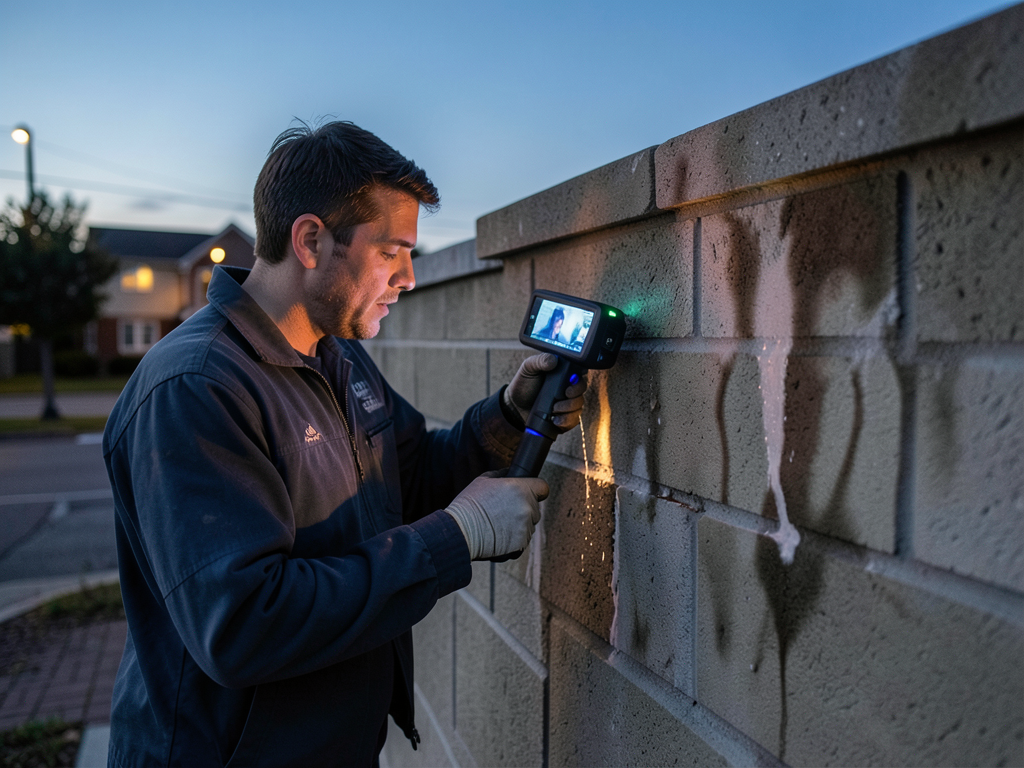
We start with a roof condition assessment using infrared thermography to locate trapped moisture in insulation layers. This non-invasive scan identifies wet areas that require targeted repair before coating application. You cannot coat over wet insulation. We remove compromised sections, install new cover board, and prepare the substrate for adhesion.

Next comes surface preparation. All dirt, biological growth, and loose granules get removed through power washing and mechanical cleaning. Seams, penetrations, and flashing details receive reinforcing fabric embedded in base coat to eliminate future leak points. This fabric-reinforced perimeter creates a watertight transition at parapet walls, HVAC curbs, and rooftop equipment.

The coating system goes down in multiple passes. Base coat saturates the existing membrane and provides adhesion. Mid coat builds mil thickness for waterproofing performance. Top coat delivers ultraviolet protection and solar reflectance. Each layer cures before the next application, ensuring proper film build and no delamination.

Elastomeric roof coatings remain flexible at temperatures from negative 40 to 180 degrees Fahrenheit. They bridge small cracks, accommodate building movement, and resist ponding water that would destroy traditional asphalt systems. Liquid applied roofing eliminates seams entirely, creating a monolithic barrier that cannot fail at lap joints like mechanically attached membranes.

What Happens During Your Commercial Coating Application

Commercial Roof Coatings in Washington, D.C. – Minimize Downtime with Industrial-Grade Restoration Systems
01

Roof Condition Analysis

We conduct infrared thermography scans and core samples to map moisture intrusion and assess substrate integrity. You receive a detailed report showing wet insulation areas, membrane condition, and remaining service life. This data determines if your roof qualifies for coating or requires targeted repairs first. No guesswork, no surprises after we start.
02

Surface Prep and Reinforcement

Power washing removes contaminants that prevent adhesion. We repair all penetrations, reseal curb flashing, and replace damaged membrane sections. Critical details get reinforced with polyester fabric embedded in base coat to create permanent waterproof transitions. Every seam, every pipe boot, every roof drain gets addressed before coating starts. This step determines long-term performance.
03

Multi-Layer Coating Application

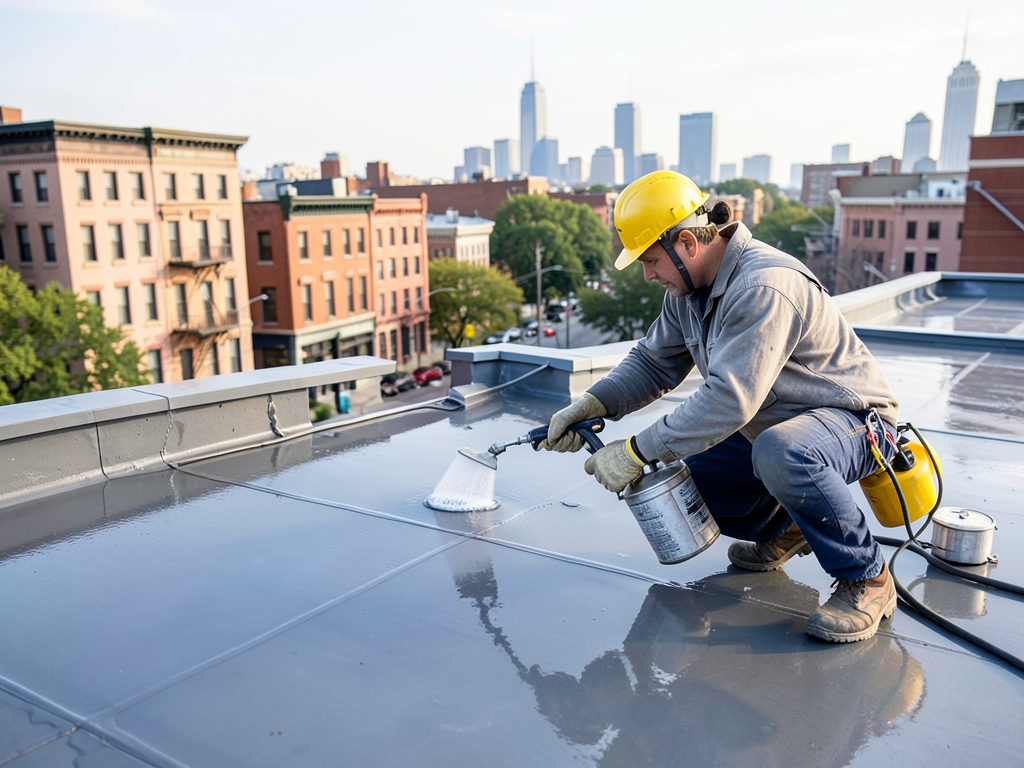
Industrial roof coatings go down in three passes using airless spray equipment for uniform mil thickness. Base coat bonds to substrate. Mid coat builds waterproof barrier. Top coat reflects solar radiation and protects against ultraviolet degradation. Each layer cures fully before the next application. You get a seamless, monolithic membrane with no weak points and measurable solar reflectance for energy code compliance.

Why Washington Facility Managers Choose Local Coating Specialists

Washington buildings face unique compliance requirements. Energy codes mandate solar reflectance indexes for flat roofs. Historic district regulations restrict visible alterations. Federal buildings require security clearances and background checks for contractor access. You need a roofing team that understands these constraints before they show up with equipment.

Ace Roofing Washington DC has completed coating projects on GSA properties, commercial office buildings in Dupont Circle, and industrial facilities in Ivy City. We know the permitting process for work in federal zones. We understand how to coordinate with building engineers to maintain HVAC performance during application. We have clearance protocols for secure facilities.

Local knowledge matters when weather disrupts your schedule. Summer thunderstorms roll through with little warning. We monitor conditions and adjust application timing to ensure proper cure before rain exposure. Coating systems require dry conditions and temperatures above 50 degrees for adhesion. We do not rush application to meet arbitrary deadlines if conditions are wrong.

You also get faster response when issues arise. A facility in Capitol Hill does not wait three days for an out-of-state contractor to mobilize. We stock coating materials locally and deploy crews within 24 hours for emergency repairs or warranty callbacks.

Commercial roof restoration systems require manufacturer certification and specific application training. Not every roofing crew qualifies. We maintain active certifications with major coating manufacturers, which means you get warranty coverage that transfers with property sales. That warranty protection adds measurable value during due diligence for commercial real estate transactions.

What Your Coating Project Includes

Project Timeline and Staging

Most commercial coating projects complete in five to ten business days depending on roof size and weather conditions. We work in phases to maintain building access and minimize disruption. Coating application happens during dry weather windows, typically between April and October in Washington. You receive a detailed schedule showing prep work, application days, and cure time before final inspection. We coordinate with your facility team to avoid conflicts with tenant operations or scheduled events.

Pre-Application Assessment Process

Every project starts with infrared thermography and core sampling to verify substrate condition. We provide a written report documenting moisture content, insulation R-value, and membrane integrity. You see exactly what repairs are necessary before coating begins. This assessment includes adhesion testing to confirm coating compatibility with your existing membrane. No project moves forward until we verify the roof qualifies for restoration and you understand the full scope.

Performance Specifications and Testing

Elastomeric roof coatings meet ASTM D6083 standards for tensile strength, elongation, and weathering resistance. We apply coatings to manufacturer specifications for mil thickness, typically 20 to 40 mils depending on system design. Final inspection includes mil thickness verification using electronic gauges and solar reflectance testing to confirm energy code compliance. You receive documentation showing coverage rates, cure verification, and warranty activation paperwork for your facility records.

Warranty Coverage and Maintenance Plans

Commercial roof restoration systems include manufacturer warranties covering material defects and waterproofing performance. Warranty terms range from 10 to 20 years depending on coating system and maintenance compliance. We provide annual inspection services to document roof condition and identify minor issues before they compromise warranty coverage. Regular maintenance extends coating life and protects your investment. Simple repairs like resealing penetrations or cleaning drains prevent premature failure and keep warranty protection active.

Frequently Asked Questions

You Have Questions,
We Have Answers

How much does commercial roof coating cost? +

Commercial roof coating costs vary based on roof size, substrate condition, coating type, and building height. Silicone and acrylic systems typically run less than elastomeric or polyurethane options. In Washington, D.C., expect cost factors to include membrane preparation, accessibility constraints in dense commercial districts, and potential Historic District compliance for properties near Capitol Hill or Georgetown. A 10,000-square-foot flat roof restoration will differ significantly from a 50,000-square-foot warehouse. Request a site assessment to account for existing damage, drainage issues, and the number of penetrations. Proper substrate prep directly impacts long-term ROI and warranty eligibility.

What type of roof coating is best? +

The best commercial roof coating depends on your substrate, exposure conditions, and budget constraints. Silicone coatings handle ponding water well, which matters for flat roofs common in D.C.'s commercial corridors. Acrylic coatings offer UV resistance and reflectivity, reducing cooling loads during humid summers. Polyurethane coatings provide superior impact resistance for roofs with foot traffic or mechanical equipment. Buildings near the Potomac River or Anacostia may benefit from moisture-resistant formulations. Your existing membrane type, whether TPO, EPDM, modified bitumen, or metal, determines compatibility. An onsite evaluation identifies the optimal system for your facility's operational demands.

What are the latest trends in commercial roofing? +

Commercial roofing trends focus on sustainability, energy efficiency, and extended service life. Cool roof coatings with high solar reflectance index ratings reduce urban heat island effects and lower HVAC costs in dense metros like Washington, D.C. Fluid-applied systems that restore aging membranes without tear-offs minimize waste and business disruption. Silicone formulations dominate due to moisture resistance and minimal maintenance requirements. Green roof integration and vegetative systems appear on mixed-use developments near Union Market and Navy Yard. Building owners prioritize lifecycle cost analysis over upfront pricing, targeting 15 to 20-year restoration cycles. Code compliance with D.C.'s energy benchmarking mandates drives material selection.

What are the disadvantages of roof coatings? +

Roof coatings require proper substrate preparation and compatible base materials to perform effectively. Existing membrane damage, inadequate drainage, or structural issues will not be solved by coating alone. Coatings add minimal thermal insulation compared to full reroofing systems. Application weather windows narrow during D.C.'s humid summers and cold winters, potentially delaying projects. Ponding water beyond 48 hours degrades most coating types over time. Foot traffic from HVAC maintenance can wear films prematurely without walkway pads. Coating warranties often require ongoing maintenance inspections, adding operational responsibilities. Misapplication or incorrect product selection voids manufacturer coverage and shortens lifespan, increasing total cost of ownership.

How many years does roof coating last? +

Commercial roof coatings last 10 to 20 years depending on product type, application quality, and maintenance protocols. Silicone coatings often reach 15 to 20 years due to superior weathering resistance and UV stability. Acrylic systems typically provide 10 to 15 years with periodic recoating extending life. Washington, D.C.'s climate stresses coatings through freeze-thaw cycles, summer heat, and humidity fluctuations. Buildings near transportation corridors experience accelerated wear from diesel particulates and exhaust. Regular inspections, debris removal, and minor repairs extend service intervals. Ponding water, foot traffic, and deferred maintenance reduce lifespan significantly. Warranty terms correlate directly with maintenance compliance and proper initial installation standards.

Can roofers make 100k a year? +

This question falls outside the scope of commercial roof coating services for building owners and facility managers. Income potential for roofing professionals varies based on experience, regional demand, and business structure. For Washington, D.C. property owners evaluating coating projects, focus on contractor qualifications, insurance coverage, and project references rather than individual earnings. Verify your contractor maintains proper licensure, workers compensation, and liability insurance. Request detailed proposals outlining scope, materials, warranties, and project timelines. Quality workmanship and accountability matter more than contractor revenue when protecting your building investment and minimizing business interruption during restoration work.

Which roof coating lasts the longest? +

Silicone roof coatings typically last longest among fluid-applied systems, often reaching 20 years with proper maintenance. Silicone resists ponding water, UV degradation, and extreme temperature swings common in Washington, D.C. The material does not break down from moisture exposure or reemulsify during rain events. Polyurethane coatings offer comparable durability but require topcoats for UV protection. Acrylic systems need recoating every 10 to 12 years to maintain performance. Longevity depends heavily on substrate condition, application thickness, and maintenance frequency. Buildings with aggressive HVAC maintenance schedules or rooftop equipment may see reduced lifespan regardless of coating chemistry. Request mil thickness specifications and maintenance requirements before selecting a system.

How much does Rhino RV roof coating cost? +

Rhino RV roof coating pricing applies to recreational vehicles, not commercial building applications. Commercial property owners in Washington, D.C. require industrial-grade elastomeric, silicone, or acrylic systems engineered for large-scale flat or low-slope roofs. RV products lack the performance specifications, fire ratings, and warranty structures needed for business facilities. Commercial coatings must meet building codes, wind uplift requirements, and often Historic District guidelines in older D.C. neighborhoods. Focus on products from manufacturers offering 10 to 20-year warranties with maintenance provisions. Request material data sheets showing ASTM testing, VOC compliance, and compatibility with your existing roof substrate for accurate project specifications.

Which is better, EPDM or TPO? +

EPDM and TPO serve different operational needs for commercial facilities. EPDM, a synthetic rubber membrane, handles temperature extremes well and resists ozone exposure near high-traffic corridors in Washington, D.C. TPO offers heat-welded seams and better reflectivity, reducing cooling costs during humid summers. EPDM costs less upfront but requires ballast or full adhesion. TPO provides superior wind uplift resistance for taller buildings exposed to Potomac River wind patterns. Both membranes accept compatible coating systems for restoration. Your building height, existing substrate, energy efficiency goals, and budget determine the optimal choice. Evaluate lifecycle costs rather than installation pricing alone for accurate ROI projections.

What is the 10/50/50 rule? +

The 10/50/50 rule refers to flat roof design parameters, not coating specifications. The guideline suggests roof surfaces should drain within 10 hours, with no more than 50 percent ponding at 48 hours, and zero standing water at 72 hours. This principle impacts coating performance in Washington, D.C., where summer storms and aging roof structures create drainage challenges. Coatings applied over poorly draining substrates fail prematurely regardless of material quality. Address structural deficiencies, add tapered insulation, or install additional drains before coating application. Proper slope and drainage extend coating life and prevent membrane degradation, protecting your investment and minimizing future repair costs.

How Washington's Federal District Regulations Impact Commercial Roof Coating Projects

Washington enforces strict energy codes requiring commercial roofs to meet minimum solar reflectance and thermal emittance values. Buildings within historic districts face additional scrutiny because roofing materials must maintain architectural character visible from street level. Elastomeric roof coatings solve both challenges by delivering high solar reflectance without altering roofline profiles or adding visible equipment. Properties near federal buildings also navigate security protocols that restrict contractor access and require background clearances for rooftop work. Liquid applied roofing systems minimize project duration, reducing the security coordination burden while meeting energy mandates.

Local building officials recognize coating systems as roof replacement alternatives under the International Building Code adopted by Washington. This classification allows coating projects to proceed under repair permits rather than full replacement permits, streamlining approval timelines. Facility managers across Navy Yard, NoMa, and Capitol Hill rely on contractors who understand these permitting nuances and maintain relationships with local inspectors. Choosing a Washington-based coating specialist means you avoid delays from contractors unfamiliar with district-specific requirements or federal property protocols that govern work near government facilities.
Roofing Services in The Washington DC Area

We are proud to serve the entire Washington DC metropolitan area, including all surrounding neighborhoods and communities. Our central location allows us to dispatch our expert teams quickly for emergency repairs or scheduled consultations. Whether you're in Dupont Circle, Georgetown, Capitol Hill, or beyond, we bring premier, trustworthy roofing services directly to your doorstep. View our service area map below to confirm we cover your specific location and then call us to get started on your project.

Address:
Ace Roofing Washington DC, 20 F St NW, Washington, DC, 20001

Additional Services We Offer

Our news updates

Latest Articles & News from The Blogs

How Poor Roof Drainage Can Ruin Your Landscaping in Cathedral Heights Heavy rainstorms in Washington DC create serious challenges for…

How Poor Roof Drainage Can Ruin Your Landscaping in Cathedral Heights

How Poor Roof Drainage Can Ruin Your Landscaping in Cathedral Heights Heavy rainstorms in Washington DC create serious challenges for…

Why You Should Never Install a New Roof Over Your Old Shingles in Hill East

Why Roof Overlays Are a Short-Term Gamble in Hill East Homeowners in Hill East often face a choice when their…

A Homeowner Guide to Comparing Different Roofing Quotes in Washington DC

A Homeowner Guide to Comparing Different Roofing Quotes in Washington DC Getting multiple roofing quotes in Washington DC can feel…

Contact Us

Schedule a roof condition assessment to determine if coating systems can eliminate your next capital expenditure. Call (771) 240-3300 to speak with a commercial roofing specialist who understands Washington building codes and federal facility requirements.