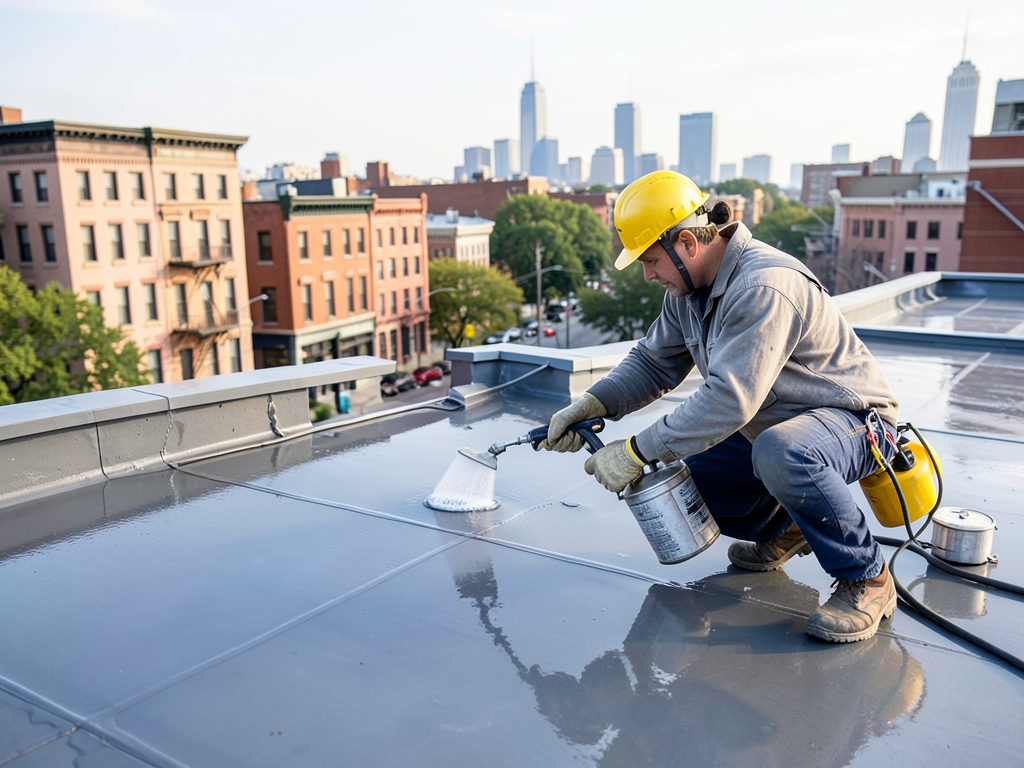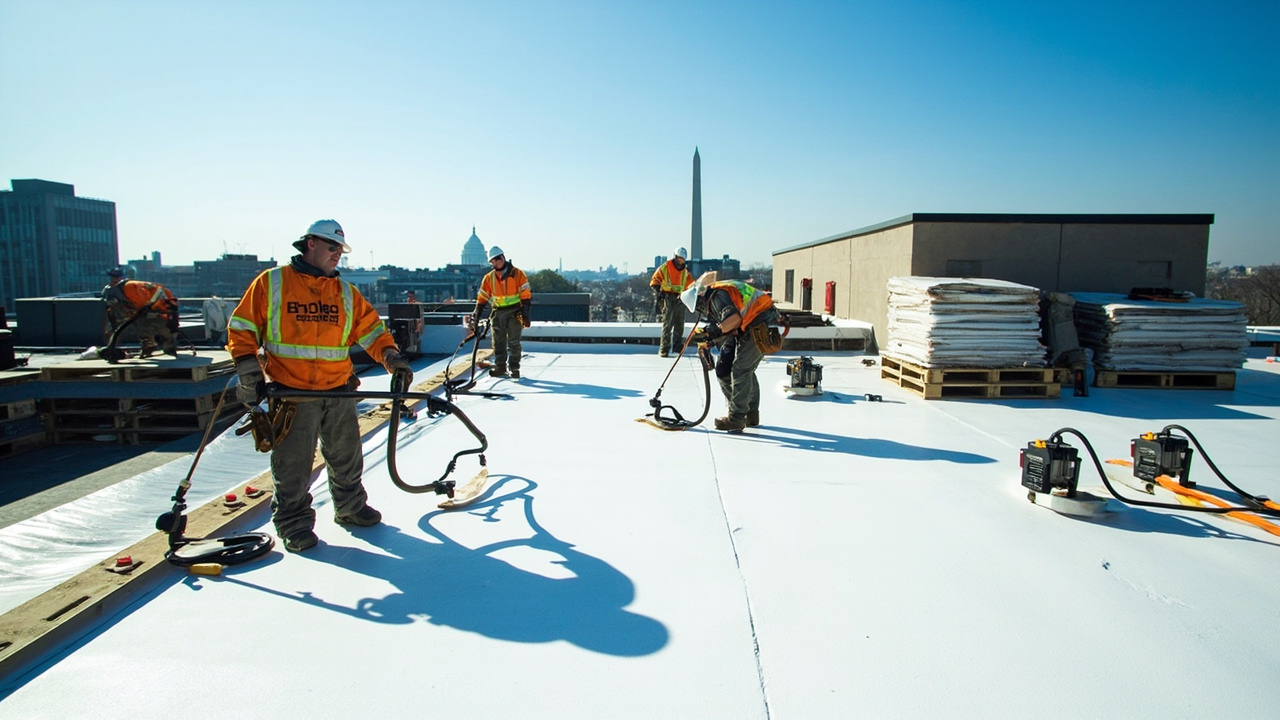
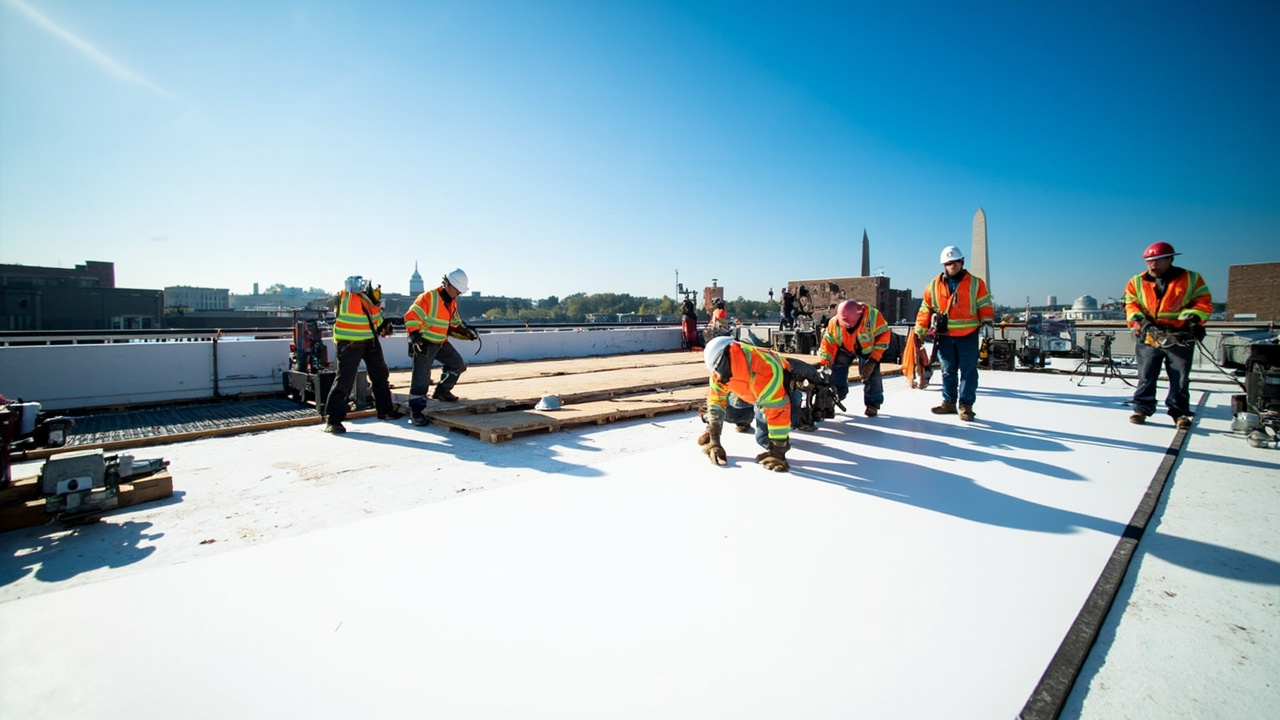
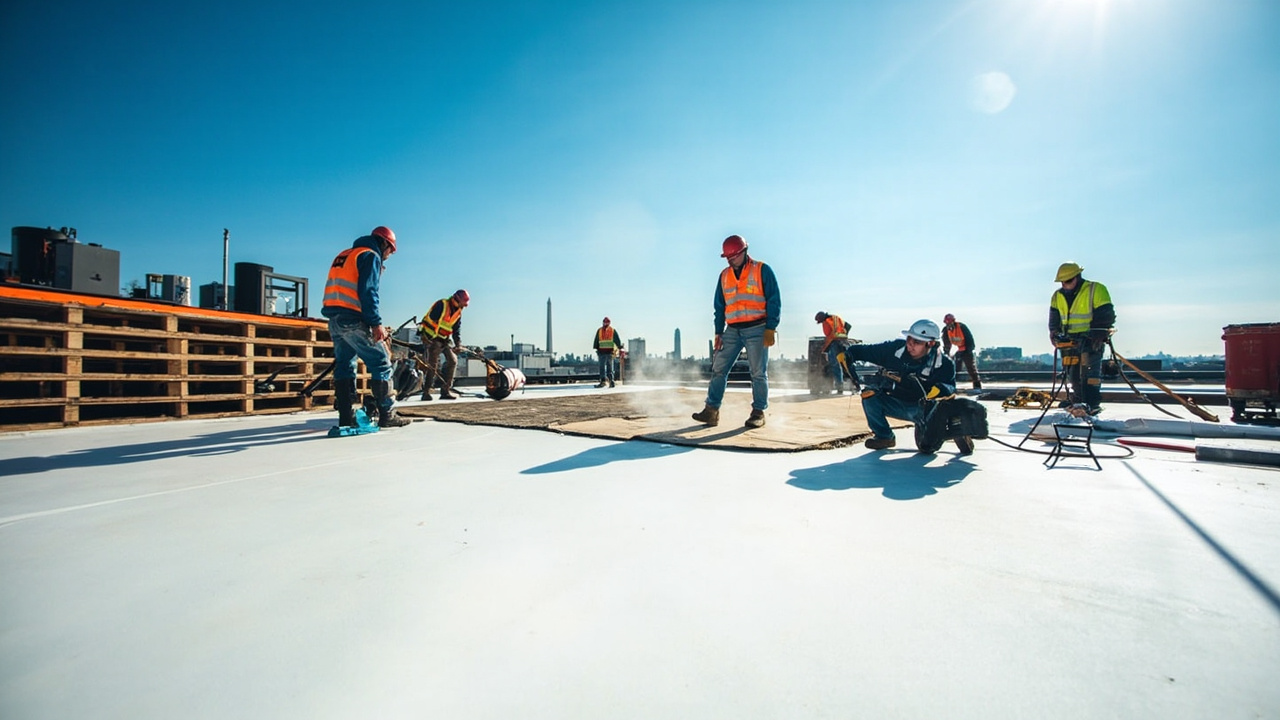
The District experiences rapid temperature swings in spring and fall where daytime highs reach the 60s and overnight lows drop below freezing. This freeze-thaw cycling causes expansion and contraction in roofing membranes, which stresses seams and fasteners. Add the urban heat island effect from dense commercial corridors like K Street and Connecticut Avenue, where roof surface temperatures exceed 160 degrees in summer, and you get accelerated UV degradation of EPDM and TPO systems. Commercial flat roof replacement in D.C. must account for thermal movement, which is why proper expansion joints and thermally stable insulation are non-negotiable for long-term performance.
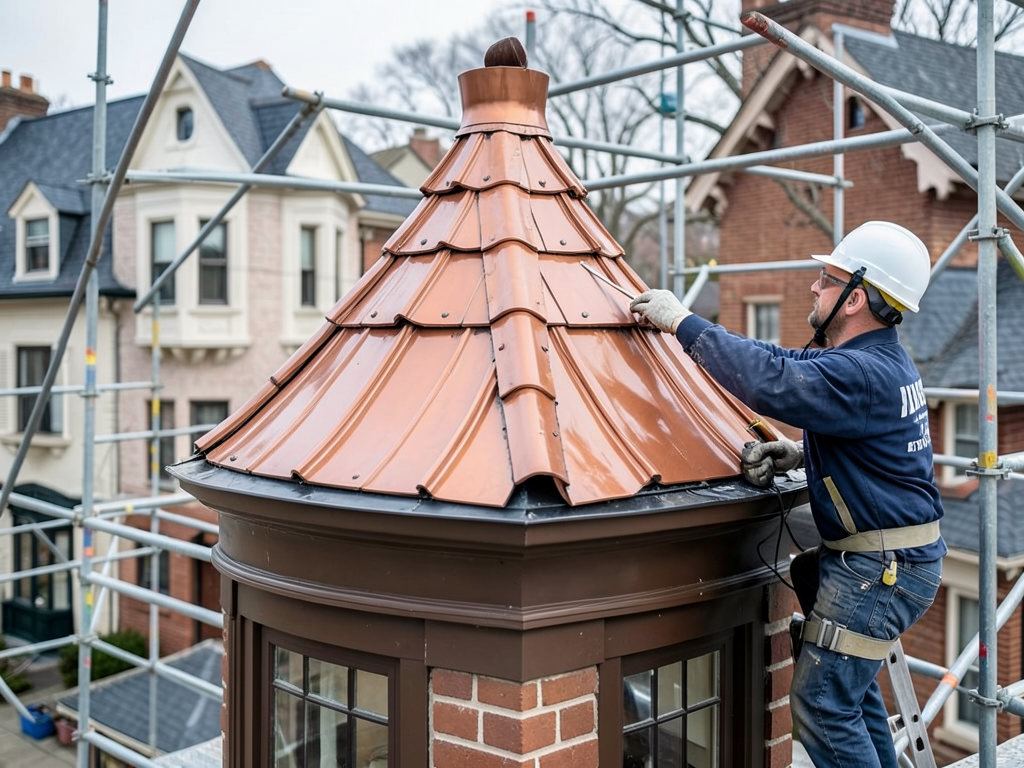
Ace Roofing Washington DC understands D.C. Construction Codes Title 12, which governs roof drainage, fire ratings, and insulation R-values for commercial buildings. We navigate DCRA permitting efficiently and coordinate with the D.C. Historic Preservation Office when projects involve contributing structures in historic districts. Our familiarity with local inspectors, material suppliers, and building department procedures eliminates delays that cost you revenue. We have completed industrial roof replacement on cold storage warehouses, commercial building roof replacement on Class A office properties, and commercial reroofing on mixed-use developments across every ward in the District.