menu

Signs You Need a New Roof in Washington, D.C. | Expert Diagnosis Prevents Costly Interior Damage

Catch warning signs of roof failure early and avoid water damage, mold growth, and structural problems with a professional assessment of your D.C. home's roof condition.

Slider Image 1
Slider Image 2
Slider Image 3
Slider Image 4
Slider Image 5
Slider Image 7
Slider Image 8
Slider Image 9
Slider Image 10
Slider Image 11

How Washington's Climate Accelerates Roof Deterioration

Your roof faces constant assault in the District. Summer heat reaches 95 degrees with 70 percent humidity, which causes shingles to buckle and adhesives to fail. Winter brings freeze-thaw cycles that crack flashing and split shingles. Spring storms drop heavy rainfall that exposes weak points you didn't know existed.

The warning signs of roof failure show up gradually. You might notice granules in your gutters, which means your shingles are losing their protective coating. Dark streaks on your roof signal algae growth, common in D.C.'s humid conditions. Curling shingle edges indicate thermal damage from our intense summer sun.

Interior evidence for roof replacement appears as water stains on ceilings, especially after storms. You might see daylight through roof boards in your attic. Sagging sections mean the decking has absorbed water and lost structural integrity. These symptoms of a failing roof demand immediate attention.

Capitol Hill's historic rowhouses face unique challenges. The original slate and tile roofs last decades, but when they fail, the damage spreads quickly through connected structures. Georgetown's older homes often hide problems under multiple roof layers, installed by previous owners who chose shortcuts over proper replacement.

Indicators for roof replacement become obvious during heavy rain. Water appears in unexpected places. Ceiling paint bubbles. You smell mustiness in upper rooms. These signs mean water has penetrated past your roof membrane and into insulation and framing. The longer you wait, the more extensive the interior damage becomes. How to tell if you need a new roof starts with recognizing these patterns and acting before minor issues become structural emergencies.

How Washington's Climate Accelerates Roof Deterioration
Our Systematic Roof Assessment Process

Our Systematic Roof Assessment Process

We conduct thorough inspections that reveal problems invisible from the ground. Our technicians examine every critical component, starting with shingle condition. We look for missing granules, thermal cracking, and wind damage. We check the integrity of your roof deck by walking the surface and feeling for soft spots that indicate water penetration.

Flashing inspection receives special attention. The metal strips around chimneys, vents, and valleys fail before shingles do. We examine sealant condition, look for rust, and test whether flashing remains properly secured to the roof deck. Failed flashing causes 90 percent of leak complaints we receive in D.C. neighborhoods.

We inspect your attic from inside. Proper ventilation prevents premature roof failure, but most District homes have inadequate airflow. We look for moisture stains on roof decking, check insulation for water damage, and measure ventilation against your roof's square footage. Poor ventilation traps heat and moisture, which rots decking and shortens shingle life by years.

Our documentation includes thermal imaging when conditions warrant. This technology reveals hidden moisture trapped in your roof assembly. We photograph damage, measure remaining shingle life, and provide a written assessment that explains what we found.

You receive a detailed report that separates immediate concerns from future maintenance needs. We explain whether you need full replacement or if targeted repairs extend your roof's service life. Our recommendations factor in your roof's age, the extent of damage, and whether your home falls within D.C.'s historic districts, which require specific materials and approval processes. This diagnostic approach gives you the information needed to make an informed decision about your roof's future.

What Happens During Your Roof Evaluation

Signs You Need a New Roof in Washington, D.C. | Expert Diagnosis Prevents Costly Interior Damage
01

Initial Contact and Scheduling

You call our office and describe what you've noticed. We ask specific questions about leak locations, visible damage, and your roof's age. Most evaluations get scheduled within 48 hours. We send a certified inspector who understands D.C. building codes and historic district requirements. You receive a confirmation with the inspector's arrival window and what to expect during the visit.
02

Comprehensive Exterior and Interior Inspection

Our inspector examines your roof from multiple angles using ladders and, when necessary, drone technology for steep or difficult access. We check shingles, flashing, valleys, and penetrations. We enter your attic to inspect decking, ventilation, and insulation. The inspection takes 45 to 90 minutes depending on your home's size and roof complexity. We photograph all findings and take measurements.
03

Detailed Report and Recommendations

You receive a written assessment within 24 hours. The report includes photos, explains damage severity, and provides clear recommendations. We outline whether you need immediate replacement or can delay work. If replacement is necessary, we explain material options suitable for Washington's climate and your neighborhood's aesthetic. You get straight answers about timeline and what the project involves, with no pressure tactics.

Why District Homeowners Choose Ace Roofing Washington DC

We've worked on every roof type in the District, from flat membrane roofs on Logan Circle rowhouses to steep-pitch colonial revivals in Cleveland Park. This experience matters when diagnosing failure patterns specific to Washington's building stock and climate.

Our inspectors understand D.C.'s permitting requirements. If your home sits in a historic district like Capitol Hill, Dupont Circle, or Georgetown, replacement requires Historic Preservation Review Board approval. We know which materials meet preservation standards and how to navigate the application process. Many contractors miss this requirement, which delays projects and creates legal problems.

We recognize the difference between age-related wear and storm damage. This distinction affects insurance claims. When appropriate, we document damage in a format insurance adjusters accept. Our detailed reports have helped hundreds of District homeowners secure claim approvals that other contractors couldn't obtain.

Your roof serves as your home's primary defense against Washington's weather extremes. We've seen what happens when homeowners ignore warning signs. A small leak becomes a major water intrusion. Mold spreads through insulation. Ceiling joists rot. What starts as a manageable roof replacement becomes a structural remediation project costing three times more.

We provide honest assessments. If your roof has five years of remaining life, we tell you. If strategic repairs buy you time, we explain that option. We don't push replacement when it's not needed, which is why customers throughout Northwest, Northeast, Southwest, and Southeast D.C. call us first. Our reputation depends on giving you accurate information, not inflating problems to increase project size.

What to Expect from Our Service

Rapid Response for Urgent Concerns

We schedule most inspections within two business days. If you have an active leak causing interior damage, we prioritize your evaluation and can often arrive same-day or next-day. Emergency tarping service is available when you need immediate protection before full assessment. Our inspectors work six days a week and accommodate your schedule. Evening appointments are available for homeowners who work standard business hours. You don't wait weeks wondering about your roof's condition while potential damage worsens.

Thorough Multi-Point Inspection

Our evaluation covers 23 specific components, from ridge vents to gutter interfaces. We examine shingle adhesion, check for hail impact damage, test flashing flexibility, and inspect chimney cricket condition. Inside your attic, we look for condensation patterns, measure insulation depth, and check soffit ventilation. We document everything with photos and notes. You receive a written report that explains each finding in plain language. This comprehensive approach reveals problems partial inspections miss, giving you a complete picture of your roof's actual condition.

Clear Diagnosis and Options

Our report categorizes issues by urgency and provides realistic timelines for addressing each concern. If full replacement is necessary, we explain why repair won't solve the underlying problems. If your roof has serviceable life remaining, we tell you that too. You get material recommendations based on your home's architectural style, your budget parameters, and Washington's climate demands. We explain the performance differences between three-tab, architectural, and premium shingles. No pressure, just information you need to make the right decision for your home.

Post-Inspection Support and Follow-Up

Our relationship doesn't end when you receive the report. We answer follow-up questions by phone or email. If you need help understanding insurance policy language, we explain what your coverage typically includes. When you're ready to move forward, we provide detailed proposals that break down every aspect of the work. If you choose to delay replacement, we offer maintenance services that extend your roof's remaining life. We keep your inspection report on file and send annual reminders to monitor developing issues before they become emergencies.

Frequently Asked Questions

You Have Questions,
We Have Answers

How do you know when it's time to replace your roof? +

You need a roof replacement when you see multiple warning signs appearing together. Check for curling or missing shingles, especially after Washington, D.C.'s heavy spring storms. Look for granules collecting in gutters, which means your shingles are breaking down. Inspect your attic for water stains or daylight coming through the decking. If your roof is over 20 years old and showing wear, replacement often beats ongoing repairs. Large dark patches visible from the street indicate trapped moisture. When three or more issues appear, schedule an inspection before minor problems turn into water damage inside your home.

What are the signs of a failing roof? +

A failing roof shows distinct warning signs. Shingles start cupping, curling, or cracking from Washington, D.C.'s freeze-thaw cycles and summer heat. You may notice missing shingles after windstorms. Sagging areas indicate deck rot or structural damage underneath. Interior ceiling stains point to active leaks, even if small. Flashing around chimneys and vents often fails first, letting water infiltrate. Moss growth on north-facing slopes traps moisture against shingles. Your energy bills may climb as insulation gets compromised. Granule loss creates bald spots where asphalt shows through. These signs accelerate once they start, so early detection prevents costlier interior damage.

At what age should a roof be replaced? +

Asphalt shingle roofs in Washington, D.C. typically need replacement between 20 and 25 years, depending on installation quality and weather exposure. Premium architectural shingles may reach 30 years with proper maintenance. Three-tab shingles often fail closer to 20 years. Metal roofs last 40 to 50 years. The District's humid summers and winter ice dams accelerate aging. South-facing and west-facing slopes age faster from sun exposure. Poor attic ventilation shortens lifespan by trapping heat. If your roof approaches 20 years and shows multiple wear signs, plan for replacement within the next few years rather than waiting for catastrophic failure.

How often do roofs need to be replaced? +

Replacement frequency depends on material and maintenance. Most Washington, D.C. homeowners replace asphalt roofs every 20 to 25 years. You may get 15 years from builder-grade three-tab shingles in exposed locations. Quality architectural shingles reach 25 to 30 years with proper care. Metal roofing lasts 40 to 50 years. Slate and tile roofs can exceed 75 years, though fewer homes in the District use these materials. Storm damage from severe weather can shorten any roof's life. Regular inspections and prompt repairs extend replacement intervals. Homes near Rock Creek Park or the Potomac may face more moisture exposure that accelerates aging.

What is the average cost of a full roof replacement? +

Roof replacement costs vary widely based on size, pitch, material, and accessibility. In Washington, D.C., expect higher labor rates than suburban Maryland or Virginia due to permitting requirements and limited parking for crews. A typical single-family home ranges significantly in price depending on these factors. Steep Victorian or Colonial Revival roofs common in Capitol Hill and Georgetown cost more due to safety equipment needs. Material choice impacts price dramatically. Architectural shingles cost more than three-tab but last longer. Multiple chimneys, skylights, or complex flashing details add expense. Get three detailed estimates from licensed contractors to understand your specific project scope.

How old may a roof be before insurance claims it's too old? +

Most insurance carriers in Washington, D.C. become restrictive once roofs exceed 20 years. Some companies require inspections at 15 years and may limit coverage to actual cash value rather than replacement cost for older roofs. Policies vary significantly between carriers. A few insurers refuse coverage entirely for roofs over 25 years, regardless of condition. If you are buying a home in the District with an aging roof, your mortgage lender may require replacement before closing. Document your roof's condition with professional inspections. Proactive replacement before coverage restrictions kick in protects your investment and maintains full insurance protection when you need it most.

What is the most expensive part of replacing a roof? +

Labor represents the largest expense in roof replacement, often accounting for 60 percent of total project costs. In Washington, D.C., skilled roofing crews command premium wages due to high living costs and strict licensing requirements. Tear-off and disposal of old materials add significant expense, especially if multiple layers exist or asbestos abatement is required in older homes. The roof deck occasionally needs repair or replacement once old shingles come off, revealing hidden rot. Steep pitches common in District rowhouses and historic properties require additional safety equipment and slower work pace. Permits and inspections add costs. Material selection matters, but skilled installation determines long-term performance.

Does homeowners insurance pay for a leaky roof? +

Homeowners insurance typically covers roof leaks caused by sudden, unexpected events like storm damage or falling trees. Gradual leaks from poor maintenance or normal aging get denied. Insurance adjusters look for recent weather events that correlate with damage. In Washington, D.C., document storm dates and take photos immediately after severe weather. If your roof is under 15 years old, you have better claim approval odds. Older roofs often receive depreciated payouts or denials. Regular maintenance records help prove you maintained the roof properly. Wind-driven rain during severe thunderstorms or winter ice damming may qualify for coverage if the roof was previously sound.

What is the average lifespan of a roof? +

Asphalt shingle roofs last 20 to 25 years in Washington, D.C. under normal conditions. The District's climate challenges roofs with humid summers, freeze-thaw cycles, and occasional severe storms. Quality matters tremendously. Premium architectural shingles with proper ventilation reach 30 years. Basic three-tab shingles may fail at 15 to 18 years. Metal roofing lasts 40 to 50 years. Slate and tile exceed 75 years but require specialized maintenance. Installation quality affects longevity as much as material choice. Poor ventilation traps heat and moisture, cutting lifespan significantly. South-facing and west-facing slopes age faster from sun exposure. Regular inspections and prompt repairs maximize your roof's lifespan.

Is $30,000 too much for a roof? +

Whether that figure represents fair value depends on your roof's size, complexity, and material choice. For a large home in Washington, D.C. with steep pitches, multiple levels, or premium materials, this cost may be reasonable. A simple ranch home would rarely justify that expense. District projects cost more than suburban areas due to permitting, parking restrictions, and higher labor rates. Complex Victorian or Colonial homes in Georgetown or Capitol Hill with multiple chimneys and dormers run higher. Get three detailed written estimates breaking down materials, labor, and scope. Compare apples to apples. The cheapest bid often signals shortcuts that cause problems later.

How D.C.'s Urban Heat Island Effect Shortens Roof Lifespan

Washington's dense urban core traps heat between buildings, creating temperatures 10 to 15 degrees higher than surrounding suburbs. Your roof absorbs this concentrated thermal load throughout summer months. Asphalt shingles rated for 25-year performance often fail at 18 to 20 years in District neighborhoods with minimal tree cover. The constant expansion and contraction from daily temperature swings cracks shingle adhesive and causes premature granule loss. Rowhouse configurations compound the problem because shared walls reflect additional heat onto roof surfaces. These conditions make regular inspection critical for District homeowners.

We've evaluated thousands of roofs across all eight wards. This experience with D.C.'s specific building types, from Wardman rowhouses to mid-century garden apartments, means we recognize failure patterns other contractors miss. We understand Historic Preservation Office requirements and maintain relationships with local building inspectors. When you work with a company that specializes in Washington's unique residential architecture and regulatory environment, you avoid the costly mistakes that come from hiring contractors unfamiliar with District-specific challenges. Local expertise directly impacts project outcomes and long-term roof performance.
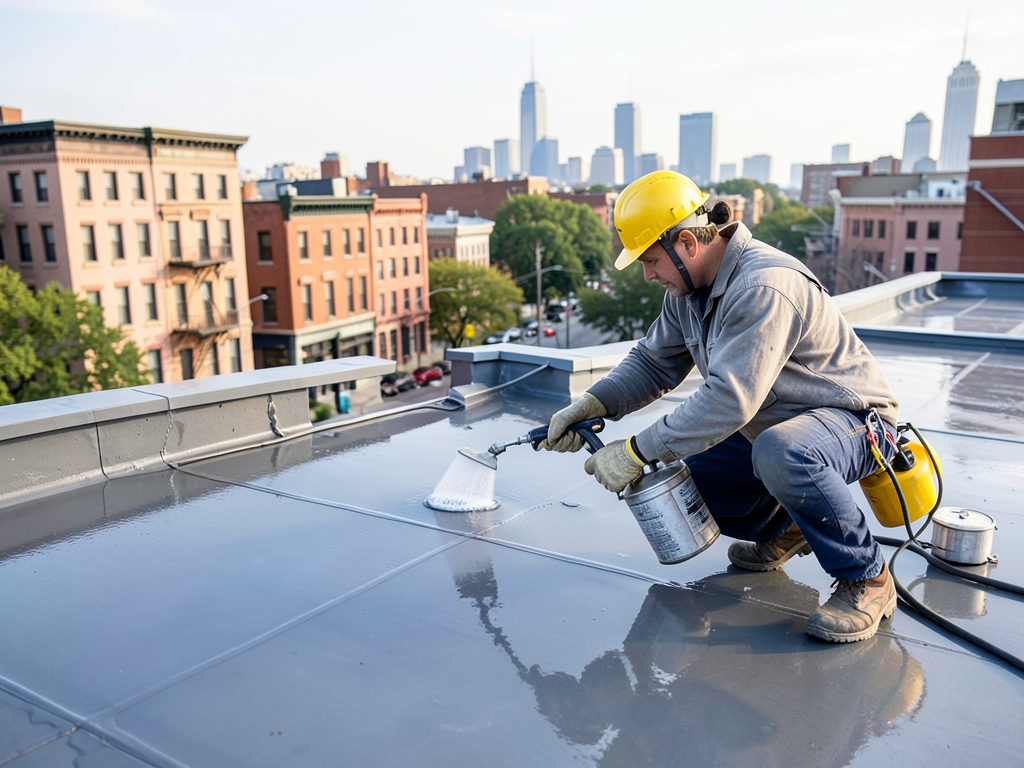
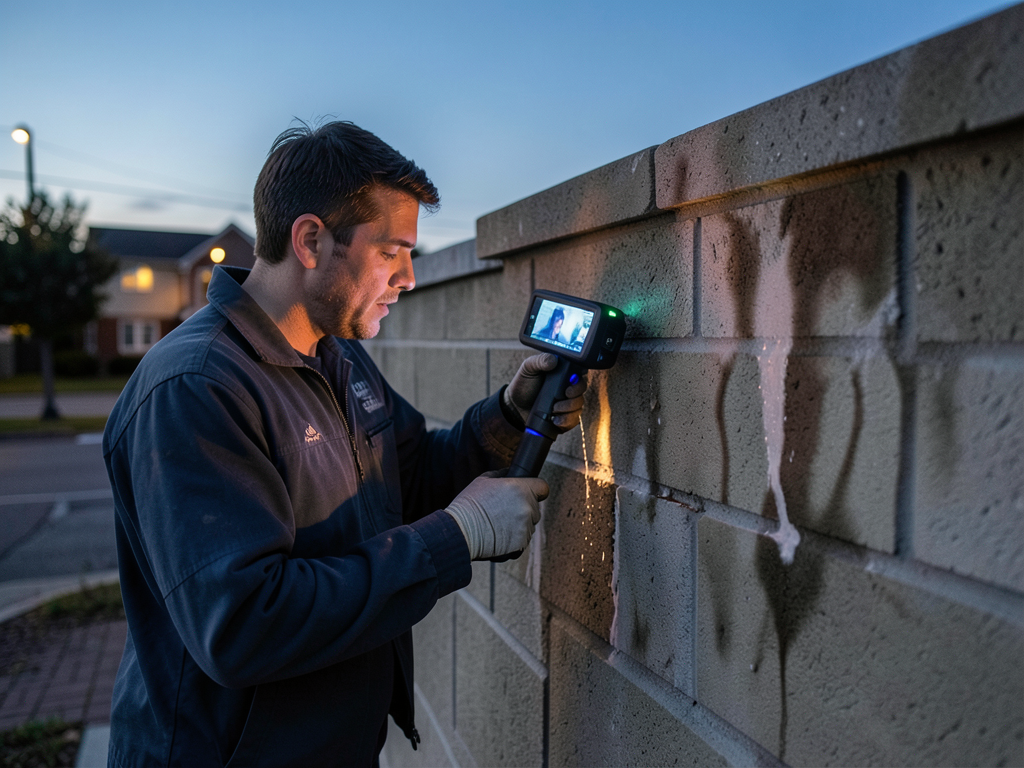
Roofing Services in The Washington DC Area

We are proud to serve the entire Washington DC metropolitan area, including all surrounding neighborhoods and communities. Our central location allows us to dispatch our expert teams quickly for emergency repairs or scheduled consultations. Whether you're in Dupont Circle, Georgetown, Capitol Hill, or beyond, we bring premier, trustworthy roofing services directly to your doorstep. View our service area map below to confirm we cover your specific location and then call us to get started on your project.

Address:
Ace Roofing Washington DC, 20 F St NW, Washington, DC, 20001

Additional Services We Offer

Our news updates

Latest Articles & News from The Blogs

How Poor Roof Drainage Can Ruin Your Landscaping in Cathedral Heights Heavy rainstorms in Washington DC create serious challenges for…

How Poor Roof Drainage Can Ruin Your Landscaping in Cathedral Heights

How Poor Roof Drainage Can Ruin Your Landscaping in Cathedral Heights Heavy rainstorms in Washington DC create serious challenges for…

Why You Should Never Install a New Roof Over Your Old Shingles in Hill East

Why Roof Overlays Are a Short-Term Gamble in Hill East Homeowners in Hill East often face a choice when their…

A Homeowner Guide to Comparing Different Roofing Quotes in Washington DC

A Homeowner Guide to Comparing Different Roofing Quotes in Washington DC Getting multiple roofing quotes in Washington DC can feel…

Contact Us

Don't wait until small problems become major damage. Call Ace Roofing Washington DC at (771) 240-3300 for a comprehensive roof evaluation. We'll give you straight answers about your roof's condition and clear options for protecting your home.