menu

Condensation & Moisture Issues in Washington, D.C. – Stop Attic Damage Before It Rots Your Roof Deck

Washington, D.C.'s humid summers and unpredictable winters create the perfect storm for roof sweating and attic moisture buildup. We find the source, fix the ventilation, and protect your structure from hidden decay.

Slider Image 1
Slider Image 2
Slider Image 3
Slider Image 4
Slider Image 5
Slider Image 7
Slider Image 8
Slider Image 9
Slider Image 10
Slider Image 11

Why Washington, D.C. Roofs Sweat More Than Most

You walk into your attic in July and the air feels like a sauna. Water beads form on the underside of your roof deck. You see dark stains spreading across the plywood. This is roof sweating, and in Washington, D.C., it happens faster than you think.

The District sits at the intersection of two climate zones. Summers bring Chesapeake Bay humidity that pushes moisture into every gap and seam. Winters swing from freezing nights to 50-degree afternoons. That freeze-thaw cycle drives warm indoor air into cold attic spaces, where it condenses instantly on metal fasteners, sheathing, and framing lumber.

Trapped moisture in roof spaces does not evaporate on its own. It soaks into wood, feeds mold colonies, and rusts through metal connectors. Over time, roof dampness turns solid plywood into spongy pulp. The deck sags. Shingles buckle. Rafters start to bow.

Most homeowners in Capitol Hill, Georgetown, and Dupont Circle do not realize they have attic moisture buildup until they see ceiling stains or smell mildew in the upstairs hallway. By then, the damage is already spreading through the framing.

Roof space condensation is not a ventilation problem alone. It is a system failure. Poor insulation, blocked soffit vents, undersized ridge vents, bathroom exhaust fans venting into the attic instead of outside—all of these feed the cycle. Washington, D.C.'s older housing stock, with retrofitted HVAC systems and patchwork insulation, makes the problem worse.

You cannot fix condensation with a dehumidifier. You need to address airflow, vapor barriers, and thermal boundaries. That takes diagnostic work, not guesswork.

Why Washington, D.C. Roofs Sweat More Than Most
How We Diagnose and Fix Moisture at the Source

How We Diagnose and Fix Moisture at the Source

We do not treat roof sweating with a single fix. We treat it as a system problem that requires a layered solution.

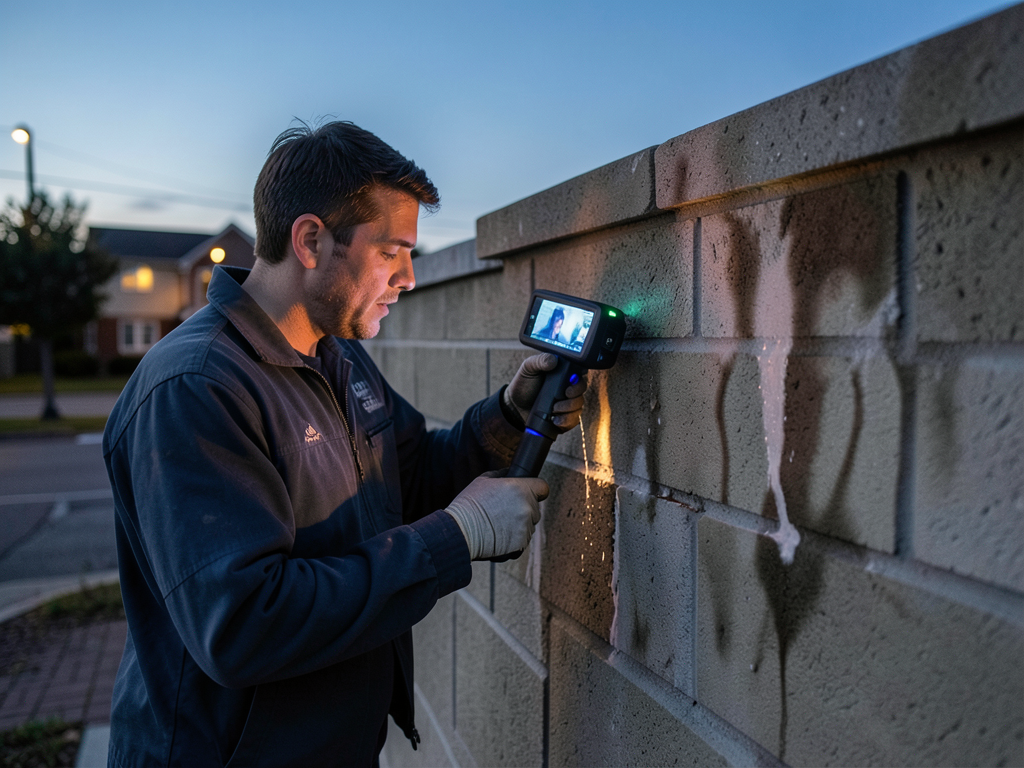
First, we perform a thermal scan of your attic space using infrared cameras. This shows us where warm air is leaking into the attic through gaps in the ceiling plane. We map the temperature differentials between your living space and the attic floor. We identify where insulation has settled, where recessed lights are creating thermal bridges, and where ductwork is leaking conditioned air into unconditioned space.

Next, we measure airflow. We check the net free area of your soffit vents and compare it to the exhaust capacity of your ridge vent or gable vents. Most homes in Washington, D.C. were built with inadequate attic ventilation by modern standards. We calculate the required ventilation based on your attic square footage and roof pitch, then design a solution that balances intake and exhaust.

We inspect the vapor barrier. In many District homes, the existing insulation has no facing, or the facing is installed backwards. We check for gaps around plumbing penetrations, chimney chases, and attic hatches. These gaps allow humid indoor air to migrate into the attic, where it condenses on cold surfaces.

We trace all mechanical exhausts. Bathroom fans and dryer vents should terminate outside the building envelope, not in the attic or soffit cavity. We see this mistake constantly in older rowhouses where contractors took shortcuts during renovations.

Once we identify the contributors, we build a prioritized repair plan. We seal air leaks first, upgrade insulation second, and improve ventilation third. That sequence matters. Adding ventilation without sealing air leaks just pulls more humid air into the attic.

What Happens During a Moisture Assessment

Condensation & Moisture Issues in Washington, D.C. – Stop Attic Damage Before It Rots Your Roof Deck
01

Attic Inspection and Mapping

We enter your attic and document moisture damage, insulation type and depth, ventilation components, and mechanical systems. We use a moisture meter to test wood sheathing and framing for elevated moisture content. We photograph problem areas and mark them on a sketch map. This gives you a clear picture of what is happening above your ceiling and where the worst damage exists.
02

Airflow and Thermal Analysis

We measure the net free area of your intake and exhaust vents using a calculator and tape measure. We run thermal imaging to locate air leaks and insulation gaps. We check static pressure in the attic to see if the space is negatively pressurized, which pulls conditioned air through ceiling penetrations. This data tells us whether you have a ventilation deficit, an air sealing problem, or both.
03

Solution Design and Estimate

We build a repair plan based on the diagnostic data. We prioritize air sealing around penetrations, adding insulation to meet modern R-values, installing baffles to maintain airflow at the eaves, and upgrading ventilation if needed. We provide a written estimate that breaks down each phase of work. You get a clear timeline, material specifications, and an explanation of how each fix reduces condensation risk.

Why Washington, D.C. Homeowners Trust Us with Moisture Problems

Ace Roofing Washington DC has worked in the District long enough to know how its housing stock behaves. We understand the quirks of Federal-style rowhouses, the ventilation challenges of Victorian mansions with slate roofs, and the retrofit headaches in mid-century ramblers that were insulated poorly in the 1980s.

We know that Capitol Hill rowhouses share party walls, which means attic ventilation strategies must account for limited soffit exposure. We know that Georgetown homes often have shallow attic spaces where standard batt insulation creates thermal bridging. We know that newer developments in Petworth and Columbia Heights sometimes use spray foam insulation that was installed incorrectly, trapping moisture between the foam and the roof deck.

We also understand the building codes that apply in Washington, D.C. The District follows the International Residential Code with local amendments. Ventilation ratios, insulation R-values, and vapor retarder requirements are specific to this jurisdiction. We design our solutions to meet those standards, not generic recommendations pulled from a manual written for a different climate zone.

Our crews are trained to work in tight attic spaces without damaging historic plaster ceilings or disturbing knob-and-tube wiring that is still present in older homes. We coordinate with HVAC contractors when ductwork needs to be rerouted. We work with insulation contractors who understand the difference between vented and unvented attic assemblies.

We do not sell you a new roof when what you need is better ventilation and air sealing. We fix the root cause. That saves you money and extends the life of your existing roof system.

You get transparent communication, realistic timelines, and no upselling. We show you the problem with photos and moisture readings. We explain the fix in plain language. We give you options, not pressure.

What to Expect When You Call Us

Fast Scheduling and Site Visits

We schedule attic inspections within three to five business days of your call. If you are dealing with active leaks or visible mold, we prioritize your appointment. The initial inspection takes 60 to 90 minutes, depending on attic size and access complexity. We provide same-day verbal findings and follow up with a written report within 48 hours. You do not wait weeks for answers.

Detailed Moisture and Ventilation Assessment

We do not guess at moisture sources. We use calibrated moisture meters, thermal imaging, and airflow calculations to identify the exact contributors to your condensation problem. We test wood moisture content at multiple points across the attic. We document blocked vents, missing baffles, and air leaks. You receive a written assessment with photos, measurements, and a priority list of repairs. This is not a free inspection designed to sell you a roof replacement. This is diagnostic work.

Clean, Targeted Repairs

We fix what needs fixing without tearing apart your entire attic. Air sealing work involves spray foam or caulk around penetrations, not demolition. Insulation upgrades are done with blown-in cellulose or fiberglass, which fills gaps without removing existing material. Ventilation improvements might include adding a ridge vent, installing gable fans, or cutting in additional soffit vents. We protect your ceilings with drop cloths and seal off the attic access during dusty work. You will not find insulation debris all over your house.

Follow-Up Monitoring and Prevention

After repairs, we recommend a follow-up moisture check six months later, especially after the first summer or winter cycle. This confirms that condensation levels have dropped and that wood moisture content is returning to safe levels. We provide maintenance recommendations, including checking bathroom fan operation, clearing soffit vents of debris, and monitoring attic temperature differentials. If mold remediation was needed, we connect you with certified specialists who document the cleanup and provide clearance testing.

Frequently Asked Questions

You Have Questions,
We Have Answers

How do you fix excessive condensation? +

Fix excessive condensation by improving ventilation and controlling indoor humidity. Open windows periodically, even in winter, to exchange stale, humid air. Run exhaust fans during and after cooking or showering. In Washington, D.C., where humidity climbs above 70 percent in summer, a whole-house dehumidifier keeps moisture in check. Seal air leaks around windows and doors to prevent warm, humid outdoor air from infiltrating. Ensure your attic has adequate ventilation and proper insulation to reduce temperature differentials that trigger condensation. If condensation persists on windows or walls, a roofing or HVAC professional can assess whether vapor barriers or upgraded insulation are necessary.

What are signs of excessive condensation? +

Look for water droplets on window glass, especially in the morning. You will see foggy panes, streaking, or pooling water on sills. Check walls and ceilings for discoloration, peeling paint, or soft drywall, which signals moisture buildup behind surfaces. Musty odors in closets, basements, or crawl spaces indicate mold growth from prolonged condensation. In older Washington, D.C. rowhouses, you may notice damp spots near poorly insulated exterior walls. Black mold patches in bathrooms or kitchens confirm that condensation is feeding microbial growth. If you spot warped wood trim or bubbling wallpaper, moisture is accumulating faster than your home can expel it.

How to solve moisture problems in a house? +

Solve moisture problems by identifying the source. Check for roof leaks, damaged flashing, or clogged gutters that allow water intrusion. In Washington, D.C., heavy summer storms and freeze-thaw cycles in winter stress roofs and siding. Inspect crawl spaces and basements for groundwater seepage or inadequate vapor barriers. Run exhaust fans in bathrooms and kitchens to expel humid air. Install a dehumidifier if indoor humidity exceeds 50 percent. Seal foundation cracks and ensure downspouts direct water at least six feet from your foundation. Upgrade attic ventilation with ridge and soffit vents to prevent warm, moist air from condensing on sheathing.

Should you wipe condensation off windows? +

Wipe condensation off windows to prevent water damage to sills and surrounding trim. Pooled water can rot wood, promote mold, and stain finishes. Use a squeegee or absorbent cloth to remove moisture daily, especially in bathrooms and kitchens. Wiping treats the symptom, not the cause. In Washington, D.C., high summer humidity and poor ventilation drive condensation. Address the root issue by improving airflow, sealing air leaks, and reducing indoor humidity with exhaust fans or a dehumidifier. If condensation forms between double-pane glass, the seal has failed and the window unit requires replacement.

Why is my house getting so much condensation? +

Your house is getting condensation because indoor humidity is too high or ventilation is inadequate. Everyday activities like cooking, showering, and drying clothes release moisture. In Washington, D.C., humid summer air infiltrates through leaks, raising indoor moisture levels. Poor attic or crawl space ventilation traps humid air, which condenses on cool surfaces. Single-pane windows or uninsulated walls create cold spots where warm, humid indoor air meets cold glass or drywall. Blocked exhaust vents in bathrooms and kitchens prevent moisture from escaping. If your home lacks a vapor barrier in the crawl space or basement, groundwater evaporation adds humidity.

Can moisture in walls be fixed? +

Yes, moisture in walls can be fixed, but it requires identifying and stopping the source. Water intrusion from roof leaks, damaged siding, or failed flashing must be repaired first. In Washington, D.C., freeze-thaw cycles crack masonry and open pathways for water. Remove wet drywall and insulation, then dry the wall cavity with fans or dehumidifiers. Install a proper vapor barrier to prevent moisture migration from outside or from crawl spaces. Seal exterior cracks and ensure gutters and downspouts direct water away from the foundation. If condensation forms inside walls due to missing insulation or air leaks, a contractor must upgrade insulation and seal penetrations.

Does condensation mean my house is too cold? +

Condensation does not always mean your house is too cold. It means warm, humid indoor air is meeting a cold surface, like a window or uninsulated wall. In winter, indoor heating keeps air warm and capable of holding moisture. When that air touches cold glass or an exterior wall, it cools rapidly and releases moisture as condensation. In Washington, D.C., poorly insulated rowhouses or single-pane windows create cold spots. The issue is not low temperature but temperature differential and high humidity. Improve insulation, seal air leaks, and reduce indoor humidity with ventilation to prevent condensation without overheating your home.

Will a dehumidifier get rid of condensation? +

A dehumidifier reduces indoor humidity and helps eliminate condensation, but it is not a complete fix. If you see condensation on windows or walls, a dehumidifier lowers the moisture content of indoor air, making condensation less likely. In Washington, D.C., summer humidity exceeds 70 percent, and a whole-house dehumidifier can maintain indoor levels between 30 and 50 percent. However, a dehumidifier will not fix the underlying causes like poor ventilation, air leaks, or inadequate insulation. You must also run exhaust fans, seal windows, and ensure your attic and crawl space have proper ventilation to stop moisture buildup at the source.

What causes too much moisture in a house? +

Too much moisture comes from everyday activities, poor ventilation, and water intrusion. Cooking, showering, and drying laundry release gallons of water vapor daily. In Washington, D.C., humid summer air infiltrates through cracks around windows and doors, raising indoor humidity. Leaky roofs, clogged gutters, or foundation cracks allow water to enter walls and basements. Unvented crawl spaces and basements release groundwater vapor into living areas. Running bathroom or kitchen exhaust fans improperly or not at all traps humid air indoors. If your attic lacks ventilation, warm, moist air condenses on roof sheathing and drips back into insulation.

What absorbs moisture quickly? +

Silica gel packets, activated charcoal, and calcium chloride absorb moisture quickly in small spaces like closets or storage bins. For whole rooms, a dehumidifier is faster and more effective. In Washington, D.C., where summer humidity spikes, portable dehumidifiers extract gallons of water daily from basements and bathrooms. Baking soda absorbs odors and minor moisture in refrigerators or small cabinets. Desiccant packs work in toolboxes or safes. For structural moisture in walls or crawl spaces, absorbent materials are useless. You need fans, dehumidifiers, and vapor barriers to dry materials and prevent reaccumulation. Address the moisture source first, then use absorbents for residual humidity.

How Washington, D.C.'s Humidity and Housing Age Fuel Attic Moisture Problems

Washington, D.C. sits in USDA Hardiness Zone 7b and experiences average summer humidity levels above 65 percent. The Potomac and Anacostia rivers add localized moisture to the air, especially in neighborhoods near the waterfront like Navy Yard and Southwest Waterfront. This ambient humidity combines with indoor moisture from cooking, showering, and breathing to create a constant vapor pressure pushing upward through your ceiling. Older homes built before 1950 often lack continuous air barriers or vapor retarders, which means warm, humid air migrates freely into attic spaces. When that air contacts cold roof sheathing in winter or cold AC ducts in summer, it condenses instantly. The resulting roof dampness leads to mold, wood rot, and fastener corrosion.

Washington, D.C. has strict building codes enforced by the Department of Consumer and Regulatory Affairs. Any work involving structural changes, insulation upgrades, or ventilation modifications must meet the District's adopted energy code, which currently references the 2021 International Energy Conservation Code. That means insulation must meet minimum R-values for attic spaces, and ventilation must follow the one-to-150 rule unless a continuous air barrier is installed. Ace Roofing Washington DC stays current on these requirements and pulls permits when needed. We work with inspectors regularly and understand what they look for during final inspections. Choosing a local contractor who knows the code saves you from failed inspections and expensive rework.
Roofing Services in The Washington DC Area

We are proud to serve the entire Washington DC metropolitan area, including all surrounding neighborhoods and communities. Our central location allows us to dispatch our expert teams quickly for emergency repairs or scheduled consultations. Whether you're in Dupont Circle, Georgetown, Capitol Hill, or beyond, we bring premier, trustworthy roofing services directly to your doorstep. View our service area map below to confirm we cover your specific location and then call us to get started on your project.

Address:
Ace Roofing Washington DC, 20 F St NW, Washington, DC, 20001

Additional Services We Offer

Our news updates

Latest Articles & News from The Blogs

How Poor Roof Drainage Can Ruin Your Landscaping in Cathedral Heights Heavy rainstorms in Washington DC create serious challenges for…

How Poor Roof Drainage Can Ruin Your Landscaping in Cathedral Heights

How Poor Roof Drainage Can Ruin Your Landscaping in Cathedral Heights Heavy rainstorms in Washington DC create serious challenges for…

Why You Should Never Install a New Roof Over Your Old Shingles in Hill East

Why Roof Overlays Are a Short-Term Gamble in Hill East Homeowners in Hill East often face a choice when their…

A Homeowner Guide to Comparing Different Roofing Quotes in Washington DC

A Homeowner Guide to Comparing Different Roofing Quotes in Washington DC Getting multiple roofing quotes in Washington DC can feel…

Contact Us

Call (771) 240-3300 now to schedule a moisture assessment. We will identify the source of your condensation problem and build a repair plan that stops the damage. Do not wait for ceiling stains or mold growth. Fix it now.