menu

Repair vs. Replace Analysis in Washington, D.C. – Get a Data-Driven Decision in 48 Hours

Expert roof evaluation combining thermal imaging, moisture detection, and structural assessment to determine whether repair or replacement makes financial sense for your Washington, D.C. property.

Slider Image 1
Slider Image 2
Slider Image 3
Slider Image 4
Slider Image 5
Slider Image 7
Slider Image 8
Slider Image 9
Slider Image 10
Slider Image 11

Why Washington, D.C. Roofs Fail Faster Than You Think

Washington, D.C. sits in a humidity zone that accelerates shingle granule loss and creates perfect conditions for algae growth. The city's temperature swings between January freeze-thaw cycles and August heat create expansion and contraction that loosens fasteners and cracks flashing. Add in the urban heat island effect from all that asphalt and concrete, and your roof ages 20 percent faster than the same materials would in rural Virginia.

You notice a leak in your Capitol Hill rowhouse. Your neighbor just replaced their entire roof for eighteen thousand dollars. You want to know if you can patch yours for two thousand or if you are throwing money at a dying system.

The roof repair vs replacement cost comparison is not about finding the cheapest option today. It is about avoiding the expensive mistake six months from now. A fix vs replace roof evaluation examines the actual remaining lifespan of your system, not just the visible damage. If your decking is compromised by moisture or your flashing has failed in multiple locations, a repair becomes a temporary bandage on a structural problem.

Washington, D.C. properties built between 1950 and 1980 often have original roofing systems reaching end of life. The reroof vs repair assessment must account for building code updates, energy efficiency standards, and whether your grandfathered system will pass inspection after a partial repair. Most homeowners focus on the immediate leak. Smart property owners ask whether the repair extends the roof life by two years or ten.

Why Washington, D.C. Roofs Fail Faster Than You Think
How We Conduct a Scientific Roof Restoration vs Replacement Analysis

How We Conduct a Scientific Roof Restoration vs Replacement Analysis

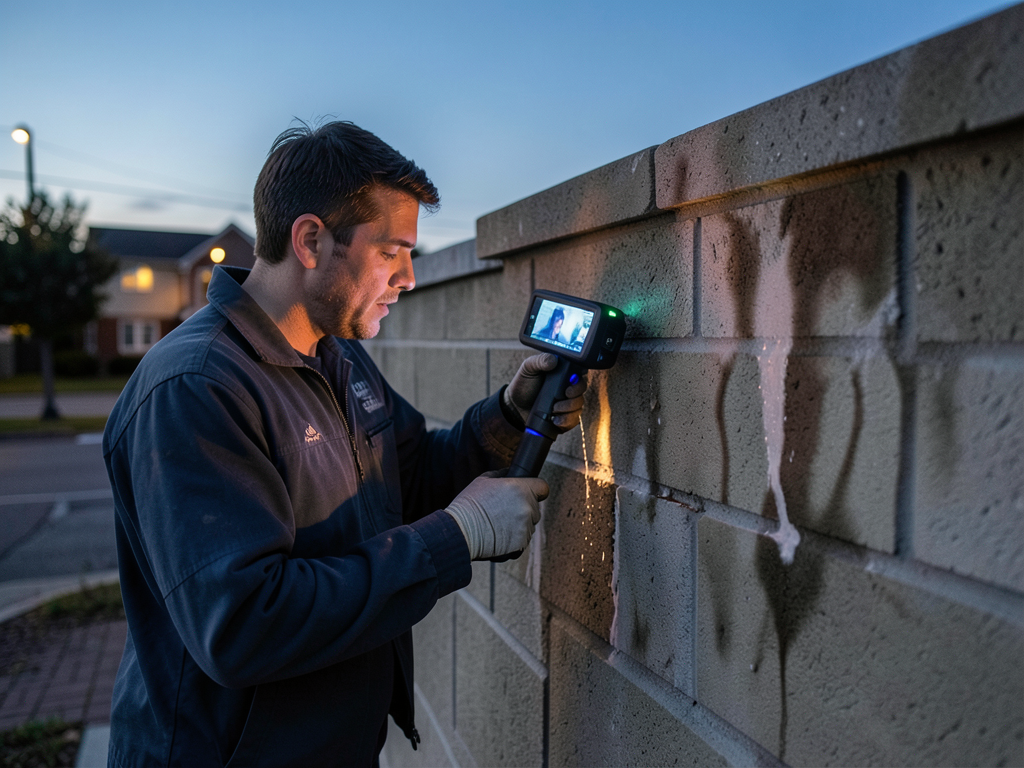
Ace Roofing Washington DC uses a four-phase evaluation protocol that goes beyond walking your roof with a ladder. We start with infrared thermography to detect trapped moisture in the insulation layer. Wet insulation does not dry out in D.C.'s humidity. It spreads. A visible leak in your living room might indicate saturation across 40 percent of your roof deck.

We perform core samples on suspected soft spots to examine decking integrity. Plywood delamination is common in homes near the Potomac River where morning fog adds moisture load. If your decking shows separation or black mold growth, the repair or replace roof evaluation shifts heavily toward replacement.

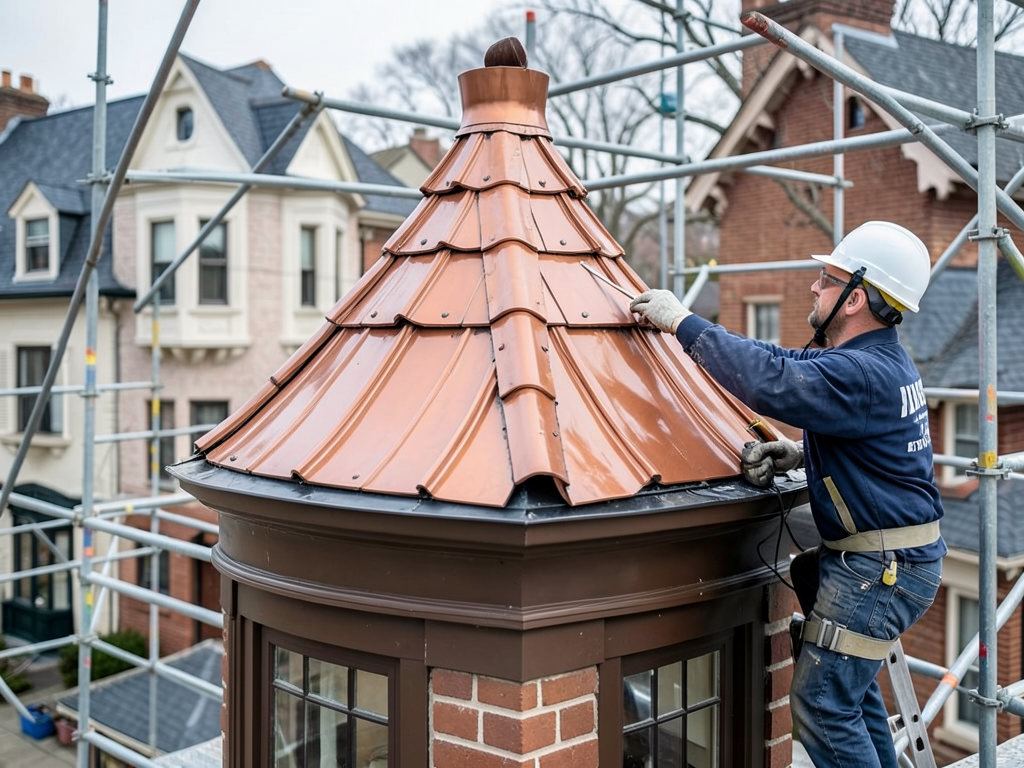
Flashing inspection focuses on chimney bases, valley intersections, and skylight perimeters. These are failure points on homes in Dupont Circle and Georgetown where original copper flashing oxidizes and separates from modern synthetic underlayment. We check fastener pull-through, which happens when high winds combine with aging shingle tabs.

The roof repair or replace decision guide we provide includes projected lifespan for repair scenarios versus replacement. If a repair gives you three years but a replacement gives you 25, we calculate the annual cost of each option. We document everything with photos, moisture readings, and written findings. You get a physical report, not a verbal estimate you forget in three days.

This process takes 48 hours from inspection to written analysis. You make decisions based on data, not sales pressure.

What Happens During Your Roof Decision Evaluation

Repair vs. Replace Analysis in Washington, D.C. – Get a Data-Driven Decision in 48 Hours
01

Initial Diagnostic Inspection

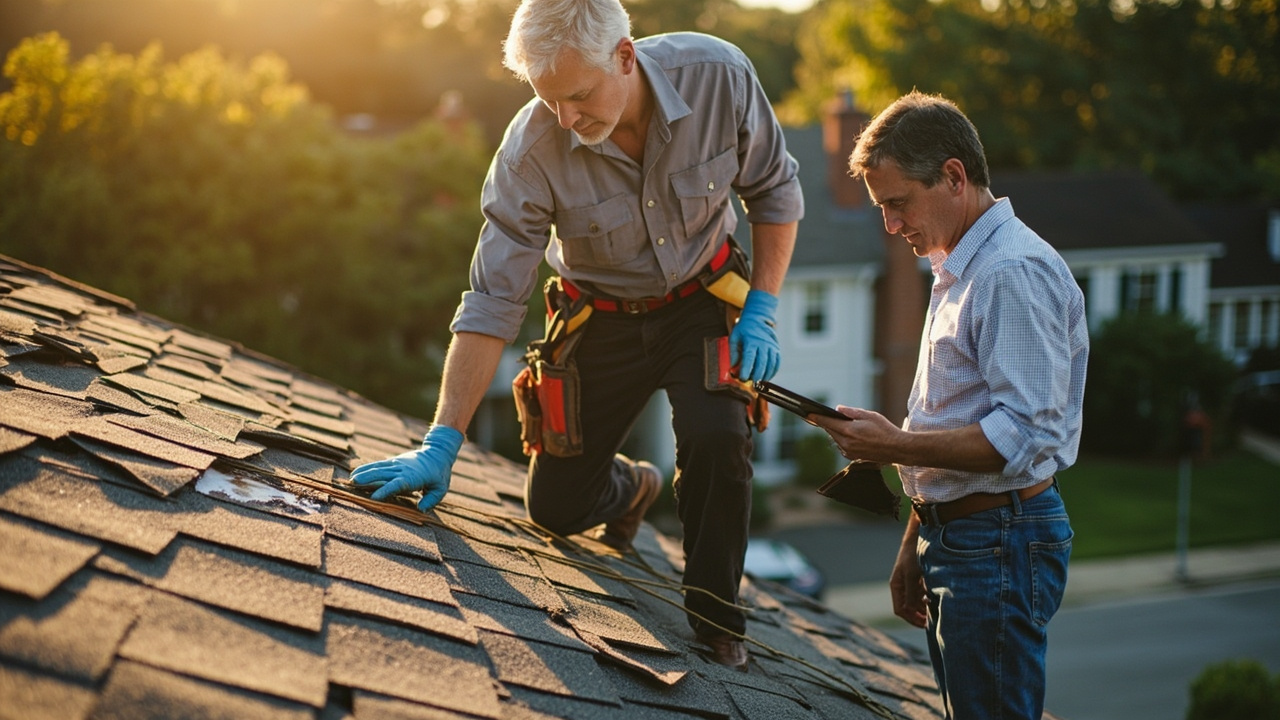
We schedule a two-hour site visit where our team examines your roof from multiple angles. This includes attic access to check for water staining, ventilation issues, and insulation problems. We use moisture meters on suspected problem areas and document every finding with timestamped photos. You receive a preliminary verbal assessment on-site explaining what we found and what additional testing we recommend.
02

Data Collection and Testing

Over the next 24 hours, we analyze thermal images, review building permits to determine roof age, and cross-reference your property with D.C. building code requirements. If your home is in a historic district, we check preservation guidelines that affect material choices. We calculate remaining shingle life based on granule loss, measure flashing gaps with precision tools, and assess whether your ventilation meets current standards for Washington, D.C. climate conditions.
03

Written Report Delivery

You receive a bound report with annotated photos, cost projections for repair and replacement scenarios, and lifespan estimates for each option. We break down what happens if you repair now and replace in three years versus replacing today. The report includes material recommendations specific to D.C. weather patterns and a timeline for scheduling work. We walk you through the findings by phone or in person so you understand exactly what you are paying for.

Why Washington, D.C. Property Owners Trust Our Evaluation Process

Most roofing companies in Washington, D.C. send a salesperson to your home who wants to close a deal that afternoon. They eyeball your roof, quote a replacement, and pressure you to sign. That approach serves their revenue goals, not your financial interests.

Ace Roofing Washington DC separates the evaluation process from the sales process. The technician who inspects your roof does not earn commission on whether you repair or replace. This removes the incentive to upsell. We have walked away from replacement jobs when the data showed a repair would give the homeowner five more years of reliable service.

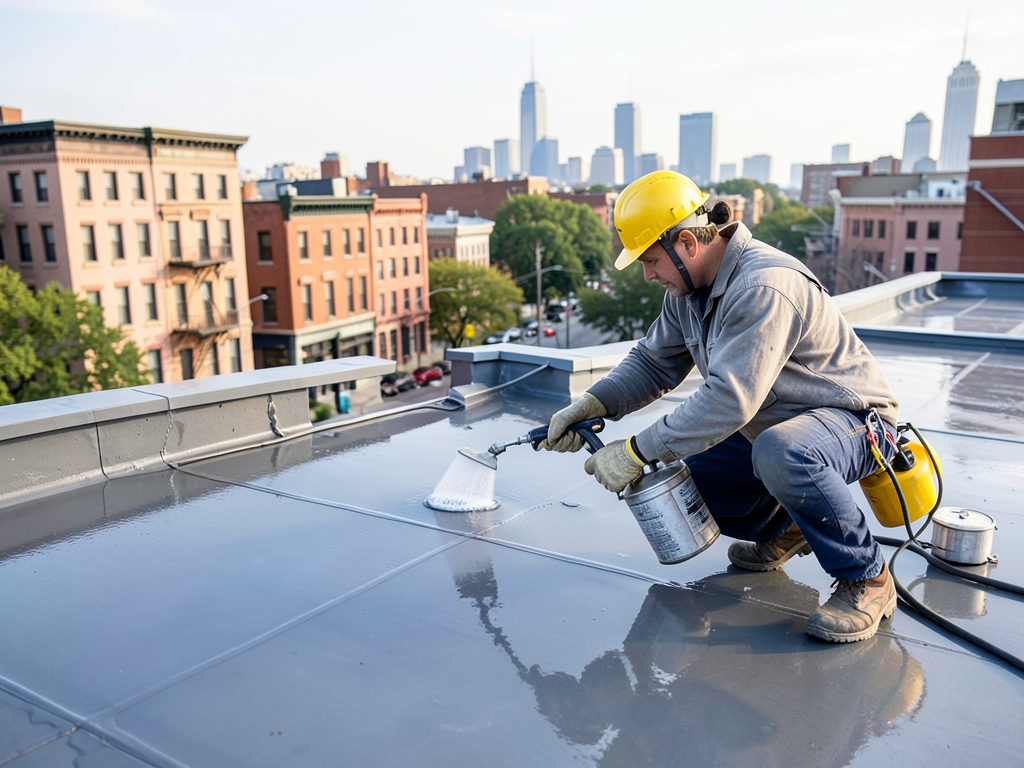
We understand D.C. building patterns. Rowhouses in Shaw and Columbia Heights have shared party walls that complicate flashing details. Victorian homes in Takoma Park have multiple roof planes and decorative elements that increase labor complexity. Mid-century ramblers in Chevy Chase often have low-slope sections that require modified bitumen rather than standard shingles. Our evaluations account for these architectural details.

We know which D.C. neighborhoods have clay soil that shifts foundations and creates roof stress. We recognize when a roof problem is actually a structural settlement issue that needs engineering review before any roofing work begins. That level of diagnostic thinking prevents you from spending money on a roof repair when the real problem is foundation movement.

Our evaluation reports have been used by property buyers during home inspections, by insurance adjusters processing claims, and by condo associations planning capital improvements. The documentation quality matters when you need third-party validation.

What Your Roof Analysis Includes

48-Hour Report Turnaround

From the moment we complete your inspection, you receive a written analysis within two business days. This includes all diagnostic findings, photo documentation, and cost projections. If you have an urgent situation such as an active leak or storm damage, we expedite the process and deliver preliminary findings within 24 hours. The timeline allows you to make informed decisions while addressing immediate damage control needs. We do not leave you waiting three weeks for information about your own property.

Comprehensive Diagnostic Assessment

Your evaluation begins with a detailed inspection covering shingle condition, flashing integrity, ventilation adequacy, and structural decking. We use thermal imaging to detect hidden moisture and probe suspected soft spots for delamination. Attic access allows us to check for water staining, mold growth, and insulation problems. We measure roof pitch, calculate square footage, and identify code compliance issues. The assessment examines not just what is broken, but why it failed and whether other components are approaching end of life. You get the complete picture, not just a patch quote.

Detailed Cost and Lifespan Projections

Your report includes side-by-side cost comparisons for repair versus replacement scenarios. We project remaining lifespan for each option and calculate the annual cost over that period. If a repair costs three thousand dollars and lasts three years, that is one thousand dollars per year. If a replacement costs fifteen thousand and lasts 25 years, that is six hundred dollars per year. The math clarifies which option delivers better long-term value. We include material recommendations specific to Washington, D.C. climate and your property type, with explanations of why certain products perform better in this region.

Follow-Up Consultation and Guidance

After you receive the written report, we schedule a follow-up call or meeting to answer questions and discuss next steps. If you choose to move forward with repair or replacement, we provide a detailed scope of work and project timeline. If you decide to monitor the situation and reassess in six months, we note the specific warning signs to watch for. The evaluation does not expire. You can reference it when speaking with insurance adjusters, when selling your home, or when planning future capital improvements. We remain available to clarify findings or update recommendations as conditions change.

Frequently Asked Questions

You Have Questions,
We Have Answers

What is the difference between replace and repair? +

Repair addresses a specific problem by fixing or replacing damaged components to restore function. Replace involves removing the entire system and installing a new one. For roofs in Washington, D.C., repair makes sense for isolated damage like missing shingles or small leaks. Replace becomes necessary when widespread deterioration affects multiple areas, the roof exceeds its lifespan, or repair costs approach 50 percent of replacement cost. Factors like age, extent of damage, and whether your roof meets current D.C. building codes influence the decision. A full assessment identifies hidden damage that might tip the scale toward replacement.

How do you determine if you should repair or replace a machine? +

Evaluate the machine's age against its expected lifespan. If repair costs exceed 50 percent of replacement cost, replacing usually makes more financial sense. Consider how frequently breakdowns occur. Repeated repairs signal systemic failure. Check energy efficiency. Older units consume more power and drive up utility bills. For HVAC systems in Washington, D.C., humidity control matters. If your unit cannot manage the muggy summers, replacement delivers better comfort. Factor in whether parts remain available. Obsolete equipment forces you into replacement. Assess whether current codes require upgrades. Sometimes repair triggers mandatory system updates that make replacement the smarter path.

What is the $5000 rule for AC? +

The five thousand dollar rule multiplies your air conditioner's age by repair cost. If the total exceeds five thousand, replace the unit instead of repairing it. A ten year old system needing a six hundred dollar repair equals six thousand, suggesting replacement. This rule accounts for diminishing returns on aging equipment. In Washington, D.C., where summer humidity stresses HVAC systems, older units lose efficiency faster. High humidity accelerates wear on compressors and coils. Modern systems offer better dehumidification and lower energy consumption. The rule provides a quick cost-benefit benchmark, though you should also consider refrigerant type and whether your system meets current efficiency standards.

What are the 4 types of repair in communication? +

The four types of repair in communication involve self-repair, where speakers correct their own errors mid-sentence, and other-repair, where listeners identify and address misunderstandings. The third type, embedded repair, occurs within the conversation flow without stopping dialogue. The fourth, exposed repair, interrupts communication to clarify meaning. While these apply to verbal exchanges, the concept translates to diagnostic processes. Contractors identify communication breakdowns between building systems. Water intrusion signals failed waterproofing communication. In Washington, D.C., where historic buildings use different construction languages than modern structures, understanding these repair types helps technicians diagnose where system integration fails and restoration must occur.

Why is it better to repair than replace? +

Repairing reduces waste by keeping functional components in service. It costs less upfront than full replacement. For roofs in Washington, D.C., strategic repairs extend lifespan without the disruption of total replacement. Repair makes environmental sense by avoiding landfill waste and reducing manufacturing demand. It preserves historic materials on older D.C. properties where matching original elements matters. Repair works when damage remains localized and the underlying system maintains structural integrity. However, this only applies when the core system has remaining useful life. Repeated repairs on failing systems waste money. The key is timing your repair while the majority of components still function properly.

What is the $3000 rule for cars? +

The three thousand dollar rule suggests you should not repair a car if the cost exceeds the vehicle's current value or if repair costs reach three thousand dollars on a car worth less than that amount. This prevents throwing money into a depreciating asset. The principle applies to building systems. For roofs in Washington, D.C., if repair costs approach half the replacement cost on a roof near its lifespan end, replacement delivers better value. The rule accounts for cascading failures. Fixing one problem on an aged system often reveals additional issues. You end up paying repair prices while still facing imminent replacement needs.

What are the 3 C's of auto repair? +

The three Cs are cost, condition, and coverage. Cost evaluates whether repair expenses fit your budget and deliver value compared to replacement. Condition assesses the overall state of the system beyond the immediate problem. A single issue on an otherwise sound roof differs from widespread deterioration. Coverage examines your insurance policy and what protection you have for repairs versus replacement. In Washington, D.C., where storm damage occurs, understanding your coverage prevents financial surprises. Some policies cover full replacement cost while others provide actual cash value that accounts for depreciation. These three factors guide whether repair or replacement makes financial and practical sense.

What are the 4 types of maintenance strategies? +

Reactive maintenance addresses failures after they occur. Preventive maintenance follows a scheduled timeline to catch problems before breakdown. Predictive maintenance uses condition monitoring and data to forecast failures and intervene early. Reliability-centered maintenance analyzes failure modes and focuses resources on critical systems. For roofs in Washington, D.C., preventive strategies like annual inspections identify small leaks before they cause interior damage. Predictive approaches monitor aging materials and replace them before failure. Reactive strategies cost more because emergency repairs and secondary damage drive up expenses. Most property owners benefit from combining preventive inspections with predictive assessments of component lifespan based on local climate stress.

What factors should be considered when confirming the proper functioning of a repaired or replaced part of a microwave oven? +

Verify the microwave heats food evenly by testing different container positions. Check that the door seals properly and the interlock system prevents operation when open. Confirm the turntable rotates smoothly. Test all power settings to ensure consistent performance. Listen for unusual noises that indicate mechanical problems. Inspect the interior for arcing or sparking. Verify the control panel responds correctly. In commercial settings common throughout Washington, D.C., ensure the unit meets voltage requirements and does not trip breakers. Confirm ventilation systems exhaust properly. Document the repair and test results. For replaced magnetrons or capacitors, verify proper grounding. Safety interlocks must function correctly to prevent radiation exposure.

What is the 3 minute rule for AC? +

The three minute rule requires you to wait three minutes after your air conditioner shuts off before restarting it. This delay allows refrigerant pressures to equalize throughout the system. Immediate restart forces the compressor to work against high pressure, which damages the motor and shortens equipment life. The rule applies during power outages or when troubleshooting. In Washington, D.C., where summer storms cause brief power interruptions, this wait time protects your investment. Many modern systems include built-in delay timers. Ignoring this rule voids some warranties and leads to premature compressor failure. The brief wait prevents expensive repairs and extends your system's functional lifespan.

How D.C.'s Historic District Rules Impact Your Roof Repair or Replace Decision

Washington, D.C. has strict historic preservation requirements in neighborhoods like Georgetown, Capitol Hill, and Dupont Circle. If your property sits within a designated historic district, you need approval from the Historic Preservation Review Board before replacing your roof. This process adds 30 to 60 days to your timeline and restricts material choices. You cannot install modern architectural shingles on a Victorian rowhouse if the original roof used slate or wood shake. The fix vs replace roof evaluation must account for whether your repair avoids triggering review requirements or whether replacement forces you into expensive period-appropriate materials and extended permit timelines.

Ace Roofing Washington DC works with properties across all eight wards of the city. We understand which repairs qualify as maintenance and which trigger historic review. We know how D.C.'s building codes differ from surrounding Maryland and Virginia jurisdictions. Our team has completed projects in designated historic districts and can guide you through the approval process if replacement is your best option. Choosing a local contractor who understands these regulatory layers prevents delays and ensures your project meets both structural requirements and preservation standards. The roof repair or replace decision guide we provide factors in all local compliance considerations specific to your property location.
Roofing Services in The Washington DC Area

We are proud to serve the entire Washington DC metropolitan area, including all surrounding neighborhoods and communities. Our central location allows us to dispatch our expert teams quickly for emergency repairs or scheduled consultations. Whether you're in Dupont Circle, Georgetown, Capitol Hill, or beyond, we bring premier, trustworthy roofing services directly to your doorstep. View our service area map below to confirm we cover your specific location and then call us to get started on your project.

Address:
Ace Roofing Washington DC, 20 F St NW, Washington, DC, 20001

Additional Services We Offer

Our news updates

Latest Articles & News from The Blogs

How Poor Roof Drainage Can Ruin Your Landscaping in Cathedral Heights Heavy rainstorms in Washington DC create serious challenges for…

How Poor Roof Drainage Can Ruin Your Landscaping in Cathedral Heights

How Poor Roof Drainage Can Ruin Your Landscaping in Cathedral Heights Heavy rainstorms in Washington DC create serious challenges for…

Why You Should Never Install a New Roof Over Your Old Shingles in Hill East

Why Roof Overlays Are a Short-Term Gamble in Hill East Homeowners in Hill East often face a choice when their…

A Homeowner Guide to Comparing Different Roofing Quotes in Washington DC

A Homeowner Guide to Comparing Different Roofing Quotes in Washington DC Getting multiple roofing quotes in Washington DC can feel…

Contact Us

Stop guessing whether repair or replacement makes sense. Call (771) 240-3300 to schedule your diagnostic inspection. You will have a written analysis with cost projections and lifespan data within 48 hours. Make the decision based on facts, not sales pressure.