menu

Flat Roof Repair & Restoration in Washington, D.C. | Minimize Downtime with Industrial-Grade Solutions

Ace Roofing Washington DC delivers commercial flat roof restoration that keeps your business operational. We specialize in low slope roof refurbishment and industrial flat roof repair designed to extend asset life and protect your bottom line.

Slider Image 1
Slider Image 2
Slider Image 3
Slider Image 4
Slider Image 5
Slider Image 7
Slider Image 8
Slider Image 9
Slider Image 10
Slider Image 11

Flat Roof Failures Cost D.C. Businesses More Than You Think

A failing flat roof in Washington, D.C. means more than water stains on your ceiling tiles. It means interrupted operations, spoiled inventory, liability exposure, and tenant complaints. The District's aggressive freeze-thaw cycles between December and March crack membrane seams. Summer heat exceeding 90 degrees for weeks at a time degrades asphalt and coal tar coatings. Standing water from clogged scuppers leads to ponding that accelerates membrane deterioration.

Commercial properties in NoMa, Navy Yard, and along the H Street Corridor face unique challenges. Many buildings were constructed between 1960 and 1985 with built-up roofing systems now decades past their service life. The original specifications did not account for increased rainfall intensity. The District now receives approximately 40 inches of precipitation annually, with storm events dumping two to three inches in under an hour. Your roof was not designed for this.

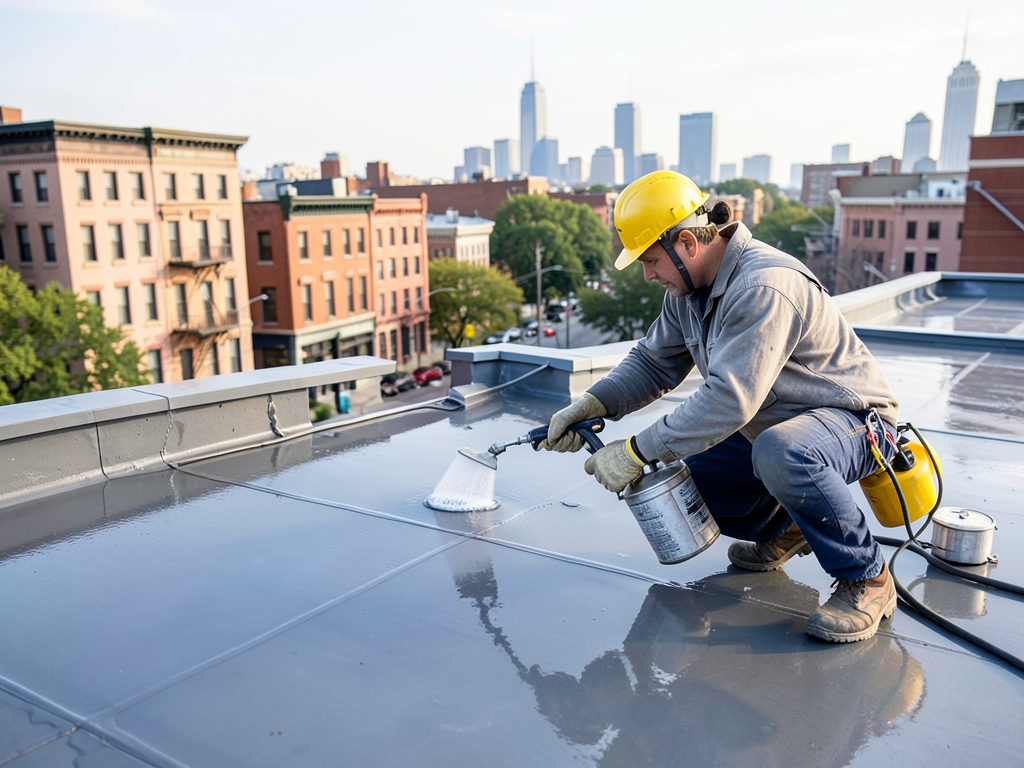
Industrial flat roof repair addresses structural deck issues, failed insulation, and compromised drainage systems. Commercial roof coating services extend membrane life by creating a monolithic barrier against UV degradation and thermal cycling. Low slope roof refurbishment tackles the root cause, not just the visible symptom. Commercial roof waterproofing protects your capital investment and maintains business continuity. Delaying repair compounds the problem. A small membrane puncture today becomes a full section replacement in six months. The cost differential is substantial.

Flat Roof Failures Cost D.C. Businesses More Than You Think
How We Approach Commercial Flat Roof Restoration

How We Approach Commercial Flat Roof Restoration

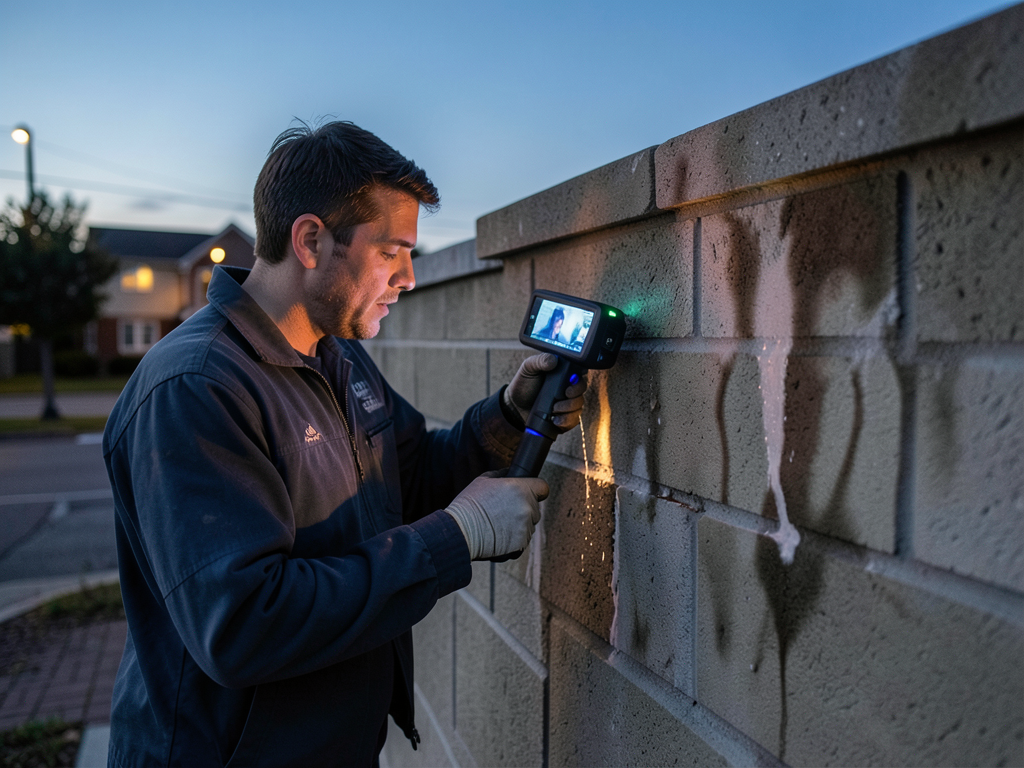
Ace Roofing Washington DC does not patch and pray. We perform infrared moisture scanning to identify saturated insulation hidden beneath the membrane. Wet insulation loses R-value and adds dead load to your structural deck. We core sample at strategic locations to evaluate substrate condition and determine if a recover system is viable or if a full tear-off is necessary.

Our industrial flat roof repair process includes structural deck evaluation. We check for deflection, rot, and fastener withdrawal. If your building has a steel deck, we inspect for corrosion at seams and penetrations. Concrete decks receive crack mapping and spall analysis. This is not cosmetic work. This is engineering.

We specify commercial roof coating services based on substrate compatibility and performance requirements. Silicone coatings handle ponding water. Acrylic coatings offer superior dirt pickup resistance for roofs visible from upper floors. Polyurethane coatings provide impact resistance in high-traffic areas near HVAC units.

Our low slope roof refurbishment includes drainage improvements. We re-pitch problem areas, replace failed scuppers, and install additional drains where ponding occurs. Water must move off your roof within 48 hours. Standing water voids most manufacturer warranties and accelerates every failure mode.

Commercial roof waterproofing extends to parapets, curbs, and penetrations. We detail every transition with compatible flashings and sealants. Your roof is a system. Every component must perform. We do not leave until it does.

How Your Flat Roof Restoration Project Unfolds

Flat Roof Repair & Restoration in Washington, D.C. | Minimize Downtime with Industrial-Grade Solutions
01

Roof Condition Assessment

We conduct a comprehensive roof inspection using infrared thermography and core sampling to map moisture intrusion and substrate damage. You receive a documented condition report with photographic evidence, moisture maps, and a prioritized repair scope. This assessment determines whether your roof qualifies for restoration or requires full replacement. We identify code compliance issues and structural deficiencies that affect project viability and cost.
02

Restoration Execution

Our crew removes saturated insulation, repairs structural deck deficiencies, and installs new tapered insulation to eliminate ponding. We apply base sheets, reinforcing fabric, and coating systems in accordance with manufacturer specifications. All work occurs during scheduled windows to minimize operational disruption. We coordinate with your facility manager to avoid conflicts with deliveries, tenant access, or sensitive operations. Penetrations receive custom flashing details to ensure watertight integrity.
03

Final Testing and Handoff

We perform flood testing on all horizontal transitions and a final infrared scan to verify complete moisture remediation. You receive as-built documentation, product data sheets, and a maintenance protocol tailored to your roof system. We walk your facilities team through proper drain maintenance and early warning signs of future problems. Your roof enters service with a clear baseline and a maintenance roadmap that protects your investment.

Why D.C. Property Managers Choose Ace Roofing Washington DC

We understand the D.C. Department of Consumer and Regulatory Affairs building code requirements. We know the permit process. We know the inspection protocols. We have worked on buildings in every ward, from Capitol Hill rowhouse conversions to industrial properties in Ivy City. We know what the inspectors look for because we speak their language.

Our crews are experienced with the challenges of urban roofing in the District. Limited staging areas, restricted access, and occupied buildings require a different approach than suburban projects. We coordinate with adjacent property owners when crane access crosses lot lines. We manage debris removal in compliance with D.C. waste hauling regulations. We work within noise ordinances and respect your tenants.

We also understand that your roof is a capital asset with a depreciation schedule and a line item in your operating budget. We provide decision-grade information. Our proposals include multiple options with lifecycle cost analysis. You see the financial impact of repair versus replacement. You see the ROI of preventive coating systems versus reactive leak repairs. We provide the data you need to defend your budget to ownership or your board.

Ace Roofing Washington DC does not upsell. We present the scope required to solve the problem. If a section replacement will buy you five years and fit your capital plan, we tell you. If a full restoration will deliver 15 years of service and better ROI, we show you the math. You make the decision. We execute it correctly.

What to Expect When You Engage Ace Roofing Washington DC

Project Timeline and Scheduling

Most commercial flat roof restoration projects in the District take two to four weeks from permit approval to final inspection. We schedule work in phases to maintain building operations. If you have retail tenants, we work nights. If you have temperature-sensitive operations, we stage work to avoid compromising environmental controls. Emergency repairs mobilize within 24 hours. Planned restoration projects begin within two weeks of contract execution, weather permitting. We provide a detailed schedule with milestones and contingency plans for weather delays. You know what to expect and when.

Initial Roof Evaluation Process

Our initial assessment includes roof access, visual inspection, moisture detection, and core sampling. We document existing conditions with photographs and measurements. You receive a written report within 48 hours that identifies failure modes, remaining service life, and repair options. We include budget-level cost estimates for each option. This evaluation costs you nothing if you proceed with the recommended scope. The assessment takes two to four hours depending on roof size and complexity. We coordinate with your facilities team to ensure safe access and minimal disruption.

Quality of Final Deliverable

You receive a roof system engineered to meet or exceed the current D.C. building code for wind uplift, fire rating, and thermal performance. All work is documented with photographs, material certifications, and third-party inspection reports if required by your lender or ownership. Your roof passes final inspection on the first submission. We do not leave punchlist items. We do not leave job site debris. We leave you with a watertight building envelope and the documentation to prove it. You can immediately update your property condition assessment and depreciation schedule.

Maintenance and Long-Term Performance

We provide a maintenance protocol specific to your roof system. This includes drain cleaning frequency, coating inspection intervals, and early warning signs of potential problems. We offer annual inspection services to identify minor issues before they become major failures. Your facilities team receives training on proper roof access procedures and what to look for during routine inspections. We maintain project records and material lot numbers for future reference. If you need additional work in five years, we have the original specifications and substrate conditions documented. This eliminates guesswork and reduces future project costs.

Frequently Asked Questions

You Have Questions,
We Have Answers

What is the average cost to repair a flat roof? +

Flat roof repair costs vary based on damage extent, membrane type, and building size. Minor patching runs lower, while significant membrane replacement or substrate repairs increase costs. Washington, D.C. commercial properties face unique factors like historic district compliance and rooftop HVAC equipment access. TPO and EPDM repairs differ in material pricing. Substrate damage from moisture infiltration adds expense. Expect cost drivers to include membrane square footage, decking condition, and code-required upgrades. Request a detailed inspection to identify hidden damage before budgeting. Commercial properties should factor in business disruption costs when planning repairs.

Is it expensive to repair a flat roof? +

Flat roof repair is expensive relative to neglect costs. Deferred maintenance leads to structural damage, inventory loss, and business interruption far exceeding repair expenses. Washington, D.C. commercial buildings face freeze-thaw cycles and high humidity that accelerate deterioration. Early intervention prevents costly substrate replacement. Membrane patches cost less than full tear-offs. Factor in liability exposure from leaks damaging tenant spaces or violating lease terms. Commercial properties should view repairs as risk mitigation, not discretionary spending. Proper budgeting includes inspection intervals and preventive maintenance to avoid emergency repairs during peak business periods.

How often should a flat roof be redone? +

Commercial flat roofs need replacement every 15 to 30 years depending on membrane type and maintenance quality. EPDM and TPO systems last 20 to 25 years with proper care. Modified bitumen performs similarly. Washington, D.C. weather, including intense summer heat and winter freeze-thaw cycles, affects longevity. High foot traffic from HVAC maintenance accelerates wear. Schedule biannual inspections to catch small issues early. Buildings near the Potomac River face additional moisture exposure. Plan replacement when membrane shows widespread cracking, ponding water persists beyond 48 hours, or multiple leak incidents occur annually.

What is the best way to repair a flat roof? +

The best flat roof repair method depends on damage type and membrane material. Small punctures require patch-and-seal techniques using compatible materials. Larger sections need membrane overlays or complete replacement. Washington, D.C. commercial buildings benefit from infrared moisture scanning to identify saturated insulation before visible leaks appear. TPO requires heat-welded seams, while EPDM uses adhesive bonding. Address flashing failures at parapets and penetrations immediately. Proper substrate preparation prevents future failures. Commercial properties should prioritize methods that minimize business disruption and meet code requirements. Professional assessment determines whether localized repairs suffice or full restoration is needed.

How D.C.'s Urban Heat Island Effect Accelerates Flat Roof Deterioration

Washington, D.C. experiences surface temperatures 10 to 15 degrees higher than surrounding areas due to concentrated asphalt, concrete, and limited vegetation. This urban heat island effect subjects flat roofs to extreme thermal cycling. A black EPDM membrane in Navy Yard can reach 170 degrees on a July afternoon, then drop to 85 degrees overnight. This daily expansion and contraction fatigues seams and fasteners. Commercial roof coating services with high solar reflectance index ratings reduce surface temperatures by 30 to 50 degrees, extending membrane life and reducing cooling loads. The combination of heat and humidity in the District creates ideal conditions for biological growth on roof surfaces, particularly on north-facing sections that remain shaded. This growth retains moisture and accelerates coating degradation.

Ace Roofing Washington DC has worked on commercial properties throughout the District for years. We understand the specific requirements of the D.C. Department of Consumer and Regulatory Affairs. We know which inspectors prioritize fire ratings and which focus on structural loading. We maintain relationships with local suppliers who stock materials that meet D.C. code requirements. This local knowledge prevents delays. When we specify a roof coating system, it is already approved for use in the District. When we pull a permit, we know the typical review timeline and how to expedite when necessary. Choosing a contractor with D.C. experience means your project moves forward without code-related surprises or costly re-work.
Roofing Services in The Washington DC Area

We are proud to serve the entire Washington DC metropolitan area, including all surrounding neighborhoods and communities. Our central location allows us to dispatch our expert teams quickly for emergency repairs or scheduled consultations. Whether you're in Dupont Circle, Georgetown, Capitol Hill, or beyond, we bring premier, trustworthy roofing services directly to your doorstep. View our service area map below to confirm we cover your specific location and then call us to get started on your project.

Address:
Ace Roofing Washington DC, 20 F St NW, Washington, DC, 20001

Additional Services We Offer

Our news updates

Latest Articles & News from The Blogs

How Poor Roof Drainage Can Ruin Your Landscaping in Cathedral Heights Heavy rainstorms in Washington DC create serious challenges for…

How Poor Roof Drainage Can Ruin Your Landscaping in Cathedral Heights

How Poor Roof Drainage Can Ruin Your Landscaping in Cathedral Heights Heavy rainstorms in Washington DC create serious challenges for…

Why You Should Never Install a New Roof Over Your Old Shingles in Hill East

Why Roof Overlays Are a Short-Term Gamble in Hill East Homeowners in Hill East often face a choice when their…

A Homeowner Guide to Comparing Different Roofing Quotes in Washington DC

A Homeowner Guide to Comparing Different Roofing Quotes in Washington DC Getting multiple roofing quotes in Washington DC can feel…

Contact Us

Call Ace Roofing Washington DC at (771) 240-3300 to schedule your no-cost roof condition assessment. We deliver decision-grade information and industrial-grade solutions. Your roof is a capital asset. Treat it like one.