menu

Curling & Buckling Shingles in Washington, D.C. – Expert Diagnosis Stops Costly Water Damage

Warped asphalt shingles accelerate roof failure in D.C.'s humid climate. Our team identifies the root cause of shingle distortion and delivers precision repairs that protect your home from leaks, rot, and structural damage.

Slider Image 1
Slider Image 2
Slider Image 3
Slider Image 4
Slider Image 5
Slider Image 7
Slider Image 8
Slider Image 9
Slider Image 10
Slider Image 11

Why Your Shingles Are Warping in Washington, D.C.

You walk outside and notice your roof looks wavy. The shingles curl upward at the edges or buckle in the middle. This is not cosmetic. Curling and buckling shingles expose your roof deck to rain, and in D.C.'s climate, that means trouble.

Washington, D.C. sits in a humid subtropical zone. Summer heat can push surface temperatures on dark asphalt shingles past 160 degrees. When afternoon thunderstorms roll in, that rapid cooling causes expansion and contraction cycles that stress the shingle mat. Over time, the asphalt loses flexibility. The edges lift. The center ripples.

Cupping shingles form when the edges curl upward, creating concave channels that funnel water straight to vulnerable seams. Clawing shingles do the opposite. The center lifts while the edges stay flat, leaving gaps where wind-driven rain penetrates. Wavy shingles signal underlayment failure or trapped moisture in the roof deck, often from poor attic ventilation.

Shingle distortion accelerates in D.C. because of humidity. Moisture infiltrates the roof deck from below when attic ventilation fails. The wood swells. The shingles ripple. When the deck dries out, the shingles stay warped.

Historic rowhouses in Capitol Hill and Victorian homes in Petworth often lack modern ridge vents or soffit intake, creating the perfect environment for this cycle. If your shingles look warped, the clock is ticking. Water infiltration leads to rot, mold, and compromised structural framing.

Why Your Shingles Are Warping in Washington, D.C.
How We Diagnose and Repair Warped Asphalt Shingles

How We Diagnose and Repair Warped Asphalt Shingles

Curling and buckling shingles are symptoms, not the disease. Replacing shingles without addressing the root cause wastes your money and guarantees the problem returns.

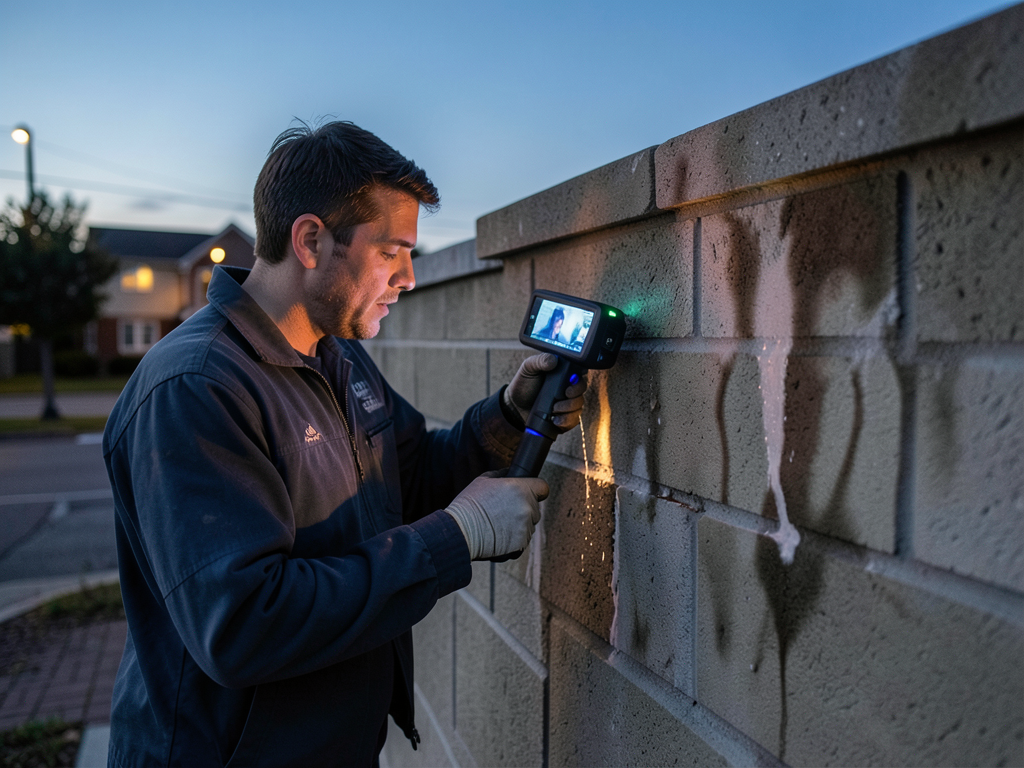
We start with a thermal imaging scan of your roof deck. This reveals moisture trapped in the sheathing, a common issue in older D.C. homes with inadequate attic airflow. We check the soffit vents for blockages, inspect the ridge vent for proper installation, and measure attic temperature differentials. If your attic is 20 degrees hotter than outside air, you have a ventilation failure.

Next, we examine the existing shingle installation. Were the shingles nailed too high on the nail line? This causes clawing. Were they overdriven with a pneumatic nailer, crushing the mat? This accelerates aging. Was the underlayment installed over damp sheathing? Trapped moisture causes buckling.

Once we identify the cause, we remove the compromised shingles and inspect the roof deck for soft spots. If the plywood sheathing shows delamination or spongy areas, we replace those sections. We install synthetic underlayment that resists moisture transmission, then install new architectural shingles with precision hand-nailing in the correct zone.

For homes with ventilation deficiencies, we retrofit ridge vents and add baffles to maintain airflow from soffit to ridge. This stops the heat buildup and moisture cycling that caused the original distortion. You get a roof system, not just a shingle patch.

What Happens During Your Shingle Repair

Curling & Buckling Shingles in Washington, D.C. – Expert Diagnosis Stops Costly Water Damage
01

Roof Deck Inspection

We pull sample shingles and inspect the underlayment and sheathing for moisture damage, nail pops, or delamination. Thermal imaging identifies hidden moisture pockets that cause future buckling. If your attic ventilation is insufficient, we document airflow deficiencies and temperature gradients. This diagnostic phase determines whether you need spot repairs or systemic corrections to prevent recurrence.
02

Sheathing and Ventilation Repair

Any compromised roof deck sections get replaced with CDX plywood matched to your existing thickness. We retrofit proper ventilation if your home lacks it, installing ridge vents and soffit baffles to establish continuous airflow. This step eliminates the moisture cycling that caused the original shingle distortion. For older D.C. homes with closed soffits, we may add gable vents or powered attic fans to achieve code-compliant ventilation rates.
03

Precision Shingle Replacement

We install synthetic underlayment and new architectural shingles using hand-driven nails placed in the correct nail zone to prevent future clawing or blow-offs. Each shingle receives four nails minimum, six in high-wind areas near parapets or roof edges. We match your existing shingle color and profile so repairs blend seamlessly. Final inspection confirms proper seal-down and validates that your roof meets manufacturer specifications for warranty compliance.

Why D.C. Homeowners Trust Our Shingle Diagnosis

Curling and buckling shingles confuse most homeowners because the damage looks random. One section of the roof warps while another stays flat. Generic roofers blame age and sell you a full replacement. We find the actual cause and fix it.

Washington, D.C. enforces strict historic preservation codes in neighborhoods like Georgetown, Dupont Circle, and Capitol Hill. You cannot just tear off a roof and start over without triggering a permitting review. We understand the nuances of working within the Historic Preservation Review Board requirements. Our team knows which roofing materials match period-appropriate aesthetics while meeting modern wind and fire ratings.

D.C.'s row house construction creates unique challenges. Shared party walls mean your roof connects to your neighbor's structure. If your sheathing fails, water can migrate laterally into adjacent properties. We coordinate with adjoining homeowners when necessary to ensure repairs protect everyone.

We also understand D.C.'s microclimates. Homes near the Anacostia River or Rock Creek Park experience higher humidity and slower drying times after rain. Roofs in these areas need better ventilation and moisture-resistant underlayment. Properties on higher elevations in Northwest D.C. face stronger wind exposure, requiring upgraded fastening patterns to prevent shingle blow-offs.

You need a roofer who understands these variables. Ace Roofing Washington DC has repaired warped shingles on Victorian mansions, brick colonials, and modern infill construction across all four quadrants. We do not guess. We diagnose, then fix it right.

What to Expect When You Call Us

Fast Scheduling and Assessment

We schedule inspections within 48 hours of your call. Most roof assessments take 30 to 45 minutes. You get same-day photo documentation of the damage and a written diagnosis explaining what caused the shingle distortion. If we find active leaks or compromised flashing, we can perform emergency tarping or temporary sealing to prevent further water intrusion while you decide on repairs. No pressure, just information you can use to make the right decision.

Detailed Cause Analysis

You receive a full breakdown of what caused your shingles to warp. We document ventilation deficiencies, improper installation techniques, or roof deck damage with photos and thermal imaging data. If your shingles are failing due to a manufacturing defect, we help you file warranty claims with the manufacturer. If the cause is installation error, we provide documentation for potential claims against the original installer. You get transparency, not a generic sales pitch for a full replacement.

Precision Repairs That Last

Our repairs match the quality of new roof installations. We do not slap shingles over failed underlayment or ignore ventilation problems. Every repair includes proper roof deck preparation, moisture barrier installation, and code-compliant fastening. You get a roof section that performs as well as the day it was installed, with proper granule coverage, seal integrity, and wind resistance. Repairs blend with your existing roof so you cannot tell where the new work starts.

Ongoing Maintenance Guidance

After repairs, we provide a maintenance checklist specific to your roof type and D.C.'s climate. This includes gutter cleaning schedules, attic ventilation checks, and signs of early shingle wear to watch for. We offer annual inspection services to catch small issues before they become expensive problems. If your roof includes skylights, chimneys, or complex flashing details, we document these areas and provide targeted maintenance recommendations to extend your roof's lifespan.

Frequently Asked Questions

You Have Questions,
We Have Answers

Is it normal for roof shingles to buckle? +

No. Buckling shingles signal a problem with your roof system. Normal shingles lie flat and stay flexible enough to handle thermal expansion. When they buckle, it usually means trapped moisture in the roof deck, poor ventilation, or installation errors. Washington, D.C. experiences high humidity and temperature swings that worsen these conditions. Buckled shingles expose your underlayment to UV damage and water infiltration. If you spot waves or raised sections on your roof, you need an inspection quickly. Ignoring buckled shingles leads to leaks, mold growth in the attic, and expensive repairs down the line.

How to fix curled up shingles? +

You cannot truly fix curled shingles. The asphalt has already lost its oils and flexibility. Applying adhesive might temporarily flatten edges, but the curl returns within weeks. The only reliable fix is replacement. A roofer will remove the damaged shingles, inspect the underlayment for water damage, and install new ones. In Washington, D.C., curling often happens faster on south-facing slopes due to intense sun exposure. If only a few shingles are curled, spot replacement works. If curling affects large sections, you likely need a full roof replacement to avoid repeated failures and leaks.

How to fix buckling shingles? +

Fixing buckling requires identifying the root cause first. If poor ventilation caused the buckling, you must add ridge vents or soffit vents before replacing shingles. If moisture trapped in the decking is the issue, the decking may need drying time or replacement. Simply nailing down buckled shingles does not work. The shingle will buckle again. A qualified roofer removes the affected shingles, addresses the ventilation or moisture problem, replaces any damaged decking, and installs new shingles properly. Washington, D.C. homes with older attic ventilation systems frequently experience buckling during humid summers.

What do buckling shingles look like? +

Buckling shingles create visible waves or humps running vertically up the roof slope. The shingles lift away from the deck in a consistent pattern, forming ridges you can see from the ground. Unlike curling, which affects shingle edges, buckling raises entire sections. You may notice the humps follow the lines of underlying deck boards. In Washington, D.C., buckling often appears on newer roofs with ventilation mistakes or wet sheathing installed during construction. The raised areas catch wind and water, accelerating damage. If your roof looks wavy instead of flat, you are seeing buckled shingles.

Why are my shingles curling up? +

Shingles curl because the asphalt mat dries out and contracts. This happens from prolonged UV exposure, poor attic ventilation causing excessive heat, or simply age. Washington, D.C. summers produce high heat and humidity, which accelerates shingle degradation on south and west-facing slopes. Low-quality shingles curl faster than architectural grades. Once the oils bake out of the asphalt, the edges lift and cup. Curling exposes the roof to wind-driven rain and reduces the shingle's ability to shed water. If your shingles are over 15 years old and curling, replacement is the practical solution.

Is buckling a sudden failure? +

No. Buckling develops gradually as moisture accumulates in the roof deck or ventilation problems worsen. You may not notice it immediately because the humps start small. Over weeks or months, thermal cycling expands and contracts the wet decking, pushing shingles upward. Washington, D.C. freeze-thaw cycles in winter and humid summers create ideal conditions for gradual buckling. By the time homeowners spot the waves from the ground, the problem has existed for a while. Buckling does not happen overnight like storm damage. It signals an ongoing moisture or ventilation issue that needs correction before further damage occurs.

Do curling shingles need to be replaced? +

Yes. Curled shingles cannot protect your roof. The edges lift and allow wind-driven rain to penetrate the underlayment. Curling also makes shingles brittle, so they crack easily under foot traffic or hail. In Washington, D.C., summer storms bring heavy rain that exploits any gap in your roof's defense. If curling is widespread, replace the entire roof. If only a section curls, targeted replacement may work temporarily, but the rest will follow soon. Curling indicates the shingles have reached the end of their service life. Delaying replacement risks water damage to your attic, insulation, and ceilings.

How to tell if a roofer is lying? +

A dishonest roofer pushes for full replacement when repairs would work, refuses to show you the damage up close, avoids written estimates, or pressures you to sign immediately. Ask to see photos of the problem areas. A trustworthy roofer explains what caused the issue and shows you options. In Washington, D.C., storm chasers appear after severe weather and claim your roof is totaled without proper inspection. Verify licensing, check references, and get multiple opinions. If a roofer discourages you from getting a second estimate or says your insurance will cover everything without documentation, walk away.

Will insurance pay for lifted shingles? +

It depends on what caused the lifting. Insurance typically covers wind damage or storm-related incidents but excludes wear and tear, poor installation, or lack of maintenance. If high winds lifted your shingles during a documented storm in Washington, D.C., your claim has merit. Take photos immediately and document the date. Your adjuster will inspect for wind damage patterns. If lifting resulted from age, improper nailing, or deteriorated adhesive strips, the insurer will deny the claim. Review your policy and file quickly after storm events. Delayed claims raise red flags with adjusters.

Why are my shingles lifting up? +

Shingles lift because of inadequate nailing, failed adhesive strips, or wind damage. Installers must place nails in the correct zone and use enough fasteners. Washington, D.C. wind gusts can exceed 50 mph during storms, testing poorly installed roofs. As shingles age, the tar strips that seal each course lose grip, especially if the roof never heated enough after installation to activate the adhesive. Lifted shingles flap in wind, tearing and allowing water entry. If you see lifted tabs after a storm, secure them quickly. If lifting is widespread without storm damage, the installation was likely defective.

How D.C.'s Humidity and Freeze-Thaw Cycles Accelerate Shingle Failure

Washington, D.C. averages 39 inches of rain annually, with summer humidity levels regularly exceeding 70 percent. This moisture-rich environment accelerates shingle aging. When asphalt shingles absorb moisture, the mat swells. When the sun bakes that moisture out, the mat contracts. Over hundreds of cycles, the fiberglass mat loses structural integrity. The shingle curls or buckles. Winter freeze-thaw cycles compound the damage. Water trapped under lifted shingle edges freezes, expands, and lifts the shingle further from the deck. Each cycle worsens the distortion.

D.C. homes built before 1980 often lack adequate attic ventilation, a code requirement that became standard later. Older rowhouses in Shaw, Columbia Heights, and H Street NE have sealed attics with no ridge vents or soffit intake. This traps superheated air in summer and moisture in winter, creating the perfect conditions for shingle distortion. Local roofers who understand these legacy construction issues deliver repairs that last. National chains do not account for these variables. We do, because we have been repairing D.C. roofs for years.
Roofing Services in The Washington DC Area

We are proud to serve the entire Washington DC metropolitan area, including all surrounding neighborhoods and communities. Our central location allows us to dispatch our expert teams quickly for emergency repairs or scheduled consultations. Whether you're in Dupont Circle, Georgetown, Capitol Hill, or beyond, we bring premier, trustworthy roofing services directly to your doorstep. View our service area map below to confirm we cover your specific location and then call us to get started on your project.

Address:
Ace Roofing Washington DC, 20 F St NW, Washington, DC, 20001

Additional Services We Offer

Our news updates

Latest Articles & News from The Blogs

How Poor Roof Drainage Can Ruin Your Landscaping in Cathedral Heights Heavy rainstorms in Washington DC create serious challenges for…

How Poor Roof Drainage Can Ruin Your Landscaping in Cathedral Heights

How Poor Roof Drainage Can Ruin Your Landscaping in Cathedral Heights Heavy rainstorms in Washington DC create serious challenges for…

Why You Should Never Install a New Roof Over Your Old Shingles in Hill East

Why Roof Overlays Are a Short-Term Gamble in Hill East Homeowners in Hill East often face a choice when their…

A Homeowner Guide to Comparing Different Roofing Quotes in Washington DC

A Homeowner Guide to Comparing Different Roofing Quotes in Washington DC Getting multiple roofing quotes in Washington DC can feel…

Contact Us

Curling and buckling shingles will not fix themselves. Call Ace Roofing Washington DC at (771) 240-3300 for a fast, no-pressure inspection. We diagnose the cause, explain your options, and deliver repairs that protect your home. Schedule your assessment today.