menu

TPO vs EPDM Roofing Guide for Washington, D.C. – Choose the Right Membrane for District Humidity and Freeze-Thaw Cycles

Compare thermoplastic polyolefin and rubber roofing membranes side by side to protect your flat roof from Washington's extreme seasonal swings, from scorching summers to ice-damming winters, with detailed performance data tailored to District buildings.

Slider Image 1
Slider Image 2
Slider Image 3
Slider Image 4
Slider Image 5
Slider Image 7
Slider Image 8
Slider Image 9
Slider Image 10
Slider Image 11

Why Flat Roof Membrane Choice Matters in Washington's Punishing Climate

Washington, D.C. sits in a humid subtropical climate zone where summer temperatures hit 95 degrees with suffocating humidity, while winter lows plunge into the teens. This thermal swing creates a brutal cycle for flat roofs. Ice forms in December, thaws in February, refreezes in March, and repeats until April. Each freeze-thaw cycle expands and contracts your roof membrane, testing seam integrity and material flexibility.

Most commercial buildings in the District, from Capitol Hill rowhouses with parapet walls to Shaw neighborhood mixed-use developments, rely on flat or low-slope roofs. The difference between TPO and EPDM becomes mission-critical when you factor in UV exposure from summer sun reflecting off the Potomac River basin and ponding water from intense thunderstorms that dump two inches of rain in an hour.

TPO, or thermoplastic polyolefin, is a single-ply white membrane that reflects heat. EPDM is a black rubber membrane that absorbs it. The EPDM vs TPO cost comparison starts with material pricing, but the real calculation involves energy costs, lifespan under local conditions, and replacement frequency. Washington building owners need to understand TPO vs EPDM pros and cons before committing to a 20-year roofing decision.

The question is not just TPO or EPDM for flat roof applications. It is which membrane survives humidity, hail, and the specific thermal stress patterns that hit buildings east of Rock Creek Park differently than those near the Anacostia River. Geographic microclimates matter. Membrane science matters more.

Why Flat Roof Membrane Choice Matters in Washington's Punishing Climate
How TPO and EPDM Membranes Perform Under District Conditions

How TPO and EPDM Membranes Perform Under District Conditions

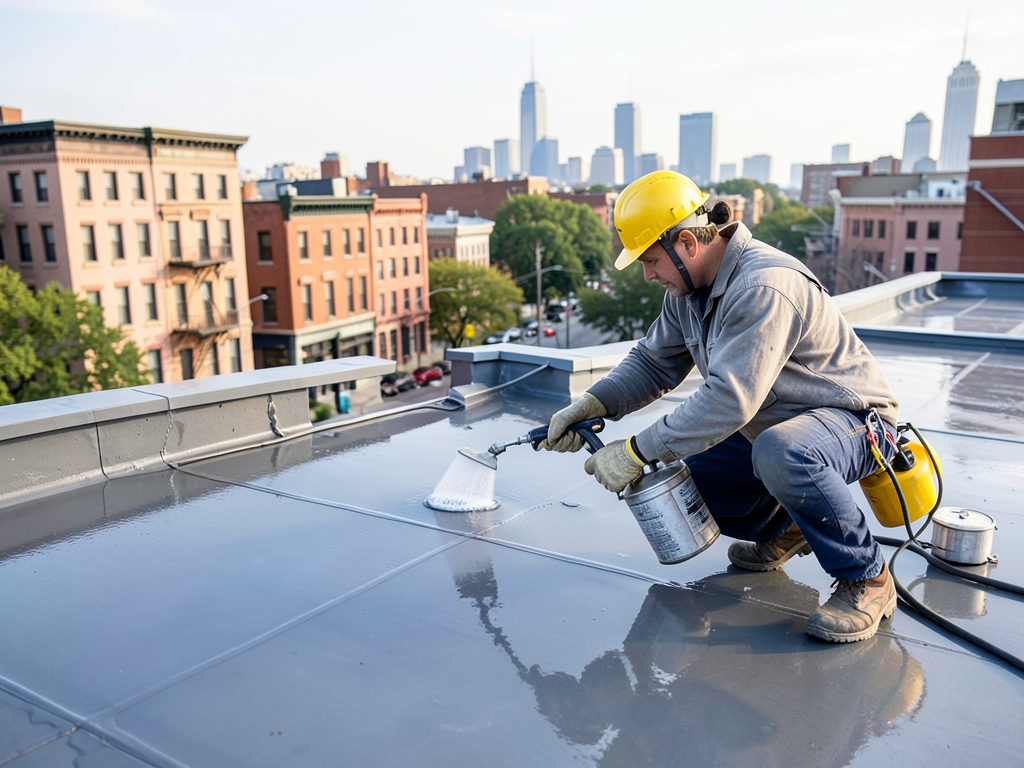
TPO membranes are heat-welded at the seams, creating a monolithic surface. The hot-air welding process fuses the thermoplastic polyolefin layers into a single waterproof sheet. This makes TPO inherently stronger at seams than adhesive-bonded or tape-sealed systems. In Washington, where wind uplift from nor'easters can hit 90 mph gusts, seam strength determines whether your roof stays attached during a March storm.

EPDM rubber roofing relies on adhesive seaming or tape. The rubber itself is flexible and puncture-resistant, which helps when tree branches from old oaks in Cleveland Park neighborhoods fall during ice storms. EPDM stretches without tearing. But the seams are the vulnerability. Adhesive degrades faster in high-humidity environments. District summers with 80 percent humidity and 90-degree heat accelerate adhesive breakdown.

TPO reflects up to 87 percent of solar radiation. This keeps the roof surface 50 degrees cooler than EPDM on a July afternoon. Lower surface temperatures mean lower cooling loads for the building. EPDM absorbs heat, which can benefit a building in winter by reducing heating costs, but Washington winters are short. You pay cooling bills from May through September.

The thermoplastic polyolefin vs rubber roofing debate also involves puncture resistance. EPDM wins in flexibility and impact resistance. TPO wins in UV stability and seam durability. Washington roofs face both challenges. You need to match the membrane to your building's specific exposure. A Shaw rowhouse with heavy foot traffic for HVAC access needs different material than a Dupont Circle office building with zero roof penetrations.

How to Evaluate Which Membrane Fits Your Building

TPO vs EPDM Roofing Guide for Washington, D.C. – Choose the Right Membrane for District Humidity and Freeze-Thaw Cycles
01

Roof Condition Assessment

We inspect your existing substrate, drainage patterns, and parapet conditions. Washington roofs often have multiple layers of built-up roofing or modified bitumen underneath. We measure deck deflection, check for soft spots near drains, and document ponding water areas. The substrate determines whether you can mechanically attach TPO or need fully adhered EPDM. We also check for asbestos in pre-1980 buildings, which changes the tear-off scope and budget.
02

Climate Load Calculation

We calculate thermal cycling exposure, average snow load, and wind uplift zone for your specific address. A building near the Tidal Basin experiences different wind patterns than one in Brookland. We factor in your cooling costs from the last 24 months to model energy savings from reflective TPO versus the lower upfront cost of EPDM. This is where the EPDM vs TPO cost comparison becomes data-driven, not guesswork.
03

Membrane Specification Match

We match membrane thickness, seam type, and attachment method to your building use and budget. A residential condo in Columbia Heights with minimal foot traffic can use 45-mil EPDM. A restaurant in Georgetown with rooftop HVAC units needs 60-mil TPO with reinforced walkway pads. We provide written specifications with expected lifespan, warranty terms, and maintenance requirements so you can compare options with transparency.

Why District Building Owners Trust Local Membrane Expertise

Washington, D.C. has unique building codes tied to historic district regulations and federal building adjacency rules. A roof replacement on Capitol Hill requires different permitting than one in Petworth. Ace Roofing Washington DC works within these jurisdictional boundaries daily. We know when you need a zoning variance for a white TPO roof in a historic overlay district and when EPDM is the faster path to approval.

Our crews understand the architectural quirks of District buildings. Rowhouses with shared parapet walls need flashing details that prevent water migration between units. Commercial buildings near Union Station face soot and particulate buildup that degrades adhesive seams faster. We adjust installation methods based on these microenvironments.

We also navigate the insurance landscape. Many Washington property owners face increased premiums after roof claims. Choosing the right membrane upfront reduces the risk of premature failure and repeat claims. TPO's heat-welded seams reduce leak points. EPDM's flexibility reduces puncture claims from falling branches. We help you make the choice that protects both the building and your insurance rating.

Local expertise means we source materials from regional distributors who stock inventory for District delivery timelines. A national contractor might wait three weeks for a specialty TPO roll. We get it in five days. Speed matters when you are coordinating around tenant leases or trying to beat the rainy season. We also maintain relationships with local inspectors, which smooths final approvals and certificate of occupancy updates.

What to Expect When Choosing Between TPO and EPDM

Decision Timeline and Site Access

The evaluation process takes two to three business days. We schedule a roof inspection within 48 hours of your call. Our crew photographs existing conditions, measures square footage, and documents all penetrations and transitions. You receive a written assessment within 72 hours that includes membrane recommendations, cost ranges, and installation timelines. Most District flat roof replacements take five to ten days depending on size and weather. We coordinate with building management to minimize disruption and schedule work around tenant needs.

Material Selection and Installation Method

We walk you through membrane thickness options, seam types, and attachment systems. TPO can be mechanically fastened, fully adhered, or ballasted. EPDM works best fully adhered or mechanically attached in Washington wind zones. We explain how each method affects warranty coverage and long-term performance. You see samples of actual seam welds and adhesive bonds. We also discuss color choice, which matters for energy efficiency and historic district compliance. White TPO is standard, but tan and gray options exist for aesthetic restrictions.

Completed Roof Performance Standards

Your finished roof will meet or exceed DC Building Code requirements for wind uplift, fire rating, and insulation R-value. TPO installations include electronic seam testing to verify every weld. EPDM installations include seam probes to check adhesive coverage. We provide a final walk-through where you see flashing details, drain integration, and parapet transitions. You receive as-built drawings that document all penetrations and seam locations. These drawings are critical for future HVAC work or roof repairs. The roof is left clean, with all debris removed and surrounding areas protected from damage.

Warranty Coverage and Maintenance Planning

TPO and EPDM membranes come with manufacturer material warranties ranging from 10 to 30 years depending on thickness and installation type. We provide separate workmanship warranties covering installation quality. Washington roofs need annual inspections to catch small issues before they become leaks. We offer maintenance plans that include spring and fall inspections, drain cleaning, and seam checks. Ponding water is the enemy of any flat roof. Our maintenance program identifies drainage problems early and keeps your warranty valid. Manufacturers void coverage if you skip required inspections.

Frequently Asked Questions

You Have Questions,
We Have Answers

Why choose TPO over EPDM? +

TPO offers better reflectivity than EPDM, which matters in Washington, D.C.'s humid summers. White TPO membranes bounce back heat, lowering cooling costs for commercial buildings near Capitol Hill or Dupont Circle. TPO uses heat-welded seams that create stronger bonds than EPDM's adhesive or tape seams. This reduces leak risk during heavy spring rains and freeze-thaw cycles. TPO also resists UV damage and ozone better, critical for roofs exposed to D.C.'s variable weather patterns. If energy efficiency and seam strength matter for your flat roof, TPO delivers measurable advantages over traditional EPDM.

Which lasts longer, a TPO or EPDM roof? +

TPO typically lasts 20 to 30 years, while EPDM lasts 25 to 35 years when properly maintained. EPDM's synthetic rubber formulation ages slowly, giving it a slight longevity edge. However, TPO's heat-welded seams resist membrane separation better than EPDM's glued or taped seams, which can fail during Washington, D.C.'s temperature swings. Both materials perform well on flat roofs common in D.C.'s commercial corridors, but EPDM edges ahead in total lifespan if seams are maintained. Your building's sun exposure, drainage design, and maintenance schedule influence actual performance more than material choice alone.

What are the disadvantages of a TPO roof? +

TPO membranes vary in quality between manufacturers, and lower-grade products fail faster. Seam failures occur if installers don't properly heat-weld joints, which becomes a risk during rushed installations. TPO is more expensive upfront than EPDM, impacting budgets for D.C. property managers. The material can become brittle in extreme cold, though Washington's winters rarely reach those thresholds. TPO also shows dirt and streaking more visibly than black EPDM, affecting appearance on roofs visible from taller buildings. Puncture resistance is lower than EPDM, so rooftop equipment traffic requires protective walkways to prevent membrane damage.

Which is cheaper, EPDM or TPO? +

EPDM costs less upfront, typically $3 to $5 per square foot installed, while TPO runs $4 to $7 per square foot. EPDM's lower material cost makes it appealing for budget-conscious D.C. building owners. However, TPO's energy efficiency can offset the difference through lower cooling bills, especially on large commercial roofs in neighborhoods like Shaw or NoMa. Installation labor also affects pricing. EPDM's lighter weight simplifies handling, but TPO's heat-welded seams require specialized equipment and trained crews. Consider lifecycle costs, not just installation price, when comparing these single-ply membranes for your Washington, D.C. flat roof.

What are the disadvantages of EPDM? +

EPDM seams rely on adhesives or tape, which degrade faster than TPO's welded seams, especially during D.C.'s humid summers. The black membrane absorbs heat rather than reflecting it, increasing cooling loads for buildings near the National Mall or Georgetown. EPDM punctures more easily than TPO when technicians service rooftop HVAC units, requiring protective mats for foot traffic. Shrinkage occurs as the rubber membrane ages, pulling fasteners loose and creating stress points. EPDM also requires careful cleaning before seam repairs, as oils and dirt prevent proper adhesion. These maintenance demands add labor costs over the roof's lifespan.

How many years does a TPO roof last? +

TPO roofs last 20 to 30 years in Washington, D.C. when properly installed and maintained. Membrane thickness affects durability, with 60-mil TPO outlasting 45-mil products. Heat-welded seams resist separation better than older attachment methods, extending service life during freeze-thaw cycles and summer storms. Regular inspections catch ponding water issues before they degrade the membrane. D.C.'s high humidity accelerates algae growth on TPO, requiring periodic cleaning to maintain reflectivity. Building owners who schedule professional maintenance every three years maximize TPO lifespan. Rooftop equipment placement and drainage design also influence how long your TPO membrane performs before replacement becomes necessary.

What are common problems with EPDM roofs? +

EPDM seams fail when adhesive degrades or tape loses bond strength, especially during Washington, D.C.'s temperature swings. Shrinkage pulls the membrane away from fasteners and edges, creating leak paths around flashing and penetrations. Punctures occur easily when HVAC techs walk on the roof without protection, since EPDM offers less impact resistance than TPO. Ponding water accelerates membrane breakdown in low-slope areas, common on older flat roofs in D.C.'s commercial districts. UV exposure slowly degrades the rubber, causing surface chalking and loss of flexibility. These issues require more frequent repairs than TPO's heat-welded seams and better UV resistance.

Can TPO and EPDM be used together? +

You can install TPO patches or repairs over existing EPDM, but you cannot mechanically attach different membranes together. The materials require different adhesives and fastening methods that are not compatible. Some contractors install TPO over EPDM as a complete overlay system, leaving the old membrane as a cushion layer. However, most D.C. roofing professionals recommend complete EPDM removal before TPO installation to ensure proper drainage and avoid trapped moisture between layers. Mixing materials complicates warranty coverage and future repairs. For commercial buildings in Washington, choose one membrane system and install it correctly rather than trying to combine TPO and EPDM.

What roof has the shortest lifespan? +

Built-up roofing with organic felt typically lasts just 10 to 15 years, making it the shortest-lived commercial roofing option. Three-tab asphalt shingles on residential properties last 12 to 20 years, shorter than both TPO and EPDM. Modified bitumen roofs reach 15 to 20 years depending on maintenance quality. In Washington, D.C.'s climate, material choice matters less than proper installation and drainage. Ponding water, failed flashing, and deferred maintenance shorten any roof's lifespan. TPO and EPDM both outlast cheaper alternatives when installed correctly on flat or low-slope roofs common throughout D.C.'s commercial corridors and rowhouse additions.

Why do insurance companies not like flat roofs? +

Insurance carriers view flat roofs as higher-risk because water pools instead of shedding quickly, increasing leak probability. Washington, D.C.'s heavy spring rains and summer thunderstorms make drainage critical on flat commercial roofs. Ponding water degrades membranes faster, leading to more claims. Flat roofs also require more maintenance than pitched roofs, and neglected maintenance creates avoidable damage. Wind can more easily lift membrane edges on flat installations during storms. Some insurers charge higher premiums or exclude flat roofs from standard policies. However, properly designed TPO or EPDM systems with adequate drainage and regular professional inspections reduce risk and satisfy most carriers.

How District Humidity and Storm Intensity Shape Membrane Longevity

Washington averages 39 inches of rain annually, but it arrives in concentrated bursts. Summer thunderstorms drop an inch in 30 minutes, overwhelming drains and creating ponding water. This standing water tests seam integrity and accelerates membrane aging. TPO's heat-welded seams resist water infiltration better than EPDM's adhesive seams in these ponding zones. But EPDM's flexibility helps it survive the expansion and contraction from freeze-thaw cycles that hit 20 to 30 times each winter. Buildings near the Potomac River also face higher humidity, which degrades adhesives faster. The difference between TPO and EPDM becomes measurable when you track seam failures over a 15-year period in District conditions.

Ace Roofing Washington DC has installed both TPO and EPDM systems on over 200 District buildings, from H Street Corridor mixed-use developments to Foggy Bottom office complexes. We track performance data specific to Washington microclimates. A roof in Anacostia faces different thermal stress than one in Wesley Heights. We use this local performance history to recommend the right membrane for your building's exposure. Our crews are trained on DC-specific code requirements, including fire ratings for buildings within 500 feet of federal property and wind uplift standards for high-rise construction. Choosing a contractor with this localized expertise protects your investment and reduces the risk of premature failure.
Roofing Services in The Washington DC Area

We are proud to serve the entire Washington DC metropolitan area, including all surrounding neighborhoods and communities. Our central location allows us to dispatch our expert teams quickly for emergency repairs or scheduled consultations. Whether you're in Dupont Circle, Georgetown, Capitol Hill, or beyond, we bring premier, trustworthy roofing services directly to your doorstep. View our service area map below to confirm we cover your specific location and then call us to get started on your project.

Address:
Ace Roofing Washington DC, 20 F St NW, Washington, DC, 20001

Additional Services We Offer

Our news updates

Latest Articles & News from The Blogs

How Poor Roof Drainage Can Ruin Your Landscaping in Cathedral Heights Heavy rainstorms in Washington DC create serious challenges for…

How Poor Roof Drainage Can Ruin Your Landscaping in Cathedral Heights

How Poor Roof Drainage Can Ruin Your Landscaping in Cathedral Heights Heavy rainstorms in Washington DC create serious challenges for…

Why You Should Never Install a New Roof Over Your Old Shingles in Hill East

Why Roof Overlays Are a Short-Term Gamble in Hill East Homeowners in Hill East often face a choice when their…

A Homeowner Guide to Comparing Different Roofing Quotes in Washington DC

A Homeowner Guide to Comparing Different Roofing Quotes in Washington DC Getting multiple roofing quotes in Washington DC can feel…

Contact Us

Stop guessing which membrane fits your roof. Call (771) 240-3300 now for a no-cost inspection and side-by-side comparison based on your building's specific conditions. We provide written recommendations within 72 hours so you can make an informed decision before the next storm season hits.