menu

New Roof Construction in Washington, D.C. – Engineered for the District's Historic Standards and Climate Extremes

From commercial build-outs to custom residential projects, we deliver roof installation services that withstand D.C.'s freeze-thaw cycles, satisfy strict zoning codes, and integrate seamlessly with the city's architectural heritage.

Slider Image 1
Slider Image 2
Slider Image 3
Slider Image 4
Slider Image 5
Slider Image 7
Slider Image 8
Slider Image 9
Slider Image 10
Slider Image 11

Why New Construction Roofing in Washington, D.C. Demands Specialized Expertise

Building a new roof in the nation's capital means navigating more than just blueprints. Washington, D.C. sits in a humid subtropical climate zone where winter ice damming collides with summer heat indexes that regularly exceed 95 degrees. Freeze-thaw cycles crack improperly installed flashing. High humidity accelerates mold growth in poorly ventilated attic assemblies. And if your project falls within one of D.C.'s 20 historic districts, you face additional scrutiny from preservation boards that regulate everything from shingle color to dormer profiles.

New roof installation here also means accounting for the District's unique building codes, which blend federal and municipal requirements. Your roofing contractor must understand Title 12 of the D.C. Municipal Regulations, which governs structural loads, fire ratings, and wind uplift requirements. A new construction roofing project near Capitol Hill or in Georgetown requires coordination with the Historic Preservation Review Board if the structure is designated or contributing. Miss a step, and your project stalls for months.

The soil composition adds another variable. Much of the District sits on Coastal Plain sediments, which shift during wet seasons. This movement can stress roof framing if the structure is not properly engineered. Installing a new roof without addressing these geotechnical realities invites cracking, sagging, and premature system failure. You need a contractor who understands how D.C.'s environment affects every layer of your roof assembly, from the underlayment to the ridge cap.

Why New Construction Roofing in Washington, D.C. Demands Specialized Expertise
How We Engineer Roof Installation Services for Long-Term Performance

How We Engineer Roof Installation Services for Long-Term Performance

We begin every new roof construction project with a structural assessment that evaluates load paths, truss spacing, and sheathing type. In Washington, D.C., where wind events and snow loads vary by elevation and building height, this step is non-negotiable. We calculate live loads and dead loads according to ASCE 7 standards, then spec the appropriate fastener schedule for your roof deck. If your project involves a flat or low-slope roof, we install tapered insulation systems that promote positive drainage and prevent ponding, a common failure point in D.C.'s heavy rain months.

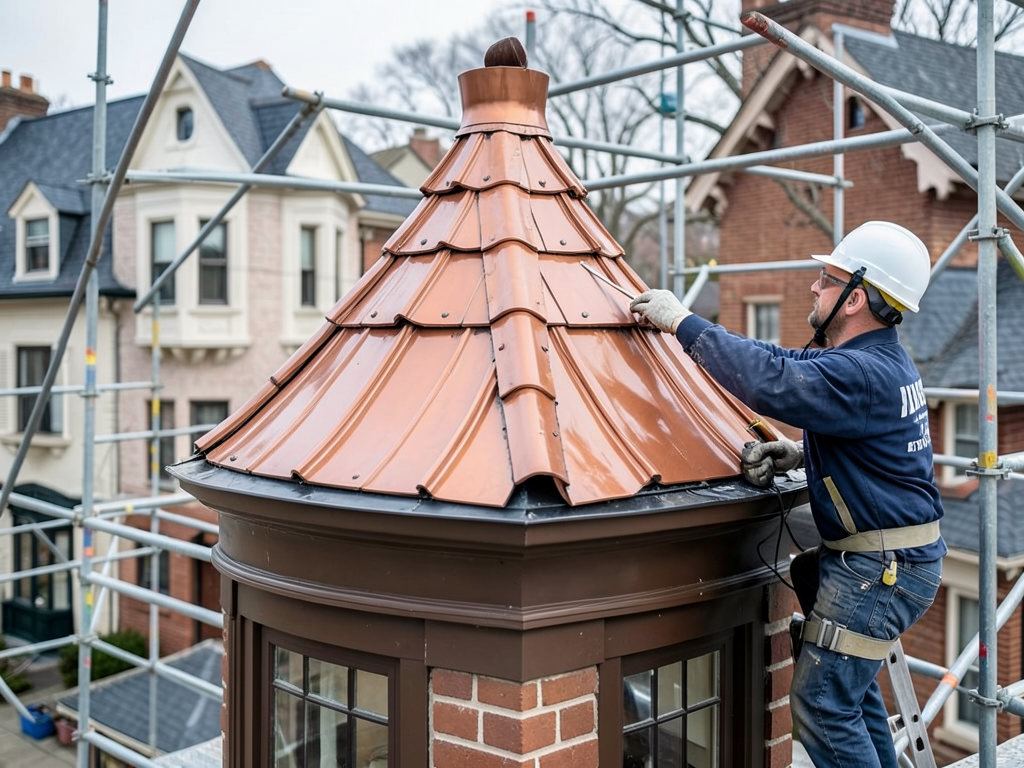
Our flashing details go beyond code minimums. We use through-wall flashing integrated with your air barrier system, not surface-applied patches that peel away after a few seasons. At penetrations like HVAC curbs, skylights, and vent stacks, we install prefabricated metal flashings with continuous cleats, eliminating the weak points that cause leaks in the first five years. For historic properties, we fabricate custom copper or terne-coated stainless flashings that match the original profiles while meeting modern waterproofing standards.

Ventilation is where most new construction roofing projects fail in this climate. We design balanced ventilation systems that pair ridge vents with continuous soffit intake, achieving the 1:300 net free area ratio required to prevent attic condensation. In mixed-use buildings common to Shaw or Navy Yard, we install separate ventilation zones for residential and commercial spaces, preventing cross-contamination and odor transfer. Our ice and water shield extends 36 inches past the interior wall line, not the code-minimum 24 inches, because D.C.'s ice dams form deeper than the textbook assumes.

What Happens During Your New Roof Build

New Roof Construction in Washington, D.C. – Engineered for the District's Historic Standards and Climate Extremes
01

Site Evaluation and Permitting

We conduct a pre-construction site visit to verify truss delivery access, material staging areas, and crane placement if your project requires heavy timber or structural steel. Our team pulls all necessary permits through the D.C. Department of Buildings, coordinates inspections, and ensures compliance with zoning setbacks and height restrictions. If your property is in a historic district, we prepare the required documentation for the Historic Preservation Office.
02

Deck Installation and Waterproofing

Once framing passes inspection, we install structural sheathing with H-clips at unsupported edges to prevent buckling. We apply self-adhered underlayment in valleys and at eaves, then mechanically fasten synthetic underlayment across the field. Every penetration receives a pre-formed boot or custom flashing before any finish material goes down. On steep-slope roofs, we install drip edge at rakes and eaves to direct water away from fascia boards.
03

Finish Installation and Inspection

We install your chosen roofing material, whether architectural shingles, standing seam metal, or clay tile, using manufacturer-approved methods that preserve your warranty. Ridge caps receive high-wind fastening schedules. Gutters and downspouts are sized to handle D.C.'s peak rainfall intensity of 3.5 inches per hour. After final inspection by D.C. Building officials, we provide you with a complete O&M manual, warranty documentation, and as-built drawings for your records.

Why Local Knowledge Matters for Building a New Roof in the District

Washington, D.C. operates under a building code that incorporates the International Building Code with local amendments specific to the District's seismic zone, wind exposure, and flood zones along the Potomac and Anacostia rivers. A contractor unfamiliar with these modifications will miss critical requirements like the enhanced fastening schedules required in Exposure C wind zones, which cover much of the downtown core and waterfront neighborhoods.

We have completed new construction roofing projects in every quadrant of the city, from the row houses of Columbia Heights to the mixed-use developments in NoMa. This experience gives us working knowledge of the Historic Preservation Review Board's standards for roofing materials in contributing structures. We know which synthetic slate products pass muster in Georgetown and which metal finishes meet approval in Capitol Hill's historic districts. This familiarity eliminates the back-and-forth that delays projects for months.

Our relationships with local suppliers mean we can source materials quickly and adjust schedules when supply chain disruptions occur. When a sudden thunderstorm rolls through, we have the staging equipment and tarping systems on hand to protect open roof decks. We understand the seasonal challenges, too. Summer heat in D.C. can make asphalt shingles too pliable for safe installation after 11 a.m., so we adjust crew start times accordingly. Winter installations require cold-weather adhesives and modified fastening techniques to ensure proper sealing.

Ace Roofing Washington DC maintains relationships with structural engineers and architects who practice locally. If your project requires stamped drawings for truss modifications or load calculations, we can facilitate that coordination without adding weeks to your timeline. This network ensures your new roof installation proceeds smoothly from permit application to final sign-off.

What to Expect from Your Roof Installation Services

Project Duration and Scheduling

Most residential new roof construction projects take two to four weeks from permit approval to final inspection, depending on roof complexity and material selection. Commercial projects with multiple roof levels or specialized systems may extend to six weeks. We provide a detailed CPM schedule during pre-construction meetings, identifying long-lead items like custom metal fabrication or engineered trusses. Weather delays are communicated immediately, and we reschedule inspections without requiring you to chase down the inspector. Our project managers update you weekly, or daily if your project demands it.

Pre-Construction Planning Session

Before any material arrives on site, we conduct a planning session with you, your architect, and your general contractor if applicable. We review the roofing specification, confirm material selections, and identify any conflicts between the architectural drawings and the structural plans. This is where we discuss ventilation pathways, insulation R-values, and whether your HVAC equipment requires additional roof reinforcement. We also establish site logistics, including delivery windows, dumpster placement, and noise restrictions if you are building in a residential neighborhood. This session prevents costly change orders and schedule slippage.

Quality Control and Documentation

Our field supervisors document every phase of your roof installation with time-stamped photos. You receive a digital file showing underlayment laps, flashing integrations, and fastener patterns before any finish material conceals the work. This documentation proves compliance during inspections and provides a reference if future maintenance is needed. We conduct internal quality checks at the completion of each phase, catching errors before they require tear-out and reinstallation. When the D.C. inspector signs off, you receive copies of all approved permits, inspection reports, and material certifications.

Warranty Activation and Maintenance Planning

We register your roofing material warranty with the manufacturer immediately after final inspection, ensuring coverage begins without delay. You receive a warranty certificate that outlines coverage terms, exclusions, and claim procedures. We also provide a maintenance checklist specific to your roof type and D.C.'s climate, identifying seasonal tasks like gutter cleaning and flashing inspections. If you prefer, we offer annual maintenance contracts that include spring and fall inspections, minor repairs, and priority scheduling if storm damage occurs. These contracts keep your warranty valid and extend the service life of your new roof.

Frequently Asked Questions

You Have Questions,
We Have Answers

What is the average cost of a new roof in NC? +

This question references North Carolina, not Washington, D.C. In the District, new roof construction costs vary widely based on roof size, pitch, material choice, and structural complexity. Asphalt shingle roofs typically run lower, while metal, slate, or tile systems cost significantly more. Historic District properties often require special permits and materials, increasing total expense. Factors like tear-off labor, decking replacement, flashing upgrades, and ventilation improvements all impact your final bill. Get multiple written estimates from licensed contractors familiar with D.C. building codes to understand your specific project cost.

What is the newest type of roofing? +

The newest roofing technologies include solar shingles that generate electricity while protecting your home, cool roof coatings that reflect heat and reduce cooling costs, and synthetic composite materials that mimic slate or cedar without the weight or maintenance. Rubberized asphalt membranes and advanced underlayments offer superior waterproofing. In Washington, D.C., where summer heat and winter freeze-thaw cycles stress roofs, these innovations provide durability and energy efficiency. Metal roofing with specialized coatings continues evolving for better weather resistance. Your contractor can recommend systems suited to D.C. climate challenges and Historic District requirements if applicable.

What is the average cost of a full roof replacement? +

Full roof replacement costs depend on square footage, material selection, structural condition, and labor complexity. Asphalt shingle replacements generally cost less than metal, slate, or tile systems. In Washington, D.C., expect higher labor rates due to urban logistics, permit fees, and potential Historic Preservation Office requirements. Costs increase if your decking needs replacement, ventilation requires upgrading, or chimneys need reflashing. Steep pitches and multiple dormers add labor hours. Your property's specific conditions, material choice, and code compliance needs determine final pricing. Always get detailed written estimates from multiple licensed contractors.

Is $30,000 too much for a roof? +

Whether this amount is excessive depends on your roof size, material choice, structural repairs, and project scope. For larger homes with premium materials like slate, copper, or standing seam metal, this figure may be reasonable. In Washington, D.C., urban labor costs, permit fees, and Historic District compliance can increase expenses. However, for a standard asphalt shingle roof on a modest home, this seems high. Get three detailed written estimates from licensed contractors. Compare line items for materials, labor, permits, tear-off, decking, flashing, and ventilation. Verify each contractor's credentials before committing.

How much does it cost to build a 2000 sq ft house in NC? +

This question asks about new home construction in North Carolina, not Washington, D.C. For District residents considering new roof construction specifically, costs depend entirely on your existing structure, square footage, material selection, and code requirements. Building permits in D.C. require strict compliance with energy codes and zoning regulations. Historic Districts impose additional design restrictions. If you are planning new construction or a significant renovation involving roofing in Washington, D.C., consult contractors experienced with D.C. Department of Consumer and Regulatory Affairs permits and local architectural requirements.

How old may a roof be before insurance claims it's too old? +

Most insurance carriers scrutinize roofs older than 15 to 20 years. Policies vary, but many require full inspections for roofs approaching this age. In Washington, D.C., where freeze-thaw cycles, summer storms, and humidity accelerate wear, insurers may deny claims if your roof shows pre-existing deterioration. Some carriers will not write new policies for homes with roofs older than 20 years without documented professional inspections or replacement. Review your policy terms annually. Document roof maintenance and inspections. If your roof nears this threshold, consider replacement before filing any claim.

What is the most expensive part of a new roof? +

Labor typically represents the largest expense, especially in Washington, D.C., where skilled tradespeople command higher wages. Tear-off and disposal of old materials, structural decking replacement, and complex flashing details around chimneys, skylights, and dormers drive costs up. Material selection also matters. Asphalt shingles cost less than metal, slate, or tile. Underlayment, ventilation upgrades, and permit fees add expense. Steep pitches and multi-story homes require additional safety equipment and labor hours. Properties in Historic Districts may need specialized materials and design approvals, further increasing costs.

Does insurance cover roof replacement? +

Insurance covers roof replacement only when damage results from covered perils like windstorms, hail, fire, or falling trees. Policies exclude damage from neglect, wear and tear, or pre-existing conditions. In Washington, D.C., storm damage must be documented and reported promptly. Your deductible applies, and depreciation may reduce your payout if your roof is older. Cosmetic damage without structural impact may not qualify. Review your policy declarations page for coverage limits and exclusions. File claims immediately after storm events. Keep maintenance records to prove your roof was properly cared for before the loss.

What is the 2025 roof replacement? +

This term likely refers to roofing trends or technologies emerging in 2025. Expect continued adoption of solar-integrated systems, advanced synthetic materials, and energy-efficient cool roof coatings. Contractors are using improved underlayments and waterproofing membranes for better storm resistance. In Washington, D.C., building codes emphasize energy efficiency and sustainability. Some jurisdictions may introduce new requirements for reflective surfaces or green roof components. If you are planning roof work in 2025, ask contractors about the latest materials suited to D.C. climate conditions and any updated code requirements affecting your project.

Is roof replacement tax deductible? +

Roof replacement is generally not tax deductible for primary residences. The IRS considers it a capital improvement that increases your home's cost basis, potentially reducing capital gains tax when you sell. However, you cannot deduct the expense in the year you pay for it. Exceptions exist for home offices if you qualify for that deduction, or for rental properties where roof replacement is depreciable. In Washington, D.C., consult a tax professional familiar with local and federal regulations. Some energy-efficient roofing systems may qualify for federal tax credits, so explore available incentives.

How D.C.'s Historic Preservation Standards Impact New Roof Construction

Washington, D.C. contains more than 600 locally designated historic landmarks and 20 historic districts where the Historic Preservation Review Board reviews all exterior alterations, including new roof construction. If your project involves a contributing structure in Georgetown, Capitol Hill, or Dupont Circle, you must submit detailed drawings showing roofing material, color, and profile. The board evaluates whether your proposed roof maintains the historic character of the streetscape. Synthetic slate must mimic the texture and color variation of natural slate. Metal roofs must use standing seam profiles with concealed fasteners. Even the visibility of rooftop HVAC equipment is regulated. Installing a new roof without navigating these requirements results in stop-work orders and expensive redesigns.

Our team has completed dozens of roof installation services under HPRB oversight. We know which materials receive approval and which trigger lengthy reviews. We prepare the required drawings, attend concept review meetings, and revise submissions based on board feedback. This familiarity with the process keeps your project on schedule. Beyond preservation requirements, we understand D.C.'s energy code amendments, which require certain R-values for roof insulation based on building type and occupancy. Residential projects need R-49 in attic assemblies. Commercial buildings follow ASHRAE 90.1 with local modifications. These details are not optional, and inspectors verify compliance before issuing certificates of occupancy.
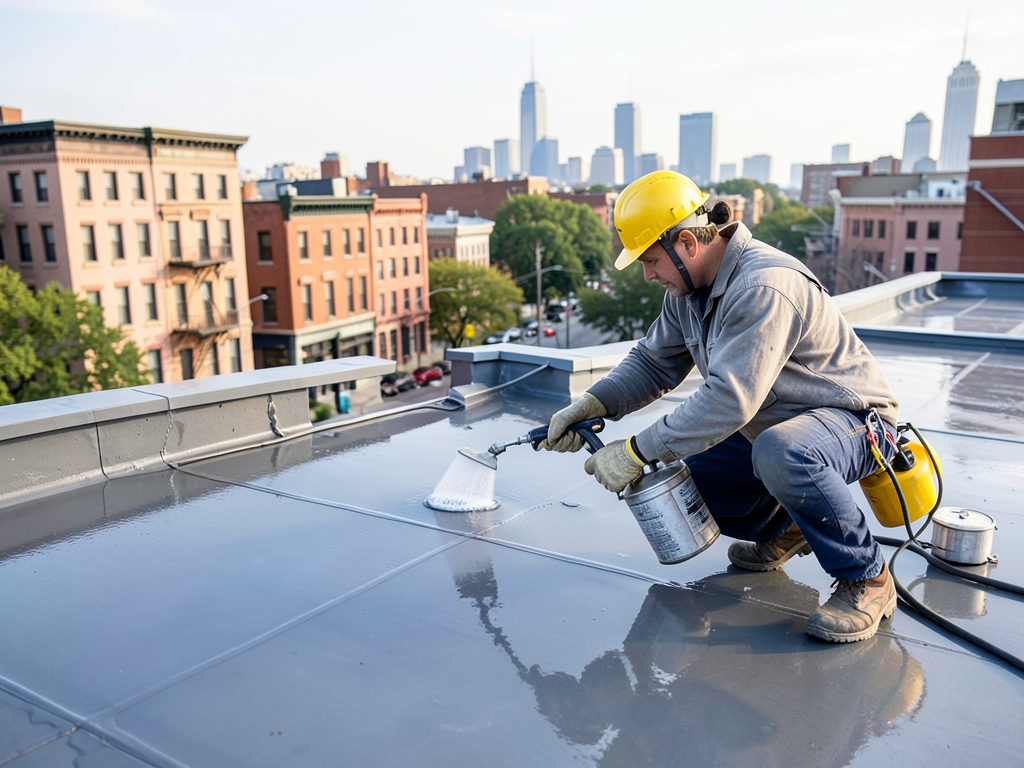
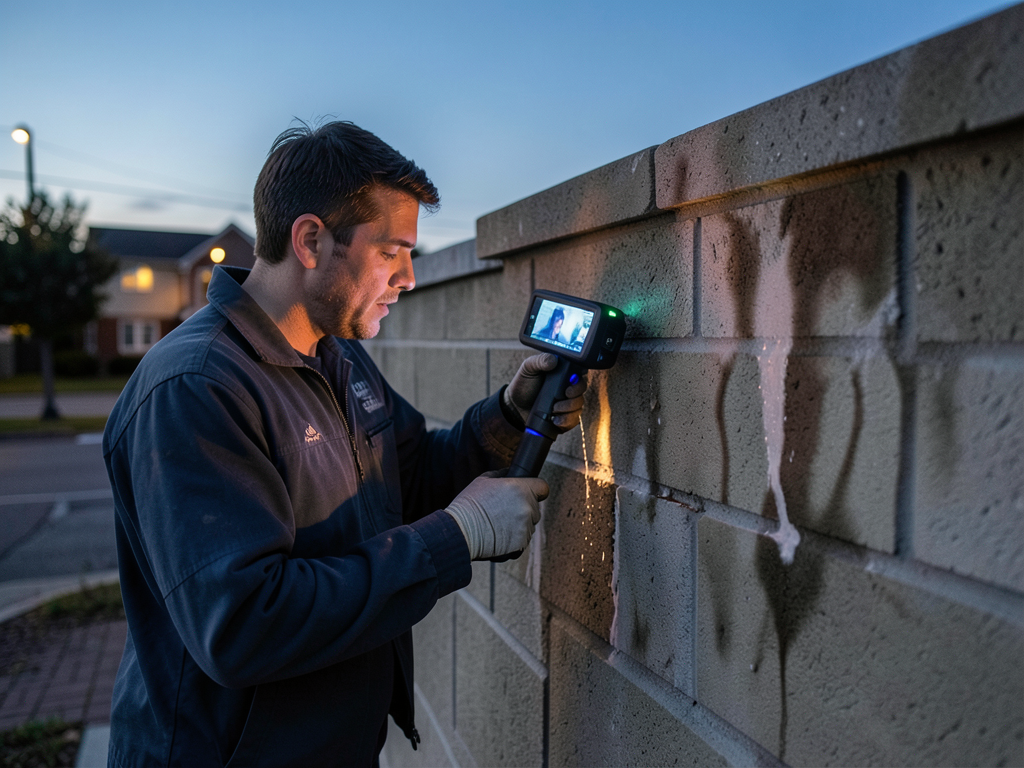
Roofing Services in The Washington DC Area

We are proud to serve the entire Washington DC metropolitan area, including all surrounding neighborhoods and communities. Our central location allows us to dispatch our expert teams quickly for emergency repairs or scheduled consultations. Whether you're in Dupont Circle, Georgetown, Capitol Hill, or beyond, we bring premier, trustworthy roofing services directly to your doorstep. View our service area map below to confirm we cover your specific location and then call us to get started on your project.

Address:
Ace Roofing Washington DC, 20 F St NW, Washington, DC, 20001

Additional Services We Offer

Our news updates

Latest Articles & News from The Blogs

How Poor Roof Drainage Can Ruin Your Landscaping in Cathedral Heights Heavy rainstorms in Washington DC create serious challenges for…

How Poor Roof Drainage Can Ruin Your Landscaping in Cathedral Heights

How Poor Roof Drainage Can Ruin Your Landscaping in Cathedral Heights Heavy rainstorms in Washington DC create serious challenges for…

Why You Should Never Install a New Roof Over Your Old Shingles in Hill East

Why Roof Overlays Are a Short-Term Gamble in Hill East Homeowners in Hill East often face a choice when their…

A Homeowner Guide to Comparing Different Roofing Quotes in Washington DC

A Homeowner Guide to Comparing Different Roofing Quotes in Washington DC Getting multiple roofing quotes in Washington DC can feel…

Contact Us

Contact Ace Roofing Washington DC today at (771) 240-3300 to schedule your pre-construction consultation. We will review your plans, confirm permit requirements, and provide a detailed proposal that covers every phase of your new roof installation.