menu

Apartment Complex Roofing in Washington, D.C. | Minimize Downtime with Commercial-Grade Solutions

Protect your multi-family investment with engineered roofing systems built for high-occupancy buildings, DC's weather extremes, and strict commercial codes. Fast deployment minimizes tenant disruption and preserves property value.

Slider Image 1
Slider Image 2
Slider Image 3
Slider Image 4
Slider Image 5
Slider Image 7
Slider Image 8
Slider Image 9
Slider Image 10
Slider Image 11

Why DC's Climate and Building Codes Make Multi-Family Roofing Complex

Washington, D.C.'s unique position along the Potomac River creates high humidity levels that accelerate membrane degradation on flat and low-slope roofs common to apartment buildings. The district's freeze-thaw cycles, which can repeat 40 to 50 times per winter, cause expansion and contraction that splits seams and separates flashing on multi-unit roofing systems.

Add in DC's historic preservation requirements for buildings in Capitol Hill, Dupont Circle, and Georgetown, and you face a regulatory maze that can halt projects and drain capital reserves. The District of Columbia Construction Codes require specific wind uplift ratings and fire resistance classifications for multi-family housing roofing that differ from residential standards. Property managers who treat apartment complex roofing like single-family projects face costly violations and insurance claim denials.

High-occupancy buildings also present logistical challenges standard contractors cannot manage. You need phased installations that keep tenants safe, coordinate with property management schedules, and handle the debris volume from 20, 50, or 100-plus units. A leak in one unit can cascade through multiple floors, creating habitability issues and potential displacement costs.

Commercial apartment roofing demands engineered solutions. Modified bitumen and TPO systems must withstand foot traffic from HVAC technicians servicing rooftop units. Drainage design must account for the Potomac River watershed regulations. Every penetration, every termination, every transition needs to meet commercial standards, not residential shortcuts.

Why DC's Climate and Building Codes Make Multi-Family Roofing Complex
Engineered Systems Built for Multi-Family Occupancy Loads

Engineered Systems Built for Multi-Family Occupancy Loads

Apartment building roofing requires load calculations that account for snow accumulation, rooftop mechanicals, and maintenance traffic. We conduct structural assessments before specifying membrane systems, evaluating deck integrity and determining whether your existing substrate can support a recover or requires a complete tear-off.

For flat and low-slope applications common in DC multi-family construction, we install fully adhered TPO and EPDM systems with reinforced seams at stress points. These single-ply membranes offer superior puncture resistance compared to older built-up roofing, which matters when you have multiple HVAC units cycling on and off year-round. We detail every pipe penetration, vent stack, and roof drain with custom-fabricated flashing that meets SMACNA standards.

Modified bitumen systems work well for properties requiring Class A fire ratings. We torch-apply or cold-adhesive install multi-ply systems with granulated cap sheets that reflect solar heat, reducing cooling loads for top-floor units. The reinforced mat provides tear strength that stands up to maintenance foot traffic and resists damage from windblown debris during summer storm events.

Metal roofing panels suit garden-style apartments and adaptive reuse projects in Shaw and Navy Yard. Standing seam profiles shed water efficiently and accommodate thermal movement without fastener back-out. We install concealed-fastener systems with structural clips rated for DC's 90 mph design wind speeds.

Every multifamily roofing project includes a waterproofing plan for parapets, scuppers, and roof-to-wall transitions. We coordinate with your maintenance team to establish access pathways that protect the membrane and designate safe zones for future mechanical work.

How We Execute Large-Scale Apartment Roofing Projects

Apartment Complex Roofing in Washington, D.C. | Minimize Downtime with Commercial-Grade Solutions
01

Property Assessment and Planning

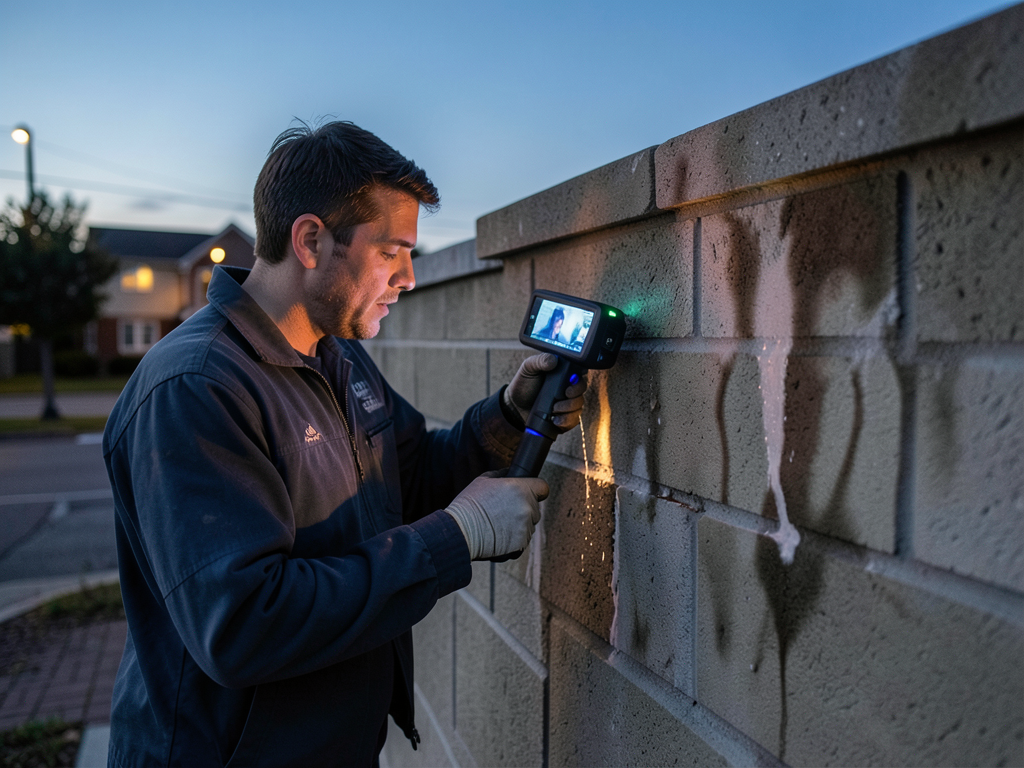
We conduct a complete roof survey using infrared scanning to identify saturated insulation and hidden leaks before they appear in units. Our team photographs every rooftop mechanical unit, reviews property management schedules, and maps tenant notification timelines. You receive a detailed scope with phasing options that minimize disruption and meet your capital budget cycles.
02

Phased Installation and Safety

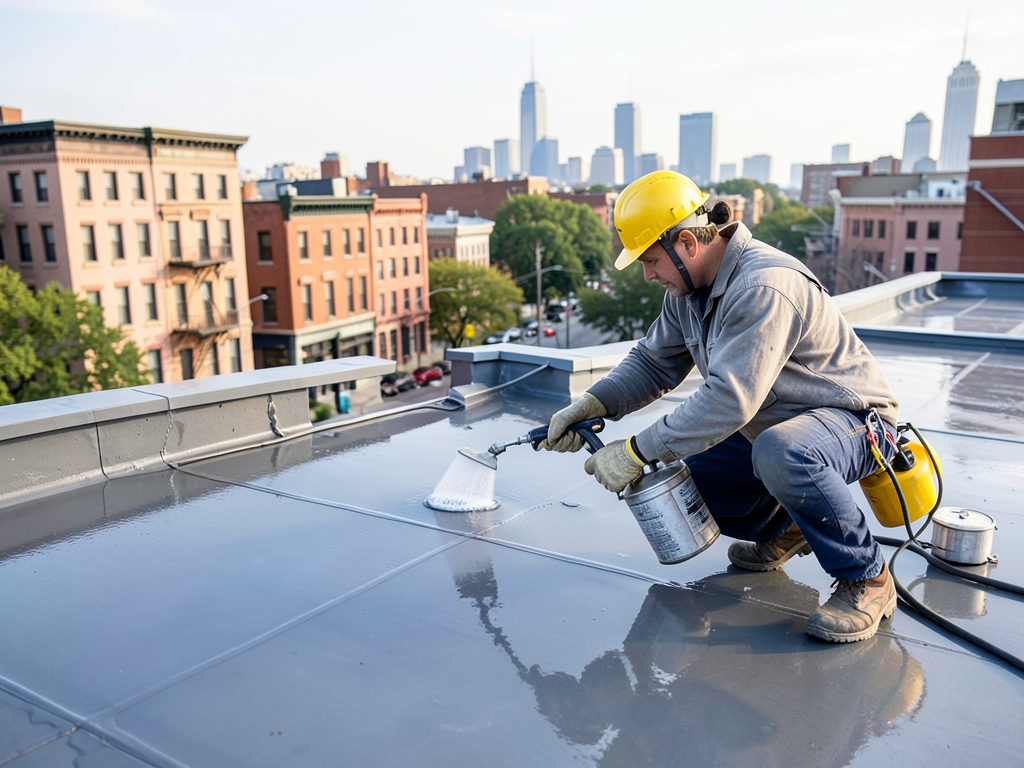
We section the roof into work zones, maintaining weather-tight coverage on inactive areas while crews install new membrane systems. Safety barriers protect building edges, and debris chutes route materials directly to ground-level dumpsters to eliminate tenant exposure. Daily site cleanup keeps common areas accessible. Our project managers communicate with property staff every morning, updating timelines and addressing any tenant concerns immediately.
03

Final Testing and Documentation

Before project closeout, we flood-test all drains, document seam integrity with pull tests, and provide a complete roof drawing showing every penetration and flashing detail. You receive manufacturer certifications, warranty documentation, and a maintenance protocol tailored to your building's mechanical systems. This documentation supports insurance renewals and protects property value during future sale or refinancing negotiations.

Why DC Property Managers Choose Ace Roofing Washington DC for Multi-Unit Projects

Commercial apartment roofing in Washington, D.C. requires more than installation skills. You need a contractor who understands DC Department of Buildings permit processes, can navigate historic district reviews, and knows which inspectors cover which wards. We maintain relationships with the zoning office and historic preservation board, expediting approvals that other contractors struggle to obtain.

Our crews have installed multifamily roofing systems on properties from Columbia Heights to Congress Heights. We know which buildings have structural steel that requires special deck fasteners and which older properties in Mount Pleasant need additional drainage capacity to meet current stormwater codes. This local knowledge prevents change orders and budget overruns.

We carry commercial general liability coverage that meets DC's minimum requirements for multi-family projects and maintain workers' compensation insurance that protects property owners from contractor liability. Our project managers hold OSHA 30-hour certifications and implement fall protection systems that comply with both federal and district safety regulations.

Large-scale projects demand equipment and workforce capacity that residential contractors cannot provide. We deploy crews of 12 to 20 workers for apartment complex roofing projects, operating multiple work zones simultaneously to compress schedules. Our material suppliers maintain local inventory, eliminating delays from supply chain disruptions.

We also understand the financial structure of apartment building operations. Our proposals break down costs by building or phase, allowing you to allocate expenses across fiscal years or coordinate with refinancing schedules. We work with property management companies, HOA boards, and institutional owners who need documentation that satisfies lender requirements and audit standards.

What to Expect from Your Apartment Complex Roofing Project

Project Timeline and Scheduling

A typical 50-unit apartment building requires three to five weeks for complete roof replacement, weather dependent. We schedule work during your lowest occupancy periods when possible and avoid weekends if your lease terms require quiet hours. Phased installations allow us to maintain building operations throughout the project. Emergency repairs deploy within four hours, and we maintain after-hours contact for property managers dealing with sudden leaks. Our production rates account for DC's summer heat restrictions and winter temperature limits for membrane adhesives.

Pre-Construction Site Assessment

Our initial inspection includes core samples to determine insulation condition, moisture meter readings across the entire roof surface, and structural load calculations. We identify code violations from previous installations and provide remedy specifications. You receive a written report with thermal imagery showing problem areas, cost breakdowns for repair versus replacement, and warranty options from manufacturers like GAF, Firestone, and Carlisle. This assessment takes two to four hours and provides the documentation you need for board approval or lender requirements.

Installation Quality and Performance

We install roofing systems according to manufacturer specifications that qualify for extended warranties, typically 15 to 25 years depending on membrane type and building use. Every seam receives inspection before concealment. Flashing details follow NRCA guidelines for commercial applications. Our crews carry manufacturer certifications for the specific systems we install, which matters when warranty claims arise. You receive a roof that meets commercial insurance requirements and performs through DC's temperature swings from 15-degree winters to 95-degree summers.

Ongoing Maintenance and Protection

After installation, we provide a maintenance schedule that extends roof life and preserves warranty coverage. Semi-annual inspections catch minor issues before they become major problems, particularly around HVAC curbs and drain assemblies where most leaks originate. We offer service contracts that include emergency response, which protects property managers from after-hours service premiums. Our documentation system tracks every repair and inspection, creating a maintenance history that satisfies insurance auditors and supports property valuations during sales.

Frequently Asked Questions

You Have Questions,
We Have Answers

What type of roof do apartment buildings have? +

Apartment buildings in Washington, D.C. typically use low-slope or flat roofing systems. Built-up roofing (BUR), modified bitumen, TPO, EPDM rubber, and PVC membranes are common choices. Selection depends on building age, budget, and code compliance. Older properties near Capitol Hill often have BUR systems, while newer complexes in Navy Yard favor single-ply membranes like TPO for energy efficiency. The District's freeze-thaw cycles and summer heat stress these systems, requiring proper drainage and regular inspections. Building codes also mandate specific fire ratings and wind uplift resistance for multi-family structures. Your choice impacts tenant comfort, insurance premiums, and long-term maintenance costs.

How much does it cost to replace 1000 sq ft of roof? +

Replacement cost per square foot varies widely based on system type, access difficulty, and disposal requirements. You should avoid focusing on unit pricing alone. Instead, calculate total project cost including tear-off, substrate repair, flashing replacement, and code upgrades. Washington, D.C. projects face higher labor rates and permit fees than suburban markets. A 1000-square-foot section might represent a small repair zone on a larger complex, which affects mobilization costs. Factors like parapet walls, rooftop HVAC units, and historic district restrictions add complexity. Request itemized proposals that break down material, labor, permits, and contingencies to compare value, not just bottom-line numbers.

How often do apartment roofs need to be replaced? +

Apartment roofs in Washington, D.C. typically last 15 to 30 years depending on material and maintenance. TPO and PVC membranes often reach 20 to 25 years with proactive care. Modified bitumen systems may need replacement around 15 to 20 years. The District's humid summers and freeze-thaw winters accelerate weathering. Poor drainage from clogged scuppers and ponding water reduce lifespan significantly. Properties near the Anacostia River face higher moisture exposure. You should schedule biannual inspections and address minor issues immediately. Deferred maintenance shortens roof life and increases tenant disruption. Plan capital reserves accordingly and track performance through maintenance logs to optimize replacement timing.

How to tell if a roofer is lying? +

Verify credentials first. Check the contractor's DCRA license, liability insurance, and workers' compensation coverage. Request references from other Washington, D.C. apartment complexes and contact them directly. A dishonest roofer avoids written estimates, pressures immediate decisions, or demands large upfront deposits. They may claim urgency without documented evidence or suggest shortcuts that violate building codes. Request a detailed scope of work, material specifications, and warranty terms in writing. Inspect previous projects in neighborhoods like Columbia Heights or Shaw. Legitimate contractors provide transparent pricing, explain code requirements, and outline realistic timelines. Trust your instincts when responses feel evasive or inconsistent.

How DC's Stormwater Regulations Impact Apartment Building Roofing Design

The DC Department of Energy and Environment enforces strict stormwater retention requirements for properties over 5,000 square feet, which includes most apartment complexes. Multi-family housing roofing projects must now incorporate controlled drainage that prevents surcharging the combined sewer system during heavy rain events. This means your roof design needs larger drains, secondary overflow scuppers, and sometimes green roof sections or detention systems. Properties in the Anacostia River watershed face additional scrutiny. A roof replacement that ignores these regulations creates permit problems and potential fines.

Washington, D.C.'s concentration of historic apartment buildings, particularly in neighborhoods like Capitol Hill and Kalorama, requires contractors who understand preservation standards while meeting modern performance codes. We work regularly with the Historic Preservation Review Board, securing approvals for membrane systems that protect historic masonry parapets and maintain architectural sight lines. Our experience with DC's permit system, combined with relationships across the Department of Buildings, keeps projects moving when other contractors face stop-work orders and compliance issues.
Roofing Services in The Washington DC Area

We are proud to serve the entire Washington DC metropolitan area, including all surrounding neighborhoods and communities. Our central location allows us to dispatch our expert teams quickly for emergency repairs or scheduled consultations. Whether you're in Dupont Circle, Georgetown, Capitol Hill, or beyond, we bring premier, trustworthy roofing services directly to your doorstep. View our service area map below to confirm we cover your specific location and then call us to get started on your project.

Address:
Ace Roofing Washington DC, 20 F St NW, Washington, DC, 20001

Additional Services We Offer

Our news updates

Latest Articles & News from The Blogs

How Poor Roof Drainage Can Ruin Your Landscaping in Cathedral Heights Heavy rainstorms in Washington DC create serious challenges for…

How Poor Roof Drainage Can Ruin Your Landscaping in Cathedral Heights

How Poor Roof Drainage Can Ruin Your Landscaping in Cathedral Heights Heavy rainstorms in Washington DC create serious challenges for…

Why You Should Never Install a New Roof Over Your Old Shingles in Hill East

Why Roof Overlays Are a Short-Term Gamble in Hill East Homeowners in Hill East often face a choice when their…

A Homeowner Guide to Comparing Different Roofing Quotes in Washington DC

A Homeowner Guide to Comparing Different Roofing Quotes in Washington DC Getting multiple roofing quotes in Washington DC can feel…

Contact Us

Every day of roof failure costs you in tenant satisfaction, emergency repairs, and property value loss. Get a professional assessment now. Call (771) 240-3300 to schedule a comprehensive roof inspection. We respond to commercial inquiries within four business hours.