menu

Mold & Algae Stain Removal in Washington, D.C. – Stop Roof Damage Before It Spreads

Expert shingle algae treatment and roof fungus cleaning that protects your home's structure and eliminates unsightly black streaks caused by Washington, D.C.'s humid climate and organic roof stains.

Slider Image 1
Slider Image 2
Slider Image 3
Slider Image 4
Slider Image 5
Slider Image 7
Slider Image 8
Slider Image 9
Slider Image 10
Slider Image 11

Why Your Washington, D.C. Roof Is Growing Dark Stains and Streaks

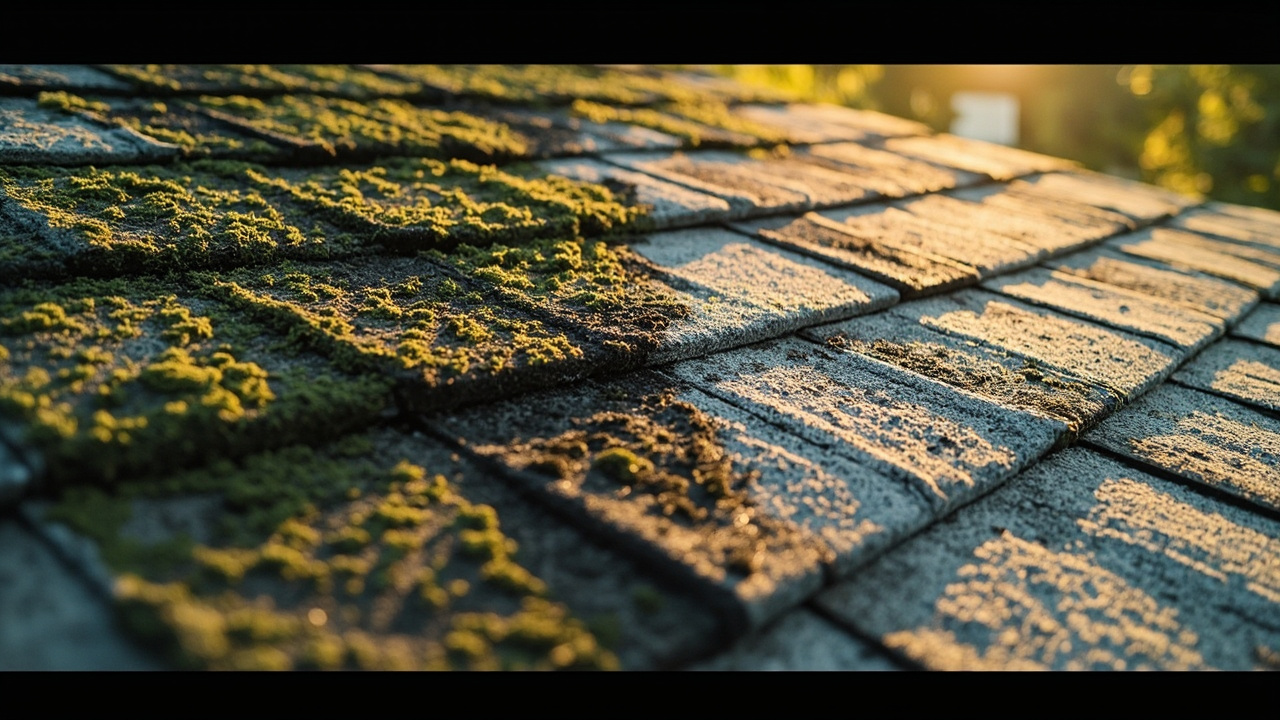
You step outside and notice dark streaks running down your shingles. At first, you think it is dirt. Then you realize it is spreading. Those black streaks on your roof are not cosmetic. They are gloeocapsa magma, a cyanobacteria that feeds on the limestone filler in your asphalt shingles. Washington, D.C.'s climate creates the perfect breeding ground. The city sits in a humid subtropical zone with annual precipitation around 40 inches and summer humidity often exceeding 70 percent. Combined with tree canopy coverage in neighborhoods like Cleveland Park, Palisades, and Capitol Hill, your roof stays damp longer after rain. This constant moisture allows algae, mold, and mildew to colonize shingles.

The problem accelerates if your roof faces north or gets shade from mature oaks and maples. These organic roof stains do not just look bad. They hold moisture against the shingle surface, which speeds up granule loss and shortens roof life by years. Roof mildew removal is not optional if you want to protect your investment. Left untreated, the algae spreads across the entire roof deck, creating a black-streaked appearance that signals neglect to neighbors and potential buyers. Roof fungus cleaning addresses the root cause before structural damage occurs. The longer you wait, the deeper the organic growth penetrates, making shingle algae treatment more aggressive and expensive. If you see streaks, you already have a problem.

Why Your Washington, D.C. Roof Is Growing Dark Stains and Streaks
How Professional Mold and Algae Removal Protects Your Roof

How Professional Mold and Algae Removal Protects Your Roof

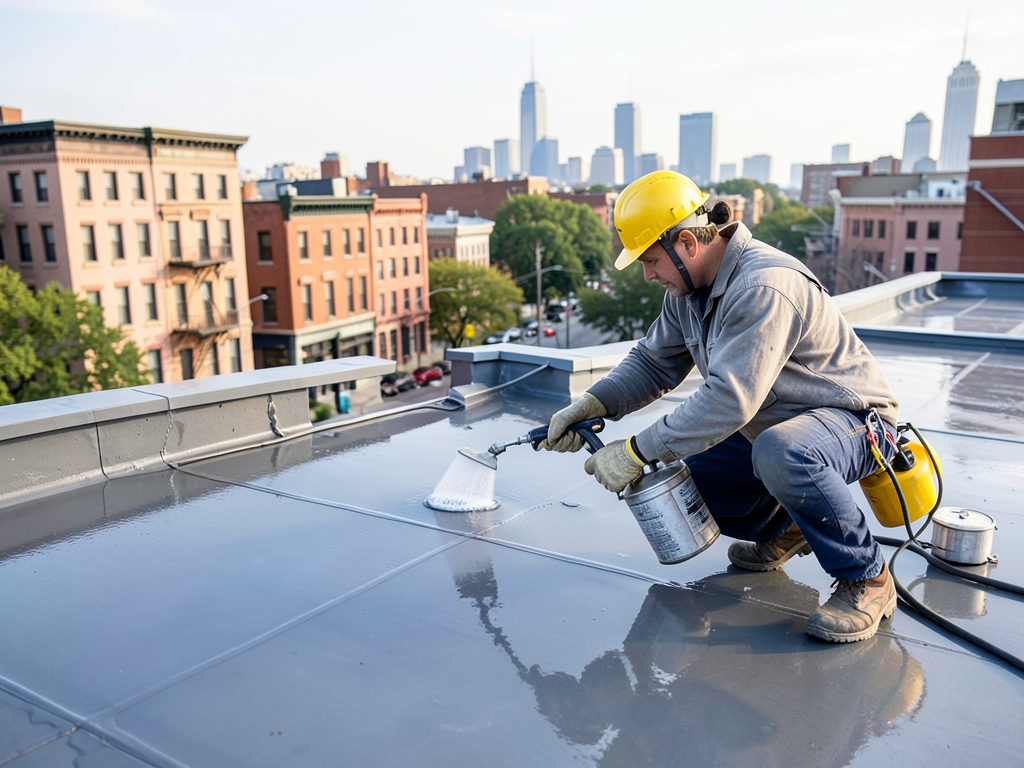
Removing black streaks on your roof requires a controlled chemical application, not a pressure washer. High-pressure washing blasts away protective granules and voids most manufacturer warranties. Ace Roofing Washington DC uses a low-pressure soft wash system with biodegradable algaecides that kill gloeocapsa magma at the root. We apply a sodium hypochlorite solution at the correct concentration to break down algae, mold, and mildew without damaging the shingle substrate. The solution penetrates the organic growth, lifts it from the surface, and prevents regrowth for months or years depending on exposure.

We start by inspecting the roof deck for compromised shingles, damaged flashing, or areas where moisture intrusion has already started. If algae has been present for years, we often find accelerated granule loss and early deterioration. Before we apply any cleaning solution, we pre-wet landscaping and cover gutters to protect plants and drainage systems. The soft wash process uses roughly one-tenth the pressure of a standard garden hose, so there is no risk of lifting shingle edges or forcing water under the roofline.

After the algaecide dwell time, we rinse with low-pressure water, which removes dead organic matter and leaves a clean, restored surface. Roof fungus cleaning is not a one-size-fits-all job. Homes in shaded areas near Rock Creek Park or Glover Archbold Park need more aggressive treatment because algae regrows faster. We adjust chemical concentration and dwell time based on roof age, shingle type, and exposure. This tailored approach protects your roof while delivering long-term results.

What Happens During Your Roof Cleaning

Mold & Algae Stain Removal in Washington, D.C. – Stop Roof Damage Before It Spreads
01

Roof Inspection and Assessment

We start with a visual inspection of your entire roof deck, checking for damaged shingles, loose flashing, and areas where algae has caused granule loss. This step identifies structural concerns before cleaning begins. We also assess tree coverage, sun exposure, and existing organic growth patterns to determine the best treatment approach for your specific roof.
02

Soft Wash Application

We apply a controlled sodium hypochlorite solution using low-pressure equipment that delivers the algaecide without damaging shingles. The solution breaks down gloeocapsa magma, mold, and mildew at the cellular level. We adjust concentration based on roof age, shingle type, and severity of organic staining. The dwell time allows the solution to penetrate and kill root structures.
03

Rinse and Prevention Review

After the chemical dwell period, we rinse the roof with low-pressure water to remove dead algae and cleaning residue. We inspect the cleaned surface for any remaining stains or areas that need spot treatment. Before leaving, we walk you through maintenance steps to slow regrowth, including tree trimming recommendations and gutter cleaning schedules specific to Washington, D.C.'s climate.

Why Washington, D.C. Homeowners Trust Local Roof Cleaning Experts

Washington, D.C. is not a generic roofing market. Historic districts like Georgetown, Kalorama, and Dupont Circle have preservation rules that limit material choices and cleaning methods. If your home sits in a historic overlay zone, pressure washing can violate guidelines and trigger fines. Ace Roofing Washington DC understands these restrictions and uses preservation-approved techniques that protect both your roof and your compliance status.

Our team knows the difference between algae staining on architectural shingles and moss growth on cedar shake roofs, which is common in older Capitol Hill rowhouses. We also understand that homes near the Potomac River or Anacostia River face higher moisture exposure and faster organic growth. This local knowledge shapes our cleaning protocols and prevention strategies.

We have cleaned roofs across every D.C. neighborhood, from the tree-lined streets of Chevy Chase to the denser rowhouse blocks of Columbia Heights. This experience means we spot problems before they become emergencies. A roof with heavy algae staining often has compromised flashing around chimneys or deteriorated valley shingles. We identify these issues during the cleaning process and provide clear recommendations for repair.

Choosing a local provider also means faster response times. When you call, we schedule within days, not weeks. We know the permit requirements for roof work in D.C., the quirks of the District's building code, and the right suppliers for replacement materials if your roof needs more than cleaning. This local authority translates into fewer surprises, accurate timelines, and roofs that last.

What to Expect From Start to Finish

Same-Week Scheduling for Most Projects

Most roof cleaning jobs in Washington, D.C. are scheduled within three to five business days of your initial call. We prioritize homes with severe algae staining or visible mold growth. The cleaning process takes between two and four hours depending on roof size, pitch, and the extent of organic buildup. We work year-round, but spring and fall are ideal because temperatures stay moderate and humidity is lower, which improves drying time and treatment effectiveness.

Detailed Roof Condition Report

Before we start cleaning, we conduct a full roof inspection and document problem areas with photos. This report includes notes on shingle condition, flashing integrity, granule loss, and any structural concerns. You receive a written summary that explains what we found, what we recommend, and how the cleaning will impact roof longevity. This transparency helps you make informed decisions about repairs or replacement. If we find damage that cleaning cannot fix, we provide a detailed estimate for corrective work.

A Clean Roof That Looks New

After treatment, your roof looks restored. Black streaks disappear, and the original shingle color returns. The cleaning removes years of organic buildup without stripping protective granules or damaging the asphalt layer. You will notice improved curb appeal immediately. More important, you extend the functional life of your roof by removing moisture-trapping algae that accelerates deterioration. The treated surface resists new growth for 12 to 24 months, depending on tree coverage and sun exposure around your home.

Ongoing Maintenance Guidance

We provide a maintenance plan tailored to your roof and location. This includes recommended cleaning frequency, tree trimming schedules, and gutter maintenance tips to reduce moisture retention. If you live in a heavily shaded area, we may suggest annual inspections to catch regrowth early. We also offer follow-up treatments at reduced rates for returning clients. Our goal is to keep your roof clean and functional for decades, not just months. Preventive care costs less than premature replacement, and we make it easy to stay on schedule.

Frequently Asked Questions

You Have Questions,
We Have Answers

Can algae stains be removed? +

Yes, algae stains can be removed from roofs and siding in Washington, D.C., but the method matters. Those dark streaks you see on shingles are typically Gloeocapsa magma, a roof algae that thrives in our humid summers. Professional soft washing with zinc-based or sodium hypochlorite solutions breaks down the algae without damaging shingles. Pressure washing is risky because it can strip granules and void warranties. DIY scrubbing rarely works and accelerates wear. Given the District's frequent rain and moisture from the Potomac and Anacostia Rivers, algae return quickly without preventive zinc strips installed along ridge lines.

Can active mold stains be removed? +

Active mold stains can be removed, but you must address the underlying moisture source first. In Washington, D.C., where humidity regularly exceeds 70 percent during summer, mold grows on roofs, attics, and crawl spaces. Removing surface stains without fixing leaks or ventilation issues guarantees return growth. Professional mold remediation involves HEPA vacuuming, antimicrobial treatment, and sealing porous surfaces. Many historic rowhouses in Capitol Hill and Georgetown have limited attic ventilation, creating perfect mold conditions. Surface staining on wood or drywall may need encapsulation or replacement if the material remains compromised after cleaning.

What is the best algae mold remover? +

For roof algae in Washington, D.C., sodium hypochlorite mixed with surfactants works best. This is the active ingredient in professional soft wash systems. Over-the-counter products rarely have the concentration needed for stubborn Gloeocapsa magma stains common here. Avoid straight bleach because it evaporates too quickly and can harm landscaping. Copper or zinc sulfate solutions offer longer prevention but take weeks to show results. Professional-grade cleaners factor in the District's summer heat and humidity, which accelerate algae growth on north-facing roof slopes. Most box-store products fail because they lack proper dwell time or pH balance.

Can mold leave permanent stains? +

Mold can leave permanent stains on porous materials like untreated wood, drywall, and certain fabrics. In Washington, D.C., where many homes feature historic brick and wood trim, mold penetrates deep into fibers. Even after killing mold spores, the black or green discoloration remains because the organic material has been broken down. Non-porous surfaces like metal flashing or vinyl siding clean more easily. Attic sheathing in older District homes often shows permanent shadow staining even after remediation. If the substrate stays structurally sound, encapsulating primers can seal stains, but replacement is sometimes necessary for aesthetic or health reasons.

Does white vinegar remove algae stains? +

White vinegar can remove light surface algae stains but fails on heavy roof algae in Washington, D.C. Vinegar has a low pH around 2.5, which kills some algae, but it lacks the oxidizing power to break down Gloeocapsa magma embedded in shingle granules. It evaporates quickly in our summer heat, reducing effectiveness. Vinegar works better on patio furniture or small siding spots. For roof cleaning, you need stronger solutions that stay wet longer. The District's high humidity and tree canopy in neighborhoods like Cleveland Park accelerate algae return, so vinegar offers only temporary cosmetic improvement without preventive measures.

What is the hardest stain to remove from clothes? +

Blood, red wine, and rust are the hardest stains to remove from clothes because they chemically bond with fabric fibers. This question seems unrelated to roofing, but the principle applies: organic stains on porous materials set permanently. On roofs in Washington, D.C., tannin stains from oak and maple leaves create brown streaks that resist cleaning. These tannins chemically bind to shingle granules, much like wine on cotton. Similarly, rust stains from corroded flashing require oxalic acid treatment. The longer stains sit, especially through humid D.C. summers, the deeper they penetrate and the harder removal becomes.

What is the best mold stain remover? +

For mold stains on roofs and exteriors in Washington, D.C., sodium hypochlorite-based cleaners remain the industry standard. Products containing quaternary ammonium compounds work for prevention but lack the oxidizing strength to remove deep staining. Professional remediation often uses encapsulating biocides after initial cleaning. Avoid ammonia-based products because they can react dangerously if mixed with chlorine. Many D.C. rowhomes have limited roof access, making professional application safer. The key is dwell time. Solutions must stay wet for 15 to 20 minutes to penetrate mold hyphae. Surface scrubbing spreads spores and damages materials.

Will OxiClean remove mold stains? +

OxiClean can lighten mold stains on fabrics and some hard surfaces but will not kill mold or remove roof staining in Washington, D.C. The active ingredient, sodium percarbonate, releases hydrogen peroxide, which has mild bleaching properties. It lacks the concentration and pH needed for exterior mold common on D.C. roofs and siding. OxiClean works for laundry or light interior stains on grout. For roofing applications, you need stronger oxidizers that handle the organic breakdown caused by prolonged mold growth. Our humid climate accelerates mold penetration into shingle granules, requiring professional-grade treatments.

Will magic eraser remove mold stains? +

Magic erasers can remove light surface mold stains on non-porous materials like tile or metal but fail on roofing and porous substrates in Washington, D.C. These melamine foam sponges work through abrasion, essentially sanding away the top layer. On roofing shingles, this removes protective granules and accelerates weathering. Magic erasers also do not kill mold spores, so growth returns quickly in our humid climate. For small bathroom tile spots, they offer a quick fix. For exterior mold on siding or roofs, you need chemical treatment that penetrates and kills organisms at the root.

Which kills mold better, bleach or vinegar? +

Bleach kills mold faster and more completely than vinegar, especially on non-porous surfaces. Sodium hypochlorite in bleach oxidizes mold cell structures within minutes. Vinegar, while acidic, takes longer and proves less effective on dense colonies common in Washington, D.C. attics and crawl spaces. However, bleach does not penetrate porous materials like wood deeply, so surface mold may return if moisture persists. Vinegar leaves no toxic residue, making it safer for enclosed spaces. For roof and exterior work in the District, bleach-based solutions dominate because they handle heavy Gloeocapsa magma and mold growth our climate produces.

Why Washington, D.C.'s Humidity Makes Roof Fungus Cleaning Essential

Washington, D.C. sits in the mid-Atlantic humid subtropical zone, where summer dew points regularly hit 65 to 70 degrees and afternoon thunderstorms are common from May through September. This persistent humidity, combined with mature tree canopy in neighborhoods like Forest Hills, Spring Valley, and Woodley Park, keeps roofs damp for extended periods. Gloeocapsa magma thrives in these conditions because it needs moisture and organic material to reproduce. Roofs that face north or northeast see less direct sunlight and dry more slowly, which accelerates algae colonization. Without professional shingle algae treatment, the problem spreads across the entire roof deck within two to three years.

Ace Roofing Washington DC has worked on roofs across every ward in the District, from historic rowhouses near Eastern Market to single-family homes in Tenleytown. We understand how local tree species, proximity to water, and urban heat island effects influence roof health. Our team stays current on D.C. building code updates and preservation standards, which is critical if your home sits in a historic district or conservation area. Local expertise means we use the right cleaning methods for your specific roof type and neighborhood, protecting both your investment and your compliance with city regulations.
Roofing Services in The Washington DC Area

We are proud to serve the entire Washington DC metropolitan area, including all surrounding neighborhoods and communities. Our central location allows us to dispatch our expert teams quickly for emergency repairs or scheduled consultations. Whether you're in Dupont Circle, Georgetown, Capitol Hill, or beyond, we bring premier, trustworthy roofing services directly to your doorstep. View our service area map below to confirm we cover your specific location and then call us to get started on your project.

Address:
Ace Roofing Washington DC, 20 F St NW, Washington, DC, 20001

Additional Services We Offer

Our news updates

Latest Articles & News from The Blogs

How Poor Roof Drainage Can Ruin Your Landscaping in Cathedral Heights Heavy rainstorms in Washington DC create serious challenges for…

How Poor Roof Drainage Can Ruin Your Landscaping in Cathedral Heights

How Poor Roof Drainage Can Ruin Your Landscaping in Cathedral Heights Heavy rainstorms in Washington DC create serious challenges for…

Why You Should Never Install a New Roof Over Your Old Shingles in Hill East

Why Roof Overlays Are a Short-Term Gamble in Hill East Homeowners in Hill East often face a choice when their…

A Homeowner Guide to Comparing Different Roofing Quotes in Washington DC

A Homeowner Guide to Comparing Different Roofing Quotes in Washington DC Getting multiple roofing quotes in Washington DC can feel…

Contact Us

Black streaks spread fast. Call Ace Roofing Washington DC at (771) 240-3300 to schedule your inspection and get your roof clean before algae shortens its lifespan. We respond quickly and deliver results that last.