menu

Water Stains on Ceiling in Washington, D.C. – Expert Diagnosis Stops Hidden Roof Damage Before It Spreads

Those brown spots and yellow ceiling stains signal active leaks that threaten your home's structure. Our certified roof inspection pinpoints the source and prevents costly interior damage unique to D.C.'s climate challenges.

Slider Image 1
Slider Image 2
Slider Image 3
Slider Image 4
Slider Image 5
Slider Image 7
Slider Image 8
Slider Image 9
Slider Image 10
Slider Image 11

Why Water Stains Appear on D.C. Ceilings

You walk into your bedroom and notice a dark ring spreading across the ceiling. Maybe it started as a small brown spot near the corner. Now you see ceiling water marks in multiple rooms, and those yellow ceiling stains keep growing after every storm.

Washington, D.C.'s weather creates perfect conditions for ceiling discoloration. The city averages 43 inches of rain annually, with intense summer thunderstorms and winter freeze-thaw cycles that crack roof materials. When temperatures swing from 20 degrees in January to 90 degrees in July, your roof expands and contracts. This movement loosens flashing around chimneys and vent pipes. Water finds these gaps.

The humidity here compounds the problem. D.C.'s subtropical climate means moisture doesn't just drip through your ceiling and disappear. It saturates insulation, grows mold behind drywall, and rots wood framing. Those damp ceiling patches you see represent gallons of water trapped in your home's structure.

Many D.C. homes feature flat or low-slope roofs common in rowhouse construction. These roofs shed water slowly, giving leaks more time to penetrate. Historic properties in Capitol Hill and Georgetown often have aging copper valleys or slate tiles where water infiltrates at failing sealant points.

The ceiling stain is not the problem. It is the symptom. Behind that discoloration sits a compromised roof assembly that worsens with each rain event. The longer you wait, the more expensive the repair becomes as water migrates through layers of building materials.

Why Water Stains Appear on D.C. Ceilings
How We Identify the True Source of Ceiling Leaks

How We Identify the True Source of Ceiling Leaks

Most homeowners assume the stain location reveals where water enters. This assumption wastes money on wrong repairs. Water travels along rafters, runs down pipes, and follows electrical conduit before appearing on your ceiling. The brown spot in your living room might trace back to failed step flashing 15 feet away.

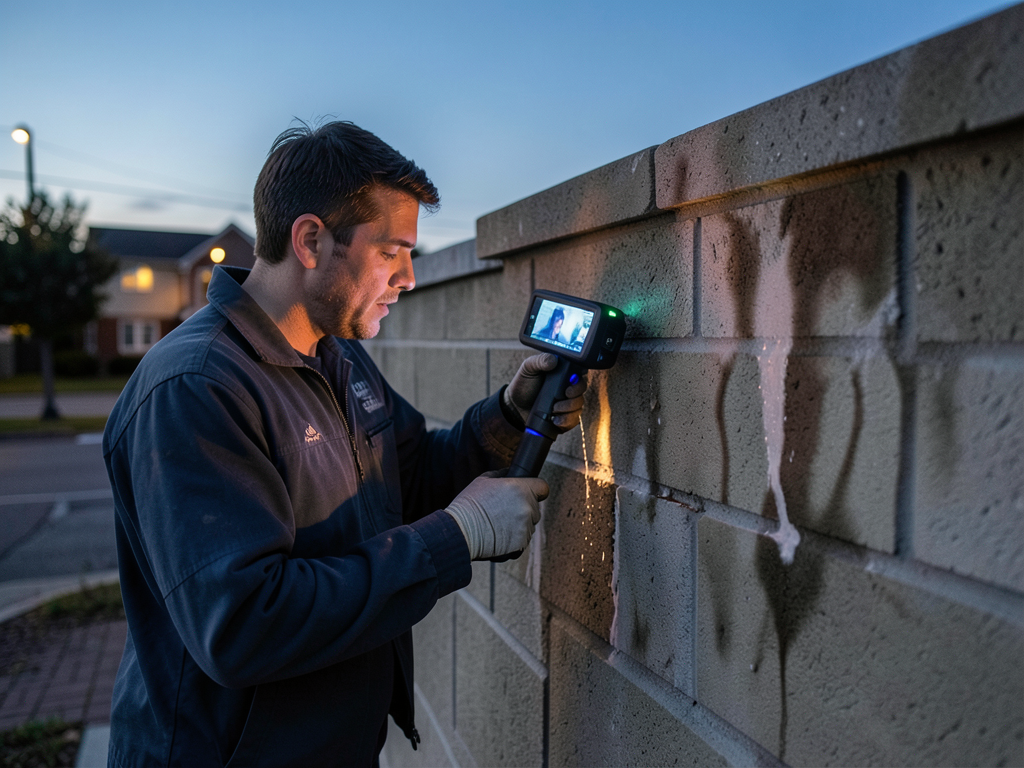
We start with a comprehensive attic inspection. Our technicians examine roof decking from below, looking for dark streaks on sheathing, wet insulation, and rust stains on fasteners. We trace moisture paths backward to entry points. Infrared cameras detect temperature differences that reveal hidden moisture in ceiling cavities.

On the roof surface, we inspect every penetration point. Plumbing vents, exhaust fans, and satellite dish mounts create opportunities for water entry. We check if sealants have dried and cracked. We examine flashing at wall-roof intersections where two planes meet. In D.C.'s brick rowhouses, this parapet wall interface fails frequently as mortar deteriorates.

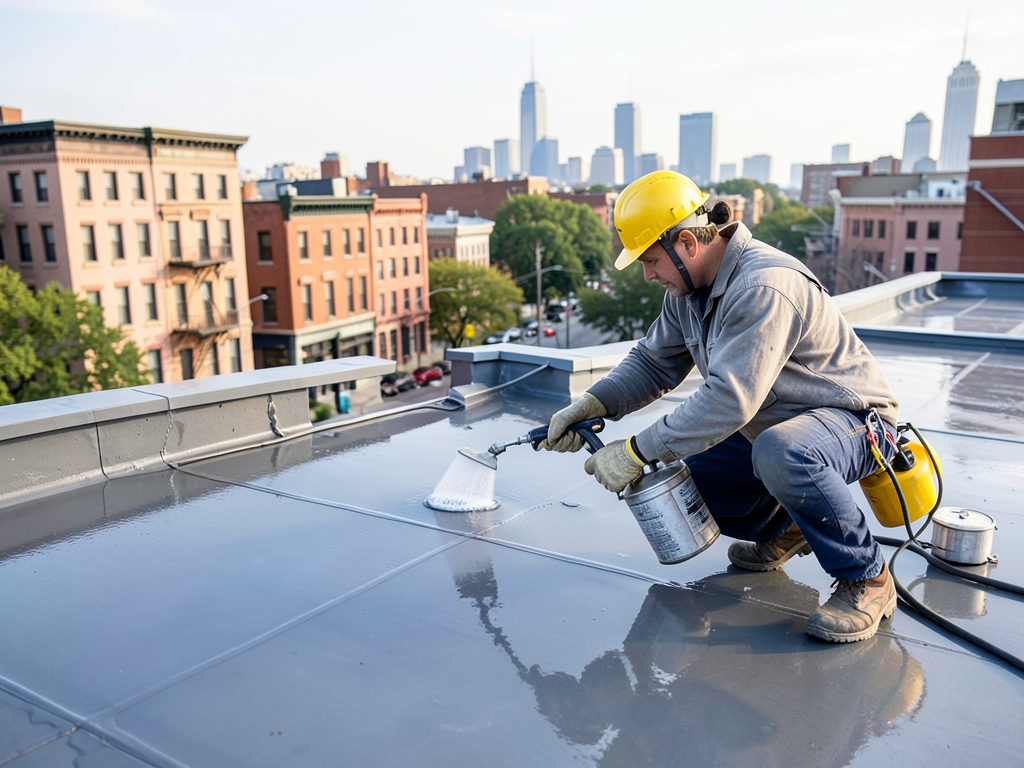
We test drainage patterns during active rain or with controlled water application. Standing water on flat sections indicates blocked scuppers or inadequate slope. We verify that downspouts discharge freely and that valleys channel water properly toward gutters.

For persistent leaks with unclear sources, we perform isolation testing. We section off roof areas with temporary dams and flood each zone systematically while monitoring the interior. This process definitively identifies the entry point when visual inspection alone cannot.

The diagnosis determines the repair scope. Replacing a single damaged shingle costs far less than re-flashing an entire chimney. Accurate identification prevents the cycle of failed repairs that many frustrated homeowners experience.

From Stain to Solution: Our Leak Repair Process

Water Stains on Ceiling in Washington, D.C. – Expert Diagnosis Stops Hidden Roof Damage Before It Spreads
01

Emergency Containment

We arrive with tarps and sealants to stop active water entry immediately. If your ceiling is actively dripping, we place temporary waterproof barriers on the roof surface over compromised areas. This prevents additional water damage while we prepare the permanent repair. You get immediate relief from the stress of watching stains spread during storms.
02

Roof System Repair

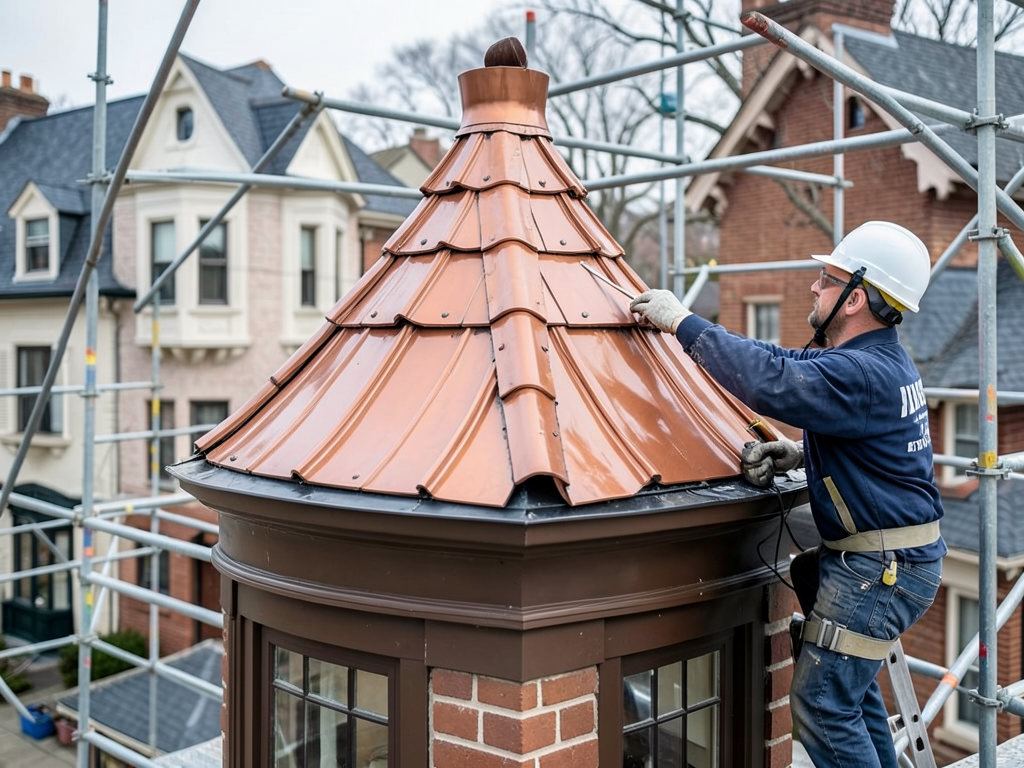
We replace damaged underlayment, install new flashing with proper overlap, and seal all penetrations with commercial-grade materials rated for D.C.'s temperature extremes. Counter-flashing gets embedded into mortar joints on masonry walls. Valley metal receives ice-and-water shield underneath. We match existing materials so repairs blend invisibly with your roof, maintaining your home's appearance and value.
03

Interior Restoration Coordination

Once the roof repair is complete and verified dry through at least one rain event, we coordinate with your chosen contractor or insurance adjuster to address interior damage. We document moisture readings in ceiling materials and provide detailed photos showing the corrected roof condition. This documentation streamlines your insurance claim and ensures interior repairs proceed on solid footing.

Why D.C. Homeowners Trust Our Leak Diagnosis

Washington, D.C. building construction varies dramatically by neighborhood and era. A Cleveland Park Tudor built in 1925 has completely different roof challenges than a 2015 Navy Yard condo. We understand these distinctions because we work across every ward in the District.

Historic properties require specialized knowledge. We know that slate roofs on Kalorama mansions fail at the nail holes after 80 years, not at the slate itself. We understand that the built-in gutters common on Shaw rowhouses collect debris and overflow into wall cavities. When we inspect a Dupont Circle Victorian, we check the ornamental tin cornice for hidden rot that allows water behind facades.

Modern construction brings different issues. The flat EPDM roofs on Columbia Heights condos develop seam failures as adhesives age. The architectural standing-seam metal on Brookland new-builds can leak at panel clips if installers did not account for thermal movement. We have repaired these specific failure modes repeatedly.

D.C. permitting and code compliance matter for major repairs. We pull permits when required and coordinate inspections with the Department of Consumer and Regulatory Affairs. This protects you from future sale complications and ensures repairs meet structural requirements, especially critical for historic district properties where modifications face additional scrutiny.

Our relationships with local suppliers mean we source materials quickly. When your ceiling leak needs immediate attention, we do not wait three weeks for special-order copper flashing. We maintain stock specifically for D.C.'s common roof types and can begin repairs within days of diagnosis.

You want the leak fixed correctly the first time. We provide written documentation of what failed, what we repaired, and what preventive measures will extend your roof's life.

What Our Ceiling Leak Service Includes

Response Timing

We schedule interior inspections within 24 hours of your call for active leaks. Roof inspections happen as soon as weather permits safe access. Many ceiling stains become visible days after rain stops because water takes time to migrate through building layers. We account for this delay when planning diagnostic visits. Emergency tarp service deploys immediately during business hours. Most repairs complete within one week once we identify the source and order materials.

Thorough Leak Investigation

You receive a complete written report with photos showing the leak source, water path, and extent of roof damage. We document all compromised areas, even those not yet causing visible stains, so you understand the full scope. The report includes repair recommendations with separate pricing for critical fixes versus preventive upgrades. This transparency lets you make informed decisions about your home investment without pressure tactics or surprise costs.

Permanent Waterproofing

Our repairs address the root cause, not just visible symptoms. We replace deteriorated flashing with heavier-gauge metal that lasts decades. Sealants are commercial-grade polyurethane or silicone rated for UV exposure and temperature cycling. New shingles interweave with existing coverage so wind cannot lift edges. We install drip edge where missing and add kick-out flashing at wall-roof intersections. The repaired section becomes the strongest part of your roof system.

Post-Repair Verification

We return after the first significant rain following repair to verify the ceiling stays dry. You receive our direct contact information for any concerns during the first year. If staining reappears in the repaired area, we investigate at no charge to determine if the issue relates to our work or a separate problem. This accountability gives you confidence that the nightmare of ceiling stains is truly over, not just temporarily masked.

Frequently Asked Questions

You Have Questions,
We Have Answers

How to get rid of a water stain on a ceiling? +

First, identify and fix the source of the moisture. Water stains do not disappear without addressing the leak. Check your roof flashing, attic insulation, or plumbing lines above the stain. Once the source is resolved, allow the ceiling to dry completely for several days. In Washington, D.C., high humidity can slow this process. Scrape away any loose or bubbled paint or drywall texture. Apply a stain-blocking primer designed for water damage, then repaint with ceiling paint. If the drywall is sagging or soft, you need drywall replacement before refinishing.

Is a water stain on a ceiling serious? +

Yes, water stains on your ceiling indicate active or past moisture intrusion. Even if the leak stopped, trapped moisture can weaken drywall, compromise structural framing, and create conditions for mold growth. Washington, D.C. homes face frequent freeze-thaw cycles and summer storms, which stress roofing systems and ice dam formation in winter. Ignoring a ceiling stain often leads to larger repairs later, including joist rot or ceiling collapse. A small discoloration can signal bigger problems hidden in your attic or between floors. Get a professional inspection to assess the damage scope and prevent long-term issues.

Why are there brown spots on my ceiling without a leak? +

Brown spots without visible leaks often result from condensation, old plumbing rust stains, or roof leaks that happened months ago and dried. Washington, D.C. homes with poor attic ventilation trap warm, humid air, which condenses on cold surfaces and stains ceiling drywall over time. Rust from old galvanized pipes can also leach through drywall. Even past roof leaks leave tannin stains from wet wood or insulation. You need to investigate your attic space, check for rust deposits, and assess insulation and ventilation. The stain proves moisture entered at some point.

Why is there white water spots on my ceiling but no leak? +

White water spots are mineral deposits left behind when water evaporates. They indicate a moisture problem, but the leak might be intermittent or already resolved. In Washington, D.C., condensation from poorly insulated ductwork or attic spaces often causes this. Water seeps through drywall, evaporates, and leaves calcium or magnesium salts behind. These white rings or crusty patches mean repeated small moisture events, not necessarily active flooding. Check your attic insulation, inspect HVAC ducts for condensation, and look for small roof penetrations or plumbing condensation lines above the stain.

Can I just paint over a water stained ceiling? +

No. Painting over a water stain without treating it causes three problems. First, the stain bleeds through standard paint within days. Second, you trap residual moisture inside the drywall, which promotes mold growth and material decay. Third, you ignore the source, so the leak continues. You must fix the moisture source, dry the ceiling completely, then apply stain-blocking primer before painting. In Washington, D.C., high humidity extends drying times. Skipping these steps wastes money and worsens hidden damage. Always address the root cause before cosmetic fixes.

What does an old water stain on a ceiling look like? +

Old water stains appear as yellow, brown, or tan discolorations with defined edges or irregular rings. The ceiling surface might feel brittle, and paint or texture may have flaked or bubbled when the leak was active. Unlike fresh stains, old stains are dry to the touch and have no sagging or soft spots. You might see multiple overlapping rings if leaks happened repeatedly. Washington, D.C. homes with older roofing systems often show these layered stains from past storm damage. Old stains still require investigation because the source could reactivate during the next heavy rain.

Should I call a plumber for a ceiling stain? +

Call a roofer first if the stain is on a top-floor ceiling or directly below your attic. Most ceiling stains trace back to roof leaks, damaged flashing, or ice dams. Washington, D.C. experiences frequent storms and winter freeze-thaw cycles that stress roofing systems. If the stain is on a lower floor beneath a bathroom or kitchen, then call a plumber to check supply lines or drain leaks. Roofers can also inspect attic ventilation and insulation, which cause condensation stains. Start with the most likely source based on stain location.

What are signs of a serious ceiling issue? +

Sagging or bulging drywall signals serious structural damage. Water-logged drywall loses integrity and can collapse. Soft or spongy areas when you press the ceiling indicate active saturation. Visible mold growth, musty odors, or black discoloration mean moisture has been present long enough for microbial growth. Cracks radiating from the stain or peeling paint over large areas suggest framing damage. In Washington, D.C., prolonged leaks during humid summers accelerate rot in ceiling joists. If you see any of these signs, evacuate the area and contact a professional immediately.

How do you tell the difference between water stains and mold on ceiling? +

Water stains are yellow, tan, or brown and feel dry to the touch. They have defined edges or concentric rings. Mold appears as black, green, or gray fuzzy or slimy patches that spread outward irregularly. Mold has a musty, earthy odor. Water stains are flat and do not change texture. Mold grows on the surface and feels slightly raised or damp. Washington, D.C. homes with poor ventilation often develop mold after ceiling leaks because high humidity supports mold growth. If you suspect mold, avoid disturbing it and get a mold inspection.

What does brown stain on a ceiling mean? +

A brown stain indicates water mixed with tannins from wood, rust from old pipes, or dirt and debris from your attic. It means moisture passed through materials above your ceiling and carried dissolved particles down. Washington, D.C. homes with aging roofing systems or older galvanized plumbing often show brown stains. The darker the stain, the more concentrated the dissolved material. Brown stains also suggest the leak was significant or occurred multiple times. You need to trace the source, check for wood rot in framing, and assess whether plumbing corrosion is the culprit.

How D.C.'s Subtropical Humidity Accelerates Ceiling Damage

Washington, D.C. sits at the edge of the humid subtropical climate zone, with summer dew points regularly exceeding 70 degrees. This moisture-laden air means water in your attic does not evaporate quickly. A roof leak that might dry out in Arizona's arid climate stays wet here for weeks, allowing mold to colonize drywall and insulation. The city's row house construction, with shared walls and limited attic ventilation, traps this moisture. Those brown spots on your ceiling often indicate a mold problem behind the surface, not just cosmetic staining.

District regulations require licensed contractors for structural repairs, and historic district properties face additional review. We maintain active D.C. contractor licensing and understand the Certificate of Occupancy requirements that affect rental properties. When your tenant reports ceiling water marks, you need rapid response that meets legal obligations. Our documentation supports insurance claims and satisfies property management standards. We know which repairs require permits in D.C. and which fall under routine maintenance exemptions, saving you time and avoiding code violations.
Roofing Services in The Washington DC Area

We are proud to serve the entire Washington DC metropolitan area, including all surrounding neighborhoods and communities. Our central location allows us to dispatch our expert teams quickly for emergency repairs or scheduled consultations. Whether you're in Dupont Circle, Georgetown, Capitol Hill, or beyond, we bring premier, trustworthy roofing services directly to your doorstep. View our service area map below to confirm we cover your specific location and then call us to get started on your project.

Address:
Ace Roofing Washington DC, 20 F St NW, Washington, DC, 20001

Additional Services We Offer

Our news updates

Latest Articles & News from The Blogs

How Poor Roof Drainage Can Ruin Your Landscaping in Cathedral Heights Heavy rainstorms in Washington DC create serious challenges for…

How Poor Roof Drainage Can Ruin Your Landscaping in Cathedral Heights

How Poor Roof Drainage Can Ruin Your Landscaping in Cathedral Heights Heavy rainstorms in Washington DC create serious challenges for…

Why You Should Never Install a New Roof Over Your Old Shingles in Hill East

Why Roof Overlays Are a Short-Term Gamble in Hill East Homeowners in Hill East often face a choice when their…

A Homeowner Guide to Comparing Different Roofing Quotes in Washington DC

A Homeowner Guide to Comparing Different Roofing Quotes in Washington DC Getting multiple roofing quotes in Washington DC can feel…

Contact Us

Every day you wait, water damages more of your home's structure. Call (771) 240-3300 now for a professional leak diagnosis. We identify the true source and provide written repair estimates with no hidden fees. Your ceiling stains stop here.