menu

EPDM Rubber Roofing in Washington, D.C. – Minimizing Downtime for Federal Contractors and Commercial Properties

Single-ply rubber membrane systems installed to withstand the District's extreme temperature swings, EPDM roofing membrane solutions that meet federal building standards, and commercial roof replacements completed without disrupting operations.

Slider Image 1
Slider Image 2
Slider Image 3
Slider Image 4
Slider Image 5
Slider Image 7
Slider Image 8
Slider Image 9
Slider Image 10
Slider Image 11

Why EPDM Membrane Systems Dominate Commercial Buildings in the District

Washington, D.C.'s unique position between Southern humidity and Mid-Atlantic freeze-thaw cycles creates a hostile environment for traditional built-up roofing systems. Commercial properties east of Rock Creek Park and throughout Capitol Hill face 40-degree temperature swings between January nights and July afternoons. This thermal stress causes rigid roofing materials to crack and delaminate.

Ethylene propylene diene monomer roofing solves this. The synthetic rubber remains elastic at minus 40 degrees and stable above 300 degrees. Office buildings along K Street and warehouse facilities near the Anacostia River rely on single-ply rubber membrane systems because the material expands and contracts without tearing. When a roof membrane fails on a 50,000-square-foot distribution center, you lose inventory to water damage and face potential lease violations.

The District's commercial building stock includes converted warehouses in Navy Yard and mid-rise office buildings downtown. Many were originally designed for different roofing systems. Commercial EPDM roof systems adapt to irregular roof geometries and existing structural limitations without requiring expensive deck reinforcement. The membrane weighs 0.4 pounds per square foot compared to built-up systems at 6 pounds per square foot. This matters for older buildings near Union Station where load-bearing capacity is limited.

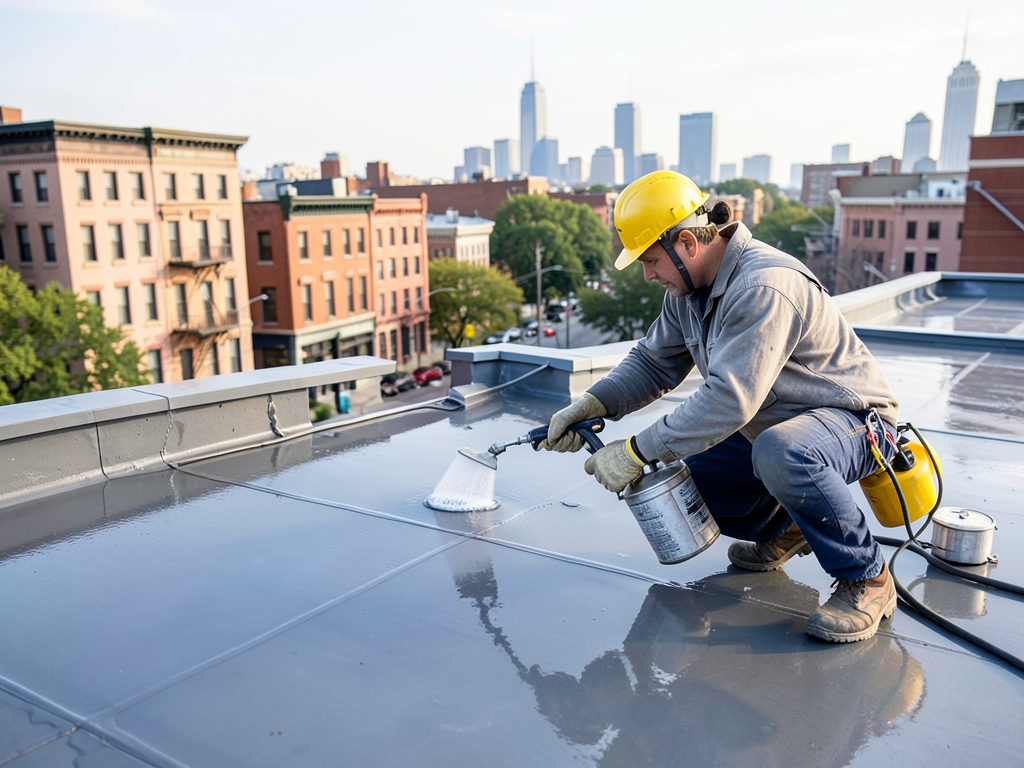
Federal contractors operating in the District face compliance requirements that complicate roof replacement. GSA buildings require specific material certifications. Mixed-use properties in Shaw and Logan Circle need installations that do not disrupt ground-floor retail or residential tenants. EPDM roofing membrane installations happen faster than torch-down systems and produce no open flame, which reduces insurance liability and allows work to continue while buildings remain occupied.

Why EPDM Membrane Systems Dominate Commercial Buildings in the District
How We Install Commercial EPDM Systems Without Disrupting Your Operations

How We Install Commercial EPDM Systems Without Disrupting Your Operations

We do not treat a 20,000-square-foot office building the same as a 200,000-square-foot warehouse. Each project starts with a structural load analysis and substrate inspection. Many commercial buildings in the District have multiple roof levels, parapet walls, and HVAC equipment that create penetration points. We map every penetration, expansion joint, and drainage path before material arrives on site.

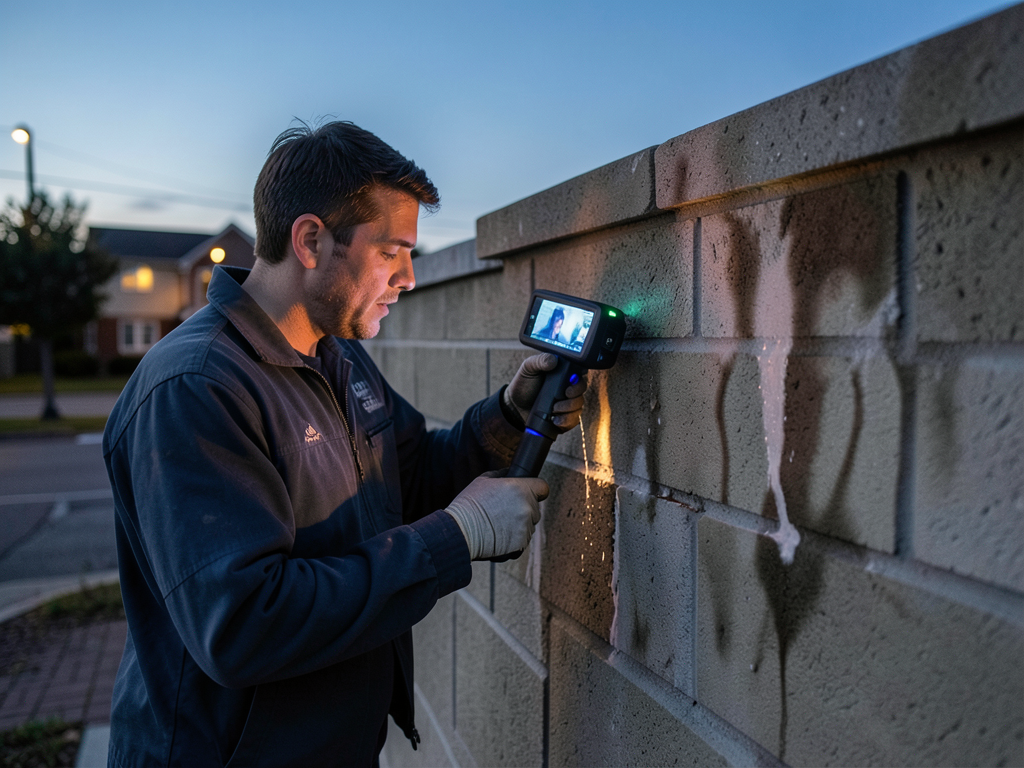
Substrate preparation determines membrane longevity. We remove failed roofing down to the deck, then verify the deck can support new material and foot traffic for HVAC maintenance. Moisture surveys using infrared technology identify wet insulation that will cause new membrane failure. Buildings near the Potomac River or Tidal Basin face higher humidity infiltration. We replace compromised insulation sections and install a vapor barrier when dew point calculations indicate condensation risk.

Membrane attachment method depends on building use and wind exposure. Fully adhered systems use bonding adhesive across the entire membrane surface. This method works for office buildings and properties where wind uplift exceeds 90 pounds per square foot, common on rooftops above 10 stories in downtown corridors. Mechanically attached systems use plates and fasteners on a grid pattern. This approach reduces installation time for warehouse facilities and properties where operational downtime costs exceed material savings from adhesive systems.

Seam integrity separates functional roofs from liability risks. We use hot-air welding to fuse membrane seams, creating a bond stronger than the base material. Every seam gets tested with a probe to verify complete fusion. Flashings around roof penetrations, parapet walls, and equipment curbs receive multiple layers of reinforced membrane. Buildings with rooftop HVAC units require custom flashing details that account for equipment vibration and thermal movement. This is not optional work. It is the difference between a 20-year roof and a 5-year roof that fails at every penetration point.

What Happens During Your Commercial EPDM Installation

EPDM Rubber Roofing in Washington, D.C. – Minimizing Downtime for Federal Contractors and Commercial Properties
01

Site Assessment and Scheduling

We coordinate with your facility manager to map building access points, loading dock availability, and operational restrictions. Our team inspects the existing roof deck, identifies structural concerns, and confirms HVAC equipment locations. You receive a detailed scope document outlining work phases, material staging areas, and daily timeframes. For multi-tenant buildings, we develop a communication plan that notifies occupants 72 hours before work begins overhead.
02

Tear-Off and Deck Prep

Existing roofing material comes off in sections to minimize weather exposure. We remove old membrane, inspect deck fasteners, and replace damaged panels. Insulation board goes down in staggered layers to eliminate thermal bridging. Each layer gets mechanically fastened to meet wind uplift requirements for your building height and District wind zone classification. The deck stays watertight throughout this phase using temporary membrane sections.
03

Membrane Installation and Testing

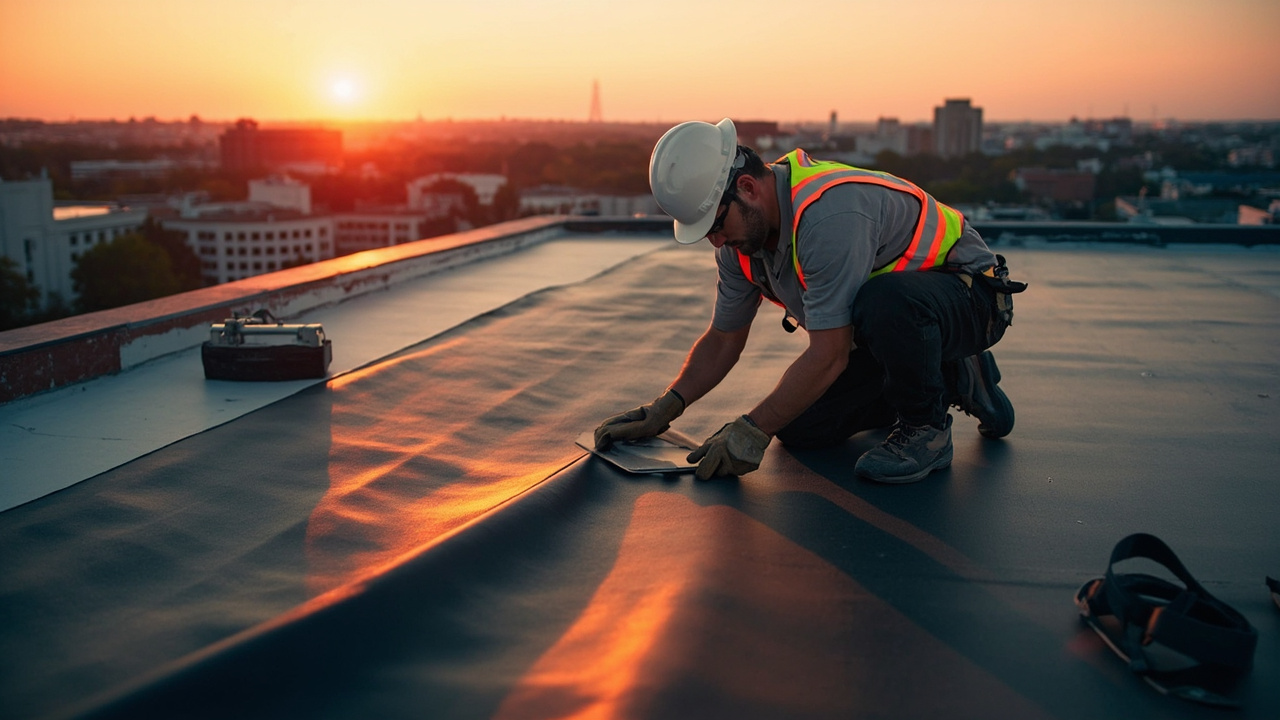
EPDM sheets get rolled out, positioned, and secured using the attachment method specified for your building. Seams get welded and probe-tested for continuity. Flashing details go in around every penetration, drain, and wall transition. We conduct a final flood test on each roof section, leaving standing water for 24 hours to verify zero leakage. You receive seam weld documentation and a roof diagram marking every penetration and maintenance access point.

Why Federal Contractors and Property Managers Choose Local EPDM Specialists

Washington, D.C. operates under unique building requirements that out-of-state contractors underestimate. Properties within the L'Enfant Plan historic district face design review processes. Buildings adjacent to federal facilities require security clearances for contractor personnel. GSA schedule contractors need specific certifications that take months to obtain. We maintain DC building permits, security clearances, and GSA certification because half our commercial projects involve federal tenants or historic properties.

The District's commercial real estate market includes 20-story office towers in Golden Triangle, converted warehouse spaces in Ivy City, and mixed-use developments in NoMa. Each property type requires different installation approaches. High-rise buildings face wind speeds 40 percent higher than ground level. Warehouse facilities need roof systems that support heavy foot traffic for HVAC maintenance. Mixed-use properties demand installation schedules that do not disrupt retail operations or residential tenants. We have installed EPDM systems on all three property types within a two-mile radius of Capitol Hill.

Roof failures on commercial properties create cascading problems. Water intrusion damages inventory, forces temporary closure of affected spaces, and triggers insurance claims. Buildings with server rooms or sensitive equipment face catastrophic losses if roofing fails during a summer thunderstorm. The District averages 39 inches of annual rainfall, with intense convective storms that dump two inches in an hour. These events test every weak point in a roofing system. Our installations account for drainage capacity that exceeds code minimums because we have seen what happens when roof drains cannot handle storm intensity.

Commercial clients need documentation for insurance compliance, lease obligations, and property sale transactions. You receive material certifications, seam weld maps, and installation photos that show deck condition before membrane installation. This documentation proves proper installation if questions arise during property inspections or insurance renewals. Buildings that change ownership need this proof to transfer roof system warranties and verify remaining service life for buyer due diligence.

What Your Commercial EPDM Installation Includes

Installation Timeline and Phasing

A 30,000-square-foot single-story warehouse takes 10 to 14 days from tear-off to final inspection. Multi-story office buildings require phased installation to maintain building operations. We work in sections that keep disruption below occupied floors to a single day per section. Material arrives staged and sequenced to eliminate delays. Your facility manager receives daily progress updates and next-day work plans. Weather delays get communicated immediately with revised completion dates. Buildings with 24-hour operations get night shift installation options to avoid business hour disruption.

Pre-Installation Inspection Process

We conduct a structural assessment that includes deck fastener pull tests, insulation moisture surveys, and parapet wall integrity checks. You receive a written report identifying substrate problems that require correction before membrane installation. This prevents change orders and installation delays. The inspection includes HVAC equipment documentation, electrical conduit locations, and drainage flow testing. Buildings with existing leaks get thermal imaging to map water infiltration patterns and identify hidden damage. This process takes two to four hours and happens before you commit to a contract.

Finished Roof Performance Standards

Your completed roof handles wind uplift rated for your building height and location within the District. Seam strength exceeds base membrane tensile strength. Flashing details around penetrations create watertight seals that account for thermal movement and equipment vibration. Drainage flows freely to roof drains with positive slope toward outlets. The membrane surface remains walkable for HVAC maintenance without damage. You can verify this through the flood test documentation we provide, which shows 24-hour standing water with zero leakage. The roof meets manufacturer specifications required for material warranty activation.

Maintenance Documentation and Support

You receive a roof asset management file that includes membrane specification sheets, seam layout diagrams, and penetration flashing details. This documentation transfers to new property owners and satisfies insurance underwriter requirements. We provide annual inspection services that identify minor problems before they become leak sources. HVAC contractors get access to our penetration maps so new equipment installations do not compromise membrane integrity. Buildings under property management contracts receive maintenance protocols specific to EPDM systems, including acceptable cleaning methods and snow load management procedures for winter weather events.

Frequently Asked Questions

You Have Questions,
We Have Answers

What are the disadvantages of EPDM rubber? +

EPDM rubber presents several operational challenges for commercial properties. The seams can separate under temperature stress, common in Washington, D.C.'s freeze-thaw cycles. Punctures from foot traffic or HVAC maintenance create vulnerability points that compromise waterproofing. Black EPDM absorbs heat, increasing cooling costs during humid D.C. summers. The material can shrink over time, pulling away from flashing and parapet walls. Installation errors at penetration points around rooftop units often lead to leaks. For businesses near Capitol Hill or along the Anacostia waterfront, wind uplift at seams poses risk. While cost-effective upfront, ongoing maintenance requirements and shorter warranties compared to TPO or modified bitumen increase total ownership costs for commercial operators.

What is EPDM rubber roofing? +

EPDM rubber roofing is a synthetic membrane made from ethylene and propylene polymers. The material comes in large sheets, reducing seam count on commercial flat or low-slope roofs common throughout Washington, D.C.'s commercial districts. EPDM provides waterproofing through a flexible, rubber-like barrier that withstands ponding water, a frequent issue on flat roofs in areas with heavy rainfall like the District. Commercial building owners choose EPDM for warehouses, retail centers, and office buildings due to lower material costs compared to thermoplastic systems. The black membrane reflects minimal sunlight, making it less energy-efficient but durable against ozone and UV exposure from D.C.'s mid-Atlantic climate.

What are common problems with EPDM roofs? +

Common EPDM problems on commercial buildings include seam failure, where adhesive or tape loses bond strength during temperature swings typical in Washington, D.C. Ponding water accelerates membrane degradation, particularly on flat roofs with inadequate drainage near the Potomac River basin. Shrinkage pulls the membrane away from termination bars and flashing details around rooftop HVAC units. Punctures from maintenance workers servicing mechanical equipment create leak points. Improper installation at penetrations causes water infiltration that damages insulation and deck substrates. For businesses in Georgetown or Penn Quarter, wildlife damage from raccoons or birds tearing at vulnerable seams presents risk. Failed lap seams account for majority of callbacks within the first five years.

Does EPDM have to be glued down? +

EPDM attachment method depends on building requirements and code compliance in Washington, D.C. Fully adhered systems use bonding adhesive across the entire membrane, providing maximum wind uplift resistance required for taller commercial buildings downtown. Mechanically attached systems use fastening plates and screws through the membrane into the deck, common for quick installations. Ballasted systems use river rock or pavers to hold the membrane down, suitable for structures with adequate load capacity. Commercial properties must meet D.C. building codes for wind resistance. Fully adhered installations perform better during severe weather events but increase labor costs. Your attachment method affects insurance premiums and liability exposure for commercial property owners.

What is the life expectancy of an EPDM roof? +

Commercial EPDM roofs last 15 to 25 years depending on installation quality, maintenance frequency, and environmental exposure. In Washington, D.C., buildings with regular inspections and proactive seam repairs reach the upper end of this range. Properties exposed to heavy foot traffic from HVAC technicians or facing south toward maximum sun exposure deteriorate faster. Membrane thickness, proper drainage design, and protection from ponding water significantly impact longevity. Commercial buildings near Union Station or the Navy Yard should budget for replacement closer to 18 years due to urban pollution and mechanical equipment vibration. Deferred maintenance accelerates aging. Factor replacement costs into long-term capital planning to avoid emergency roof failures that disrupt business operations.

Can EPDM go over plywood? +

EPDM can install directly over plywood if the deck meets structural and code requirements. The plywood must be exterior-grade, minimum half-inch thickness, and properly fastened to avoid deflection. Washington, D.C. building codes require adequate deck slope for drainage. Install a separator sheet or underlayment between EPDM and plywood to prevent adhesive bleed-through and allow moisture vapor movement. Check plywood for rot, delamination, or soft spots before membrane installation. Commercial properties converting from built-up roofing often have plywood decks that need inspection. Improper deck preparation causes premature membrane failure. The plywood surface must be clean, dry, and free of protrusions that could puncture the rubber membrane during thermal expansion.

What do you put under EPDM roofing? +

Install a cover board or insulation layer under EPDM roofing on commercial buildings. Polyisocyanurate insulation boards provide thermal performance and create a smooth substrate for membrane adhesion. Cover boards like DensDeck protect insulation from moisture and provide impact resistance during maintenance activities. The underlayment system must include a vapor retarder on the warm side to prevent condensation within the assembly, critical in Washington, D.C.'s humid climate. For recover applications over existing roofs, install a separation sheet to isolate the new membrane from incompatible materials. Commercial properties prioritizing energy efficiency layer multiple insulation boards to achieve required R-values. Proper substrate preparation prevents membrane bridging and ensures even adhesive contact across the entire roof area.

Can I walk on an EPDM roof? +

You can walk on EPDM roofs, but repeated foot traffic causes premature wear and puncture risk. Commercial properties in Washington, D.C. with rooftop HVAC units require designated walkway pads to protect the membrane from technician boots and tool carts. Walking on wet EPDM creates slip hazards. Sharp objects like screws or metal flashing edges puncture the rubber easily. Schedule roof access during maintenance windows and require contractors to use protective mats. Buildings near L'Enfant Plaza or along K Street with frequent equipment servicing should install permanent walkways. Inspect traffic areas quarterly for abraded spots or developing punctures. Minimize access to essential maintenance only. Walking near seams or flashing details increases leak risk from displaced adhesive.

What thickness of EPDM is best? +

Commercial EPDM roofs perform best with 60-mil thickness for standard applications in Washington, D.C. This gauge balances puncture resistance with cost-effectiveness for most commercial buildings. High-traffic roofs with mechanical equipment benefit from 90-mil membranes that withstand abuse from maintenance workers and tool drops. Thicker membranes cost more upfront but reduce callback frequency for repairs. Buildings with minimal roof access can use 45-mil membranes to lower material costs, though you sacrifice durability. The membrane thickness affects insurance coverage and warranty terms. For commercial properties near Capitol Hill or Dupont Circle, 60-mil provides adequate performance for typical loading conditions. Thicker does not always mean better if installation quality and seam details are substandard. Match thickness to your building's operational requirements.

What is the 25% rule in roofing? +

The 25% rule states that if roof damage or deterioration exceeds 25% of the total roof area, Washington, D.C. building codes may require complete replacement rather than partial repair. This threshold triggers compliance with current energy codes and structural requirements. For commercial properties, insurance adjusters use this guideline to determine repair versus replacement after storm damage. Exceeding 25% often makes financial sense to replace the entire roof rather than patch-repair sections with mismatched materials. The rule protects building owners from investing in repairs on systems nearing end-of-life. Code officials enforce this during permit review for commercial buildings downtown. Budget for full replacement when damage approaches this threshold to avoid incremental repairs that delay needed upgrades.

How the District's Federal Building Density Affects Commercial EPDM Specifications

Properties within two blocks of federal buildings face security protocols that complicate roof replacement. Contractor personnel need background checks. Material deliveries require advance notification and vehicle inspections. Work schedules must avoid high-security periods during congressional sessions or federal events. Buildings along Pennsylvania Avenue and near the White House complex deal with airspace restrictions that prevent crane use for material hoisting. These constraints make EPDM membrane systems practical because the material comes in manageable rolls that crews can move without heavy equipment. The lightweight membrane also reduces structural loading, which matters for older buildings constructed before modern load calculations became standard.

The District's commercial roofing market includes contractors who disappear after installation and leave property managers without recourse when problems surface. We maintain a permanent office location because half our revenue comes from repeat clients and referrals within the property management community. Buildings we roofed in Foggy Bottom five years ago still call us for inspections and minor repairs. This matters when you need someone to respond to a leak call on a Sunday morning or provide emergency tarping during a summer storm. You are not hiring a roofing crew. You are hiring a company that will answer calls two years from now when you need flashing repairs around new HVAC equipment.
Roofing Services in The Washington DC Area

We are proud to serve the entire Washington DC metropolitan area, including all surrounding neighborhoods and communities. Our central location allows us to dispatch our expert teams quickly for emergency repairs or scheduled consultations. Whether you're in Dupont Circle, Georgetown, Capitol Hill, or beyond, we bring premier, trustworthy roofing services directly to your doorstep. View our service area map below to confirm we cover your specific location and then call us to get started on your project.

Address:
Ace Roofing Washington DC, 20 F St NW, Washington, DC, 20001

Additional Services We Offer

Our news updates

Latest Articles & News from The Blogs

How City Pollution and Soot Wear Down Roofs in Busy Areas Like Thomas Circle\n\nYour roof takes the brunt of Washington…

How City Pollution and Soot Wear Down Roofs in Busy Areas Like Thomas Circle

How City Pollution and Soot Wear Down Roofs in Busy Areas Like Thomas Circle\n\nYour roof takes the brunt of Washington…

Hidden Structural Issues Often Found Under the Roofs of Striver's Section Victorians

Hidden Structural Issues Often Found Under the Roofs of Striver’s Section Victorians Victorian homes in Washington DC’s Striver’s Section carry…

Sealing Your Leaky Roof Hatch to Save Money on Energy in Near Northeast

Sealing Your Leaky Roof Hatch to Save Money on Energy in Near Northeast Living in Near Northeast means dealing with…

Contact Us

Call (771) 240-3300 to arrange a structural inspection and installation timeline for your property. We provide written assessments within 48 hours and can mobilize crews within two weeks for urgent projects requiring immediate roof replacement.