menu

Emergency Hail Damage Assessment in Washington, D.C. – Same-Day Response Before Insurance Deadlines Expire

Get a professional roof hail damage evaluation within hours of the storm. We document every impact, photograph hidden fractures, and deliver the detailed hail impact assessment your insurance adjuster demands to approve your claim.

Slider Image 1
Slider Image 2
Slider Image 3
Slider Image 4
Slider Image 5
Slider Image 7
Slider Image 8
Slider Image 9
Slider Image 10
Slider Image 11

Why Washington, D.C. Hailstorms Cause More Damage Than You See from the Ground

You heard the ice hit your roof. You saw the dents in your gutters and the shredded leaves scattered across your yard. What you cannot see from the ground is the fracture pattern spreading across your asphalt shingles or the compromised granule layer that just lost half its UV protection.

Washington, D.C. sits in a weather corridor where spring and summer thunderstorms generate hail between the Potomac River basin and the Anacostia River watershed. The combination of high humidity and rapid temperature swings creates dense hailstones that strike with enough force to crack sealant strips, dislodge granules, and bruise the underlying mat. You might not see a hole, but the damage is already counting down to your next leak.

Most homeowners in neighborhoods like Capitol Hill, Dupont Circle, and Georgetown assume small hail means small damage. That assumption costs you thousands when the insurance adjuster arrives three weeks later and finds water stains in your attic. By then, the claim gets complicated. You need an emergency roof hail inspection before the next rainstorm turns invisible damage into visible disaster.

A hail damage inspection is not about walking your yard and looking up. It requires a trained eye to identify bruising on shingles, cracked flashing around chimneys, and impact fractures on ridge caps. The clock starts ticking the moment the storm ends. Every day you wait is another day moisture seeps through compromised shingles and into your decking.

Why Washington, D.C. Hailstorms Cause More Damage Than You See from the Ground
How a Professional Hail Damage Assessment Protects Your Insurance Claim

How a Professional Hail Damage Assessment Protects Your Insurance Claim

A roof hail damage evaluation is a forensic process. We do not guess. We document every impact site with high-resolution photography, measure the density of strikes per square, and differentiate between cosmetic bruising and functional failure. Insurance adjusters approve claims based on evidence, not estimates.

We start by inspecting the most vulnerable points on your roof system. Hail strikes ridges, hips, and valleys with the highest force because wind funnels storms toward these transition zones. We check flashing around skylights, chimneys, and plumbing vents where metal denting confirms hail size. We examine your gutters and downspouts for impact dents that correlate with shingle damage. We photograph every piece of evidence before it gets covered by debris or washed away by the next storm.

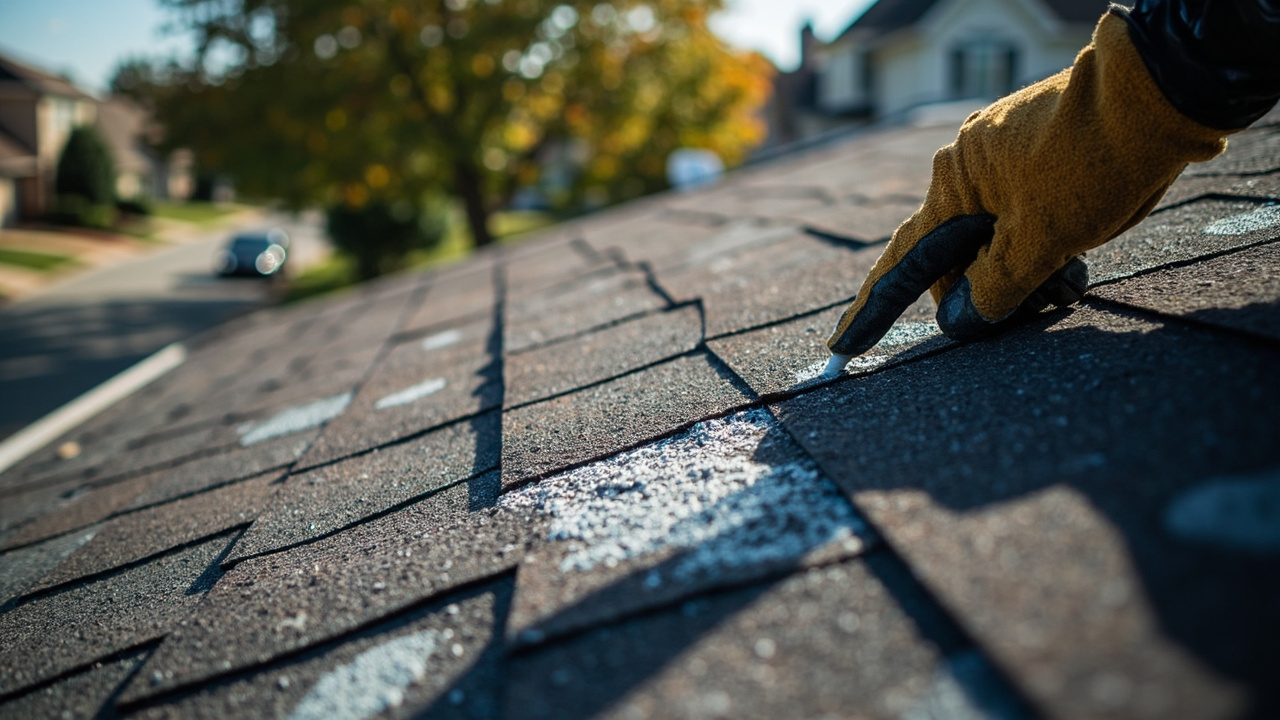
The hail impact assessment includes a granule loss evaluation. When hail strikes asphalt shingles, it dislodges the ceramic granules that protect the asphalt mat from UV degradation. You might see a shingle that looks fine from 20 feet away, but up close, the granule layer is gone and the black substrate is exposed. That shingle just lost 60 percent of its lifespan. We document this with close-up photography and sample collection to prove the damage to your insurer.

We also test the integrity of the sealant strip on each shingle. Hail impact can break the thermal bond that keeps shingles adhered to each other. Once that bond breaks, wind uplift during the next storm will tear shingles off your roof. We perform a manual lift test on random shingles across each slope to identify compromised adhesion. This is the kind of technical detail that separates a professional hail damage check from a free inspection by a storm chaser.

What Happens During Your Emergency Hail Damage Assessment

Emergency Hail Damage Assessment in Washington, D.C. – Same-Day Response Before Insurance Deadlines Expire
01

Immediate Dispatch and Inspection

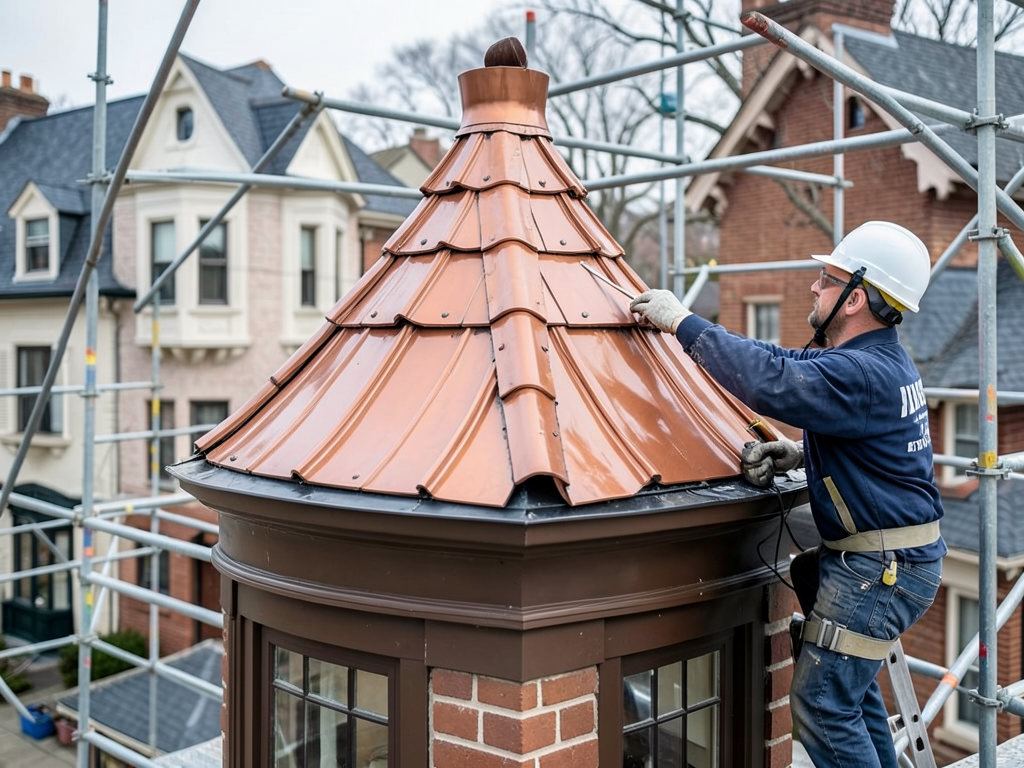
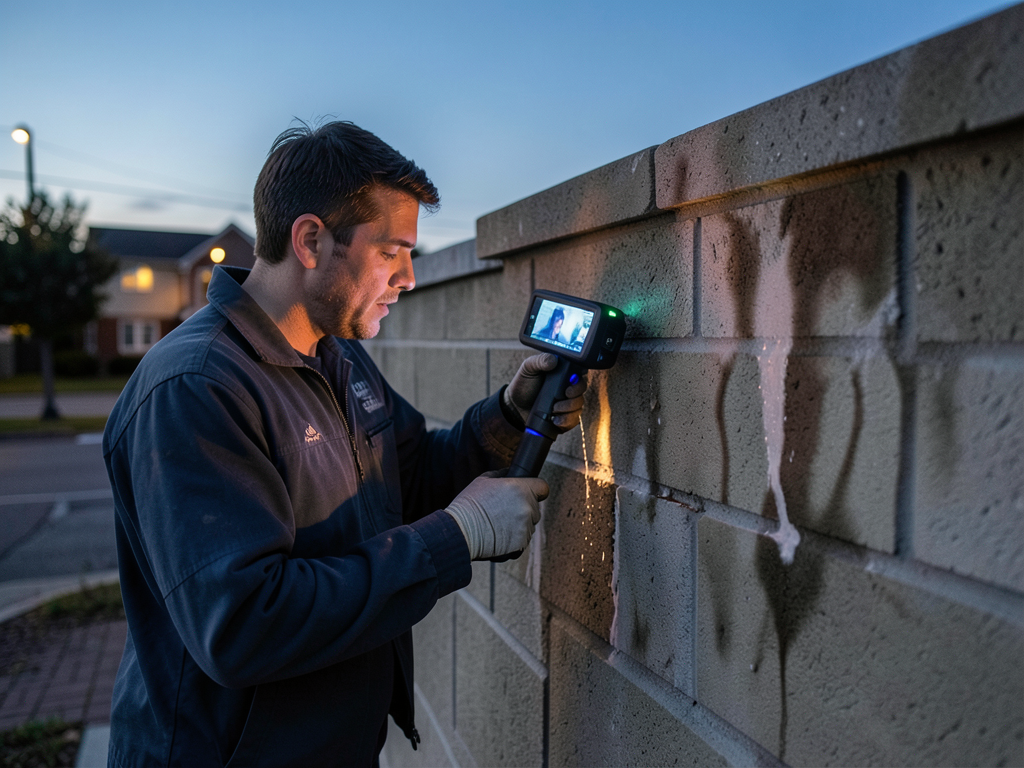
We arrive within hours of your call and begin the roof hail damage evaluation with a perimeter walk to assess ground-level indicators like gutter dents, damaged fascia, and hail accumulation patterns. We then access your roof using safety harnesses and non-penetrating anchor points to protect your already compromised system. Every inspection starts with thermal imaging to detect hidden moisture intrusion that signals existing leaks.
02

Detailed Documentation and Testing

We photograph every damaged shingle, flashing element, and ventilation component using GPS-tagged imagery that maps the exact location of each impact. We measure the diameter and density of hail strikes, document granule loss with macro photography, and perform manual adhesion tests on random shingles. We inspect your attic for water stains, compromised insulation, and structural damage to decking and rafters. This level of documentation is what your insurance company needs to process your claim without dispute.
03

Report Delivery and Claim Support

You receive a comprehensive hail impact assessment report with annotated photographs, damage location maps, and a written summary of all findings within 24 hours. We include repair recommendations, estimated material quantities, and code compliance notes for Washington, D.C. building permits. We coordinate directly with your insurance adjuster, attend on-site inspections, and provide supplemental documentation if the initial claim estimate undervalues the damage. You get the evidence you need to protect your investment.

Why Washington, D.C. Homeowners Trust Ace Roofing Washington DC After Storm Damage

You need someone who understands how insurance adjusters evaluate hail claims in the District of Columbia. We have worked with every major carrier operating in the Washington, D.C. metro area, and we know exactly what documentation they require to approve a claim without a fight. We also understand the local building code requirements that apply to roof replacements in historic districts like Capitol Hill, Shaw, and Kalorama.

Washington, D.C. has specific permitting rules for roof work in historic overlay zones. If your home sits in a designated historic district, your insurance claim must account for architectural review board requirements that can affect material selection and installation methods. We factor these constraints into every hail damage assessment so your claim reflects the true cost of compliant repairs.

We also know how to identify damage patterns specific to the storm systems that hit Washington, D.C. Hailstorms that track northwest from Virginia into the District tend to strike south-facing and west-facing roof slopes with the highest intensity. Storms that move east from Maryland concentrate damage on north-facing and east-facing slopes. We adjust our inspection focus based on the storm track to ensure we find every impact site that matters to your claim.

You will not get a sales pitch disguised as an inspection. We do not knock on doors after storms offering free inspections in exchange for signing a contract. We provide a professional roof hail damage evaluation, deliver a written report, and let you decide how to proceed. If your roof needs emergency tarping to prevent further damage, we handle that immediately. If your roof survived the storm with minimal damage, we tell you that too. Our reputation in Washington, D.C. is built on honesty and technical accuracy.

What to Expect During Your Hail Damage Assessment

Response Time and Availability

We dispatch crews within two to four hours of your call during storm season. You get an emergency roof hail inspection before the next rainstorm turns hail damage into water damage. We operate seven days a week during peak storm season from April through September when Washington, D.C. sees the highest frequency of severe thunderstorms. If your roof is actively leaking, we prioritize emergency tarping and water diversion before beginning the full assessment. You will not wait days for a callback or sit in a queue behind 50 other homeowners. We scale our crew capacity based on storm severity to handle high call volumes without sacrificing inspection quality.

Inspection Process and Documentation

The hail impact assessment takes between 90 minutes and three hours depending on roof size and complexity. We inspect every slope, every penetration, and every transition point where hail damage concentrates. You receive GPS-tagged photographs, written damage descriptions, and a roof diagram that maps every impact zone. We also inspect your gutters, downspouts, siding, and exterior fixtures for corroborating damage that supports your insurance claim. If we find evidence of prior storm damage that was never repaired, we document that separately to avoid claim disputes. The report you receive meets insurance industry standards for evidence quality and technical accuracy.

Report Quality and Claim Approval

Your roof hail damage evaluation report includes high-resolution photographs with measurement overlays, a written narrative that explains the damage in insurance-friendly language, and a material list that reflects Washington, D.C. building code requirements. We highlight code upgrade costs that your policy might cover, such as upgraded underlayment or enhanced flashing systems. If your adjuster requests additional documentation, we provide it at no extra charge. If your adjuster underestimates repair costs, we prepare a supplement with detailed line-item justifications. The goal is to get your claim approved at full value on the first submission so you can move forward with repairs without delays or disputes.

Follow-Up and Claim Support

We stay involved through the entire claims process. If your insurance company schedules an on-site inspection, we attend and walk the adjuster through our findings. If the adjuster disputes our damage assessment, we provide technical rebuttals with supporting documentation. If your claim gets delayed or denied, we help you understand your appeal options and provide additional evidence to strengthen your case. Once your claim is approved, we provide a detailed repair estimate that matches the scope of work in your settlement. You get consistent support from the same team that performed your initial hail damage check, not a different crew that has never seen your roof.

Frequently Asked Questions

You Have Questions,
We Have Answers

How to assess hail damage? +

Start by inspecting your roof from the ground. Look for dents on metal gutters, downspouts, or vents. Check shingles for bruising, which appears as dark spots where granules have been knocked off. Inspect soffit, fascia, and siding for impact marks. Walk your property and look for hail-damaged landscaping or mailboxes. For a thorough assessment, hire a licensed roofing contractor who understands Washington, D.C. building codes and weather patterns. They will check shingle integrity, flashing condition, and underlying decking. Document everything with photos. Never climb your roof alone after a storm. Professional inspectors can spot damage you might miss.

How much does a hail damage estimate cost? +

Most reputable roofing contractors in Washington, D.C. provide free hail damage estimates. This is standard practice because contractors want to help you file insurance claims and secure the repair work. You should never pay for an initial damage assessment. However, if you hire a third-party inspector or public adjuster outside of the insurance claim process, expect to pay between $200 and $500. Insurance companies send their own adjusters at no cost to you. Get multiple free estimates from local contractors to compare findings. Avoid anyone demanding upfront payment for an inspection. Legitimate contractors earn money through approved repairs, not inspections.

Is it worth it to file a claim for hail damage? +

Yes. Filing a hail damage claim protects your home and prevents small problems from becoming expensive failures. Hail damage compromises shingle integrity and shortens your roof lifespan. In Washington, D.C., freeze-thaw cycles and summer storms will worsen existing damage quickly. Even minor granule loss exposes the asphalt layer to UV damage and water infiltration. Your insurance policy exists for this exact situation. Filing does not automatically raise your rates, as weather events are considered acts of nature. Delaying a claim can lead to denial if the insurer determines damage worsened due to neglect. Document damage immediately and file promptly to protect your investment.

What is the average payout for hail damage? +

Payouts vary widely based on damage severity, roof size, and material type. In Washington, D.C., full roof replacements range from $8,000 to $25,000 depending on square footage and shingle quality. Insurance typically covers actual cash value or replacement cost minus your deductible. Older roofs receive depreciated payouts, while newer roofs get full replacement cost coverage. Expect to pay your deductible, usually $1,000 to $2,500. Comprehensive damage affecting a large area yields higher payouts. Minor repairs might only net a few hundred dollars. Your adjuster assesses damage and calculates payout based on local contractor rates and material costs.

Will insurance pay for hail damage to roof? +

Yes, if you carry homeowners insurance with wind and hail coverage. Most standard policies in Washington, D.C. include this protection. Your insurer will send an adjuster to verify damage and assess repair costs. They pay for necessary repairs or replacement minus your deductible. However, coverage depends on your policy terms, roof age, and maintenance history. Roofs older than 20 years might receive actual cash value instead of full replacement cost. You must file promptly after the storm. Waiting too long can result in denial if the insurer claims you allowed preventable deterioration. Review your policy to understand your coverage limits and depreciation schedules.

How much does an average roof inspection cost? +

Most roofing contractors in Washington, D.C. offer free inspections when evaluating storm damage or discussing potential work. If you want an independent inspection unrelated to repairs, expect to pay $200 to $500. This fee covers a thorough examination, written report, and documentation. Some inspectors charge per hour at $100 to $150. Real estate transactions often require paid inspections ranging from $300 to $600. The complexity of your roof affects cost. Multi-level roofs with steep pitches or historic properties requiring specialized knowledge cost more. Always verify credentials and ask for sample reports before hiring. Free inspections from contractors are standard and should raise no concerns.

Are hail damage estimates free? +

Yes. Legitimate roofing contractors provide free hail damage estimates to help you file insurance claims and earn your business. This is standard in Washington, D.C. and across the industry. Contractors inspect your roof, document damage with photos, and provide detailed estimates matching insurance requirements. They know that approved claims lead to paid work. Be cautious of anyone charging for storm damage assessments. Public adjusters might charge fees or take percentages of your claim payout, but direct contractor estimates should always be free. Get at least three estimates to compare findings. Free estimates let you make informed decisions without financial risk before committing to repairs.

Can hail dents be popped out? +

You cannot repair hail-damaged shingles. Dents and bruising compromise the shingle structure permanently. Asphalt shingles lose protective granules on impact, exposing the underlying mat to UV rays and moisture. This accelerates deterioration and leads to leaks. Metal roofing panels sometimes allow minor dent removal, but this requires specialized tools and expertise. Attempting DIY repairs voids warranties and worsens damage. In Washington, D.C., humidity and temperature swings will quickly exploit compromised shingles. Replace damaged shingles or sections to maintain roof integrity. Do not waste money on temporary fixes. Proper replacement protects your home and preserves insurance coverage. Always hire licensed professionals for storm damage repairs.

Do insurance companies fix hail damage? +

Insurance companies do not perform repairs. They provide financial compensation for covered damage. After approving your claim, you receive a payout to hire your own contractor. You choose who performs the work. Some insurers maintain preferred contractor networks, but you can hire anyone licensed in Washington, D.C. The insurance adjuster assesses damage and calculates repair costs based on local rates. You then solicit bids and select a contractor. The insurer pays you or the contractor directly depending on your arrangement. You remain responsible for ensuring quality work and code compliance. Never let adjusters pressure you into specific contractors. Your claim check gives you control over repairs.

Can insurance deny a hail damage claim? +

Yes. Insurance companies can deny hail damage claims for several reasons. Common denials include lack of evidence, pre-existing damage, policy exclusions, or missed filing deadlines. If your roof was already deteriorated before the storm, the insurer may refuse coverage. Delayed reporting raises red flags. In Washington, D.C., you must file promptly after storms. Inadequate documentation weakens your case. Insurers also deny claims when damage falls below your deductible or when they determine the cause was maintenance neglect rather than storm impact. If denied, request a detailed explanation in writing. You can dispute decisions, hire public adjusters, or seek legal counsel to challenge unfair denials.

How Washington, D.C. Spring Storms and Insurance Deadlines Make Timing Critical

Washington, D.C. experiences concentrated hailstorms between April and July when warm, moist air from the Chesapeake Bay collides with cooler air masses moving south from Pennsylvania. These storms generate hail in narrow bands that can strike Capitol Hill while leaving Dupont Circle untouched. The localized nature of hail damage in Washington, D.C. means your neighbors might not have damage even if your roof took a direct hit. Insurance companies use this fact to dispute claims, which is why a professional emergency roof hail inspection with precise documentation is critical. You need proof that your specific property sustained damage, not just evidence that a storm passed through the area.

Most homeowner policies in Washington, D.C. require you to report storm damage within one year of the event, but waiting that long is a mistake. Insurance adjusters become skeptical of late-reported claims and will look for evidence that the damage occurred during a different storm or resulted from neglected maintenance. The best time to file is within two weeks of the hailstorm when the damage is fresh and the connection between the storm and the claim is obvious. Ace Roofing Washington DC works exclusively in the District and surrounding neighborhoods like Chevy Chase, Cleveland Park, and Brookland. We understand local claim patterns, local adjuster expectations, and local code requirements that affect repair costs.
Roofing Services in The Washington DC Area

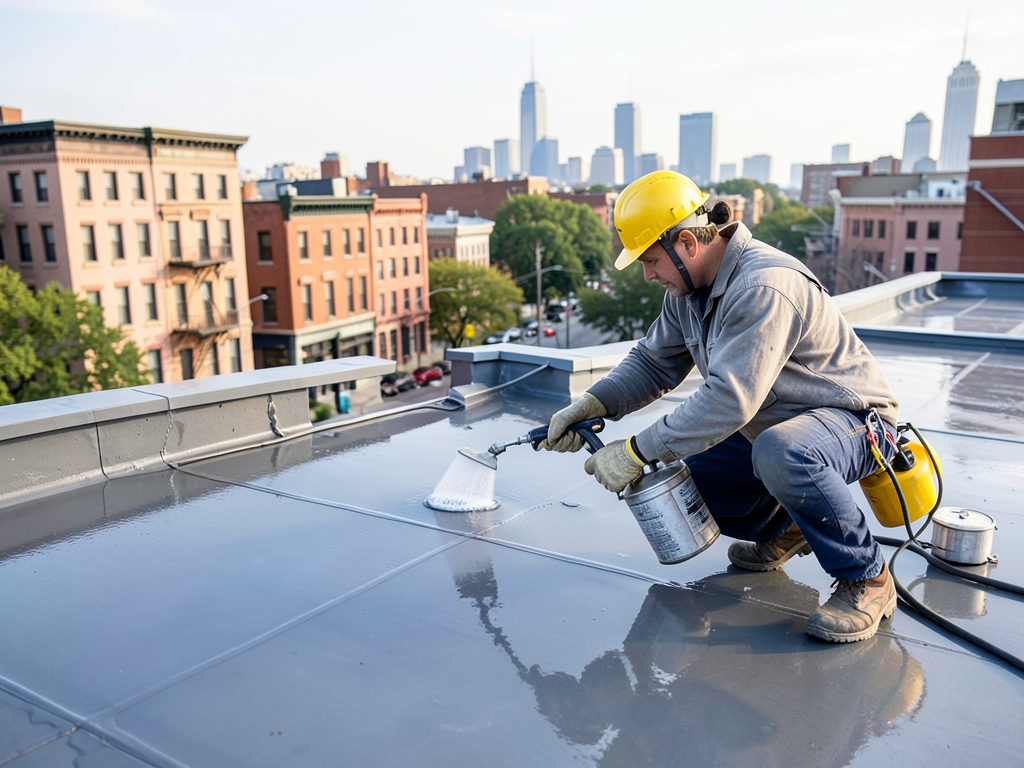
We are proud to serve the entire Washington DC metropolitan area, including all surrounding neighborhoods and communities. Our central location allows us to dispatch our expert teams quickly for emergency repairs or scheduled consultations. Whether you're in Dupont Circle, Georgetown, Capitol Hill, or beyond, we bring premier, trustworthy roofing services directly to your doorstep. View our service area map below to confirm we cover your specific location and then call us to get started on your project.

Address:
Ace Roofing Washington DC, 20 F St NW, Washington, DC, 20001

Additional Services We Offer

Our news updates

Latest Articles & News from The Blogs

How Poor Roof Drainage Can Ruin Your Landscaping in Cathedral Heights Heavy rainstorms in Washington DC create serious challenges for…

How Poor Roof Drainage Can Ruin Your Landscaping in Cathedral Heights

How Poor Roof Drainage Can Ruin Your Landscaping in Cathedral Heights Heavy rainstorms in Washington DC create serious challenges for…

Why You Should Never Install a New Roof Over Your Old Shingles in Hill East

Why Roof Overlays Are a Short-Term Gamble in Hill East Homeowners in Hill East often face a choice when their…

A Homeowner Guide to Comparing Different Roofing Quotes in Washington DC

A Homeowner Guide to Comparing Different Roofing Quotes in Washington DC Getting multiple roofing quotes in Washington DC can feel…

Contact Us

Call (771) 240-3300 right now for same-day roof hail damage evaluation. We document every impact, photograph hidden damage, and deliver the report your insurance company needs to approve your claim without delays or disputes.