


Washington, D.C. sits in a humid subtropical climate zone where roofs endure freeze-thaw cycles, heavy precipitation, and temperature swings that crack shingles and deteriorate flashing. Winter ice dams form when snow melts and refreezes at roof edges, forcing water under shingles and into attics. Summer thunderstorms deliver high winds that lift shingles and drive rain into gaps. The Potomac River creates moisture that feeds algae growth on north-facing roof slopes, shortening shingle life.
Historic row houses in Capitol Hill and Dupont Circle feature flat or low-slope roofs that trap water, while Victorian homes in Kalorama have complex rooflines with valleys where debris accumulates. Georgetown's brick townhouses often have aging chimney flashing that fails first. Trees from Rock Creek Park drop branches during storms, puncturing roofs across neighborhoods. Every roof type in Washington, D.C. needs inspection after major weather events and regular maintenance to catch small problems before water damages interiors.
Ace Roofing Washington DC has repaired thousands of roofs across every Washington, D.C. neighborhood. We know which roof types fail first and where to look for hidden damage. Our crews carry materials for immediate repairs, not just tarps. When you call about a leak, we arrive with underlayment, shingles, flashing, and sealants that match your roof.
We serve Capitol Hill row houses, Georgetown estates, and apartment buildings in Columbia Heights. Each building type has different roof challenges. We understand the architectural requirements for historic districts and work with preservation guidelines when needed. Our team communicates directly with insurance adjusters to document damage properly for claims.
Speed matters when your roof leaks. Water damages drywall, insulation, and framing within hours. We dispatch crews from our Washington, D.C. location within two hours of your call, not the next business day. Night or weekend, we stop active leaks immediately. Our trucks stock emergency repair materials so we fix problems on the first visit.
Experience shows in details. We inspect attics for hidden water damage other companies miss. We photograph everything for your records. We explain what failed, why it happened, and what prevents future problems. You get honest assessments, not sales pitches. Our reputation comes from stopping leaks permanently, not returning for callback repairs.

We dispatch crews within two hours, day or night. Our trucks carry repair materials for immediate fixes. You get real repairs on the first visit, not temporary tarps. Active leaks stop fast, preventing interior damage to ceilings, walls, and belongings. Emergency availability every day protects your home when storms hit.

We inspect attics and ceilings for hidden water damage. Our documentation includes photos and detailed notes for insurance claims. You see exactly what failed and why. We find underlying problems other contractors miss, preventing future leaks. Thorough inspection protects your investment and insurance coverage.
We use manufacturer-grade shingles, underlayment, and flashing, not patch materials. Our repairs match existing roof systems for proper performance. Quality materials withstand Washington, D.C. weather longer than budget products. You get durable repairs backed by material warranties. We stock supplies for all common roof types.
We know Capitol Hill row house roofs, Georgetown historic requirements, and apartment building flat roof systems. Each Washington, D.C. neighborhood has different roof types and challenges. Our experience with local architecture means faster diagnosis and proper repairs. We navigate preservation guidelines when required for historic properties.
Ace Roofing Washington DC handles every roof problem, from emergency leak repairs to full system replacements. We work on steep-slope shingle roofs, flat commercial roofs, and complex historic structures. Our crews perform roof damage repair after storms, routine maintenance to prevent problems, and upgrades that improve energy efficiency.
Every service starts with inspection. We identify all damage, not just obvious leaks. Roof patching services stop active water intrusion immediately while we plan comprehensive repairs. Roof leak repair addresses both symptoms and causes, fixing failed flashing, damaged valleys, and deteriorated shingles. For severe damage, we provide full replacement with modern materials that outlast original installations.
Roofing repair specialists on our team handle insurance claims, building permits, and material selection. We coordinate with adjusters to document damage properly. Our Washington, D.C. experience covers every common roof type and failure pattern. Whether you need emergency patches or planned replacement, we deliver repairs that protect your property long-term. Roof repair contractors often focus on one specialty, but we handle residential, commercial, and historic properties with equal expertise.
When storms damage your roof or leaks appear suddenly, we respond immediately. Our crews arrive within hours carrying materials for permanent repairs, not temporary tarps. We stop water intrusion, secure loose shingles, replace torn flashing, and seal penetrations. Emergency roof patching services prevent interior damage while we assess full repair needs. Night, weekend, or holiday, we protect your home when weather strikes. Fast response limits damage and insurance claims.
Older roofs develop multiple problems that compromise protection. We replace deteriorated shingles, repair failed valleys, upgrade inadequate flashing, and seal penetrations around vents and chimneys. Roof damage repair addresses visible issues and underlying causes like inadequate ventilation or ice dam formation. We restore weathertightness without full replacement when roof structure remains sound. Restoration extends roof life by 10-15 years at lower cost than replacement.
Regular maintenance catches small problems before they become expensive repairs. We inspect flashing, clean debris from valleys, seal minor cracks, and check attic ventilation twice yearly. Maintenance programs include priority emergency response and discounted repairs. Roofing repair specialists document roof condition over time, helping you plan replacement timing. Preventive care doubles roof lifespan in harsh Washington, D.C. weather. Small investments prevent major damage and emergency calls.
Washington, D.C. climate creates specific roof failures. Freeze-thaw cycles crack shingles and lift flashing. Summer heat bakes asphalt shingles until they curl and lose granules. Humidity feeds algae and moss growth that holds moisture against roof surfaces. Heavy spring rains overwhelm gutters and valleys, pooling water that seeps under shingles. Wind from Potomac River valleys lifts loose shingles during thunderstorms.
Historic homes have additional challenges. Original roofing materials deteriorate faster than modern products. Complex rooflines with multiple valleys trap debris and ice. Inadequate attic ventilation traps moisture and heat. Many older homes lack proper underlayment, relying only on shingles for waterproofing. These issues combine to create leaks, interior damage, and energy loss. Understanding local failure patterns helps identify problems early before water destroys ceilings and framing.
Snow melts from attic heat, then refreezes at cold roof edges. Ice builds up and forces water under shingles into attics and walls. Inadequate insulation and ventilation cause most ice dams. Water damage appears weeks after storms pass. Proper attic ventilation and insulation prevent ice dam formation better than roof treatments.
Metal flashing deteriorates from temperature cycles and weather exposure. Chimneys settle independently from houses, cracking flashing seals. Roof vents develop gaps as sealant ages. These penetrations leak before surrounding shingles fail. Water enters walls and attics without visible exterior damage. Regular flashing inspection catches failures early.
Summer sun bakes asphalt shingles, causing granule loss and curling. South and west facing slopes deteriorate fastest. Brittle shingles crack during wind and temperature changes. Lost granules expose asphalt to faster weathering. Once shingles curl or lose significant granules, replacement becomes necessary. Quality shingles and proper ventilation extend lifespan.
Heavy spring rains overwhelm valleys and gutters, pooling water on roof surfaces. Debris clogs valleys and prevents drainage. Standing water seeps under shingles along valley edges. Overflowing gutters pour water down walls into foundations. Regular cleaning prevents most overflow problems. Damaged valley flashing requires immediate repair to prevent widespread leaks.
You get clear communication from first contact through project completion. We answer calls immediately, not through voicemail systems. Our dispatcher asks specific questions about your roof problem and schedules inspection or emergency response. You receive a arrival time window and crew contact information.
Inspection includes roof exterior, attic interior, and ceiling examination. We photograph everything and explain what we find in plain language. You see the damage yourself through photos. We identify immediate threats and underlying causes. Our written estimate details materials, labor, and timeline. No hidden fees appear later.
We coordinate insurance claims when storm damage occurs. Our documentation meets adjuster requirements. We communicate directly with insurance companies to support your claim. You receive copies of all photos and reports. After repairs, we walk you through completed work and answer questions. Cleanup removes all debris. You get material warranties and our workmanship guarantee in writing.
We answer your call personally and dispatch crews within two hours for emergencies. You receive technician names and contact information. We call when we're 30 minutes away. No waiting days for callbacks. Emergency repairs begin immediately upon arrival. Non-emergency inspections schedule within 24 hours. You get direct phone access to your crew leader throughout the project. Text updates keep you informed without disrupting your day.
Our inspection examines roof exterior, attic space, and interior ceilings for water stains. We photograph all damage from multiple angles. You review photos with us and ask questions. We explain what failed, why it happened, and repair options. Written estimates detail materials and labor with no hidden costs. We recommend only necessary repairs, not unnecessary replacements. Honest assessments build trust and prevent surprise costs.
We use manufacturer-grade materials that match your existing roof system. Repairs meet building code requirements. Our crews clean work areas daily and remove all debris upon completion. You receive photos of completed repairs, material receipts, and warranty documentation. We provide maintenance recommendations to prevent future problems. Insurance claim support includes adjuster communication and detailed damage reports. Your investment is protected with written guarantees.
We keep roofing simple. You call with a problem, we inspect and explain what we find, then we fix it right. No complicated processes or confusing terminology. Three straightforward steps get your roof watertight again.
Call us at (771) 240-3300 when you notice roof damage or leaks. We schedule inspection within 24 hours or dispatch emergency crews immediately for active leaks. Our technician examines your roof exterior, attic, and ceilings. We photograph all damage and identify causes. You receive a detailed explanation of problems and repair options with written estimates. No pressure, just facts about your roof condition.
Once you approve the estimate, we schedule repairs at your convenience. Our crews arrive on time with all necessary materials. We protect landscaping and property during work. Repairs follow manufacturer specifications and building codes. Daily cleanup keeps your property neat. We communicate progress and address any discoveries. Quality materials and experienced installation ensure repairs last through Washington, D.C. weather extremes.
We walk you through completed repairs and answer questions. You inspect our work and verify satisfaction. We remove all debris and leave your property clean. You receive photos of completed work, material warranties, and our workmanship guarantee. We provide maintenance recommendations to extend roof life. If problems arise, we return promptly. Your satisfaction ensures our reputation in Washington, D.C. communities.
Proper roofing in Washington, D.C. requires understanding building codes, climate challenges, and material performance. The International Residential Code governs roof installations, requiring specific underlayment, flashing details, and ventilation standards. Washington, D.C. sits in wind zone 1 with 90 mph design speeds, requiring proper shingle fastening patterns. Snow loads of 25 pounds per square foot demand adequate roof structure.
Ice and water barrier must extend 24 inches inside exterior walls in our climate zone. This self-adhering membrane prevents ice dam damage. Proper attic ventilation requires one square foot of vent area per 150 square feet of attic space, split between soffit intake and ridge exhaust. Inadequate ventilation causes premature shingle failure and ice dams.
Asphalt shingle warranties require proper installation following manufacturer specifications. Most failures result from installation errors, not material defects. Shingles must seal properly within days of installation, requiring temperatures above 40 degrees. Winter installations need manual sealing. Flashing details around chimneys, valleys, and penetrations follow specific methods outlined in roofing codes.
Historic districts require preservation approval for roof replacements. Guidelines often mandate specific materials or colors. Understanding these requirements prevents project delays. We navigate historic preservation requirements while delivering modern weather protection. Material selection balances cost, longevity, and appearance. Architectural shingles last 25-30 years versus 15-20 for three-tab shingles. Metal roofing provides 50-year performance but costs more initially. Each material suits different building types and budgets.
Washington, D.C. roofing follows International Residential Code requirements for underlayment, ventilation, and fastening. Ice and water barrier protects eaves and valleys. Proper nail placement and sealing prevents blow-offs. Code compliance ensures insurance coverage and long-term performance. We pull permits when required and pass inspections. Proper installation following manufacturer specs activates material warranties.
Architectural shingles cost more than three-tab but last longer and look better. Metal roofing provides maximum longevity at highest initial cost. Underlayment quality affects leak resistance. Premium materials reduce lifetime costs through fewer repairs. Project costs include materials, labor, disposal, permits, and unexpected repairs. Roof complexity, pitch, and height affect labor costs more than square footage.
Most roof repairs take one to three days depending on damage extent. Full replacements require three to five days for average homes. Weather delays work since wet surfaces prevent proper adhesion. Shingles need temperatures above 40 degrees to seal properly. Winter installations require manual sealing. Spring and fall provide ideal working conditions. We monitor forecasts and schedule around rain to ensure quality installation.
Homeowner insurance covers storm damage but not maintenance issues. Proper documentation proves damage occurred during covered events. We photograph all damage and provide detailed reports for adjusters. Our estimates meet insurance requirements for material quality and labor rates. We communicate directly with adjusters to support claims. Quick documentation after storms improves claim approval rates.
Educational video explaining common roof problems in Washington, D.C. homes including ice dams, failed flashing, and storm damage. Covers emergency roof repair procedures, when to call professionals, and how roof leak repair prevents interior damage. Features roofing repair specialists demonstrating roof patching services and discussing roof damage repair techniques for Washington, D.C. climate. Provides practical guidance for homeowners experiencing active leaks or storm damage requiring immediate attention from roof repair contractors.
Ace Roofing Washington DC serves all four quadrants of Washington, D.C., from Capitol Hill to Georgetown, Dupont Circle to Anacostia. Each neighborhood presents different roofing challenges based on building age, architectural style, and tree coverage.
Capitol Hill's historic row houses feature flat or low-slope roofs that require different waterproofing than pitched roofs. These buildings share party walls, making proper flashing critical to prevent water migration between units. We repair membrane roofs, rebuild parapets, and upgrade drainage systems on these historic structures while respecting preservation guidelines.
Georgetown's Federal-style townhouses have steep-pitched slate and tile roofs that demand specialized repair techniques. Tree coverage from mature oaks creates constant debris problems and shade that promotes moss growth. We clean, repair, and maintain these high-value roofs using methods that preserve historic materials. Chimney flashing repairs are common in this neighborhood due to building age and settlement.
Dupont Circle and Logan Circle feature Victorian and early 20th century apartment buildings with complex rooflines, multiple valleys, and ornamental details. These roofs develop leaks at valley intersections and around decorative elements. We navigate complex roof geometries to identify leak sources and implement repairs that don't compromise architectural character.
Northwest neighborhoods like Friendship Heights and Chevy Chase include mid-century homes with varying roof pitches and material types. Ranch homes have low-pitched roofs prone to ice dam formation. Split-level homes create multiple roof planes where flashing often fails. We address these varied roof types with appropriate repair methods.
Anacostia and Southeast neighborhoods contain both historic homes and modern construction. Older homes need complete roof restoration while newer buildings require storm damage repairs and maintenance. We serve all property types with equal attention and quality. Our Washington, D.C. location enables rapid response across all quadrants, from the Maryland border to the Potomac waterfront. We know which neighborhoods experience specific problems and arrive prepared with appropriate materials and solutions.
Roof replacement expenses in Washington, D.C. vary based on your home's size, material choice, and roof complexity. A standard asphalt shingle roof typically runs less than premium materials like slate or metal. Your total investment depends on square footage, roof pitch, number of layers to remove, and structural repairs needed. D.C.'s urban location affects labor rates and material delivery. Row houses often need less material than detached homes. Get three written estimates from local roofers. Compare what each quote includes for tear-off, disposal, materials, labor, and warranty coverage to make an informed decision.
Yes, you need a building permit for roof replacement in Washington, D.C. The Department of Consumer and Regulatory Affairs requires permits for all roofing work beyond simple repairs. Your roofing contractor typically handles the permit application process. They submit plans, pay fees, and schedule required inspections. The permit ensures work meets D.C. building codes and protects your property value. Inspectors check installation quality and proper ventilation. Skipping permits leads to fines and problems when selling your home. Permit processing takes one to three weeks. Factor this timeline into your project schedule before work begins.
Most residential roof installations in Washington, D.C. take three to five days under normal weather conditions. A straightforward asphalt shingle replacement on a standard home usually finishes in three days. Complex roofs with multiple angles, chimneys, or skylights need four to six days. Row house roofs often complete faster due to smaller square footage. D.C.'s weather affects timing significantly. Summer thunderstorms and winter ice cause delays. Spring and fall offer the most predictable conditions. Your contractor pauses work during rain to prevent water damage. Material delivery delays and unexpected structural repairs extend timelines. Discuss weather contingencies before signing your contract.
Roof replacement expenses in Washington, D.C. vary based on your home's size, material choice, and roof complexity. A standard asphalt shingle roof typically runs less than premium materials like slate or metal. Your total investment depends on square footage, roof pitch, number of layers to remove, and structural repairs needed. D.C.'s urban location affects labor rates and material delivery. Row houses often need less material than detached homes. Get three written estimates from local roofers. Compare what each quote includes for tear-off, disposal, materials, labor, and warranty coverage to make an informed decision.
Yes, you need a building permit for roof replacement in Washington, D.C. The Department of Consumer and Regulatory Affairs requires permits for all roofing work beyond simple repairs. Your roofing contractor typically handles the permit application process. They submit plans, pay fees, and schedule required inspections. The permit ensures work meets D.C. building codes and protects your property value. Inspectors check installation quality and proper ventilation. Skipping permits leads to fines and problems when selling your home. Permit processing takes one to three weeks. Factor this timeline into your project schedule before work begins.
Most residential roof installations in Washington, D.C. take three to five days under normal weather conditions. A straightforward asphalt shingle replacement on a standard home usually finishes in three days. Complex roofs with multiple angles, chimneys, or skylights need four to six days. Row house roofs often complete faster due to smaller square footage. D.C.'s weather affects timing significantly. Summer thunderstorms and winter ice cause delays. Spring and fall offer the most predictable conditions. Your contractor pauses work during rain to prevent water damage. Material delivery delays and unexpected structural repairs extend timelines. Discuss weather contingencies before signing your contract.
Asphalt shingles perform well in D.C.'s climate when you choose architectural-grade products rated for freeze-thaw cycles. These shingles handle temperature swings from humid summers to cold winters. Metal roofing excels in all D.C. weather conditions, shedding snow and resisting ice dams. Slate and tile offer exceptional durability through decades of weather extremes. Synthetic slate combines traditional appearance with modern weather resistance. Your choice depends on your home's architectural style, structural capacity, and longevity goals. Proper attic ventilation matters more than material selection. Good airflow prevents ice dams in winter and reduces heat buildup during D.C.'s humid summers.
Check your roof age first. Most asphalt shingle roofs last 20 to 25 years in D.C. Inspect for widespread granule loss, curling shingles, or multiple bald spots. These signal replacement time. Look in your attic for daylight through boards or water stains on rafters. Multiple leak locations indicate systemic failure requiring replacement. Small isolated damage responds well to repair. Georgetown row houses need special attention around parapet walls and shared valleys. Count your problem areas. Three or more leak spots within two years suggest replacement makes financial sense. Get a professional inspection for an honest assessment before deciding.
Yes, D.C. roofers work through winter when temperatures stay above freezing. Asphalt shingle installation requires temperatures above 40 degrees Fahrenheit for proper adhesive activation. Contractors schedule work during mild winter days between cold snaps. Metal roofing installs year-round regardless of temperature. Emergency repairs happen in any weather to prevent interior damage. Winter projects offer shorter wait times and sometimes better scheduling flexibility. Snow and ice stop all roofing work for safety reasons. Your contractor monitors weather forecasts closely. Plan for weather delays when scheduling winter projects. Spring and fall remain ideal seasons for planned replacements in the D.C. metro area.
Most homeowners insurance policies cover sudden storm damage, wind damage, and hail impact on D.C. roofs. Your policy typically pays for repairs when identifiable weather events cause damage. Insurance companies send adjusters to verify storm damage before approving claims. Document damage with photos immediately after storms. Normal wear and tear receives no coverage. Policies exclude damage from poor maintenance or old age. Your deductible applies to roof claims. Some insurers limit coverage on roofs older than 20 years, paying only depreciated value. Review your policy before damage occurs. Ask your agent about roof age limits and replacement cost coverage versus actual cash value.
Schedule professional roof inspections every three years in the D.C. metro area. Increase frequency to annual inspections once your roof reaches 15 years old. Inspect after major storms with high winds or hail. Spring inspections catch winter damage before summer storms arrive. Fall checkups prepare your roof for winter weather. D.C.'s freeze-thaw cycles and humid summers accelerate wear on roofing materials. Professional inspectors spot small problems before they become expensive failures. They check flashing, gutters, ventilation, and shingle condition. Many roofing companies offer free inspections. Keep inspection reports in your home maintenance records to track your roof's condition over time.
Water stains on ceilings or walls indicate active leaks after D.C. rainstorms. Check your attic for wet insulation, water trails on rafters, or pooling water. Exterior signs include missing shingles, lifted edges, or damaged flashing around chimneys and vents. Sagging roof sections suggest trapped water and structural damage. Granules washing down gutters mean shingle deterioration. Peeling paint on soffits or fascia boards points to water infiltration. Mold or mildew growth in your attic signals ongoing moisture problems. Interior drips during or immediately after rain need immediate attention. Schedule professional inspection when you spot any warning signs to prevent extensive damage.
Both materials work well on D.C. historic homes when installed properly. Your choice depends on architectural guidelines in your neighborhood. Some historic districts require specific materials matching original construction. Metal roofing lasts 50-plus years and handles D.C. weather extremes better than asphalt. Standing seam metal suits many Victorian and Federal-style homes. Asphalt shingles offer authentic appearance for Colonial and Tudor styles at lower upfront investment. Check Historic Preservation Review Board requirements before choosing materials in protected areas. Metal roofs need less maintenance over their lifespan. Asphalt shingles allow easier matching during repairs. Consider your home's age, style, and neighborhood character when selecting roofing materials.
Asphalt shingles perform well in D.C.'s climate when you choose architectural-grade products rated for freeze-thaw cycles. These shingles handle temperature swings from humid summers to cold winters. Metal roofing excels in all D.C. weather conditions, shedding snow and resisting ice dams. Slate and tile offer exceptional durability through decades of weather extremes. Synthetic slate combines traditional appearance with modern weather resistance. Your choice depends on your home's architectural style, structural capacity, and longevity goals. Proper attic ventilation matters more than material selection. Good airflow prevents ice dams in winter and reduces heat buildup during D.C.'s humid summers.
Check your roof age first. Most asphalt shingle roofs last 20 to 25 years in D.C. Inspect for widespread granule loss, curling shingles, or multiple bald spots. These signal replacement time. Look in your attic for daylight through boards or water stains on rafters. Multiple leak locations indicate systemic failure requiring replacement. Small isolated damage responds well to repair. Georgetown row houses need special attention around parapet walls and shared valleys. Count your problem areas. Three or more leak spots within two years suggest replacement makes financial sense. Get a professional inspection for an honest assessment before deciding.
Yes, D.C. roofers work through winter when temperatures stay above freezing. Asphalt shingle installation requires temperatures above 40 degrees Fahrenheit for proper adhesive activation. Contractors schedule work during mild winter days between cold snaps. Metal roofing installs year-round regardless of temperature. Emergency repairs happen in any weather to prevent interior damage. Winter projects offer shorter wait times and sometimes better scheduling flexibility. Snow and ice stop all roofing work for safety reasons. Your contractor monitors weather forecasts closely. Plan for weather delays when scheduling winter projects. Spring and fall remain ideal seasons for planned replacements in the D.C. metro area.
Most homeowners insurance policies cover sudden storm damage, wind damage, and hail impact on D.C. roofs. Your policy typically pays for repairs when identifiable weather events cause damage. Insurance companies send adjusters to verify storm damage before approving claims. Document damage with photos immediately after storms. Normal wear and tear receives no coverage. Policies exclude damage from poor maintenance or old age. Your deductible applies to roof claims. Some insurers limit coverage on roofs older than 20 years, paying only depreciated value. Review your policy before damage occurs. Ask your agent about roof age limits and replacement cost coverage versus actual cash value.
Schedule professional roof inspections every three years in the D.C. metro area. Increase frequency to annual inspections once your roof reaches 15 years old. Inspect after major storms with high winds or hail. Spring inspections catch winter damage before summer storms arrive. Fall checkups prepare your roof for winter weather. D.C.'s freeze-thaw cycles and humid summers accelerate wear on roofing materials. Professional inspectors spot small problems before they become expensive failures. They check flashing, gutters, ventilation, and shingle condition. Many roofing companies offer free inspections. Keep inspection reports in your home maintenance records to track your roof's condition over time.
Water stains on ceilings or walls indicate active leaks after D.C. rainstorms. Check your attic for wet insulation, water trails on rafters, or pooling water. Exterior signs include missing shingles, lifted edges, or damaged flashing around chimneys and vents. Sagging roof sections suggest trapped water and structural damage. Granules washing down gutters mean shingle deterioration. Peeling paint on soffits or fascia boards points to water infiltration. Mold or mildew growth in your attic signals ongoing moisture problems. Interior drips during or immediately after rain need immediate attention. Schedule professional inspection when you spot any warning signs to prevent extensive damage.
Both materials work well on D.C. historic homes when installed properly. Your choice depends on architectural guidelines in your neighborhood. Some historic districts require specific materials matching original construction. Metal roofing lasts 50-plus years and handles D.C. weather extremes better than asphalt. Standing seam metal suits many Victorian and Federal-style homes. Asphalt shingles offer authentic appearance for Colonial and Tudor styles at lower upfront investment. Check Historic Preservation Review Board requirements before choosing materials in protected areas. Metal roofs need less maintenance over their lifespan. Asphalt shingles allow easier matching during repairs. Consider your home's age, style, and neighborhood character when selecting roofing materials.
We are proud to serve the entire Washington DC metropolitan area, including all surrounding neighborhoods and communities. Our central location allows us to dispatch our expert teams quickly for emergency repairs or scheduled consultations. Whether you're in Dupont Circle, Georgetown, Capitol Hill, or beyond, we bring premier, trustworthy roofing services directly to your doorstep. View our service area map below to confirm we cover your specific location and then call us to get started on your project.
Address:
Washington, D.C., DC, 20001
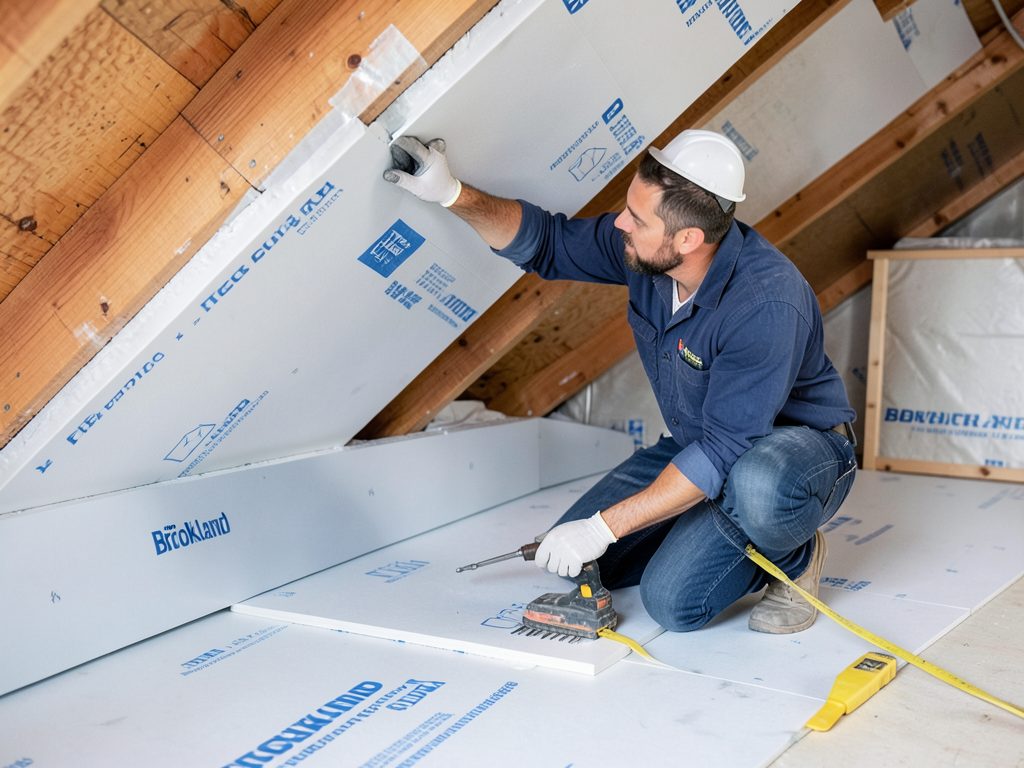
Comparing Polyiso and Rockwool Insulation for Better Energy Savings in Brookland Homeowners in Brookland face unique energy challenges from the neighborhood’s mix of historic brick row houses and mid-century homes built before modern insulation standards.…
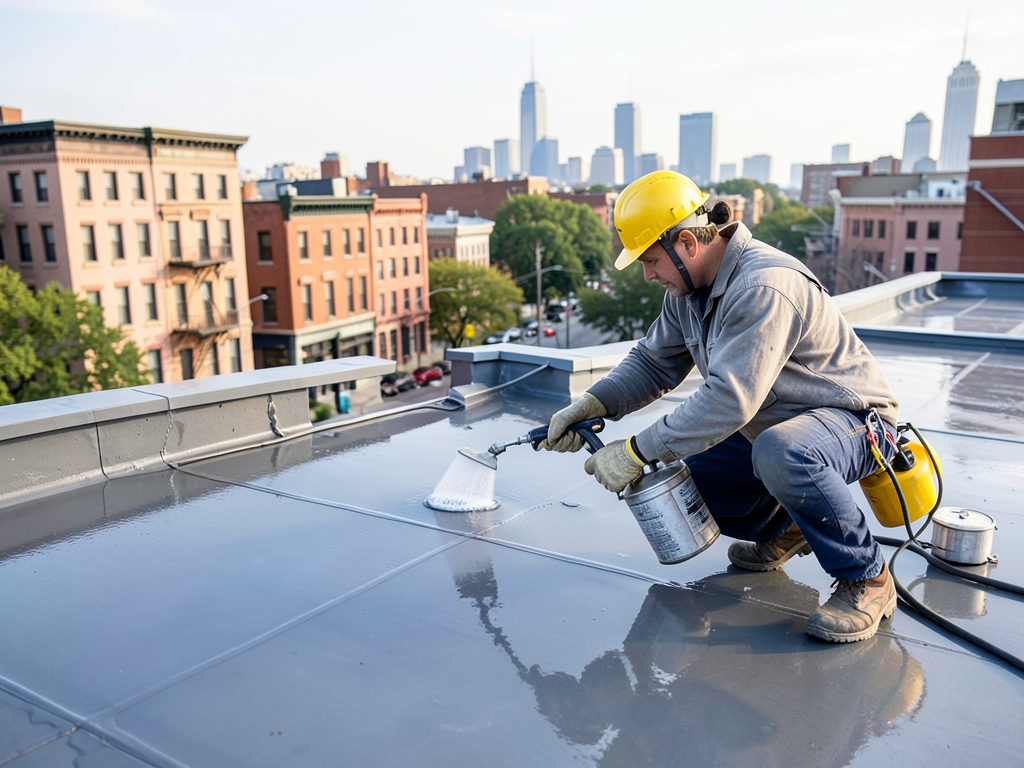
Keeping Your 14th Street Retail Space Dry with High Performance Flat Roof Coatings Your 14th…
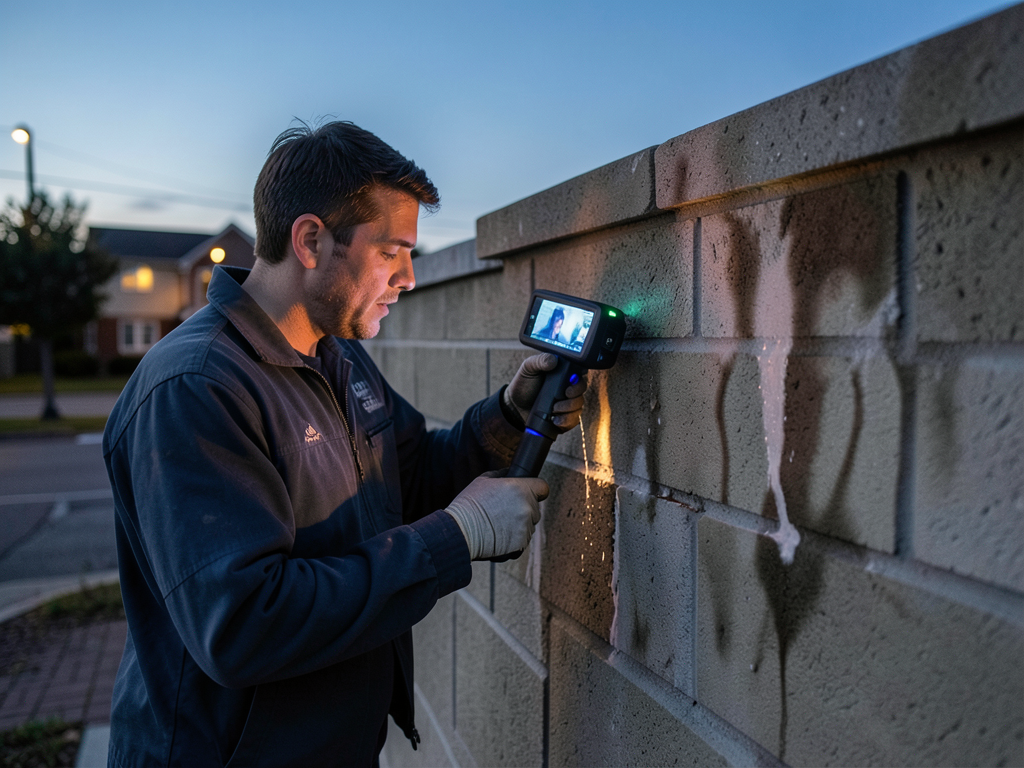
How to Repair Leaky Party Walls and Parapets Between Rowhouses in Columbia Heights A leaking…
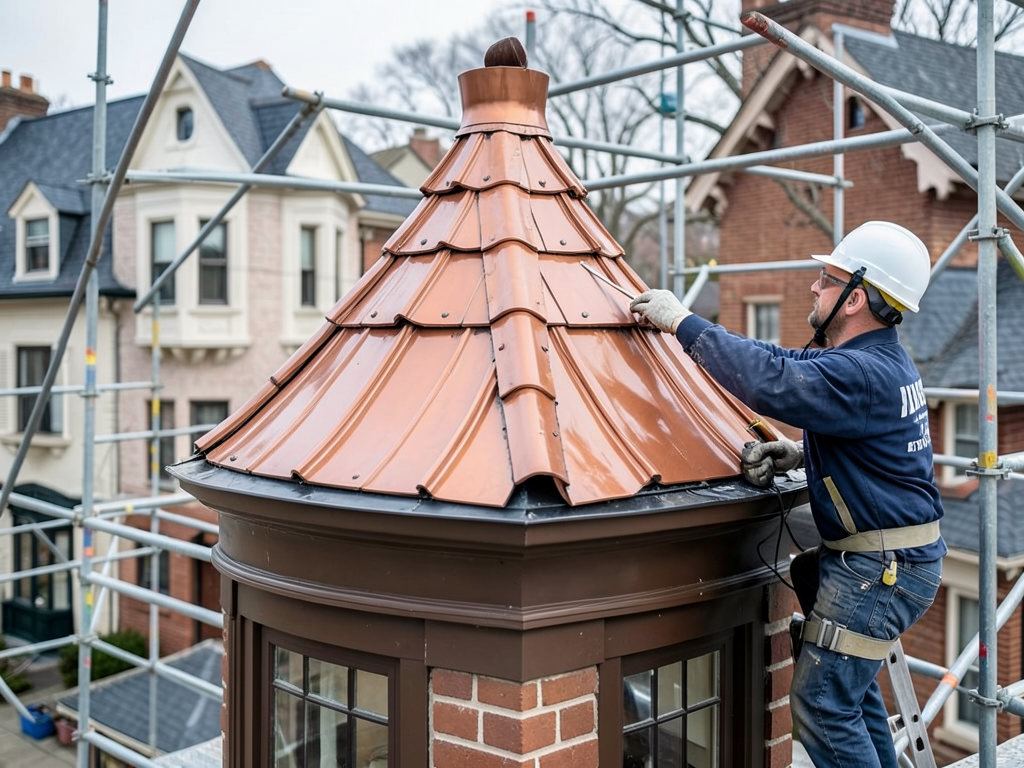
Re-Roofing the Complex Turrets and Steep Gables on Victorian Homes in Logan Circle Victorian homes…
Don't let roof damage spread to your ceilings and walls. Call Ace Roofing Washington DC now at (771) 240-3300 for immediate inspection or emergency repairs. We answer 24/7 and arrive ready to stop leaks permanently. Protect your home today.