menu

Roof Leaking in Heavy Rain in Washington, D.C. – 24/7 Emergency Response Stops Water Damage Fast

When your roof leaks during a downpour, every minute counts. Ace Roofing Washington DC dispatches emergency crews around the clock to stop ceiling leaks, protect your belongings, and prevent structural damage before it spreads.

Slider Image 1
Slider Image 2
Slider Image 3
Slider Image 4
Slider Image 5
Slider Image 7
Slider Image 8
Slider Image 9
Slider Image 10
Slider Image 11

When Your Ceiling Leaks During Heavy Rain, You Have Minutes, Not Hours

You hear the drip. You see the stain spreading across your ceiling. Heavy rain in Washington, D.C. does not wait for business hours, and neither does water damage.

Washington's mid-Atlantic climate delivers sudden downpours year-round. Spring thunderstorms dump inches in minutes. Summer monsoons turn streets into rivers. Winter freezes crack shingles, and the thaw sends meltwater straight through those cracks when the next storm hits. The District's aging housing stock, much of it pre-1950s row homes with flat or low-slope roofs, amplifies the risk. Add in clogged gutters from the urban tree canopy, and you have the perfect recipe for emergency roof leak repair scenarios.

When your roof leaks in a downpour, water does not stay polite. It seeps into insulation, drywall, electrical systems, and floor joists. A ceiling leaking during heavy rain can mean ruined furniture, mold growth within 24 hours, and thousands in secondary damage. You need someone who can fix a roof leak while raining, not someone who schedules you for next Tuesday.

A leaking roof during a storm is not a maintenance issue. It is a structural emergency. The longer water flows, the more it costs. You need immediate action, not estimates. You need a crew that understands how to tarp, channel, and stabilize a roof leaking in a downpour while the rain still falls. You need a team that knows Capitol Hill's slate roofs behave differently than Anacostia's asphalt shingles.

Stop the leak. Stop the damage. Stop the panic.

When Your Ceiling Leaks During Heavy Rain, You Have Minutes, Not Hours
How We Stop Emergency Roof Leaks While the Storm Still Rages

How We Stop Emergency Roof Leaks While the Storm Still Rages

Most roofers wait for clear skies. We do not. Our emergency roof leak repair protocol is built for active storms because that is when you need us most.

We arrive with heavy-duty tarps, roofing cement, flashing repair kits, and the experience to work safely on wet surfaces. Our first goal is containment. We locate the breach point, which is rarely where the water shows up inside. Water travels along rafters, follows nail lines, and drips feet away from the actual roof penetration. We trace the flow back to the source.

Once identified, we apply immediate waterproofing. For punctures or missing shingles, we use rubberized emergency patches that bond even in wet conditions. For compromised flashing around chimneys or vent pipes, we apply butyl sealant and metal patches. For larger sections, we deploy reinforced tarps anchored with sandbags and battens, creating a temporary watershed that diverts rain away from the vulnerable area.

Inside, we assess secondary damage. If water has pooled in your attic insulation, we extract it to prevent ceiling collapse. If drywall is saturated, we document it for insurance and advise on ventilation to slow mold colonization. We do not leave you with a tarp and a prayer. We give you a written damage report, photos of the breach, and a clear repair timeline for when weather permits permanent fixes.

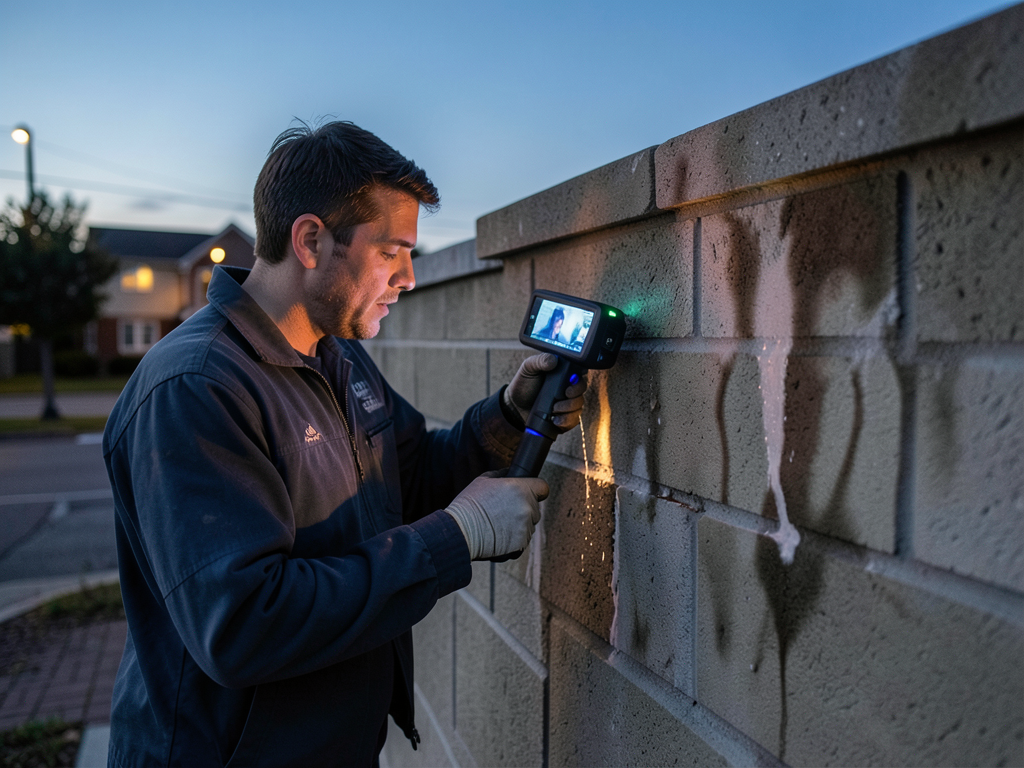
Our crews carry moisture meters, thermal cameras, and ladder stabilizers rated for wet conditions. We know D.C.'s building codes for emergency work, and we coordinate with your insurance adjuster from day one. This is not patchwork. This is professional triage that keeps your home livable while we plan the permanent repair.

What Happens When You Call for Emergency Roof Leak Repair

Roof Leaking in Heavy Rain in Washington, D.C. – 24/7 Emergency Response Stops Water Damage Fast
01

Immediate Dispatch and Arrival

You call (771) 240-3300, and we ask three questions: Where is the water entering inside? Is it still raining? Are you in immediate danger? We dispatch the nearest crew within 60 minutes, not tomorrow. You get a text with your technician's name, truck number, and live ETA. Our teams work through the night because leaks do not stop for sleep. We arrive ready to climb, assess, and act.
02

Leak Isolation and Temporary Waterproofing

We go up immediately, even in rain, using non-slip boots and safety harnesses. We trace the water entry point using dye tests or thermal imaging if needed. We apply emergency sealant, replace blown-off shingles, or deploy heavy tarps anchored to resist wind. Inside, we place collection buckets, move furniture, and assess attic insulation for saturation. The goal is to stop new water from entering so you can breathe.
03

Documentation and Permanent Repair Planning

Before we leave, you get photos of the damage, a written scope of the temporary fix, and a detailed estimate for permanent repair. We explain what caused the failure, whether it was storm damage, age-related wear, or poor prior installation. We help you file insurance claims with documentation adjusters actually accept. You are not abandoned with a tarp. You have a plan, a timeline, and a team committed to finishing the job right.

Why Washington, D.C. Homeowners Trust Us When the Ceiling Starts Dripping

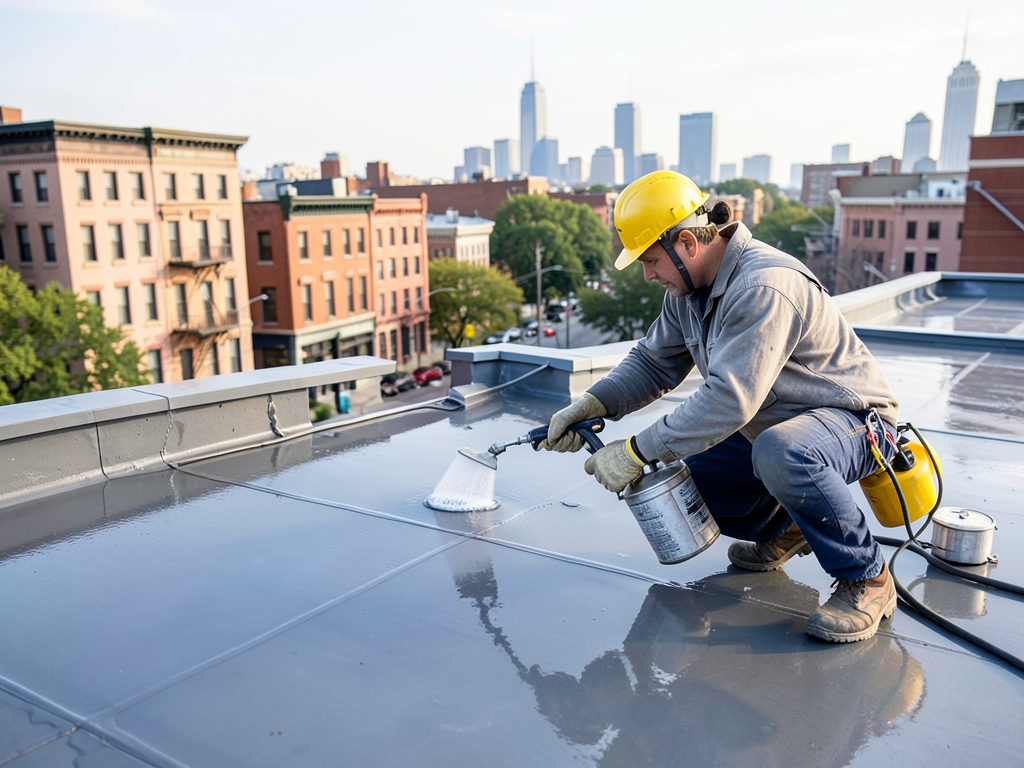
Emergency roof repair in the District is not the same as emergency repair in the suburbs. You have row homes with shared parapet walls. You have historic districts with slate and clay tile roofs that require specialty skills. You have flat roofs with EPDM membranes that pond water in ways pitched roofs never do. You need roofers who know the difference.

Ace Roofing Washington DC has worked every neighborhood from Georgetown to Trinidad. We understand that a Capitol Hill row home built in 1910 has different flashing details than a Brookland colonial from 1950. We know that D.C.'s stormwater regulations affect how we channel roof runoff during repairs. We know which suppliers stock emergency materials after hours and which ones close at five.

We also know your insurance company. We document everything with time-stamped photos, moisture readings, and written narratives that match what adjusters expect to see. We have worked with every major carrier operating in the District, and we know how to present damage so your claim does not get delayed or denied.

When you call us during a storm, you get a crew that has handled this exact scenario dozens of times in your neighborhood. We do not guess. We do not improvise. We follow a proven protocol that stops the leak, protects your home, and sets you up for a full repair once the weather clears.

You also get honesty. If your roof is 25 years old and this is the third patch, we will tell you a full replacement makes more sense than endless emergency calls. If the leak is minor and you can wait until morning for a safer repair, we will tell you that too. We do not upsell panic. We solve problems.

What You Get When You Call for Emergency Roof Leak Repair

24/7 Availability and Rapid Response

We answer calls at 2 a.m. on Sundays. We dispatch crews in active storms, not after they pass. You get a live dispatcher, not a voicemail. We commit to on-site arrival within 60 to 90 minutes for Washington, D.C. addresses, depending on traffic and weather severity. If we are delayed, you get a text update every 15 minutes. No silence. No wondering. You know when help is coming.

Thorough Damage Assessment and Water Tracing

We do not just slap a tarp on your roof and leave. We enter your attic with moisture meters and flashlights to trace exactly where the water is entering and where it is traveling. We check insulation, wiring, and structural framing for saturation. We explain what we find in plain terms, show you the damage, and photograph everything for insurance purposes. You get a written summary before we leave, not days later.

Professional-Grade Temporary Repairs

Our emergency fixes are not duct tape solutions. We use commercial-grade tarps rated for high winds, roofing cement that bonds in wet conditions, and metal flashing patches that seal properly. We anchor everything with sandbags, battens, or mechanical fasteners depending on your roof type. The temporary repair holds until we return for permanent work. You do not get callbacks for the same leak two days later.

Insurance Coordination and Permanent Repair Scheduling

We hand you a complete damage report with photos, measurements, and a written scope of loss before we leave. We coordinate directly with your insurance adjuster, providing the documentation they need to process your claim quickly. We schedule the permanent repair as soon as weather permits, and we honor the emergency service pricing we quoted. No surprise bills. No bait and switch. You get clarity, not confusion.

Frequently Asked Questions

You Have Questions,
We Have Answers

What to do if a roof is leaking during rain? +

Stop the water immediately. Place buckets under active drips and move furniture. If safe, access your attic and locate the source. Place a tarp or towels to contain spreading water. Do not touch electrical outlets or fixtures near the leak. Call a local Washington, D.C. roofer for emergency service. Many operate 24/7 during storms. If water pools on your ceiling, poke a small hole to release pressure and prevent collapse. Document everything with photos for insurance. Do not wait until morning. Active leaks cause exponential damage every hour. Fast response protects your home and limits repair costs.

How long can a roof leak before damage? +

Damage starts immediately. Within 24 hours, drywall absorbs water and insulation becomes saturated. Wood framing begins to swell. After 48 hours, mold spores activate. Within one week, structural wood starts rotting and mold colonies spread through walls. Washington, D.C.'s high humidity accelerates this timeline. Your ceiling may collapse if water pools. Electrical systems face shorting risks. Even small leaks compromise roof decking and rafters over months. The longer water intrudes, the more you pay. Emergency repairs cost less than structural rebuilds. Every hour counts during active rain events.

Why does my roof only leak during heavy rain? +

Heavy rain exposes weak points that light rain misses. Wind-driven rain forces water under shingles, through worn flashing, or into small cracks. Your roof may have compromised sealant around vents or chimneys. Clogged gutters cause water to back up under the roofline during downpours. Washington, D.C.'s intense summer thunderstorms and nor'easters create sideways rain that penetrates vulnerable areas. Aging shingles lose granules and curl, creating entry points. The issue existed before the storm. Heavy rain just reveals it. A professional inspection identifies hidden damage before the next weather event hits.

Does homeowners insurance cover roof leaks from storms? +

Usually, yes. Most homeowners policies cover sudden storm damage like wind-lifted shingles or hail impacts. You must prove the storm caused the leak. Document the date, take photos, and get a professional assessment quickly. Washington, D.C. insurers require timely reporting. Coverage excludes gradual wear or maintenance neglect. If your roof was already old or deteriorating, expect pushback. Emergency tarping and water extraction typically qualify. File your claim within days. Delays raise red flags. Work with a local roofer experienced in insurance documentation to strengthen your claim and speed approval.

How urgent is a leaking roof? +

Extremely urgent. Treat it like a medical emergency for your home. Water spreads fast through insulation, drywall, and framing. Mold starts within 24 hours in Washington, D.C.'s humid climate. Electrical hazards increase every minute. Ceilings can collapse under pooled water. Structural wood rots quickly once saturated. Even minor drips indicate bigger problems hidden in your attic or walls. Do not wait for the rain to stop. Call a 24/7 emergency roofer immediately. Temporary repairs prevent catastrophic damage. Delaying turns a manageable repair into a total roof replacement plus interior restoration. Act now.

Is a leaking roof covered by insurance? +

It depends on the cause. Insurance covers sudden, storm-related damage like wind or hail. Gradual leaks from aging, poor maintenance, or wear get denied. Washington, D.C. policies require proof the damage was acute and weather-related. Missing shingles from a storm qualify. A 20-year-old roof that slowly deteriorated does not. Review your policy declarations page for exclusions. File claims immediately after storms with photo evidence and professional assessments. Insurers investigate thoroughly. Working with experienced local roofers who understand claims documentation improves your approval odds and speeds settlements.

Does insurance cover damage from a roof leak? +

Yes, if the roof damage qualifies. Policies typically cover water damage to ceilings, walls, floors, and belongings caused by covered roof failures. This includes drywall replacement, insulation, and mold remediation. Washington, D.C. insurers require you to mitigate damage quickly. Tarping and emergency water extraction are covered. Neglecting mitigation voids coverage for subsequent damage. Document everything. Save damaged items for adjuster inspection. Interior damage claims often exceed roof repair costs. Fast professional response protects your coverage. Delays or poor documentation give insurers reasons to reduce or deny payouts.

How long does it take for mold to grow after a roof leak? +

Mold begins within 24 to 48 hours. Washington, D.C.'s humidity and summer heat create ideal conditions. Spores activate once materials stay wet. Visible colonies appear within a week. Attic insulation and drywall are perfect breeding grounds. You may smell musty odors before seeing growth. Mold spreads through HVAC systems, affecting air quality. Health risks increase daily. Professional water extraction and dehumidification within 24 hours prevent growth. Once established, mold requires expensive remediation and material replacement. Speed is critical. Emergency roofers coordinate water removal to stop mold before it starts.

What is the average cost to repair a roof leak? +

Costs vary widely based on damage extent and location access. Minor flashing repairs run a few hundred dollars. Replacing damaged shingles or sealing penetrations costs more. Extensive leaks requiring decking replacement, structural repair, or interior restoration climb higher. Washington, D.C. rates reflect local labor costs and building code requirements. Historic district homes face additional expenses. Emergency service during storms adds premiums but prevents bigger bills. Insurance often covers storm damage. Get multiple local estimates. Avoid quotes without roof inspections. Legitimate contractors assess damage in person before pricing. Invest in proper repairs to prevent recurring leaks.

How much will it cost to fix a roof leak? +

Repair costs depend on the source and severity. Simple fixes like resealing vents or replacing a few shingles cost less. Complex issues involving flashing, valleys, or multiple penetration points run higher. Interior water damage adds significantly to total costs. Washington, D.C. contractors charge based on roof pitch, height, and access difficulty. Flat roofs on rowhouses differ from steep-slope colonials. Emergency calls during active storms cost more but save money long-term. Insurance may cover storm-related damage. Request detailed written estimates from licensed local roofers. Proper diagnosis prevents repeat failures and wasted money on temporary fixes.

Why Washington, D.C.'s Historic Roofing Stock Makes Emergency Leaks More Complex

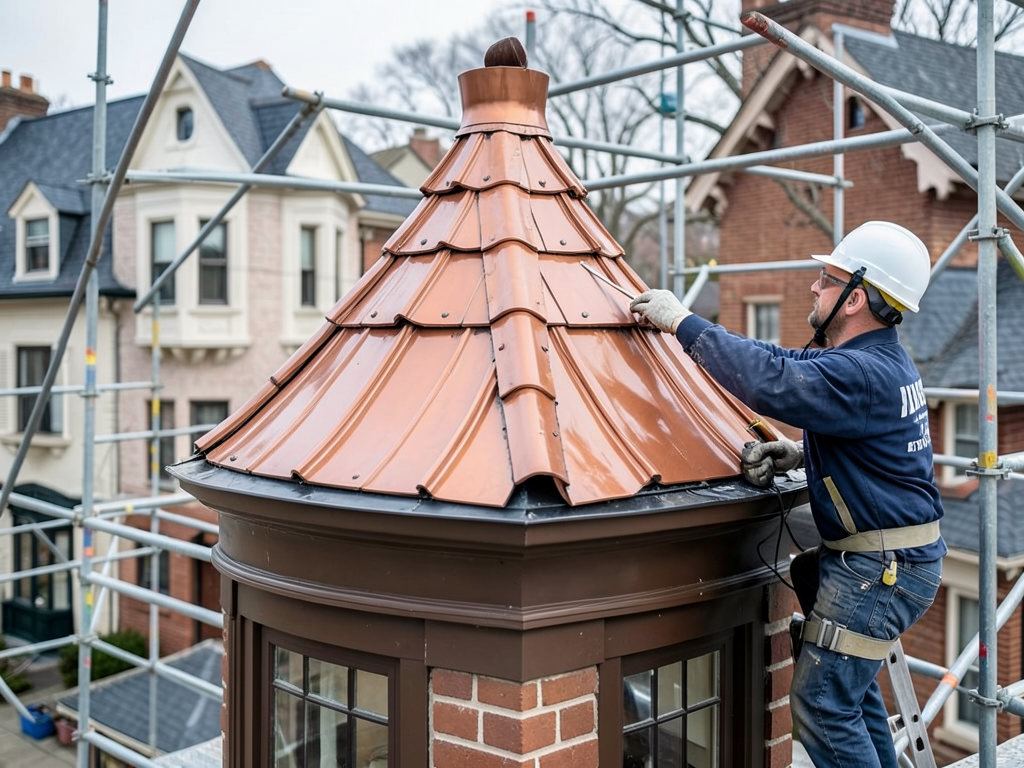
Washington, D.C. has one of the oldest housing inventories on the East Coast. Many Capitol Hill and Dupont Circle row homes were built between 1890 and 1920, featuring slate, clay tile, or built-up tar roofs that require specialized emergency repair techniques. When these roofs leak during heavy rain, you cannot just nail down an asphalt shingle patch. Slate repairs require copper flashing and custom-cut replacement tiles. Clay tile repairs require matching profiles that are not stocked at big-box stores. Even the flat roofs common in D.C.'s commercial corridors use multi-ply bitumen systems that demand hot-tar or torch-down methods you cannot deploy safely in a downpour. Emergency roof leak repair in the District means knowing which materials bond in wet conditions and which techniques will not void your historic property's compliance status.

Roofing Services in The Washington DC Area

We are proud to serve the entire Washington DC metropolitan area, including all surrounding neighborhoods and communities. Our central location allows us to dispatch our expert teams quickly for emergency repairs or scheduled consultations. Whether you're in Dupont Circle, Georgetown, Capitol Hill, or beyond, we bring premier, trustworthy roofing services directly to your doorstep. View our service area map below to confirm we cover your specific location and then call us to get started on your project.

Address:
Ace Roofing Washington DC, 20 F St NW, Washington, DC, 20001

Additional Services We Offer

Our news updates

Latest Articles & News from The Blogs

How Poor Roof Drainage Can Ruin Your Landscaping in Cathedral Heights Heavy rainstorms in Washington DC create serious challenges for…

How Poor Roof Drainage Can Ruin Your Landscaping in Cathedral Heights

How Poor Roof Drainage Can Ruin Your Landscaping in Cathedral Heights Heavy rainstorms in Washington DC create serious challenges for…

Why You Should Never Install a New Roof Over Your Old Shingles in Hill East

Why Roof Overlays Are a Short-Term Gamble in Hill East Homeowners in Hill East often face a choice when their…

A Homeowner Guide to Comparing Different Roofing Quotes in Washington DC

A Homeowner Guide to Comparing Different Roofing Quotes in Washington DC Getting multiple roofing quotes in Washington DC can feel…

Contact Us

Your ceiling is leaking right now. Every minute you wait costs more. Call Ace Roofing Washington DC at (771) 240-3300 for 24/7 emergency roof leak repair. We dispatch immediately, stop the water, and protect your home while the storm still rages.