


Gaithersburg sits in a climate transition zone where Mid-Atlantic humidity meets shifting temperature patterns that accelerate roof deterioration. Summer heat coupled with high humidity creates ideal conditions for algae growth and shingle degradation on south and west-facing slopes. Winter brings freeze-thaw cycles that force water into microscopic cracks in roofing materials, expanding damage with each temperature swing.
The area's position near the Piedmont Plateau means homes in neighborhoods like Kentlands and Crown Farm experience different wind patterns than properties closer to Rock Creek. Storm systems moving through Montgomery County bring heavy rain that tests flashing around chimneys and valleys where two roof planes meet. Many Gaithersburg homes built in the 1980s and 1990s are reaching the end of their original roof lifespan, with shingles that have endured 25 to 30 years of thermal cycling.
Local building codes require proper attic ventilation to prevent moisture buildup, but older homes often lack adequate ridge vents or soffit intake. Poor ventilation traps heat and moisture against roof decking, rotting plywood from the inside out. When you combine these factors with the tree canopy covering many Gaithersburg neighborhoods, you get moss growth and organic debris that holds moisture against shingles long after rain stops.
We built our reputation responding to roofing emergencies throughout Montgomery County when other contractors were scheduling weeks out. Our dispatch system puts crews on Gaithersburg properties within hours when storm damage threatens interior spaces, and we carry emergency tarping materials on every truck to stop active leaks immediately.
Most roofing contractors in the area subcontract their work to rotating crews with inconsistent quality standards. We employ our installation teams directly, with every crew member trained on proper flashing installation, valley construction, and moisture barrier application. Our lead installers have an average of 12 years experience working on the architectural styles common to Gaithersburg, from the Colonial homes in Quince Orchard to the contemporary designs in Rio.
We handle insurance claims documentation that adjusters need to approve repairs without back-and-forth delays. Our estimators photograph damage from multiple angles, measure affected areas according to insurance industry standards, and provide material specifications that match policy coverage requirements. When adjusters lowball initial estimates, we walk properties with them to document damage they missed on desktop reviews.
Your project gets a dedicated supervisor who manages material delivery, crew scheduling, and quality checkpoints. We order materials three days before installation to verify color matches and ensure manufacturers ship what we specified. Our crews stage materials to protect landscaping and use plywood runways to distribute weight when walking across installed sections. Every completed roof gets a final inspection where we verify starter strip placement, nail patterns, and proper sealant application on all penetrations.

Our crews carry emergency tarping supplies and operate throughout Gaithersburg seven days a week. When storms damage your roof, we dispatch within two hours to stop water intrusion before it ruins ceilings, insulation, and belongings. We document damage for insurance claims while protecting your home from further weather exposure.

Every installer works directly for Ace Roofing Washington DC with consistent training on proper installation techniques. We don't rotate subcontractors through your project. The crew that starts your roof finishes it, with the same supervisor verifying quality at every phase from deck inspection through final cleanup.
We document damage with the photographs, measurements, and material specifications insurance adjusters require for claim approval. Our estimates match insurance industry formatting standards, reducing claim processing delays. When necessary, we walk properties with adjusters to identify damage missed in initial assessments and ensure full coverage.
We know which neighborhoods face prevailing wind damage, where tree coverage accelerates moss growth, and how local soil movement affects roof structures. Our crews have worked on every architectural style in Gaithersburg, from historic properties in Olde Towne to new construction in Watkins Mill, adapting techniques to each home's specific design.
We handle every roofing need from emergency leak repair to complete roof replacement across residential and commercial properties in Gaithersburg. Our service range covers urgent storm damage that needs immediate attention, planned replacements for aging roof systems, and preventive maintenance that extends roof lifespan.
Each service category requires different expertise and response protocols. Emergency repairs demand fast dispatch with materials to stop active water intrusion. Roof replacements need careful planning around weather windows, material delivery coordination, and precise installation techniques. Maintenance and inspection services identify small problems before they become expensive failures.
Our crews carry diagnostic equipment to find hidden damage, from moisture meters that detect trapped water in roof decking to infrared cameras that reveal insulation problems. We match repair materials to existing roof systems and maintain relationships with suppliers who stock specialty items for older homes. When replacement makes more sense than patching failing systems, we provide honest assessments with repair versus replacement cost comparisons.
When storms blow off shingles or branches puncture your roof, our emergency crews dispatch with tarping materials and repair supplies to stop water intrusion immediately. We handle fallen tree removal, temporary weatherproofing, and permanent repairs once conditions allow. Every emergency call gets same-day response throughout Gaithersburg, with crews arriving within two hours to assess damage and prevent interior water damage from spreading. We document everything for insurance claims while securing your property.
We remove your old roof down to the decking, replace damaged plywood, install proper underlayment and ice barriers, then apply new shingles with manufacturer-specified nail patterns. Our replacement service includes new flashing around chimneys and vents, updated valley construction, and ridge vent installation for proper attic ventilation. We work with architectural shingles, metal roofing, and specialty materials depending on your home's design and your longevity requirements. Every replacement includes debris removal and magnetic sweeps to clear nails from your property.
Our maintenance service includes biannual inspections where we check flashing integrity, clear debris from valleys and gutters, seal minor cracks, and identify problems before they cause leaks. We provide detailed reports with photographs showing roof condition, remaining shingle life estimates, and recommendations for repairs that prevent expensive damage. Maintenance customers get priority scheduling for repairs and extended warranty coverage. Regular inspections catch small issues like loose flashing or damaged shingles when simple fixes prevent interior water damage.
Gaithersburg's climate and housing stock create predictable roofing problems that damage homes when ignored. The combination of temperature swings, heavy tree coverage, and aging roof systems means most properties face at least one of these issues requiring professional attention.
Many problems start small but accelerate fast once water finds a path through your roof system. A single lifted shingle allows rain into underlayment where it spreads laterally before dripping into your attic. Clogged valleys trap standing water that works under shingle edges during heavy rain. Poor attic ventilation creates condensation that rots decking from below while your shingles look fine from the ground.
We see these patterns repeat across Gaithersburg neighborhoods. Homes in wooded areas battle moss and algae growth that holds moisture against shingles. Properties with south-facing slopes experience faster thermal degradation. Older homes with original roofs installed in the 1980s and 1990s are reaching failure points where patching no longer makes financial sense compared to full replacement.
Gaithersburg storms generate wind gusts that lift shingle edges and tear tabs completely off, especially on roof peaks and corners where wind speeds increase. Once shingles blow off, underlayment degrades rapidly under direct sun exposure. Missing shingles create entry points where rain soaks into decking and insulation, spreading damage far beyond the visible gap.
Valleys where two roof planes meet concentrate water flow and fail when metal flashing corrodes or sealant cracks. Chimney flashing separates from masonry as homes settle, creating gaps where water enters wall cavities. Vent pipe boots crack after years of thermal cycling, allowing water to drip directly into attic spaces. These failures often go unnoticed until water stains appear on ceilings.
Asphalt shingles lose protective granules as they age, exposing the underlying mat to UV damage and accelerating deterioration. You'll see granule accumulation in gutters and downspouts as shingles approach the end of their lifespan. Once granule loss exposes black substrate, shingles become brittle and crack easily. Southern and western slopes age faster due to direct sun exposure.
Poor attic insulation allows heat to escape through your roof, melting snow that refreezes at eaves and forms ice dams. Water backs up behind these dams and works under shingles, entering your home through soffit areas. Ice dams also damage gutters and fascia boards. Proper attic ventilation and insulation prevent heat loss that causes ice dam formation during Gaithersburg winters.
We run roofing projects with clear communication and defined quality checkpoints so you know exactly what happens at each phase. From your first call through final cleanup, you work with experienced professionals who show up on time, protect your property, and complete work according to manufacturer specifications.
Your experience starts with a thorough roof inspection where we identify all damage, not just obvious problems. We measure your roof, photograph issues from multiple angles, and check attic spaces for hidden water damage or ventilation problems. You receive a detailed estimate that breaks down material costs, labor, and timeline with no hidden fees or surprise charges.
During installation, we protect landscaping with plywood pathways, cover plants near work areas, and use tarps to contain debris. Our crews arrive when promised, work efficiently without shortcuts, and clean up completely each day. Your project supervisor remains on site throughout installation, verifying quality at critical phases like underlayment application, flashing installation, and final shingle placement.
You get direct phone contact with your project supervisor who answers questions and provides updates without going through call centers. We explain what we find during inspections using photos and clear descriptions, not technical jargon meant to confuse. Our estimates detail every material and labor cost with line-item pricing. Before we start work, you approve the scope, timeline, and total investment with everything documented in writing.
We treat your home with the same care we'd want for our own properties. Crews use plywood runners to protect grass and landscaping when moving materials. We cover AC units, outdoor furniture, and plants near work areas. Tarps catch debris during tear-off to minimize cleanup requirements. Magnetic sweeps clear nails from driveways, walkways, and grass after completion. Your property looks the same after we leave, just with a new roof protecting it.
Our supervisors inspect work at key milestones rather than waiting until completion to catch problems. We verify decking integrity before applying underlayment, check flashing installation before shingles cover it, and confirm proper nail placement during shingle application. Each phase meets manufacturer specifications required for warranty coverage. You receive documentation of completed work including material certifications and warranty information. We stand behind our installations with service guarantees that protect your investment.
We break roofing projects into three clear phases that keep your project on schedule and ensure quality at every step. This process works for both emergency repairs and planned replacements.
Your project starts with a complete roof inspection where we examine shingles, flashing, valleys, penetrations, and attic spaces. We document all damage with photographs and measurements, then provide a detailed estimate breaking down materials, labor, and timeline. For insurance claims, we prepare documentation that adjusters need for approval. You receive multiple roofing material options with longevity and cost comparisons so you can make an informed decision about your investment.
Once you approve the scope and schedule, we order materials and coordinate delivery to match installation dates. Our crews arrive on schedule, protect your property, then begin work following manufacturer specifications. We remove old roofing materials, replace damaged decking, install proper underlayment and ice barriers, then apply new roofing with correct nail patterns and spacing. Your supervisor inspects work at critical phases, verifying quality before crews proceed to the next step.
After installation completes, we conduct a thorough final inspection checking every detail from ridge cap installation to drip edge placement. We clear all debris from your property, run magnetic sweeps to collect stray nails, and verify gutters are clear. You receive warranty documentation, material certifications, and care instructions for your new roof. We photograph the completed installation for your records and remain available for any questions or concerns after project completion.
Professional roofing installation follows strict technical standards that most homeowners never see but determine whether your roof lasts 15 years or 30 years. Montgomery County building codes require permits for roof replacements, with inspections verifying proper installation techniques. We pull permits for every job and coordinate inspector access, ensuring your project meets all regulatory requirements.
Proper underlayment installation creates the first defense against water intrusion. We use synthetic underlayment rated for high-temperature exposure rather than basic felt paper that degrades faster. Ice and water shield goes along all eaves, in valleys, and around penetrations where water concentrates. This self-sealing membrane prevents leaks even if shingles fail, protecting vulnerable areas from ice dam damage during winter months.
Ventilation requirements mandate one square foot of net free ventilation area for every 150 square feet of attic space. We install ridge vents combined with soffit intake vents to create continuous airflow that removes heat and moisture from attic spaces. Proper ventilation prevents premature shingle aging from trapped heat and stops condensation that rots decking from below. Many older Gaithersburg homes lack adequate ventilation, requiring upgrades during roof replacement.
Flashing installation demands precision where roofing meets vertical surfaces. We use step flashing at wall intersections, replacing each piece as we install shingle courses. Chimney flashing requires counter-flashing embedded into mortar joints, sealed with polyurethane caulk rated for exterior exposure. Vent pipe boots must seal completely around pipes without gaps where water can enter. Improper flashing causes most roof leaks, making this the critical detail separating quality installations from cheap work.
Shingle manufacturers specify exact nail placement, quantity, and type required for warranty coverage. Hand-nailing allows proper placement in the shingle's nailing strip, with each nail driven flush without overdriving that tears the shingle mat. Pneumatic nailers save time but require pressure adjustment to prevent overdrive or underdrive. We use six nails per shingle in high-wind areas, positioned according to manufacturer specifications. Incorrect nailing voids warranties and allows wind to lift shingles during storms.
All roof replacements in Gaithersburg require building permits before work begins. The permit process verifies contractors carry proper insurance and that installations meet current building codes. We handle permit applications, fee payment, and inspector coordination. Unpermitted work creates problems when selling your home and may void insurance coverage if damage occurs.
Roof size measured in squares, pitch steepness, number of penetrations, and material quality all affect project costs. Complex roof designs with multiple valleys, dormers, or steep pitches require more labor and material. Shingle quality ranges from basic three-tab products lasting 15 years to architectural shingles with 30-year ratings. Hidden costs include decking replacement when water damage has rotted plywood substrate beneath old shingles.
Most residential roof replacements take two to four days depending on size and complexity. Weather delays extend timelines when rain prevents shingle installation or high winds make work dangerous. We schedule around forecast windows and protect exposed areas if weather interrupts work. Permit approval adds three to five days before installation begins. Material delivery typically takes one week after ordering unless you select specialty products requiring longer lead times.
Shingle manufacturers offer material warranties covering defects, but installation mistakes void coverage. Proper installation following manufacturer specifications is required for warranty validity. We provide both manufacturer material warranties and our own labor warranties covering installation quality. Extended warranty options are available for premium shingle products, offering enhanced coverage against manufacturing defects and premature failure when installed according to certified standards.
Ace Roofing Washington DC operates throughout Gaithersburg and surrounding Montgomery County areas, with crews familiar with every neighborhood from established communities to new developments. We work extensively in Kentlands where planned community designs feature varied architectural styles requiring different roofing approaches. The mixed-use development combines residential properties with commercial spaces, and we handle both residential roof replacements and commercial flat roof systems for business owners.
Crown Farm and Washingtonian neighborhoods contain many homes built in the 1990s now facing original roof replacements as shingles reach the end of their 25 to 30-year lifespan. These planned communities feature Colonial and Georgian architectural styles with complex roof designs including dormers, valleys, and multiple pitch transitions. We've replaced hundreds of roofs in these areas, understanding the specific challenges each architectural style presents.
The Olde Towne historic district requires careful material selection to maintain period-appropriate aesthetics while providing modern weather protection. We work with architectural review boards when necessary, sourcing specialty shingles that match historic profiles while meeting current wind and impact resistance ratings. Properties in this area often feature slate repairs or specialty metal roofing requiring specialized installation techniques.
North of the city center, neighborhoods like Quince Orchard and surrounding areas contain larger properties with substantial roof systems. These homes often feature steep pitches, extensive valleys, and multiple chimneys requiring complex flashing details. Tree coverage in these established neighborhoods creates moss and algae challenges we address during installation with proper cleaning and algae-resistant shingle selection.
West toward Rio and Watkins Mill, newer construction presents opportunities to correct poor installation work from volume builders who prioritize speed over quality. We frequently replace roofs on homes less than 15 years old where improper ventilation, inadequate flashing, or incorrect nail patterns caused premature failure. These replacements require careful documentation for warranty claims against original builders.
Our service area extends throughout Montgomery County including properties near I-270 corridor communities, along the Shady Grove Road corridor, and south toward Rockville. We maintain material supplier relationships allowing same-day delivery throughout the region, ensuring your project starts on schedule without delays waiting for materials to arrive. Whether your property sits in central Gaithersburg or surrounding areas, our crews reach you quickly when roof damage demands immediate attention.
We are proud to serve the entire Washington DC metropolitan area, including all surrounding neighborhoods and communities. Our central location allows us to dispatch our expert teams quickly for emergency repairs or scheduled consultations. Whether you're in Dupont Circle, Georgetown, Capitol Hill, or beyond, we bring premier, trustworthy roofing services directly to your doorstep. View our service area map below to confirm we cover your specific location and then call us to get started on your project.
Address:
Gaithersburg, DC, 20899
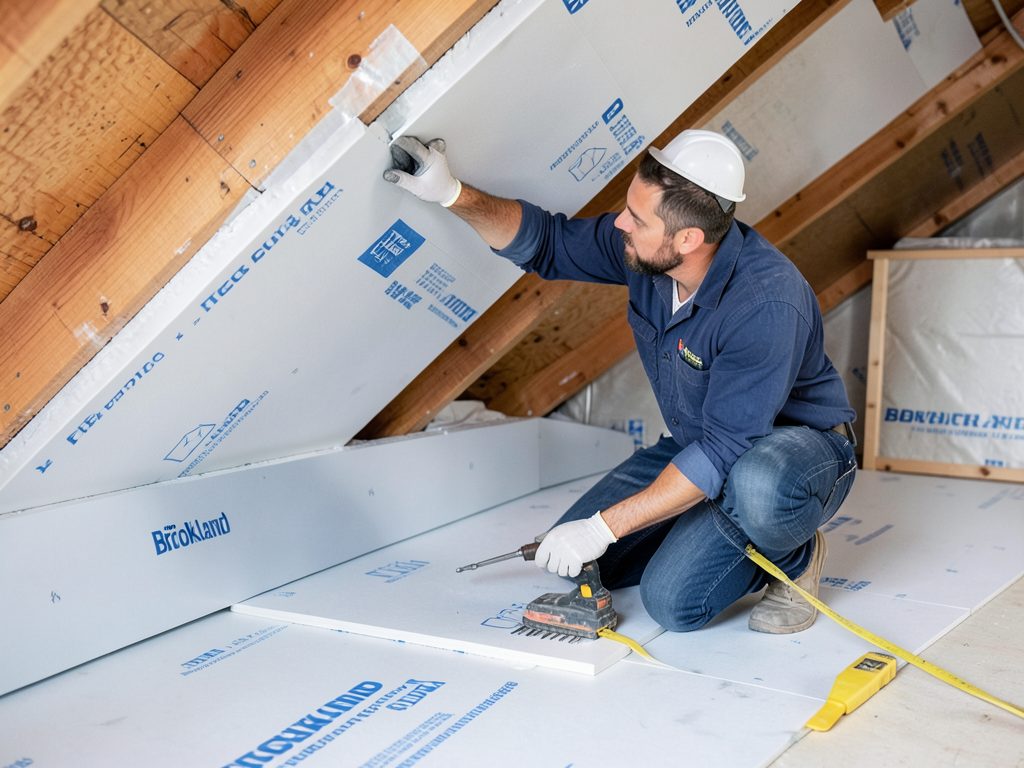
Comparing Polyiso and Rockwool Insulation for Better Energy Savings in Brookland Homeowners in Brookland face unique energy challenges from the neighborhood’s mix of historic brick row houses and mid-century homes built before modern insulation standards.…
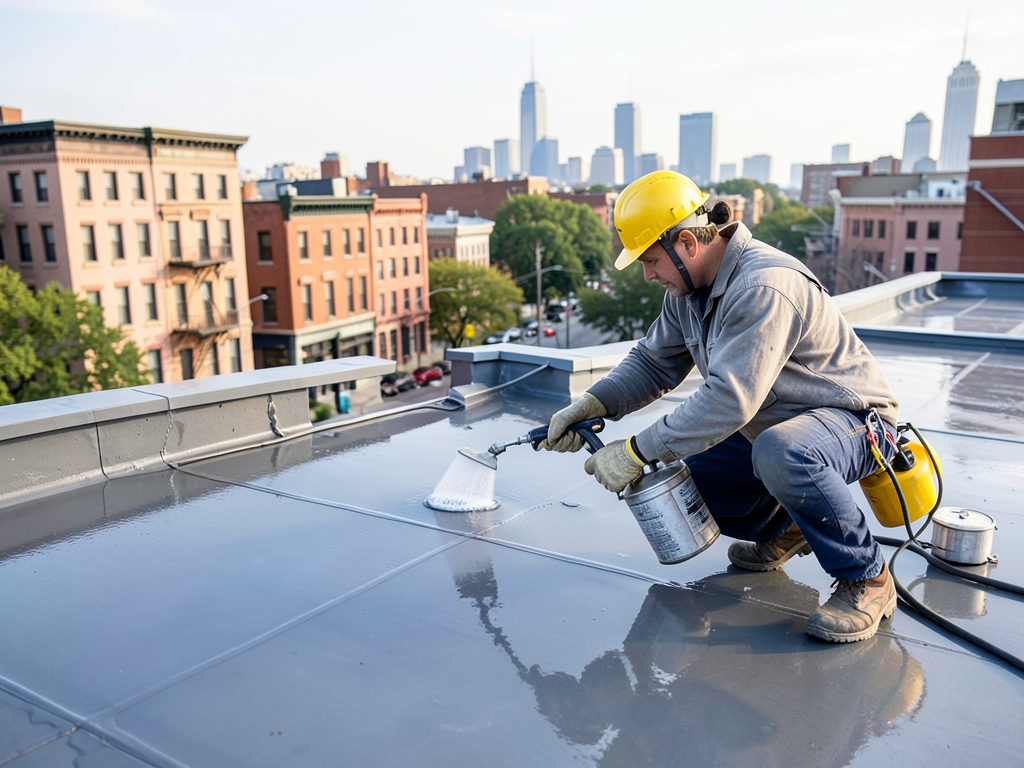
Keeping Your 14th Street Retail Space Dry with High Performance Flat Roof Coatings Your 14th…
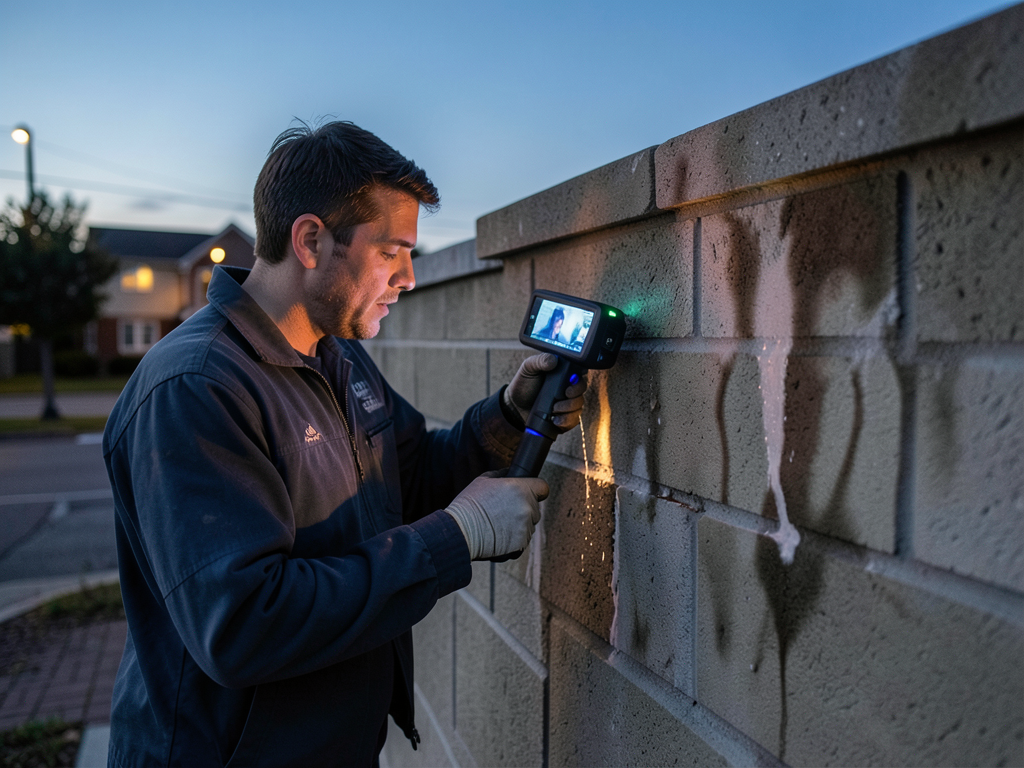
How to Repair Leaky Party Walls and Parapets Between Rowhouses in Columbia Heights A leaking…
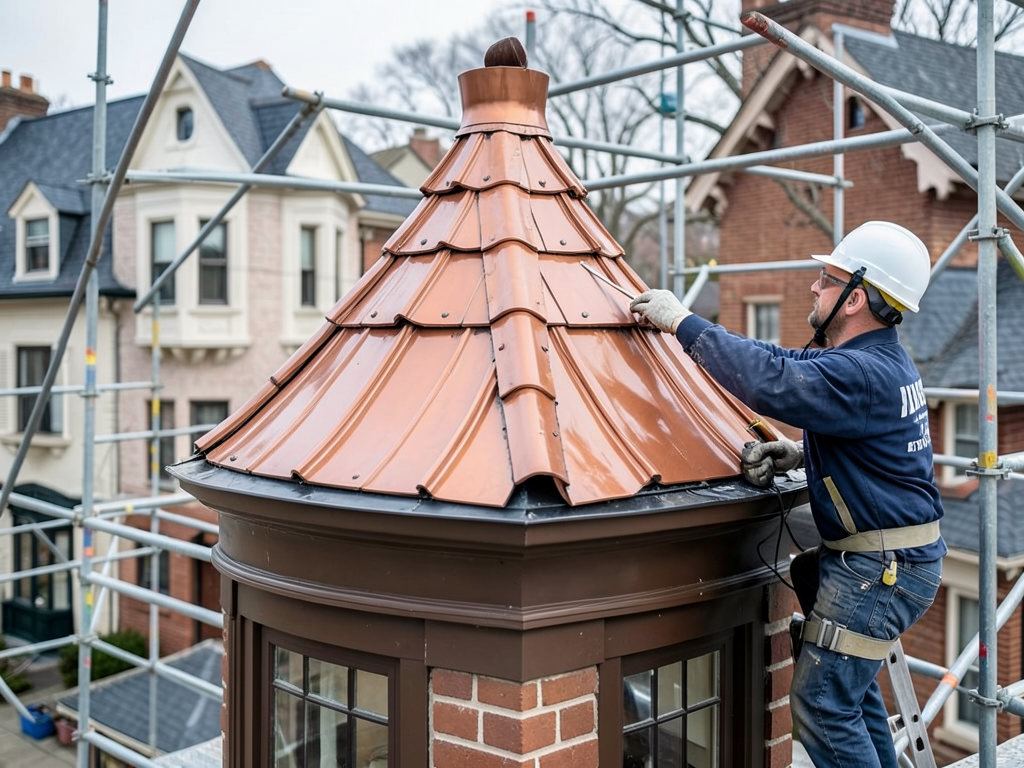
Re-Roofing the Complex Turrets and Steep Gables on Victorian Homes in Logan Circle Victorian homes…
Don't wait until small roof problems become expensive interior damage. Call Ace Roofing Washington DC at (771) 240-3300 for a thorough roof inspection and honest assessment. We respond to emergencies throughout Gaithersburg seven days a week and schedule planned replacements around your timeline.