


College Park sits in a climate zone that punishes roofs year-round. Winter freeze-thaw cycles crack shingles and lift flashing. Spring thunderstorms with straight-line winds tear off loose materials. Summer heat bakes asphalt shingles until they curl and split. Fall humidity feeds moss and algae growth that degrades roof surfaces.
The older neighborhoods near the University of Maryland feature homes built in the 1940s and 1950s with original roofing systems now decades past their lifespan. Lakeland and Hollywood sections show typical signs of aging infrastructure. The clay-heavy soil common throughout Prince George's County causes foundation settling that stresses roof structures and creates water pooling issues.
Local building codes require specific wind ratings for shingles and strict ventilation standards to combat humidity damage. Many College Park homeowners discover problems only after water stains appear on ceilings, meaning damage has already spread to decking and insulation. The proximity to Route 1 and the Beltway means road debris becomes projectiles during storms, puncturing roof surfaces and tearing gutters loose.
Regular inspection catches these issues before they force emergency repairs. College Park roofs need proactive maintenance, not reactive panic calls.
We built our reputation responding to College Park roofing emergencies at 2 AM and showing up to finish projects other contractors abandoned. Our crews know the difference between a 1950s Colonial near Lake Artemesia and a modern townhome in Old Town because we have worked on both. We stock materials that match College Park's architectural styles and meet current wind load requirements for this zone.
When storms rip through Prince George's County, our phones ring constantly. We triage based on danger level, not profit margin. A family with water pouring through their ceiling gets priority over a cosmetic repair. We coordinate directly with insurance adjusters because we know what documentation they need and which damage qualifies for coverage.
Our installation teams complete tear-offs and replacements without leaving your property looking like a disaster zone. We protect landscaping, clean up daily, and use magnetic rollers to collect every nail. You get a roof that passes inspection the first time because we follow code requirements exactly.
We do not disappear after collecting final payment. Our work comes with written warranties that we actually honor. When callbacks happen, we respond the same day to assess and fix the issue. College Park homeowners refer us to neighbors because they know we will treat their friends the same way we treated them.
This is not about slogans or marketing promises. This is about showing up, doing the work right, and standing behind it when problems arise. That approach has kept us busy in College Park for years.

When your roof fails at midnight during a storm, you need help now. Our emergency crews carry tarps, sealants, and temporary patching materials to stop water intrusion immediately. We answer calls 24 hours a day and dispatch within two hours for active leaks. Fast response prevents thousands in water damage to ceilings, insulation, and belongings.

We document storm damage with the detail adjusters require. Our reports include photos, measurements, and materials lists that match insurance industry standards. We attend adjuster inspections to advocate for proper scope and prevent lowball settlements. Many College Park homeowners recover thousands more in claims because we know how to present damage correctly.
Prince George's County requires permits for roof replacements and enforces strict ventilation and wind rating standards. Our installations meet or exceed these requirements. We pull permits, schedule inspections, and correct any issues before final approval. You get a roof that passes inspection without delays or callbacks that waste your time.
We know College Park neighborhoods, building styles, and common failure points because we work here constantly. Our material suppliers stock products that match local architecture. We understand how clay soil settlement affects roof structures and how tree coverage from the urban canopy impacts moss growth. Local knowledge prevents mistakes that outsiders make.
Roofing problems range from missing shingles after wind storms to complete system failures requiring full replacement. Ace Roofing Washington DC handles every scenario College Park homeowners face. Our service range covers emergency leak repairs that stop active water intrusion, planned roof replacements that upgrade aging systems, and storm damage restoration that works with insurance companies.
We separate our services into three categories based on urgency and scope. Emergency repairs address immediate threats to your home. Replacement projects tackle failing roof systems before minor issues become major disasters. Restoration services handle damage from severe weather events that require insurance coordination.
Each service category requires different materials, timelines, and expertise. Emergency repairs use temporary solutions that buy time for proper fixes. Roof replacements demand careful planning, permit compliance, and material selection. Storm restoration needs documentation skills and insurance knowledge alongside roofing expertise.
College Park homes need all three service types at different points. A small leak today becomes a replacement project tomorrow if ignored. Storm damage caught early saves thousands compared to delayed repairs. We provide the right service for your specific situation, not the most profitable option for us.
When water pours through your ceiling or wind tears shingles off your roof, you need help immediately. Our emergency crews respond within hours to tarp damaged areas, seal active leaks, and prevent further water intrusion. We carry materials to handle common College Park emergencies like missing shingles, punctured flashing, and broken skylights. Emergency repairs stop damage progression while we plan permanent solutions. Available 24 hours daily because roof failures do not wait for business hours.
Old roofs eventually reach the point where repairs no longer make financial sense. We provide complete tear-off and replacement services that upgrade your entire roofing system. This includes new shingles, underlayment, flashing, ventilation, and drip edge installed to current code standards. We match architectural styles common in College Park neighborhoods and select materials rated for local wind loads and weather conditions. Projects typically complete in two to four days depending on size and complexity.
Severe storms that sweep through Prince George's County cause hail dents, wind tears, and debris impacts that require insurance claims. We document damage with photos and reports that meet adjuster requirements. Our team attends inspections to ensure proper damage assessment and scope development. We work directly with your insurance company to streamline approval and payment. This service combines roofing expertise with insurance knowledge to maximize your claim recovery and restore your roof correctly.
College Park's location in the Mid-Atlantic creates specific roofing challenges. Winter temperatures swing above and below freezing, causing ice dams that force water under shingles. Spring storms bring straight-line winds that exceed 60 mph, lifting and tearing roofing materials. Summer heat and humidity feed algae growth that appears as black streaks and actually degrades shingle surfaces. Fall brings heavy leaf accumulation that clogs gutters and traps moisture against roof edges.
The housing stock in established neighborhoods like Lakeland, Hollywood, and areas near the University of Maryland includes many homes built 50 to 70 years ago. Original roofs have long exceeded their 20 to 25 year lifespans. Homeowners often discover problems only after interior damage appears, meaning water has already compromised decking and insulation.
Clay soil common throughout Prince George's County causes foundation settlement that stresses roof structures. This creates low spots where water pools instead of draining. Trees that provide welcome shade also drop branches during storms and create constant debris that wears down shingles. Understanding these local factors helps homeowners recognize problems early and prevent expensive emergency repairs.
Thunderstorms with straight-line winds regularly exceed 50 mph in College Park. These winds lift shingle tabs, tear off ridge caps, and rip flashing loose from roof edges and valleys. Once wind creates an opening, water intrusion begins immediately. Missing or lifted shingles compromise the entire weather barrier. Quick repairs after storms prevent minor wind damage from becoming major leak problems.
College Park winters bring freeze-thaw cycles that create ice dams along roof edges. Heat loss through inadequate attic insulation melts snow on the roof. Water runs down and refreezes at the cold eaves, forming ice barriers. Subsequent melt water backs up under shingles and leaks into walls and ceilings. Proper attic ventilation and insulation prevent ice dam formation.
Mid-Atlantic humidity creates perfect conditions for moss and algae growth on roofs. Black streaks visible from the street indicate algae that feeds on limestone filler in shingles. Moss grows in shaded areas and lifts shingle edges, allowing water penetration. Both organisms accelerate shingle deterioration. Regular cleaning and zinc strips prevent biological growth from shortening roof lifespan.
Chimneys, skylights, and vent pipes require metal flashing to seal roof penetrations. College Park's temperature swings cause expansion and contraction that loosens flashing over time. Sealants dry out and crack. Once flashing fails, water enters the home around these penetrations. Most ceiling leaks near chimneys and skylights trace back to deteriorated flashing rather than damaged shingles.
Roofing projects stress homeowners because your home sits exposed and vulnerable during work. We minimize that stress through clear communication, realistic timelines, and clean job sites. You know what happens each day before crews arrive. We protect your property like it belongs to our own family.
Our project managers explain every step before work begins. You understand what happens during tear-off, what materials we use, and how long each phase takes. We answer questions in plain language, not industry jargon designed to confuse. When weather delays work or we discover hidden damage, you hear about it immediately with photos and explanation.
Crews arrive when promised and work full days until completion. We do not start your job, then disappear for a week to work another project. Materials delivery coordinates with work schedules so supplies arrive when needed, not days early to clutter your driveway. Clean-up happens daily, not just at project end. Magnetic rollers collect nails that would otherwise puncture tires or injure pets.
The final walkthrough covers every detail. We inspect our own work before asking you to approve it. Any concerns get addressed before final payment. You receive warranty documentation, permit records, and maintenance recommendations. This thoroughness prevents surprises and ensures you feel confident in your investment.
You receive daily updates about progress, timeline, and any issues discovered. Our project managers text or call before crews arrive so you know when to expect activity. If we find damaged decking or ventilation problems during tear-off, we document with photos and discuss options immediately. You make informed decisions based on complete information, not pressure tactics. Questions get answered the same day, not three days later after you have stressed about the situation.
We treat your home and landscaping with care. Tarps protect plants and siding from falling debris. Crews park on streets, not across your driveway entrance. We work around your schedule for access needs and noise concerns. If you work nights and sleep during the day, we coordinate timing accordingly. Daily cleanup removes debris and materials so your property looks presentable each evening. Job site safety extends to your family and pets.
We inspect our completed work before asking you to approve the project. This includes checking flashing seals, shingle alignment, ventilation function, and gutter attachment. Our quality control catches mistakes before you discover them. The final walkthrough explains what we completed, shows you key features, and covers maintenance recommendations. You receive written warranty information and permit documentation. We do not ask for final payment until you feel completely satisfied with the results.
Roofing projects succeed through careful planning and disciplined execution. We break every job into three clear phases that keep you informed and your project moving forward.
Your project begins with a thorough roof inspection. We check shingle condition, flashing integrity, ventilation adequacy, and structural soundness. This assessment identifies visible problems and potential issues hidden beneath surface materials. You receive a detailed report with photos and a written estimate that breaks down materials, labor, and timeline. We discuss options for materials and address any questions about the scope. Once you approve, we schedule work and pull required permits.
Crews arrive on schedule with all materials and equipment. Tear-off exposes roof decking so we can identify and repair any damaged sheathing. New underlayment, flashing, and shingles get installed following manufacturer specifications and code requirements. We maintain clean work areas and protect your property throughout installation. Daily cleanup removes debris and hazards. Weather delays get communicated immediately with revised completion estimates. Work continues until your roof passes our quality inspection.
The completed roof undergoes thorough inspection before we request your approval. We verify proper flashing seals, check shingle alignment and attachment, and confirm adequate ventilation. The final walkthrough covers what we completed and explains maintenance recommendations. You receive warranty documentation covering materials and workmanship. Permit records transfer to you for your files. We collect final payment only after you approve the completed work. Our warranty remains active, and we respond to any callback needs promptly.
Prince George's County enforces the International Residential Code with local amendments that affect roofing work. These regulations exist because proper installation prevents failures that endanger occupants and neighboring properties. Understanding these requirements separates professional contractors from those who cut corners.
Wind load requirements for College Park fall under Zone 4, requiring shingles rated for 110 mph winds. Installation must follow manufacturer specifications for nailing patterns and starter courses. Many insurance companies now require proof of wind-rated materials and proper installation before issuing coverage. Cutting corners on these requirements voids warranties and creates liability.
Ventilation standards require one square foot of net free ventilation area for every 150 square feet of attic space. This typically combines soffit vents for intake with ridge vents or roof vents for exhaust. Proper ventilation prevents moisture accumulation that rots decking and destroys insulation. It also reduces summer cooling costs by exhausting superheated attic air. Many older College Park homes lack adequate ventilation and benefit greatly from upgrades during replacement projects.
Underlayment requirements vary based on roof pitch. Low-slope roofs require ice and water shield across the entire surface. Standard pitch roofs need ice and water shield along eaves and valleys, with synthetic underlayment covering remaining areas. This layered approach creates multiple barriers against water intrusion. Using cheap felt paper instead of proper underlayment saves contractors money while guaranteeing future problems for homeowners.
Permit requirements apply to all tear-off replacements and most major repairs. Permits ensure work meets code and allow inspection before concealment. Skipping permits saves time and money initially but creates serious problems during home sales or insurance claims. We pull permits for all work requiring them and schedule inspections appropriately.
College Park requires shingles rated for 110 mph winds based on Zone 4 classification. This rating combines material strength with proper installation using specific nailing patterns and spacing. Products carry this rating on packaging. Insurance companies verify wind rating compliance before issuing policies. Using lower-rated materials voids warranties and creates coverage issues after storm damage. We stock only properly rated materials for local conditions.
Roof replacement costs depend on size, pitch, complexity, and materials selected. Steeper roofs require more safety equipment and labor time. Multiple valleys, dormers, and skylights increase flashing work. Material quality ranges from basic three-tab shingles to premium architectural products with extended warranties. Hidden damage to decking or structural issues add unplanned costs. Realistic budgets account for these variables rather than chasing lowball estimates that omit necessary work.
Most College Park roof replacements complete in two to four days depending on size and complexity. This assumes good weather and no significant hidden damage. Permit approval adds three to five business days before work begins. Material delivery requires one to two weeks for special orders. Weather delays happen and cannot be prevented. Rushing installation to meet artificial deadlines compromises quality. Proper planning accounts for realistic timelines and potential delays.
Material warranties range from 25 years to lifetime depending on product selected. These cover manufacturing defects, not installation errors or storm damage. Workmanship warranties from contractors cover installation quality for specified periods. Homeowners insurance covers storm damage, not wear and maintenance issues. Understanding what each warranty covers prevents disputes. We provide written warranty documentation that clearly states what coverage includes and excludes.
Ace Roofing Washington DC serves all College Park neighborhoods, from the historic homes in Old Town near Route 1 to newer developments throughout the greater metro area. We know the architectural differences between properties in Lakeland with their mid-century ranches and the Colonial-style homes common in Hollywood. Each area presents distinct roofing challenges based on building age, tree coverage, and exposure to weather patterns.
The neighborhoods surrounding the University of Maryland feature a mix of student housing and family homes with varying maintenance levels. Properties near Branchville and Berwyn Heights often show damage from the same storm systems, allowing us to coordinate multiple projects efficiently. Homes closer to Lake Artemesia face additional humidity from water proximity that accelerates moss growth and requires more frequent maintenance.
Our service area extends throughout Prince George's County, including nearby communities along the Route 1 corridor and Beltway access points. We understand how proximity to major roadways affects roofing, with debris from traffic causing punctures and tears that require quick repairs. Properties in areas with heavy tree canopy deal with different issues than homes in more open sections.
The clay soil common throughout this region causes foundation settlement that many contractors miss when assessing roof problems. We look for telltale signs like stress cracks in siding or gaps in trim that indicate structural movement affecting roof geometry. This comprehensive approach catches problems other contractors overlook.
College Park's location means exposure to the full range of Mid-Atlantic weather. Summer thunderstorms race up from the south with little warning. Winter storms from the northeast bring heavy snow loads. We stock materials and maintain crews ready to handle whatever weather brings. Local presence means fast emergency response when your neighbors experience the same storm damage you face.
Whether you live in established neighborhoods near the city center or newer areas toward the county line, we provide the same quality service and attention to detail. Your roof protects your largest investment. We treat that responsibility seriously regardless of property location or project size.
We are proud to serve the entire Washington DC metropolitan area, including all surrounding neighborhoods and communities. Our central location allows us to dispatch our expert teams quickly for emergency repairs or scheduled consultations. Whether you're in Dupont Circle, Georgetown, Capitol Hill, or beyond, we bring premier, trustworthy roofing services directly to your doorstep. View our service area map below to confirm we cover your specific location and then call us to get started on your project.
Address:
College Park, DC, 20782
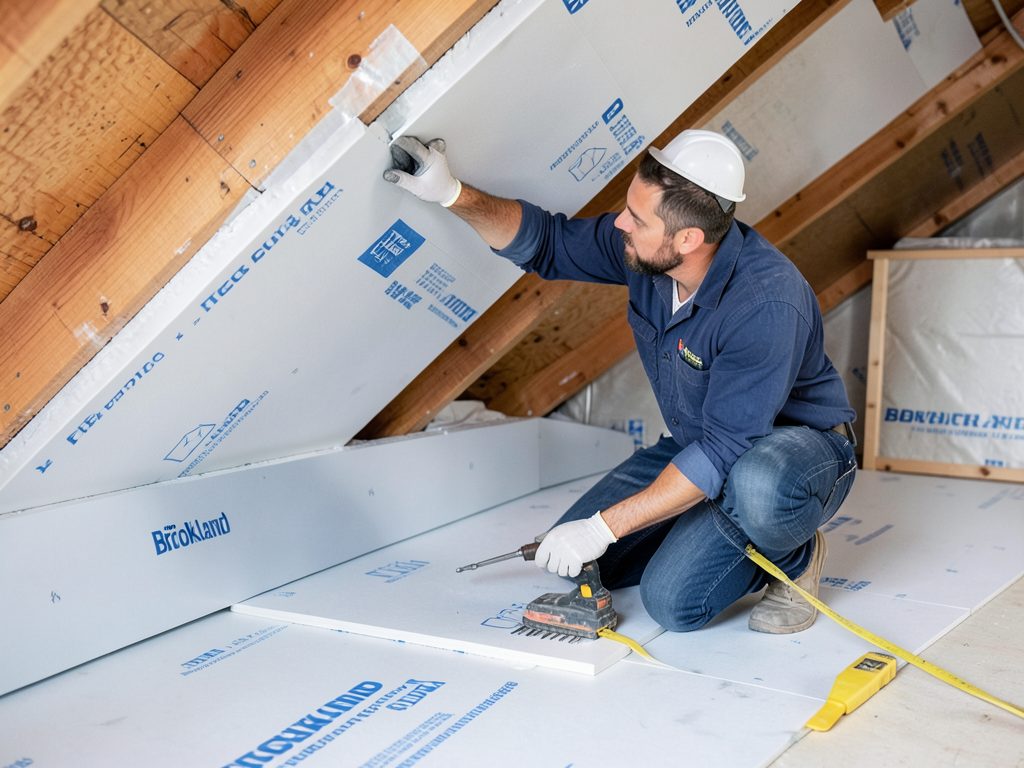
Comparing Polyiso and Rockwool Insulation for Better Energy Savings in Brookland Homeowners in Brookland face unique energy challenges from the neighborhood’s mix of historic brick row houses and mid-century homes built before modern insulation standards.…
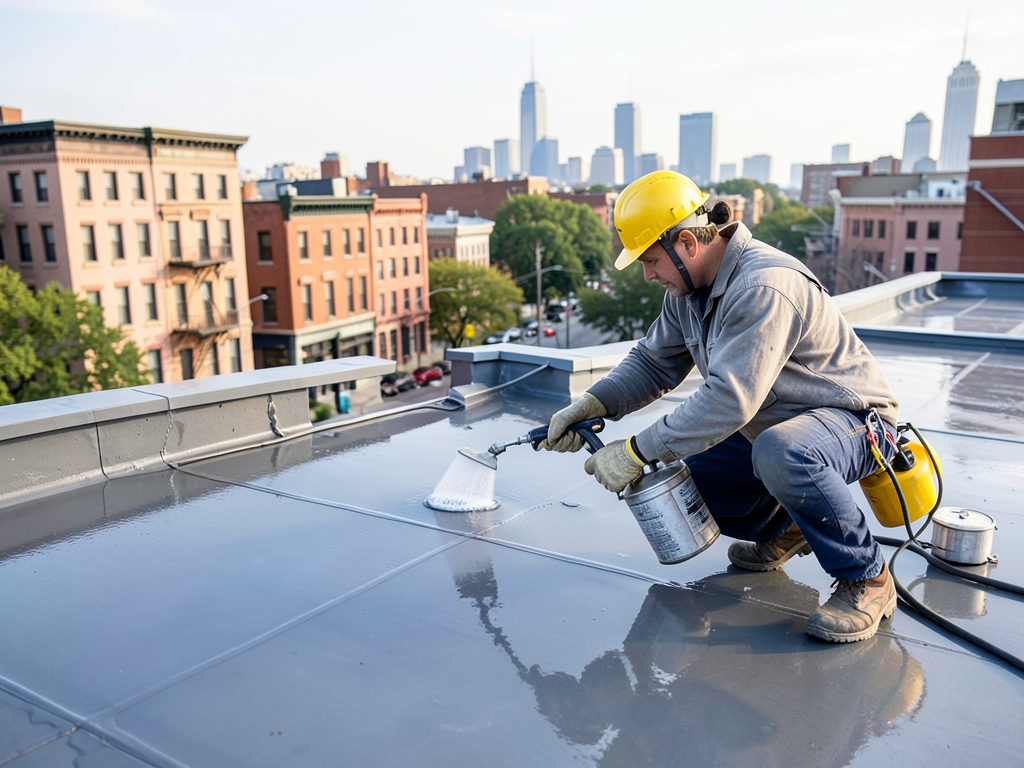
Keeping Your 14th Street Retail Space Dry with High Performance Flat Roof Coatings Your 14th…
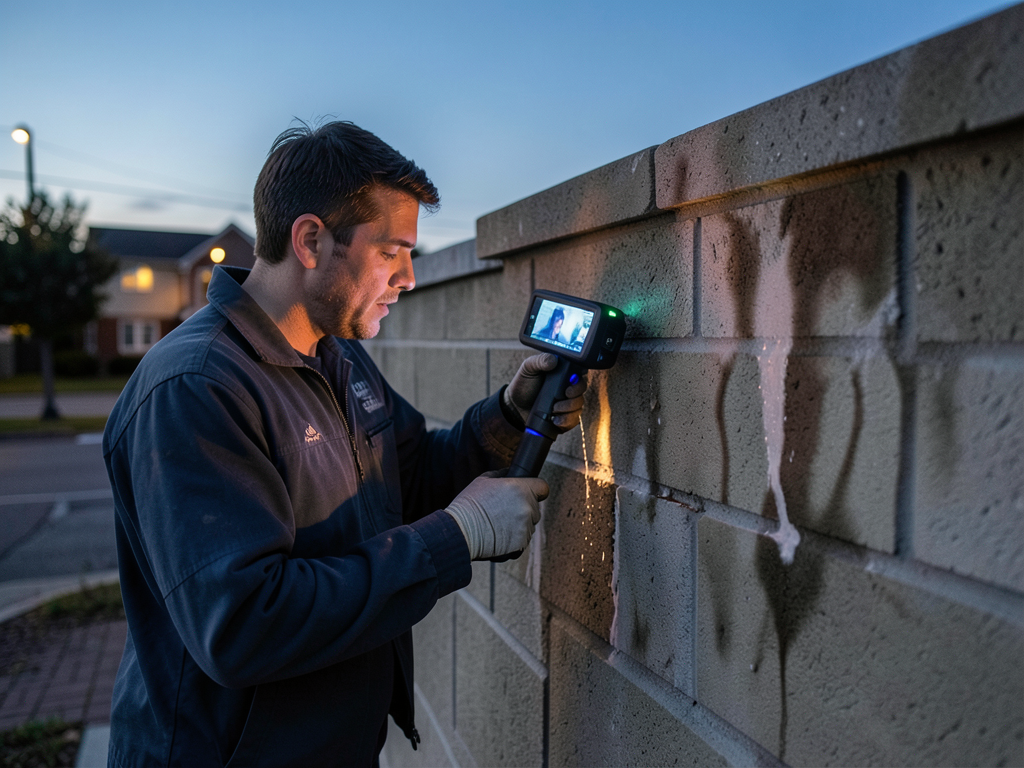
How to Repair Leaky Party Walls and Parapets Between Rowhouses in Columbia Heights A leaking…
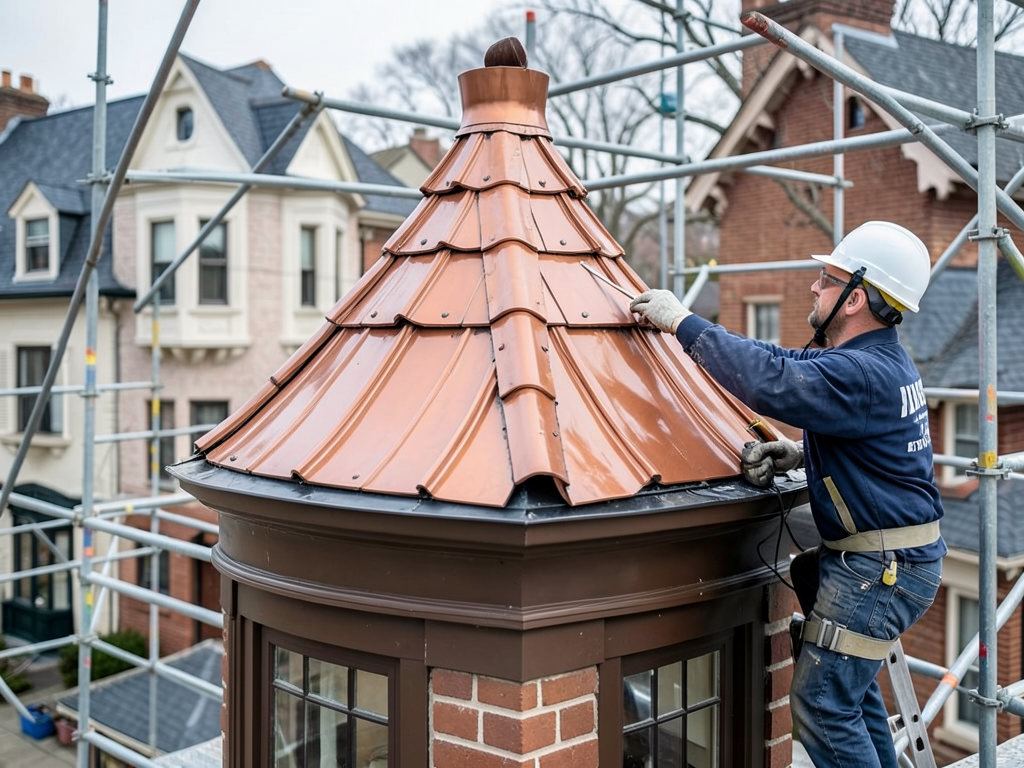
Re-Roofing the Complex Turrets and Steep Gables on Victorian Homes in Logan Circle Victorian homes…
Do not wait for a small problem to become an emergency. Call Ace Roofing Washington DC at (771) 240-3300 for a thorough roof inspection. We identify issues early and provide honest recommendations. Fast response, quality work, and fair pricing for every College Park project.