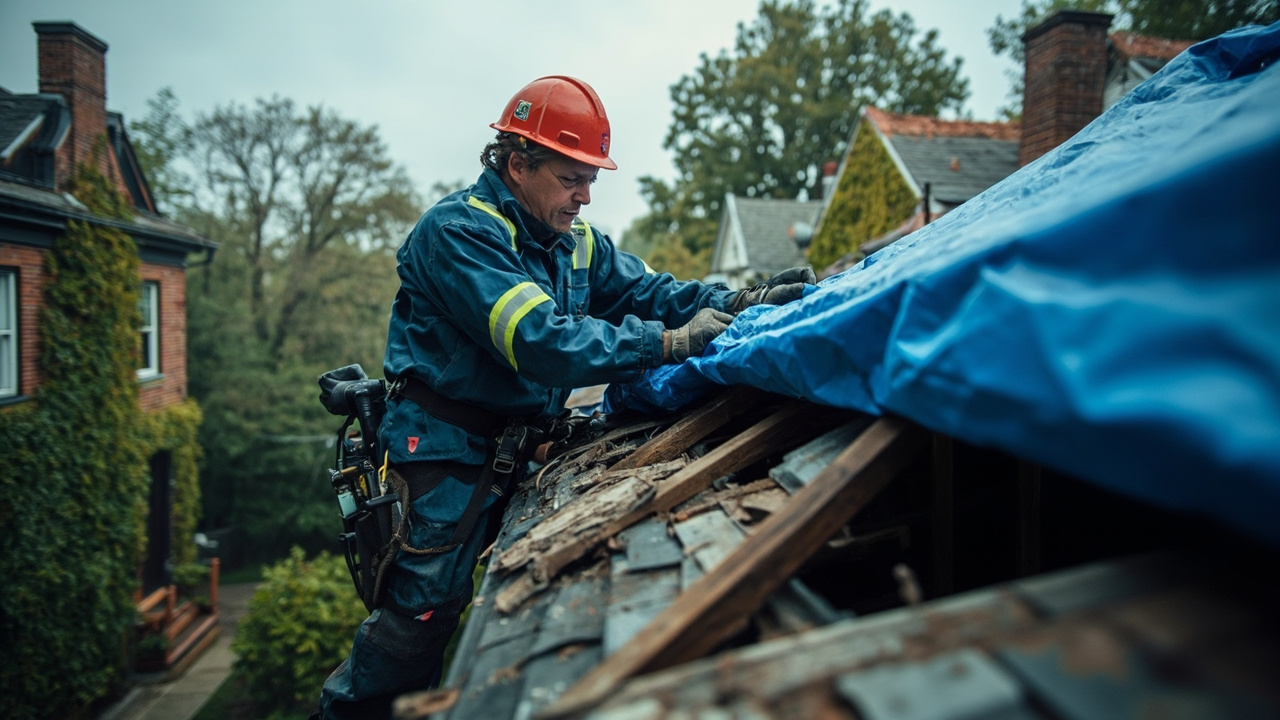


Washington, D.C. sits at the convergence of several weather systems that create violent summer thunderstorms with minimal warning. The city averages 39 inches of rain annually, with the heaviest precipitation falling between May and September when afternoon heating triggers severe storms. These systems can produce straight-line winds exceeding 60 mph, large hail, and intense rainfall rates that overwhelm roof drainage systems. The humid subtropical climate means moisture does not evaporate quickly after storms pass. Water that enters through damaged roofing saturates insulation and drywall rapidly. Mold growth begins within 48 hours in Washington's humidity. Emergency roof tarp installation is not optional when severe weather damages your roof. It is the difference between a manageable insurance claim and total property devastation.
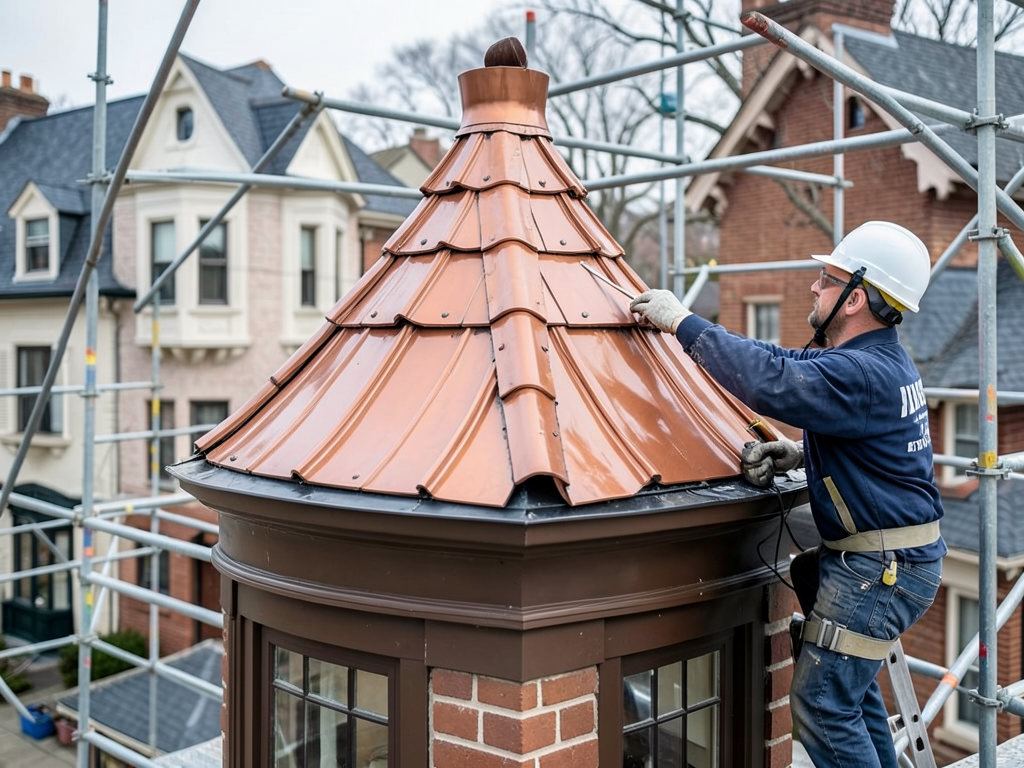
Washington's building stock includes structures dating back to the 1700s alongside modern construction. This diversity means emergency tarping service requires specialized knowledge of different roof types and historical preservation requirements. Many properties in Georgetown, Capitol Hill, and other historic districts fall under preservation guidelines that restrict repair methods. Our team understands which temporary roof covering approaches meet these requirements and which create compliance problems. We work regularly with the DC Historic Preservation Office and understand documentation requirements for emergency repairs. When you choose local expertise for storm damage roof tarping, you get crews who navigate these regulations daily rather than learning on your property.