menu

Blistering Shingles in Washington, D.C. – Expert Diagnosis and Proper Repair Before Minor Bubbles Become Major Leaks

Ace Roofing Washington DC identifies the root cause of asphalt shingle blisters and roof bubbles, then repairs them correctly to prevent moisture intrusion and extend your roof's lifespan across Georgetown, Capitol Hill, and Dupont Circle.

Slider Image 1
Slider Image 2
Slider Image 3
Slider Image 4
Slider Image 5
Slider Image 7
Slider Image 8
Slider Image 9
Slider Image 10
Slider Image 11

Why Shingle Blisters Form on Washington, D.C. Roofs

You walk outside and notice strange bubbles or raised bumps on your roof shingles. They look harmless, but those asphalt shingle blisters signal trapped moisture or volatile compounds expanding beneath the surface. Left unchecked, they rupture and expose the underlayment to rain, leading to rot and interior water damage.

Washington, D.C.'s climate accelerates blister formation. Summer temperatures on dark roofs regularly hit 160 degrees Fahrenheit, expanding moisture trapped during installation or from inadequate attic ventilation. The district's frequent humidity swings make it worse. Morning dew condenses on cool shingles, then afternoon sun bakes that moisture into the mat. Repeat this cycle for months, and you get shingle bubbles.

Poor ventilation compounds the issue. Many historic rowhouses in Shaw and Adams Morgan have limited attic airflow due to original construction methods. Heat builds up, cooking the shingles from below while the sun attacks from above. The asphalt becomes brittle, and blisters form where moisture or manufacturing gases cannot escape.

Roof blisters appear in two forms. Surface blisters affect only the top granule layer and cause cosmetic damage. Mat blisters penetrate deeper into the fiberglass or organic mat, creating weak points that crack under foot traffic or hail. Both types shorten your roof's lifespan, but mat blisters demand immediate attention because they compromise structural integrity.

Ignoring bubbling roof shingles invites leaks. Once a blister ruptures, water infiltrates the decking. In Capitol Hill's older homes with plank sheathing, one leak can spread across multiple bays before you notice interior staining. By then, you face mold remediation and structural repairs that cost ten times more than fixing the blisters early.

Why Shingle Blisters Form on Washington, D.C. Roofs
How We Diagnose and Repair Roof Blisters Correctly

How We Diagnose and Repair Roof Blisters Correctly

Fixing heat blisters on shingles requires more than patching visible bubbles. We determine why they formed, then address the root cause to prevent recurrence.

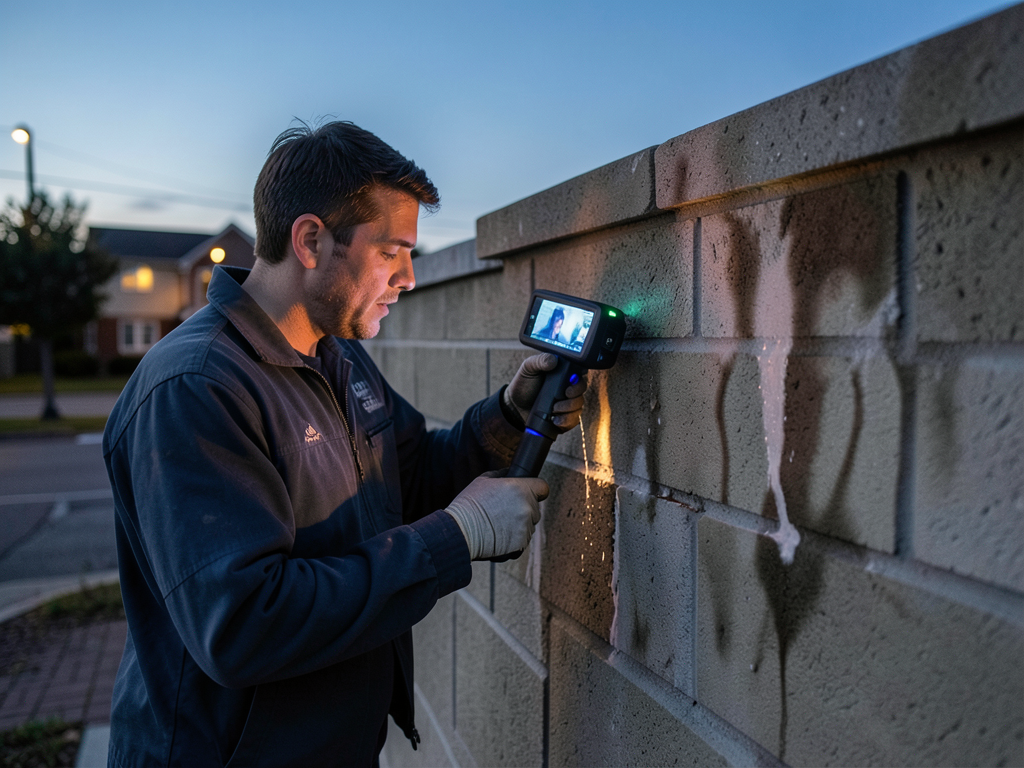
Our process starts with a thermal scan of your roof deck and attic space. Infrared imaging reveals temperature differentials that indicate trapped moisture or ventilation failures. We check soffit vents, ridge vents, and gable vents to calculate your attic's net free ventilation area. Most building codes require one square foot of ventilation per 150 square feet of attic space, but many D.C. roofs fall short due to blocked soffits or inadequate ridge cuts.

Next, we inspect the shingles themselves. We peel back a sample blister to see if moisture sits between the mat and coating or if the granules separated due to manufacturing defects. If the underlayment is wet, we trace the source. Is it condensation from poor ventilation, a plumbing vent leak, or wind-driven rain penetrating worn flashing? Each cause demands a different repair strategy.

For localized blistering, we remove affected shingles and replace them with matching architectural shingles. We do not simply seal over bubbles, which traps moisture and accelerates rot. If poor ventilation caused widespread blistering, we add ridge vents or power attic fans to normalize airflow and reduce deck temperatures by 20 to 30 degrees.

When blisters result from defective shingles, we document the issue and help you file warranty claims with manufacturers. Some laminated shingles had known delamination problems in certain production years. We photograph the damage, collect batch numbers, and provide detailed reports that support your claim.

After repairs, we apply roof coatings only where appropriate. Elastomeric coatings can extend shingle life on low-slope sections, but they trap heat on steep pitches and worsen blister formation. We recommend coatings selectively, based on pitch, exposure, and ventilation capacity.

What Happens During a Blister Inspection and Repair

Blistering Shingles in Washington, D.C. – Expert Diagnosis and Proper Repair Before Minor Bubbles Become Major Leaks
01

Roof and Attic Assessment

We schedule a site visit within 48 hours. Our crew walks your roof to map blister locations and uses moisture meters to check decking integrity. We photograph each affected area and measure attic temperatures at multiple points. You receive a detailed report showing exactly where blisters formed, what caused them, and which repairs are critical versus cosmetic.
02

Targeted Shingle Replacement

We remove damaged shingles and inspect the underlayment for staining or softness. If the felt is intact, we install new shingles and seal all nail penetrations with roofing cement. If moisture compromised the decking, we replace those plywood sections before re-shingling. We match your existing shingle color and texture so repairs blend seamlessly with surrounding areas.
03

Ventilation Correction and Prevention

If inadequate airflow caused the blisters, we install additional intake or exhaust vents to balance your attic's ventilation system. We clear soffit blockages, cut ridge vents into sealed peaks, or add gable fans where needed. Proper ventilation drops attic temperatures and prevents future blister formation. We document all improvements and provide maintenance guidelines to keep your system functioning year-round.

Why Local Expertise Matters for Blister Repairs in Washington, D.C.

Roof blister repair demands familiarity with D.C.'s unique building stock and climate patterns. Many contractors misdiagnose blisters as hail damage or apply generic fixes that fail within months. Ace Roofing Washington DC has repaired hundreds of blister cases across the district, from Victorian rowhouses in Mount Pleasant to mid-century ranches in Chevy Chase.

We understand the ventilation challenges in pre-war construction. Homes built before 1940 often lack soffit vents entirely, relying instead on gable vents that create uneven airflow. When clients add insulation to meet modern energy codes, they sometimes block the few ventilation paths these homes had. We retrofit ventilation systems without compromising historic aesthetics, using low-profile ridge vents and discreet soffit installations that preserve curb appeal.

Our crews know which shingle brands perform well in D.C.'s humid subtropical climate and which have higher blister rates. We stock shingles with algae-resistant granules, important for north-facing slopes that stay damp and grow moss. We also understand local permit requirements. Any roof work exceeding 100 square feet requires a permit from the D.C. Department of Consumer and Regulatory Affairs. We handle all paperwork and schedule inspections so you stay compliant.

Commercial clients trust us because we minimize downtime. Office buildings in downtown D.C. cannot afford extended closures for roof repairs. We stage materials efficiently, work in sections to maintain building operations, and coordinate with property managers to schedule noisy work during off-peak hours. Our crews arrive on time and complete repairs within promised timelines.

We also navigate insurance claims effectively. If storm damage contributed to your blistering, we document pre-existing conditions versus new damage to prevent claim denials. We provide line-item estimates that match insurance adjusters' expectations, reducing back-and-forth disputes and speeding up your claim approval.

What to Expect When You Call Us About Blistering Shingles

Fast Scheduling and Response

We book inspections within two business days and offer same-week appointments for urgent cases where blisters have already ruptured and caused leaks. Our crews arrive in marked vehicles with all diagnostic tools, including thermal cameras and moisture meters. Inspections take 60 to 90 minutes, depending on roof size and attic accessibility. You receive a written estimate within 24 hours outlining all recommended repairs, material costs, and labor breakdowns. No surprises, no pressure tactics.

Thorough Diagnostic Process

Our inspection covers more than visible blisters. We check attic ventilation ratios, examine flashing around chimneys and skylights, and test decking for soft spots that indicate hidden leaks. We take photos throughout the process and walk you through our findings in plain language. You learn whether your blisters stem from poor installation, inadequate ventilation, or defective materials. We explain which repairs prevent future problems versus which simply address cosmetic issues.

Durable, Warrantied Repairs

We use manufacturer-approved materials and installation methods that preserve your existing roof warranty. All shingle replacements include new underlayment in the repair area and proper sealant application to prevent blow-offs. If we install new ventilation components, they come with separate warranties covering both materials and labor. Our workmanship warranty covers installation defects, giving you recourse if problems arise. We return for free inspections after major storms to verify repairs held up.

Ongoing Maintenance Support

After repairs, we offer annual maintenance plans that include gutter cleaning, flashing inspections, and ventilation checks. Regular maintenance catches small issues before they become expensive problems. We clear debris from valleys where water pools, trim overhanging branches that scrape shingles, and reseal any lifted edges. Plan members receive priority scheduling and discounted rates on future repairs. You also get reminder calls when it is time for your yearly inspection, so nothing falls through the cracks.

Frequently Asked Questions

You Have Questions,
We Have Answers

What does shingle blistering look like? +

Shingle blistering appears as raised bubbles or bumps on the surface of asphalt shingles. These blisters look like small domes, often the size of a quarter or smaller, and can feel soft when pressed. The color may match the shingle or appear lighter where the granules have worn away. In Washington, D.C., where intense summer heat and humidity stress roofing materials, blistering becomes more visible as the bubbles expand. You may notice clusters of blisters or isolated spots across your roof. Broken blisters expose raw asphalt underneath, accelerating deterioration and creating entry points for moisture during the region's frequent storms.

What does it mean when shingles blister? +

Shingle blistering means trapped moisture or air pockets have formed between the shingle layers. This happens when moisture gets into the asphalt during manufacturing or installation, then vaporizes under intense heat. The expanding gas creates pressure that pushes up the shingle surface. In Washington, D.C., the combination of high humidity and strong summer sun accelerates this process. Blistering indicates your shingles are breaking down from the inside. While early blisters may not leak immediately, they weaken your roof's protective barrier. The compromised shingles become vulnerable to cracking, especially during the freeze-thaw cycles common to the D.C. metro area each winter.

What stage of shingles are blisters? +

This question confuses roofing shingles with the medical condition shingles. For roofing, blistering is a form of shingle deterioration, not a stage. Asphalt shingles blister when trapped moisture vaporizes under heat, creating bubbles. This occurs at any point during a roof's lifespan, depending on manufacturing defects, poor ventilation, or installation errors. In Washington, D.C., inadequate attic ventilation combined with summer heat creates ideal conditions for blistering. If you are asking about the viral infection shingles, consult a medical professional. For roofing concerns in the greater Washington metro, address blistering quickly before the damaged shingles crack and allow water infiltration into your home.

How to treat shingle blisters? +

Treating blistered shingles requires replacing the damaged sections. You cannot repair a blistered shingle because the internal structure is compromised. A qualified roofer inspects the affected area to determine if poor ventilation or moisture intrusion caused the problem. In Washington, D.C., where older row houses often have ventilation issues, fixing the root cause prevents future blistering. The damaged shingles are removed and replaced with matching materials. If blistering is widespread across your roof, it signals the need for complete replacement. Do not attempt DIY repairs. Walking on blistered shingles can break them, and improper flashing work during replacement leads to leaks during D.C.'s heavy spring rains.

What do shingle blisters look like? +

Shingle blisters look like raised, rounded bumps on the roof surface, similar to bubbles under paint. They range from dime-sized to several inches across. Intact blisters appear as smooth domes that may still have granules attached. Broken blisters show a crater-like depression with exposed black asphalt at the center, where the protective granule layer has worn away. On Washington, D.C. roofs, you often see blistering concentrated on south-facing slopes that receive the most intense sun exposure. From the ground, blistered areas may look like irregular dark spots or texture changes. Close inspection reveals the characteristic bubble pattern that distinguishes blistering from normal granule loss or algae staining.

Will shingle blisters go away? +

No, shingle blisters do not go away. Once formed, they remain and typically worsen over time. The blister may break open, exposing the underlying asphalt to UV damage and moisture. In Washington, D.C., where seasonal temperature swings cause expansion and contraction, intact blisters often crack during winter freezes. Broken blisters accelerate shingle aging and create leak points. The moisture that caused the initial blister stays trapped in the shingle layers, continuing to damage the material. Ignoring blistered shingles leads to premature roof failure. If you notice blistering on your Capitol Hill or Georgetown home, schedule an inspection. Widespread blistering across multiple shingles indicates replacement is necessary.

What can be mistaken for shingles blisters? +

Several roofing issues resemble shingle blistering. Hail damage creates circular indents that look similar but typically show bruising or cracking patterns. Granule loss from age appears as dark spots but lacks the raised bubble texture. Manufacturing defects sometimes cause surface irregularities that mimic blisters. On Washington, D.C. roofs, moss or algae growth can create bumpy textures, especially on north-facing slopes near Rock Creek Park. Lifted shingles from wind damage may look raised from certain angles. Proper diagnosis requires close inspection. A professional roofer examines the shingle cross-section to confirm if trapped moisture caused true blistering or if another issue is affecting your roof's appearance and integrity.

How contagious are shingles blisters? +

This question confuses roofing shingles with the viral infection. Roofing shingle blistering is not contagious. It is a physical deterioration of asphalt roofing materials caused by trapped moisture and heat. Blistering cannot spread from one roof to another. If multiple homes in your Washington, D.C. neighborhood show blistering, it likely indicates a bad shingle batch, similar installation practices, or shared environmental factors like poor ventilation. For medical questions about shingles virus and blister contagion, consult a healthcare provider. For roofing concerns in the D.C. metro area, contact a licensed roofer to assess damage. Blistering will not infect adjacent properties but does require prompt attention to prevent water damage.

Should I wash shingles blisters? +

This question confuses roofing materials with the medical condition. You do not wash roof shingles to treat blistering. For roofing, blistered shingles need replacement, not cleaning. Walking on blistered areas to wash them can break the weakened shingles and worsen damage. In Washington, D.C., where summer humidity and algae growth are common, you may need roof cleaning for black streaks, but this does not address structural blistering. If asking about the viral infection shingles, follow your doctor's wound care instructions. For blistered roofing on your D.C. home, schedule an inspection. A professional assesses whether isolated shingle replacement or full roof replacement is necessary based on the extent of deterioration.

How long do shingles take to turn into blisters? +

This question relates to the medical condition, not roofing. For the viral infection, shingles typically develops a rash that turns into fluid-filled blisters within 2 to 3 days after the initial rash appears. Consult a healthcare provider for medical advice. For roofing, asphalt shingles can develop blisters at any point during their lifespan. Manufacturing defects may cause blistering within months of installation. Poor ventilation or moisture issues create blisters over several years as trapped moisture repeatedly vaporizes under heat. In Washington, D.C., where attic temperatures spike during summer, inadequate ventilation accelerates blister formation. If you notice raised bubbles on your roof, contact a licensed roofer to determine the cause and prevent further damage.

How D.C.'s Summer Heat and Humidity Accelerate Shingle Blistering

Washington, D.C. sits in a humid subtropical zone where summer highs average 88 degrees but surface roof temperatures exceed 150 degrees on dark shingles. Combine that heat with relative humidity often topping 70 percent, and you create ideal conditions for asphalt shingle blisters. Moisture trapped during manufacturing or from condensation expands rapidly when heated, forming bubbles that weaken the shingle mat. The problem intensifies on south and west-facing slopes that receive direct afternoon sun. Homes near the Potomac or Anacostia rivers experience even higher humidity, accelerating the blister formation cycle.

Repairing roof blisters in D.C. requires understanding local building practices and historic preservation rules. Many neighborhoods east of Rock Creek Park have homes with minimal attic ventilation due to closed eave designs common in early 20th-century construction. Adding modern ventilation without violating historic district guidelines demands expertise. Ace Roofing Washington DC works within these constraints daily, balancing code compliance with aesthetic preservation. We know which solutions the Historic Preservation Review Board accepts and which trigger lengthy approval processes. That local knowledge saves you time and prevents costly rework when permits get rejected.
Roofing Services in The Washington DC Area

We are proud to serve the entire Washington DC metropolitan area, including all surrounding neighborhoods and communities. Our central location allows us to dispatch our expert teams quickly for emergency repairs or scheduled consultations. Whether you're in Dupont Circle, Georgetown, Capitol Hill, or beyond, we bring premier, trustworthy roofing services directly to your doorstep. View our service area map below to confirm we cover your specific location and then call us to get started on your project.

Address:
Ace Roofing Washington DC, 20 F St NW, Washington, DC, 20001

Additional Services We Offer

Our news updates

Latest Articles & News from The Blogs

How Poor Roof Drainage Can Ruin Your Landscaping in Cathedral Heights Heavy rainstorms in Washington DC create serious challenges for…

How Poor Roof Drainage Can Ruin Your Landscaping in Cathedral Heights

How Poor Roof Drainage Can Ruin Your Landscaping in Cathedral Heights Heavy rainstorms in Washington DC create serious challenges for…

Why You Should Never Install a New Roof Over Your Old Shingles in Hill East

Why Roof Overlays Are a Short-Term Gamble in Hill East Homeowners in Hill East often face a choice when their…

A Homeowner Guide to Comparing Different Roofing Quotes in Washington DC

A Homeowner Guide to Comparing Different Roofing Quotes in Washington DC Getting multiple roofing quotes in Washington DC can feel…

Contact Us

Blistering shingles will not heal themselves. Call Ace Roofing Washington DC at (771) 240-3300 to schedule your inspection. We diagnose the root cause and fix it right, protecting your home from water damage and extending your roof's lifespan.