menu

Gutter Installation & Repair in Washington, D.C. – Protecting Historic Homes and Modern Properties from Water Damage

Expert seamless gutter installation and rain gutter repair services designed for Washington, D.C.'s unique architecture, from Capitol Hill rowhouses to Chevy Chase Colonials, preventing foundation erosion and basement flooding year-round.

Slider Image 1
Slider Image 2
Slider Image 3
Slider Image 4
Slider Image 5
Slider Image 7
Slider Image 8
Slider Image 9
Slider Image 10
Slider Image 11

Why Washington, D.C.'s Climate Demands Proper Gutter Systems

Washington, D.C. receives over 40 inches of rainfall annually, concentrated in heavy spring downpours and summer thunderstorms. This precipitation, combined with the District's clay-heavy soil, creates a perfect storm for foundation problems when your gutters fail.

The clay soil that underlies neighborhoods from Georgetown to Brookland expands when wet and contracts when dry. Without functioning rain gutter systems, water pools at your foundation, saturating this clay and creating hydrostatic pressure against basement walls. You see the result as hairline cracks that widen each season, bowing walls, and flooded basements after every heavy rain.

Historic properties in Capitol Hill and Dupont Circle face additional challenges. Many original gutter systems were undersized by modern standards or constructed from materials that corrode in D.C.'s humid summers. When these systems fail, water cascades directly onto brick facades, eroding mortar joints and causing spalling that compromises structural integrity.

Modern homes in neighborhoods like Cleveland Park and Forest Hills are not immune. Builder-grade gutters installed during construction often use thin aluminum that dents easily under snow loads or pulls away from fascia boards during ice dam formation in our unpredictable winters.

Fixing leaking gutters before they cause thousands in foundation repair is not optional in this climate. Every storm that hits without proper drainage moves you closer to serious structural damage. Residential gutter contractors see the same pattern: small problems ignored become expensive emergencies. The question is not whether you need seamless gutter installation or rain gutter replacement, but when you address it before the next downpour.

Why Washington, D.C.'s Climate Demands Proper Gutter Systems
How Professional Gutter Installation Prevents Costly Damage

How Professional Gutter Installation Prevents Costly Damage

Effective gutter systems require precise sizing calculations based on roof square footage, pitch, and local rainfall intensity. We measure your roof planes and calculate the required gutter capacity using the Modified Rational Method, factoring in D.C.'s peak rainfall rates of up to 3 inches per hour during severe storms.

Seamless gutter installation eliminates the weak points found in sectional systems. We fabricate continuous runs on-site using roll-forming equipment, creating gutters with no seams except at corners. This matters because seams are where 90% of leaks develop. The aluminum or copper material we use is 0.032 inches thick, substantially heavier than the 0.025-inch material used in budget installations that warp under stress.

Proper pitch is critical but often miscalculated. We slope gutters at precisely 1/4 inch per 10 feet toward downspouts. Too little pitch and water stagnates, breeding mosquitoes and causing algae buildup. Too much pitch and water overshoots the downspout opening during heavy flow.

Downspout placement and sizing follows hydraulic principles, not convenience. We install one downspout for every 35 feet of gutter run, using 3x4-inch rectangular downspouts that handle 50% more volume than standard 2x3-inch versions. Each downspout extends at least 6 feet from your foundation, directing water toward positive drainage paths.

Fascia board inspection happens before any gutter touches your roofline. Rotted fascia cannot support gutter weight and will fail under snow load. We replace compromised sections and install drip edge flashing to protect the fascia from future water exposure.

Rain gutter repair services go beyond patching holes. We address the root cause, whether that is improper slope, inadequate hanger spacing, or undersized components. Quick fixes fail within months. Proper repairs last decades.

What Happens During Your Gutter Service

Gutter Installation & Repair in Washington, D.C. – Protecting Historic Homes and Modern Properties from Water Damage
01

Comprehensive Drainage Assessment

We inspect your existing system from the roofline down, checking for sagging sections, separated seams, and signs of overflow. You get a detailed report showing problem areas with photos and measurements. We examine your foundation perimeter for erosion patterns and check basement walls for moisture intrusion. This diagnostic phase identifies whether you need targeted rain gutter repair services or complete rain gutter replacement. The assessment takes 45 to 60 minutes and provides a written scope of work with material specifications.
02

Custom Fabrication and Installation

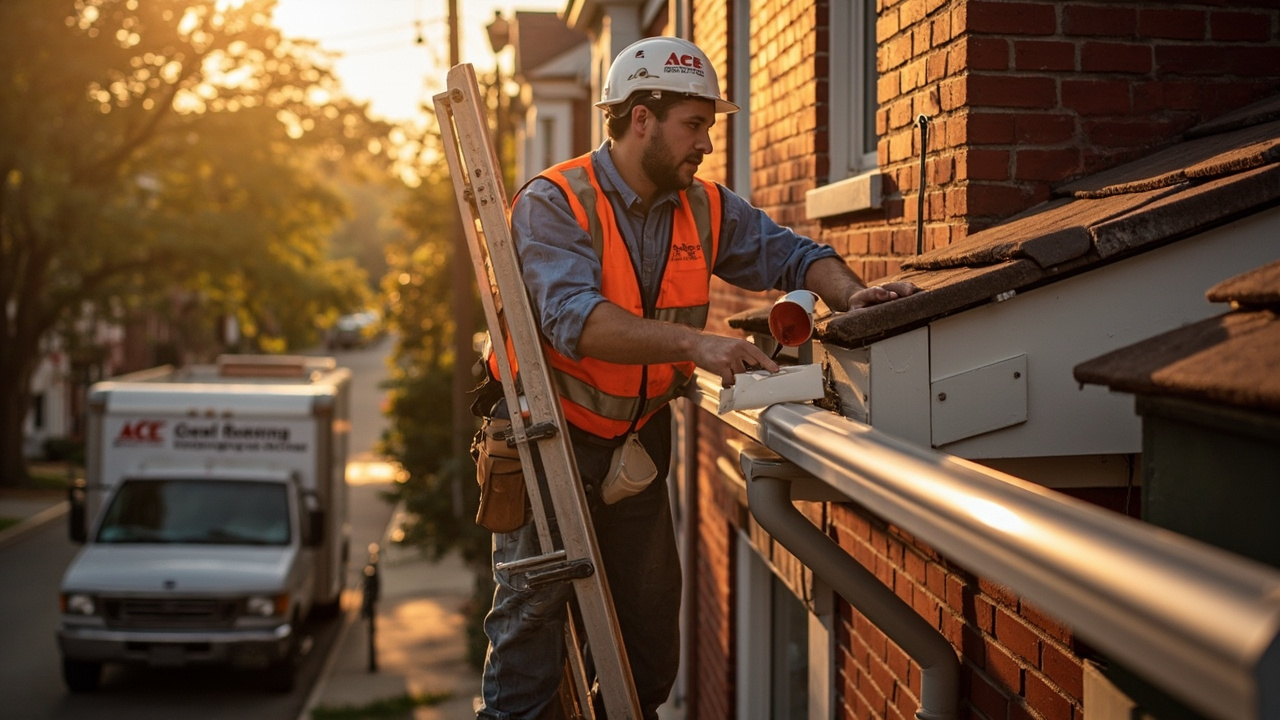
Our installation crew arrives with a mobile roll-former that creates seamless gutters cut to your exact measurements. We remove old gutters carefully to avoid damaging your fascia or soffits. New hidden hanger brackets install every 24 inches into rafter tails, not just fascia boards, providing structural support that withstands D.C.'s ice and snow loads. Each section gets sealed with commercial-grade polyurethane sealant at joints and end caps. Downspouts receive straps every 6 feet and connect to extensions that route water away from your foundation.
03

Flow Testing and Cleanup

Before we leave, we run water through your entire gutter system at volumes that simulate heavy rainfall. This reveals any low spots or drainage issues while we can still adjust pitch or add outlets. You see exactly how water flows through downspouts and away from your home. We remove all old materials, sweep your roof edges, and leave your property cleaner than we found it. You receive care instructions and a maintenance schedule. The entire process typically completes in one day for most residential properties.

Why D.C. Homeowners Trust Ace Roofing Washington DC for Gutter Work

Working on homes in the District of Columbia requires understanding building codes that protect our historic character while meeting modern performance standards. Properties in historic districts from Georgetown to Capitol Hill must comply with Historic Preservation Review Board guidelines that dictate gutter materials, colors, and profiles. We navigate these requirements regularly and know which materials satisfy both preservation officers and performance needs.

Our crews understand the architectural details that define D.C. homes. The Federal-style rowhouses east of Rock Creek Park require half-round gutters that match their period-appropriate profiles. Colonial Revival homes in Wesley Heights need built-in gutters that integrate with wide eave overhangs. We match your home's style while upgrading performance with modern materials that look traditional but outlast historical alternatives.

The clay soil conditions throughout the District create unique drainage challenges. We have seen how water migrates through Woodley Park hillsides and pools in the low-lying areas near the Anacostia River. Your gutter system must account for these geographic realities. We design downspout locations that work with your lot's natural drainage patterns, not against them.

Residential gutter contractors who understand load calculations matter in this climate. Our winter weather swings from freezing rain to 50-degree thaws create ice dams that stress gutter hangers. We install systems engineered for these loads, using commercial-grade brackets that residential-only contractors skip to save costs.

You need a contractor who stocks materials locally and responds when problems emerge. We maintain inventory in the D.C. metro area, which means same-week service for most repairs. National chains dispatch crews from regional hubs hours away and use standardized approaches that ignore local conditions.

Experience with D.C.'s permit requirements saves you time. While most gutter work does not require permits, projects that modify rooflines or affect historic properties need Department of Consumer and Regulatory Affairs approval. We handle this documentation as part of our service.

What to Expect When You Choose Professional Gutter Services

Scheduling and Response Times

Most gutter assessments happen within three business days of your call. Emergency repairs for actively leaking systems or detached sections that pose safety hazards get same-day or next-day response. Full seamless gutter installation projects typically schedule within one to two weeks, depending on the season. Spring and fall are our busiest periods as homeowners prepare for summer storms and winter weather. Complete installations on standard single-family homes finish in one day. Larger properties or complex rooflines may require two days. We provide specific timelines during your estimate and confirm arrival times the day before work begins. Weather delays happen, but we communicate proactively and reschedule promptly when conditions prevent safe work.

The On-Site Evaluation Process

Your evaluation begins with a roof edge inspection from ladder height, examining gutter condition, fascia integrity, and shingle overhang. We measure gutter runs and note pitch problems or sagging sections. Ground-level inspection checks downspout placement, extension effectiveness, and foundation drainage patterns. You receive photos of problem areas with explanations of what failed and why. We discuss material options, explaining the performance differences between aluminum, copper, and steel systems. The estimate includes itemized costs for materials and labor, broken down by gutter sections, downspouts, and any fascia repairs needed. We answer questions about maintenance requirements and expected lifespan for each material option. This consultation takes 30 to 45 minutes and you get a written proposal before we leave.

Quality Standards and Materials

Every installation uses 0.032-inch thick aluminum as our standard, which is 30% heavier than builder-grade materials. Hidden hanger brackets install into rafter tails every 24 inches, providing structural attachment points that outlast spike-and-ferrule systems. Seamless runs eliminate leak-prone seams found in sectional gutters sold at home centers. Corners receive commercial sealant rated for 50-year adhesion and flexibility through freeze-thaw cycles. Downspouts connect with crimped joints, not pop rivets that loosen over time. Each installation gets flow-tested before completion to verify proper drainage under simulated storm conditions. Your system handles D.C.'s peak rainfall rates without overflow or standing water. The finished installation looks clean, with uniform pitch and tight joints that enhance your home's appearance while providing decades of reliable performance.

Maintenance and Long-Term Care

Properly installed gutters require minimal maintenance but benefit from seasonal cleaning. We recommend debris removal twice yearly, in late spring after tree pollen season and late fall after leaf drop. Gutter guards reduce but do not eliminate cleaning needs, despite marketing claims. We offer maintenance contracts that include spring and fall cleanings with inspection of hangers, seals, and downspout function. During these visits, we catch small issues before they become expensive repairs. You receive a condition report after each service noting any developing problems. Most homeowners handle basic cleaning themselves between professional services. We provide specific guidance on what to watch for and when to call for repairs. Material choice affects longevity. Aluminum systems typically last 20 to 25 years in D.C.'s climate. Copper systems can exceed 50 years but require higher initial investment.

Frequently Asked Questions

You Have Questions,
We Have Answers

How much does it cost to install gutters on average? +

Gutter installation costs vary based on material, home size, and roof complexity. Aluminum gutters typically run less than copper or steel. A standard single-family home in Washington, D.C. might need 150 to 200 linear feet of gutters. Factor in downspouts, elbows, and hangers. Homes in Capitol Hill or Georgetown with multiple stories or intricate rooflines cost more due to labor and access challenges. Washington's freeze-thaw cycles mean you need durable materials and proper pitch to prevent ice damage. Request detailed estimates that break down material, labor, and removal of old gutters to compare value.

How much should it cost to repair a gutter? +

Gutter repair costs depend on the damage extent. Small leaks at seams or loose hangers are quick fixes. Sagging sections, split seams, or rusted-through panels require more labor and materials. Homes near Rock Creek Park often see clog-related damage from tree debris, which can warp gutters if left unaddressed. Washington's heavy spring rains accelerate wear on improperly maintained systems. Repairing a few sections costs less than full replacement. Get a professional inspection to identify hidden rot on fascia boards, which adds to the scope. Addressing small issues early prevents water damage to your foundation or siding.

How much should I pay to have gutter guards installed? +

Gutter guard installation costs vary by guard type and home size. Mesh screens cost less than reverse-curve or micro-mesh systems. Washington, D.C. homes surrounded by oak or maple trees benefit from guards that handle heavy leaf drop in fall. Installation complexity increases with multi-story homes or steep rooflines common in neighborhoods like Foxhall or Spring Valley. Quality guards reduce maintenance frequency and prevent clogs during thunderstorms. Cheap snap-on options often fail during ice expansion in winter. Professional installation ensures guards fit your gutter profile and do not void existing warranties. Evaluate cost against annual cleaning expenses.

How much does Lowe's charge to install gutters? +

Big-box retailers subcontract gutter installation to local crews. Pricing structures vary by region and contractor availability. Washington, D.C. homes may face higher labor costs due to parking restrictions, permit requirements, and dense urban layouts. These installers typically offer limited material choices and standardized solutions. Complex rooflines or custom color matching may not be available. You pay for convenience, but you lose control over crew experience and quality checks. Subcontractors may not understand D.C. building codes or historic district requirements. Compare their estimates against local specialists who know Washington's climate challenges and architectural nuances.

How much does Home Depot charge to install gutters? +

National chains use third-party installers with variable experience. Pricing depends on your zip code, material selection, and linear footage. Washington, D.C. installations can cost more due to urban logistics, tight access, and parking fees. Standard aluminum gutters are the default offering. Custom work, copper gutters, or seamless systems may have limited availability. Subcontractors may lack familiarity with D.C.'s freeze-thaw cycles or rowhouse drainage issues. You get a warranty, but claim processing goes through corporate channels. Local specialists provide direct accountability, material expertise, and knowledge of neighborhood-specific challenges like basement flooding common east of the Anacostia River.

Does homeowners insurance cover gutter replacement? +

Homeowners insurance typically covers gutter damage from sudden, covered events like storms, falling trees, or fire. Gradual wear, rust, or neglect are excluded. Washington, D.C. sees strong summer thunderstorms and occasional hurricanes that can rip gutters off homes. Document damage immediately with photos and contact your insurer fast. Policies differ on replacement cost versus actual cash value. If a windstorm tears gutters from your Dupont Circle rowhouse, you have a claim. If gutters fail from 15 years of poor maintenance, you pay out of pocket. Review your policy and maintain records of regular cleaning and repairs.

Should I replace 20 year old gutters? +

Yes, replace 20-year-old gutters. Aluminum and vinyl gutters last 20 to 25 years under normal conditions. Washington's humidity, freeze-thaw cycles, and heavy rain accelerate deterioration. Older gutters develop hidden leaks, corroded hangers, and sagging sections that compromise your roof edge and fascia. Water overflow damages foundations, basements, and landscaping. Homes in Brookland or Petworth with mature trees see faster wear from debris buildup. Inspect for rust spots, separated seams, or peeling paint. Replacing old gutters with properly pitched, seamless systems prevents costly water damage and improves curb appeal before selling.

How much does it cost to replace gutters on a 3 bed semi? +

A three-bedroom semi-detached home typically needs 100 to 150 linear feet of gutters, depending on layout. Costs vary by material choice, downspout count, and fascia condition. Washington, D.C. semi-detached homes in neighborhoods like Brightwood or Takoma often share walls, complicating access on one side. If your fascia has rot from years of overflow, repair adds to the price. Aluminum gutters cost less than copper or steel. Include removal of old gutters, debris disposal, and proper pitch grading in estimates. Homes with brick facades may need masonry anchors. Get multiple quotes and verify contractors understand local building codes.

Are there tax credits for new gutters? +

Currently, no federal tax credits exist specifically for gutter installation. Credits apply to energy-efficient improvements like solar panels, insulation, or HVAC systems. Gutters do not qualify unless part of a larger energy retrofit documented for tax purposes. Washington, D.C. offers periodic home improvement grants for low-income homeowners or historic preservation projects, but gutters rarely meet criteria. Check the D.C. Department of Energy and Environment for weatherization programs. If you install a rainwater harvesting system with your gutters, you might qualify for stormwater fee reductions. Consult a tax professional before assuming deductions. Focus on preventing water damage as the real savings.

What is the downside of gutter guards? +

Gutter guards reduce cleaning frequency but have tradeoffs. Cheap mesh screens trap shingle grit and small debris, creating sludge that blocks water flow. Reverse-curve systems can overshoot during heavy Washington thunderstorms, dumping water over the edge. Micro-mesh guards work well but cost more upfront. Ice dams still form in winter along roof edges, and guards complicate removal of frozen buildup. Guards make gutter inspection harder, hiding rust or leaks. Homes near Rock Creek Park with heavy leaf fall still need annual maintenance. Guards are not maintenance-free. Evaluate your tree coverage and budget before installation. Professional cleaning twice yearly may cost less long-term.

How D.C.'s Mature Tree Canopy Affects Your Gutter Performance

The District's urban forest, particularly dense in neighborhoods like Spring Valley and Friendship Heights, creates year-round gutter challenges. Oak, maple, and sycamore trees drop leaves, seed pods, and twigs that accumulate in gutters and block downspouts. Spring pollen season coats gutters with a sticky residue that traps debris and restricts water flow. The combination of frequent storms and heavy tree coverage means gutters in wooded neighborhoods need more frequent maintenance than those in open areas. Many older homes have undersized 4-inch gutters that clog quickly under this debris load. Upgrading to 5-inch or 6-inch systems provides additional capacity that handles both heavy rainfall and debris accumulation without constant cleaning. Rain gutter replacement becomes necessary when repeated clogs cause water to overflow and rot fascia boards beyond repair.

Working within D.C.'s regulatory environment requires knowledge that out-of-area contractors lack. Historic district requirements, stormwater management regulations, and tree protection ordinances all affect gutter work on certain properties. Residential gutter contractors familiar with these local rules prevent permit violations and project delays. We maintain relationships with local suppliers who stock materials that meet preservation standards and understand lead times for custom color matching on historic properties. Our crews recognize the difference between work that needs DCRA approval and routine maintenance that does not. This local expertise means your project moves forward efficiently without unexpected regulatory complications. When you choose a contractor based in the D.C. metro area, you get professionals who understand both the technical requirements of seamless gutter installation and the local context that makes each neighborhood unique.
Roofing Services in The Washington DC Area

We are proud to serve the entire Washington DC metropolitan area, including all surrounding neighborhoods and communities. Our central location allows us to dispatch our expert teams quickly for emergency repairs or scheduled consultations. Whether you're in Dupont Circle, Georgetown, Capitol Hill, or beyond, we bring premier, trustworthy roofing services directly to your doorstep. View our service area map below to confirm we cover your specific location and then call us to get started on your project.

Address:
Ace Roofing Washington DC, 20 F St NW, Washington, DC, 20001

Additional Services We Offer

Our news updates

Latest Articles & News from The Blogs

How Poor Roof Drainage Can Ruin Your Landscaping in Cathedral Heights Heavy rainstorms in Washington DC create serious challenges for…

How Poor Roof Drainage Can Ruin Your Landscaping in Cathedral Heights

How Poor Roof Drainage Can Ruin Your Landscaping in Cathedral Heights Heavy rainstorms in Washington DC create serious challenges for…

Why You Should Never Install a New Roof Over Your Old Shingles in Hill East

Why Roof Overlays Are a Short-Term Gamble in Hill East Homeowners in Hill East often face a choice when their…

A Homeowner Guide to Comparing Different Roofing Quotes in Washington DC

A Homeowner Guide to Comparing Different Roofing Quotes in Washington DC Getting multiple roofing quotes in Washington DC can feel…

Contact Us

Stop water damage before it starts. Call (771) 240-3300 now for a comprehensive gutter evaluation. We will assess your current system, identify problems, and provide a detailed estimate with material options. Serving all D.C. neighborhoods with fast response times and expert installations.