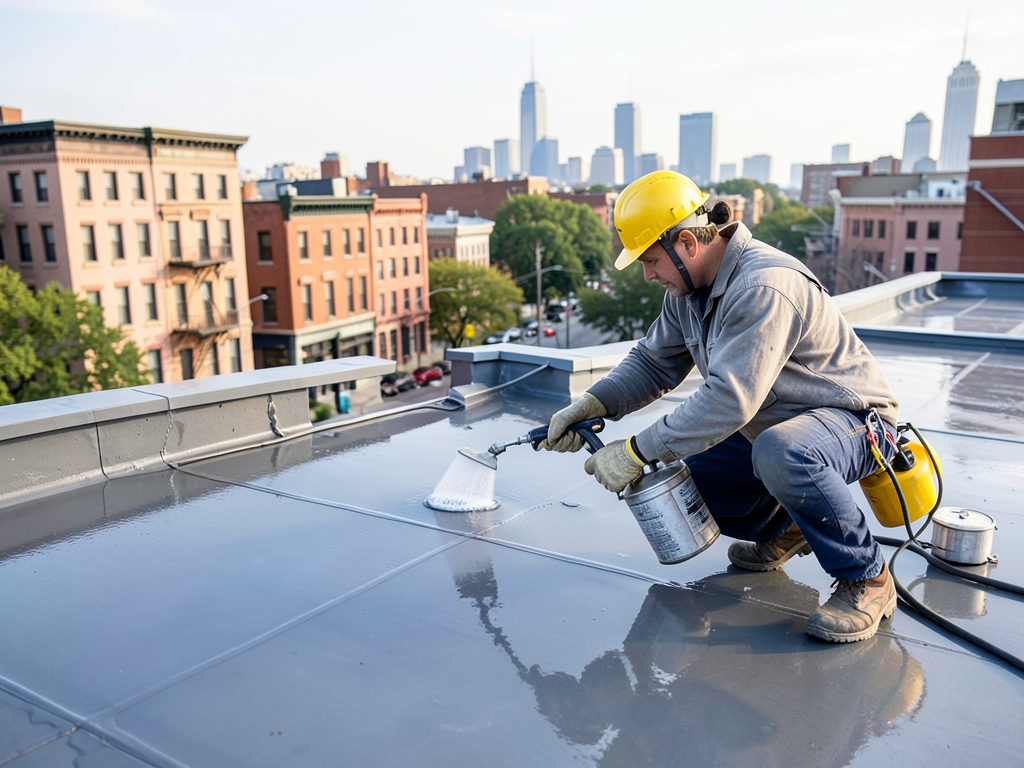
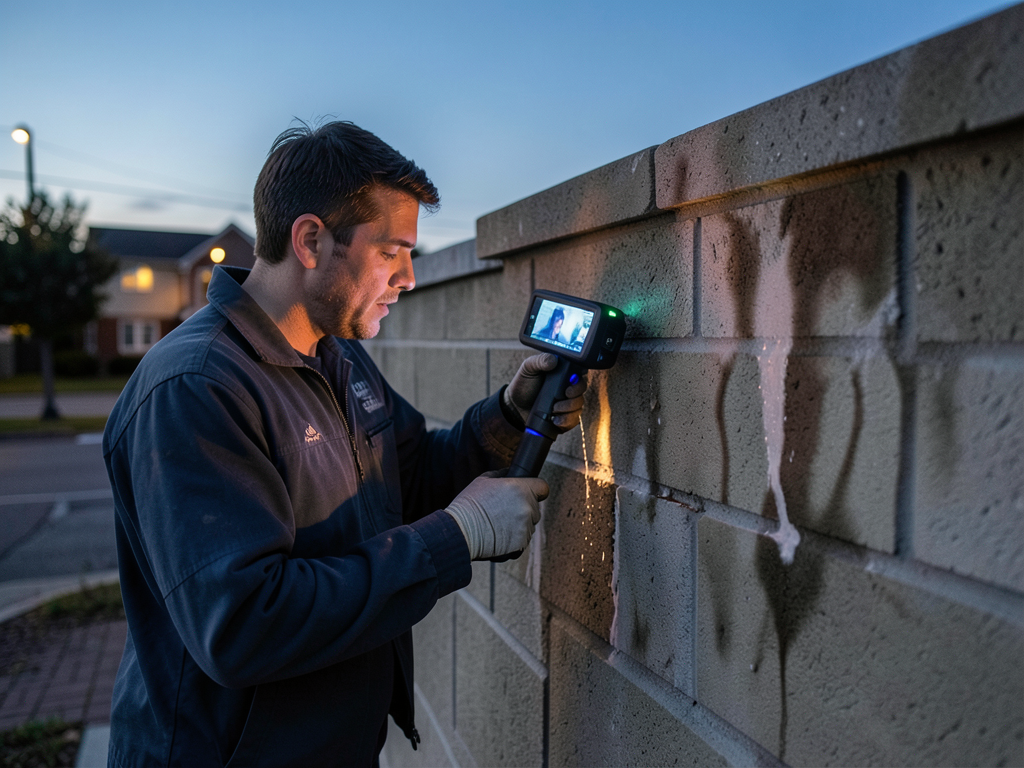
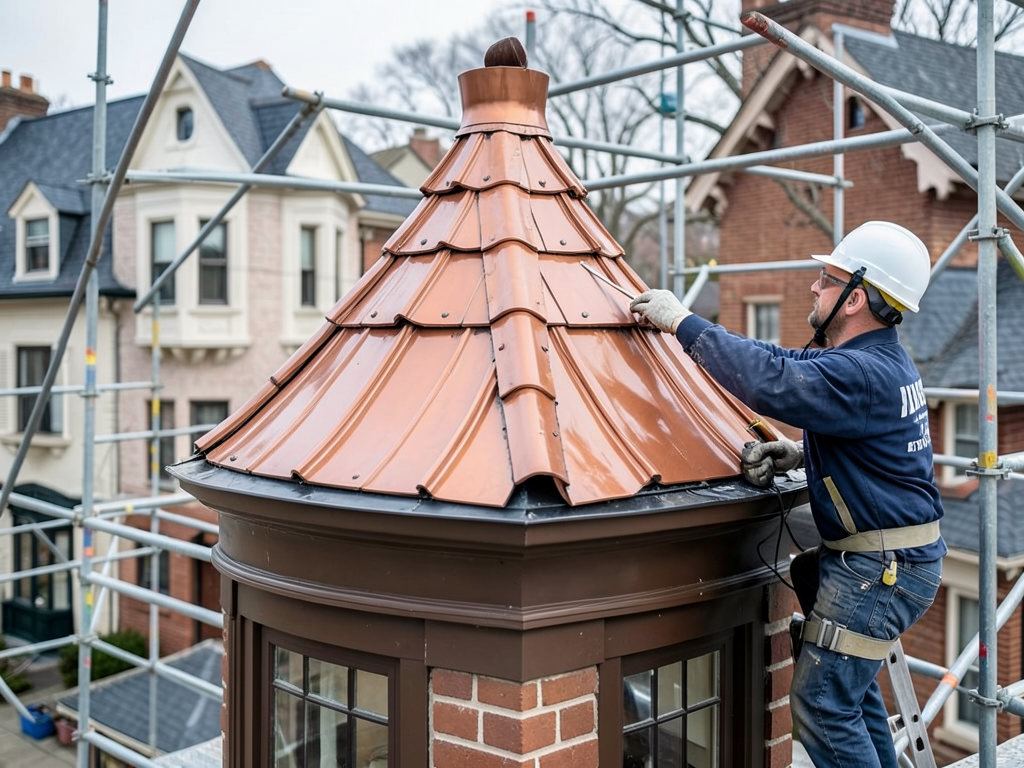
The District's urban density creates unique fire spread patterns that affect roofs differently than suburban areas. Attached rowhouses and close building proximity mean radiant heat exposure damages roofs that never caught fire. When a fire occurs at 1234 Q Street NW, the roof at 1236 Q Street may suffer heat blistering on shingles, compromised flashing, and melted underlayment from thermal radiation alone. Our post-fire roof inspections account for proximity damage that insurance adjusters often miss. We assess not just direct burn areas but heat-affected zones that will fail months later.
D.C. Fire and EMS uses aggressive water application techniques in dense neighborhoods to prevent fire spread between buildings. This means fire-damaged roofs often have extensive water intrusion beyond what the fire itself caused. We work with local restoration contractors who understand D.C.'s building codes, HPRB requirements for historic properties, and the complex coordination required when shared walls are involved. Our emergency roof fire inspection service has documented damage in every quadrant of the city, from Shaw to Anacostia to Georgetown, and we understand the structural variations in D.C.'s diverse building stock.