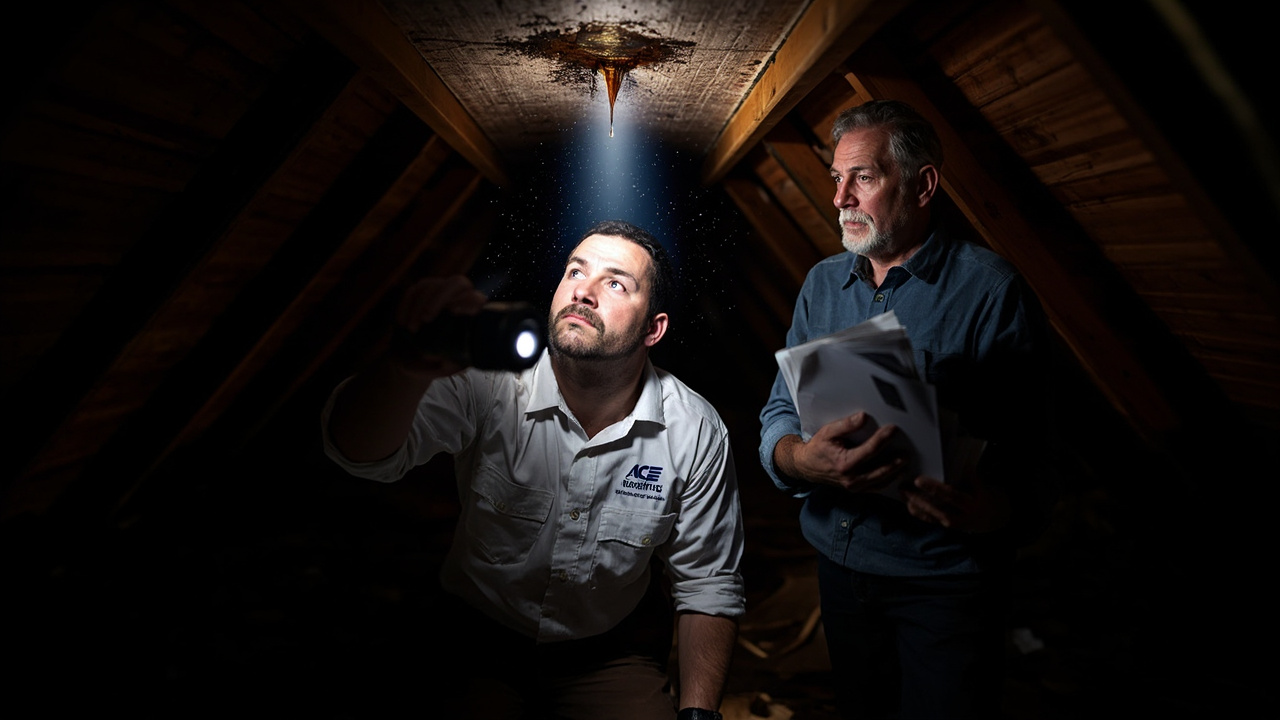
Washington, D.C. sits in a transition zone where coastal humidity meets continental weather systems, creating volatile summer storms with straight-line winds that regularly exceed 60 miles per hour. These microbursts hit neighborhoods unevenly. A storm might devastate roofs in Brookland while leaving Dupont Circle untouched. Insurance adjusters rely on National Weather Service data from Reagan National Airport, but that station is three to six miles from most residential areas. Local weather variations mean your roof took damage even when regional data shows moderate conditions. The District's mature tree canopy adds risk. Falling branches during storms cause sudden impact damage that's clearly covered, but adjusters often dispute whether the branch actually caused the leak or simply revealed pre-existing problems. Detailed documentation and local weather station data strengthen claims when carriers question damage legitimacy.
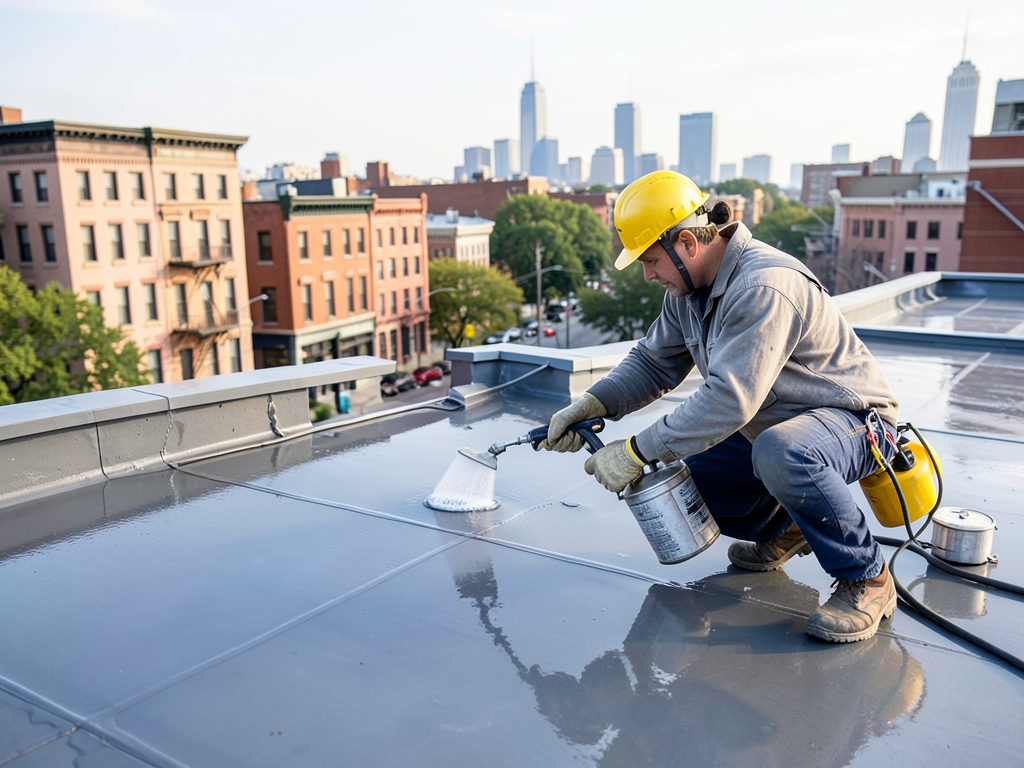
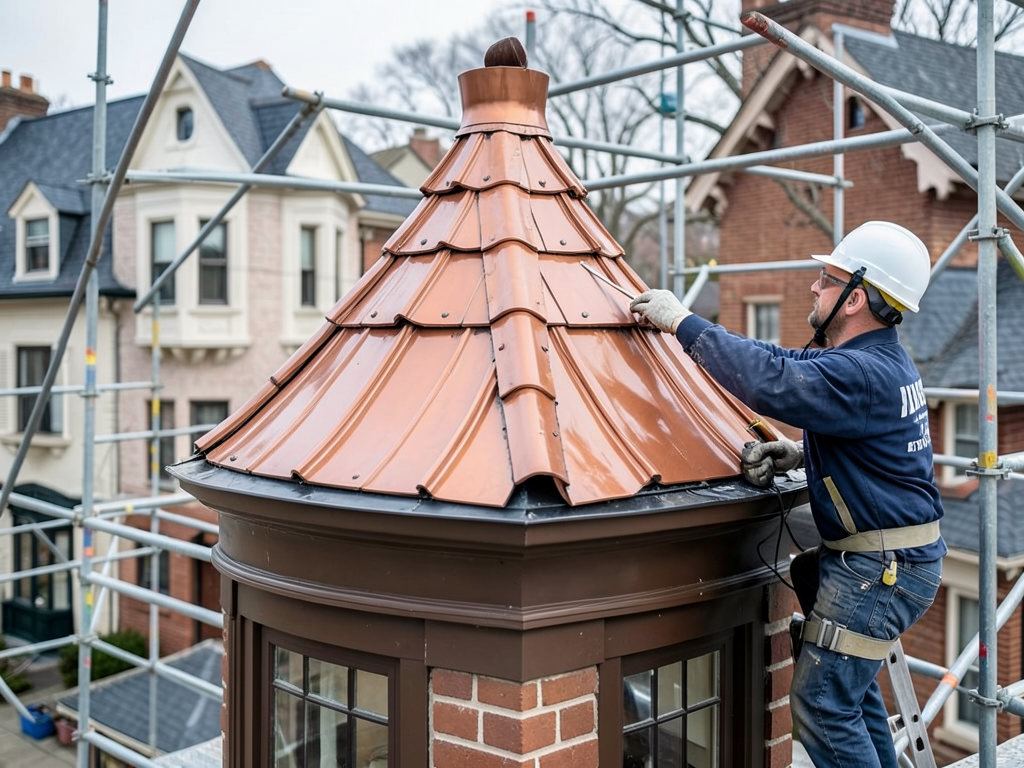
The District's housing stock includes thousands of historic rowhouses with flat or low-slope roofs covered in modified bitumen or EPDM rubber. These systems fail differently than pitched shingle roofs common in suburban areas. Insurance adjusters trained on standard residential construction sometimes misdiagnose flat roof failures, attributing them to maintenance neglect when the actual cause was thermal cycling or fastener failure. Washington, D.C.'s building codes require specific installation methods for flat roofs in historic districts, and those requirements affect repair costs. A local roofing contractor who regularly works with the Historic Preservation Review Board understands these nuances and can document why your claim requires coverage for premium materials and specialized labor. That expertise often means the difference between a partial payout and full coverage.