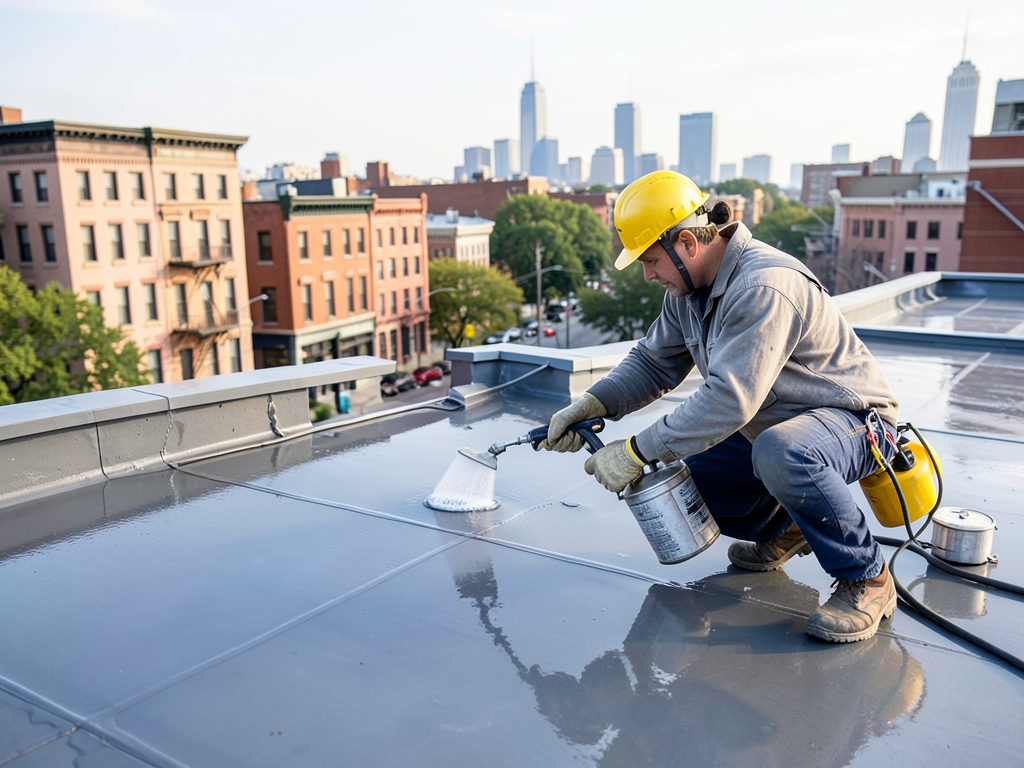
Washington, D.C. sits in USDA Hardiness Zone 7b with summer dew points regularly exceeding 70 degrees. This humid subtropical climate creates roof deterioration patterns that differ significantly from drier regions. Algae blooms on north-facing slopes leave black staining that concerns buyers during home sales. Moss growth in shaded areas traps moisture against shingles and accelerates granule loss. Metal flashing corrodes faster in humid conditions. Flat roof membranes on commercial buildings experience thermal cycling that causes premature cracking when moisture penetrates seams. Insurance companies factor these climate-specific risks into underwriting decisions. A proper roof condition certification must document how D.C.'s humidity has affected your specific roof system and provide realistic service life projections based on local weather patterns rather than national averages.
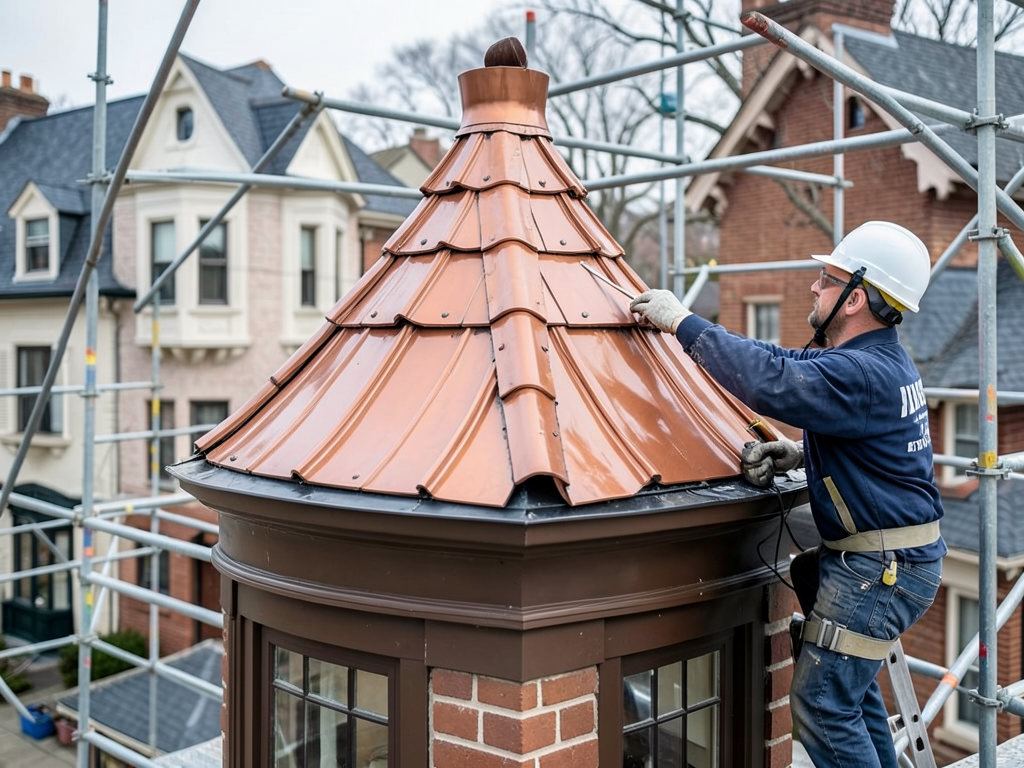
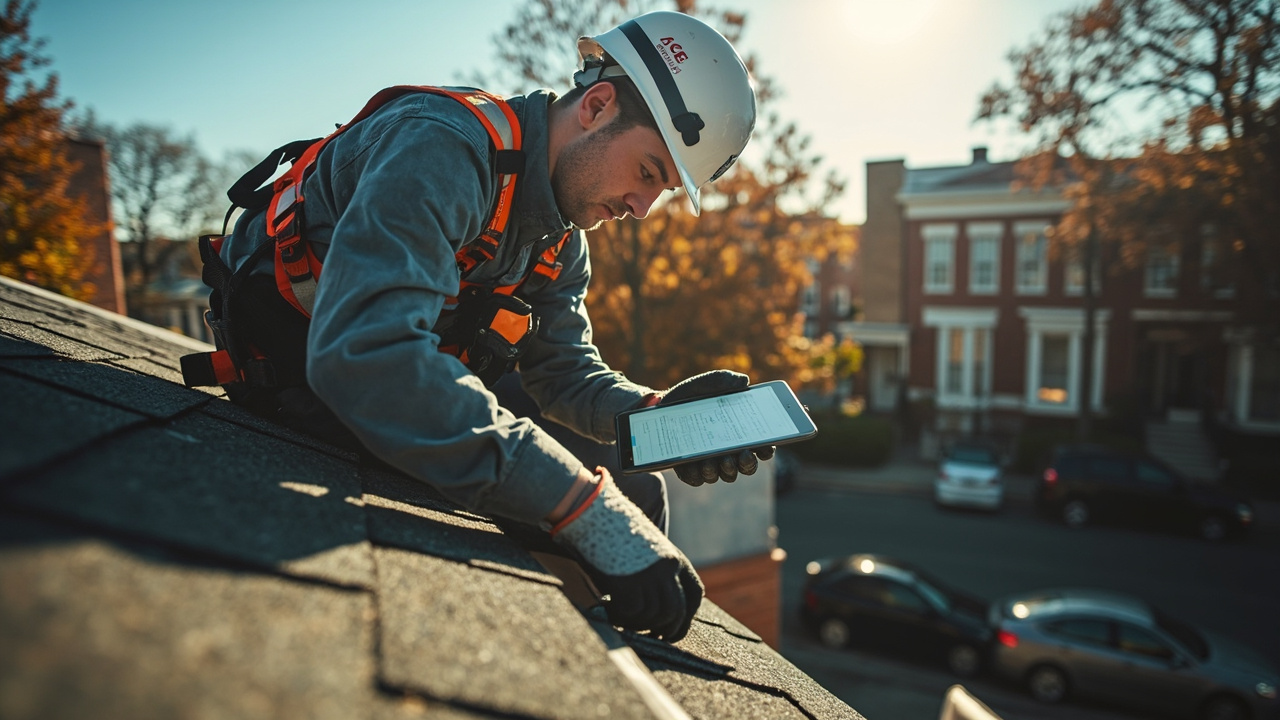
D.C.'s building code incorporates both International Building Code standards and federal requirements for properties leased to government tenants. Historic District regulations add another compliance layer that affects certification documentation. Properties in Georgetown, Capitol Hill Historic District, and other protected areas require roof repairs to meet Historic Preservation Review Board guidelines. A roofing inspection certificate for these properties must note any non-conforming materials or previous repairs that deviate from original construction methods. Commercial properties serving federal tenants need certification that confirms compliance with GSA technical standards. Ace Roofing Washington DC understands these layered requirements and structures roof certification reports to address the specific regulatory framework your property faces. Local expertise prevents certification rejections and ensures your documentation satisfies all reviewing parties.