menu

Weekend Roofing Service in Washington, D.C. | 24/7 Emergency Response When Storms Don't Wait

Get immediate Saturday roof repair and Sunday roofing contractor services across Capitol Hill, Georgetown, and Adams Morgan with crews dispatched within 90 minutes of your call.

Slider Image 1
Slider Image 2
Slider Image 3
Slider Image 4
Slider Image 5
Slider Image 7
Slider Image 8
Slider Image 9
Slider Image 10
Slider Image 11

Why Weekend Roof Damage Can't Wait Until Monday in Washington, D.C.

A leak discovered Saturday morning in Dupont Circle turns into a ceiling collapse by Monday. That's the reality of waiting when your roof is compromised.

Washington, D.C.'s humid subtropical climate creates constant pressure on roofing systems. Summer thunderstorms roll through with little warning, dropping two inches of rain in an hour. Winter freeze-thaw cycles crack flashing and loosen shingles. When damage happens Friday night or Sunday afternoon, water doesn't pause for business hours.

Historic rowhouses in Shaw and Capitol Hill face unique vulnerabilities. Flat roofs common in these neighborhoods pool water after heavy rain. Parapet walls trap moisture against brick. Old tar and gravel systems fail without warning. When a storm hits Saturday, you need an emergency weekend roofer who understands how these structures behave.

The problem compounds fast. Water migrates behind walls, saturates insulation, and compromises structural members. What starts as a small leak Saturday becomes a mold remediation project by Wednesday. Insurance adjusters document damage within 48 hours. Miss that window because you waited for Monday, and you're fighting an uphill battle on coverage.

You need 24/7 roofing services because roof failures don't check the calendar. A missing ridge cap in Glover Park. Wind-lifted shingles in Brookland. Punctured membrane on a commercial building in NoMa. These emergencies demand immediate response, not a voicemail promising a callback Monday morning.

After hours roof repair exists because the alternative costs you thousands in preventable damage.

Why Weekend Roof Damage Can't Wait Until Monday in Washington, D.C.
How Emergency Weekend Roof Response Actually Works

How Emergency Weekend Roof Response Actually Works

Real 24/7 availability means dispatch, not an answering service. When you call for Saturday roof repair, you reach a live person who can mobilize a crew, not a recording that promises eventual contact.

Our weekend protocol starts with triage over the phone. You describe what you see. We determine severity. Active leak with visible water entry gets immediate dispatch. Missing shingles without current water intrusion get scheduled within four hours. This system ensures true emergencies get priority while managing less critical issues efficiently.

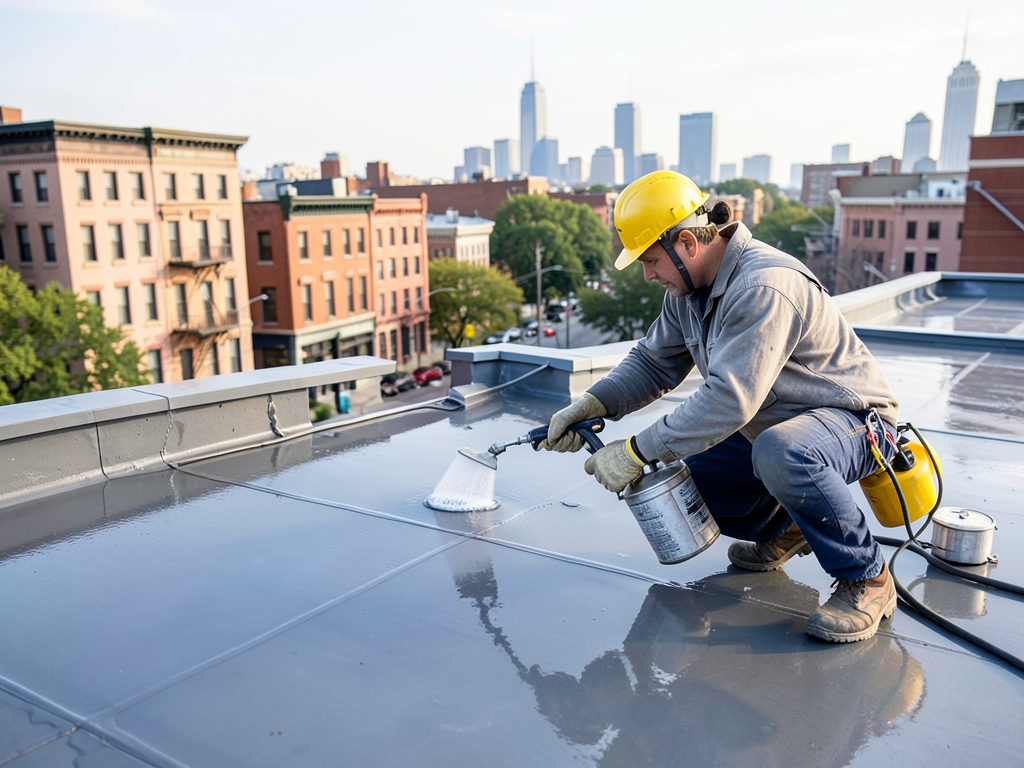
Crews carry weekend emergency kits configured for rapid temporary repairs. Heavy-duty tarps rated for 60 mph winds. Self-adhering ice and water shield. Emergency flashing materials. Roof mastic and sealants rated for immediate water exposure. This isn't a full replacement kit. It's a damage control arsenal designed to stop water entry until comprehensive repairs happen.

The methodology follows a specific sequence. Identify the breach point. Clear debris from the affected area. Dry the surface enough for adhesion. Apply temporary waterproofing. Secure against wind uplift. Document the damage with photos for insurance. This takes 60 to 90 minutes for typical scenarios.

For commercial properties in the K Street corridor or along Connecticut Avenue, weekend response prevents business interruption. A Sunday roofing contractor who can tarp a 5,000 square foot section keeps your Monday operations intact. Water damage to inventory, equipment, or tenant spaces costs exponentially more than emergency service rates.

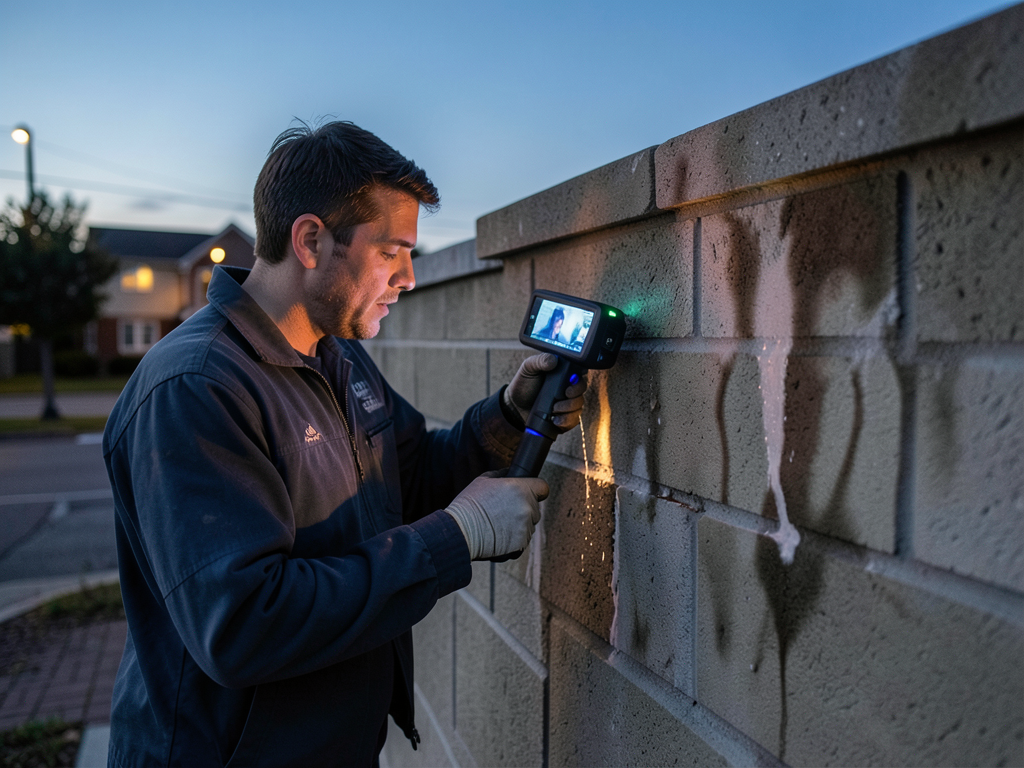
We use infrared moisture detection to map water intrusion even when it's not visibly dripping. This technology identifies saturated decking and insulation that needs monitoring.

What Happens When You Call for Emergency Weekend Roof Service

Weekend Roofing Service in Washington, D.C. | 24/7 Emergency Response When Storms Don't Wait
01

Immediate Dispatch Assessment

You call our emergency line at (771) 240-3300 and speak directly with a dispatcher who understands roofing systems. They ask specific questions about water location, visible damage, and building type. Within 10 minutes, you know when a crew will arrive and what to do in the meantime to minimize damage. No callbacks. No waiting until Monday. Just immediate action planning.
02

On-Site Damage Control

Technicians arrive with ladder racks, safety equipment, and emergency materials. They assess from inside and outside to locate the exact breach point. Then they execute temporary waterproofing using professional-grade materials that withstand weather until permanent repairs happen. They place collection buckets for active leaks, move vulnerable items, and document everything with time-stamped photos for your insurance claim.
03

Permanent Repair Scheduling

Before leaving, the crew provides a written damage assessment and repair estimate. You receive photos, measurements, and material specifications needed for insurance documentation. We schedule the permanent repair based on material lead times and your availability. You get a detailed explanation of what failed, why it failed, and what the complete fix entails. No surprises later about scope or cost.

Why Washington, D.C. Property Owners Choose Local Weekend Roofing Experts

National chains don't dispatch real crews on weekends. They take your information and promise Monday contact. That 48-hour gap turns a $1,200 repair into a $15,000 restoration project.

Ace Roofing Washington DC maintains weekend crews because we understand the local building stock. Historic districts in Georgetown and Capitol Hill require specific approaches. You can't just slap modern materials on a 1920s rowhouse and expect it to work. Matching existing slate, clay tile, or standing seam metal takes knowledge of architectural supply sources in the DMV region.

DC building codes require permits for structural repairs. We know which weekend emergency work qualifies for post-repair permitting and which requires upfront approval. This matters when you're trying to stop water Saturday but need to satisfy code compliance later. The wrong approach creates inspection headaches and delayed insurance payouts.

Our familiarity with local insurance adjusters speeds your claim. We document using the formats they expect. We provide estimates that align with Xactimate pricing databases used in this market. We know which carriers require multiple bids and which accept sole-source emergency documentation. This knowledge translates to faster claim resolution and lower out-of-pocket costs for you.

We stock materials appropriate for Washington, D.C.'s climate zone. Shingles rated for the 110 mph wind zone that includes the District. Ice and water shield appropriate for freeze-thaw cycling. Underlayment that handles humidity without degrading. Weekend repairs use the same quality materials as planned projects because we maintain inventory specifically for emergency response.

Response time matters in emergencies. We dispatch from staging locations in Northeast, Northwest, and Southwest DC. Average arrival time runs 75 minutes from call to on-site presence anywhere in the District.

What to Expect from Professional Weekend Emergency Roof Service

Response Speed and Availability

True 24/7 roofing services mean crews ready to roll, not on-call staff who need two hours to mobilize. We maintain weekend staging with trucks pre-loaded with emergency supplies. You call Saturday at 6 AM or Sunday at 11 PM and get the same response protocol. Dispatch confirms arrival time within 10 minutes of your call. Crews typically arrive within 90 minutes anywhere in Washington, D.C., traffic permitting. For active flooding situations where water is visibly entering occupied space, we prioritize for 60-minute response. This speed prevents secondary damage that multiplies repair costs exponentially.

Comprehensive Damage Assessment

Emergency weekend roofer technicians perform full exterior and interior inspection before starting temporary repairs. They check attic spaces for water tracking, examine insulation for saturation, and use moisture meters to map affected areas. You receive a written assessment documenting all findings with measurements and photos. This documentation becomes critical for insurance claims filed Monday morning. The assessment distinguishes between immediate emergency repairs and comprehensive permanent fixes needed later. You understand exactly what happened, what gets fixed now, and what requires follow-up work. No ambiguity about scope or next steps.

Quality of Temporary Repairs

Temporary doesn't mean substandard. Weekend emergency tarping uses commercial-grade reinforced polyethylene secured with battens screwed into roof framing, not just draped and weighted. Temporary flashing uses peel-and-stick membrane rated for six-month exposure, not duct tape and caulk. Emergency sealants are professional roof mastics that cure in humid conditions, not hardware store products that fail in the next rain. These materials protect your property through multiple weather events until permanent repairs happen. We engineer temporary solutions that actually work, understanding they might stay in place for weeks while insurance processes and materials arrive.

Transition to Permanent Repair

The emergency weekend visit isn't disconnected from permanent repair. The same company handles both phases, eliminating coordination headaches between emergency response and final fix. We provide detailed estimates for complete repair while on-site for emergency service. Material specifications match your existing roof system. Labor pricing reflects actual scope, not placeholder numbers. When insurance approves your claim, we already have measurements and specifications ready. This continuity speeds the permanent repair process and ensures nothing gets lost in translation between emergency response and final restoration. You deal with one company, one point of contact, and one consistent quality standard from emergency call through project completion.

Frequently Asked Questions

You Have Questions,
We Have Answers

Do roofers work on the weekends? +

Yes. Many roofers in Washington, D.C. offer weekend services for emergency repairs and storm damage, though availability varies by company. If you discover a leak or storm damage on Saturday, you need immediate help to prevent water intrusion and interior damage. Weekend appointments often fill quickly, especially after severe weather events common to the D.C. metro area. Call early Saturday morning for same-day service. Emergency tarping and temporary repairs can stop active leaks while a full inspection waits until Monday. Weekend rates may include premium charges, but protecting your home from water damage saves you thousands in mold remediation and structural repairs later.

Can roofing be done in one day? +

Yes, but only for smaller roofs under ideal conditions. A standard single-story home with a simple gable roof can be torn off and re-shingled in one day by an experienced crew. Washington, D.C. rowhomes with compact rooflines often qualify for single-day replacements. Weather is the wild card. Rain, high winds, or extreme heat halt work immediately. Larger homes, complex designs with multiple valleys, or historic properties in D.C. neighborhoods require two to four days. Emergency tarp installations and leak repairs happen in hours, not days. If a contractor promises one-day completion on a complex roof without assessing your property first, walk away.

What is the going rate for roofers? +

Washington, D.C. roofers charge differently based on project scope. Emergency repairs and small leak fixes typically run hourly rates or flat emergency call fees. Full roof replacements are priced per square (100 square feet) and vary with material choice, pitch, and complexity. D.C. rowhomes with flat or low-slope sections cost differently than suburban homes with steep pitches. Your specific rate depends on roof size, access difficulty, material selection, and how quickly you need the work done. Weekend and after-hours emergency service carries premium pricing. Get three written estimates from licensed contractors. Avoid the lowest bid and the highest. Compare scope, materials, and timeline.

How to tell if a roofer is lying? +

Watch for these red flags. A roofer who skips the attic inspection misses critical ventilation and decking issues common in older D.C. homes. If they quote without measuring your roof or checking flashing around chimneys, they are guessing. Pressure tactics like "this price expires today" or "I have leftover materials from another job" signal dishonesty. Legitimate contractors provide written estimates with material specifications, not vague "premium shingles" language. Ask for references from recent jobs in your D.C. neighborhood. Check their business license through the D.C. Department of Consumer and Regulatory Affairs. No license means no accountability. Trust your gut.

Is $30,000 too much for a roof? +

It depends on your roof size, materials, and D.C. building requirements. For a large home with premium architectural shingles, multiple chimneys, complex flashing details, and required permits in historic districts, $30,000 sits within normal range. A modest rowhome should cost far less. Get detailed breakdowns showing material costs, labor, disposal, permits, and any structural repairs to rotted decking. Washington, D.C. homes built before 1980 often hide decking damage that inflates costs once tear-off begins. Compare three written estimates with identical material specs. If one quote is $15,000 and another is $30,000 for the same scope, question the difference. Price alone does not indicate quality.

What not to say to a general contractor? +

Never say you have not researched costs or timelines. Contractors exploit uninformed homeowners. Do not mention your maximum budget upfront or reveal insurance payout amounts before negotiating. Avoid saying "just do whatever you think is best" without a written scope. That invitation leads to change orders and surprise bills. Never badmouth the previous contractor excessively. It signals you may be difficult to work with. Do not ask them to skip permits for D.C. projects that legally require them. It puts liability on you. Never agree to pay the full amount upfront. Standard practice is a deposit, progress payments, and final payment after inspection.

How to pay for a roof when you can't afford it? +

You have options beyond draining savings. Many D.C. roofers work with financing companies offering payment plans, sometimes with deferred interest periods. Home equity lines of credit provide lower rates than credit cards. FHA Title 1 loans cover home improvements without tapping equity. If storm damage caused the failure, file an insurance claim immediately. Your policy may cover replacement minus your deductible. Some contractors accept assignment of insurance proceeds. D.C. offers weatherization assistance programs for qualifying homeowners. The D.C. Department of Energy and Environment provides grants for energy-efficient upgrades. Emergency tarping buys time while you arrange financing. Ignoring a failing roof costs more when water damages ceilings, insulation, and electrical systems.

How long does it take to roof a 2000 sq ft house? +

Most 2,000 square foot homes in Washington, D.C. take two to three days for complete roof replacement under good weather conditions. Day one involves tear-off, inspection of decking, and repairs to any rotted sheathing common in humid D.C. summers. Day two covers underlayment installation, flashing, and starter shingles. Day three finishes shingle installation, ridge caps, and cleanup. Complex rooflines with multiple valleys, dormers, or steep pitches add time. Historic D.C. properties may require specialized techniques. Weather delays are common. Summer thunderstorms and winter freezes halt work immediately. Your contractor should provide a realistic timeline after inspecting your specific roof, not generic estimates.

What is the most expensive part of replacing a roof? +

Labor represents the largest expense, followed closely by material disposal and structural repairs. Tearing off old layers, hauling debris, and disposing of shingles at D.C. transfer stations adds significant cost. Replacing rotted decking discovered during tear-off drives up expenses quickly. Older Washington, D.C. homes often hide water damage beneath shingles that looked fine from the ground. Flashing replacement around chimneys, skylights, and valleys requires skilled labor and custom metalwork. Premium materials like architectural shingles or synthetic underlayment cost more upfront but last longer in D.C. humidity and freeze-thaw cycles. Steep pitches require safety equipment and slower installation. Permit fees and inspections add smaller amounts.

What does it cost to roof a 2000 sq ft house? +

Washington, D.C. roof replacement costs vary widely based on materials, pitch, and complexity. A basic 2,000 square foot roof with standard three-tab shingles costs less than the same roof with architectural shingles and ice-and-water shield underlayment. Your specific cost depends on the number of layers being removed, decking condition, chimney and skylight flashing needs, and access difficulty common in tight D.C. neighborhoods. Rowhouse roofs differ from detached suburban homes. Historic district requirements add costs. Get three written estimates detailing materials by brand and grade, labor breakdown, disposal fees, and permit costs. Avoid contractors who quote over the phone without inspecting your roof.

How DC's Seasonal Weather Patterns Drive Weekend Roofing Emergencies

Washington, D.C. sits in a unique weather pattern where Atlantic moisture meets continental air masses, creating sudden severe weather with minimal warning. Summer derechos blow through with 70 mph straight-line winds that peel shingles and lift flashing in minutes. These storms hit Thursday evening or Saturday afternoon without regard for business hours. Winter nor'easters dump heavy wet snow that overloads flat roofs common on commercial buildings along M Street and Wisconsin Avenue. The weight triggers sudden membrane failures. Spring and fall bring temperature swings from freezing overnight to 60 degrees by afternoon, cycling shingle adhesive strips until they fail. These weather realities make after hours roof repair capacity essential, not optional, for property protection in the District.

DC's building stock creates specific weekend emergency patterns. The concentration of historic rowhouses with party walls means a roof leak in one unit threatens adjacent properties. Condo associations in Columbia Heights and Shaw need Sunday roofing contractor response because water affecting multiple units requires immediate action to limit liability. Federal buildings and embassy properties throughout Northwest DC demand weekend response capability because security concerns prevent weekday contractor access during business hours. Local expertise means understanding these unique scenarios and having protocols ready. We work with historic preservation requirements, condo association procedures, and security clearance processes that out-of-town contractors can't navigate efficiently.
Roofing Services in The Washington DC Area

We are proud to serve the entire Washington DC metropolitan area, including all surrounding neighborhoods and communities. Our central location allows us to dispatch our expert teams quickly for emergency repairs or scheduled consultations. Whether you're in Dupont Circle, Georgetown, Capitol Hill, or beyond, we bring premier, trustworthy roofing services directly to your doorstep. View our service area map below to confirm we cover your specific location and then call us to get started on your project.

Address:
Ace Roofing Washington DC, 20 F St NW, Washington, DC, 20001

Additional Services We Offer

Our news updates

Latest Articles & News from The Blogs

How Poor Roof Drainage Can Ruin Your Landscaping in Cathedral Heights Heavy rainstorms in Washington DC create serious challenges for…

How Poor Roof Drainage Can Ruin Your Landscaping in Cathedral Heights

How Poor Roof Drainage Can Ruin Your Landscaping in Cathedral Heights Heavy rainstorms in Washington DC create serious challenges for…

Why You Should Never Install a New Roof Over Your Old Shingles in Hill East

Why Roof Overlays Are a Short-Term Gamble in Hill East Homeowners in Hill East often face a choice when their…

A Homeowner Guide to Comparing Different Roofing Quotes in Washington DC

A Homeowner Guide to Comparing Different Roofing Quotes in Washington DC Getting multiple roofing quotes in Washington DC can feel…

Contact Us

Water damage multiplies every hour you wait. Call (771) 240-3300 now for immediate weekend emergency response. Real crews, real trucks, real solutions. We're dispatching across Washington, D.C. right now.