menu

Wind Damage Roof Repair in Washington, D.C. – Emergency Response Available 24/7

When severe wind rips shingles off your roof or compromises structural integrity, you need immediate wind damage roof repair from a team that dispatches within hours, not days, to stop water intrusion and protect your property in Washington, D.C.

Slider Image 1
Slider Image 2
Slider Image 3
Slider Image 4
Slider Image 5
Slider Image 7
Slider Image 8
Slider Image 9
Slider Image 10
Slider Image 11

Why Wind Damage Happens Fast in Washington, D.C.

Washington, D.C. sits at the intersection of multiple weather systems. You get brutal nor'easters in winter, spring thunderstorms with straight-line winds exceeding 60 mph, and remnants of tropical systems pushing up the Atlantic seaboard in late summer. These sudden wind events do not give you warning. They lift shingles, tear flashing from valleys and chimneys, and turn small vulnerabilities into catastrophic leaks.

The District's older housing stock, especially rowhouses in Capitol Hill and Shaw, often feature aging three-tab shingles and galvanized metal flashing that corrodes over decades. When wind catches a loose edge, it peels entire sections like a can opener. Add in the urban heat island effect that accelerates asphalt shingle degradation, and you have roofs that fail faster under wind stress than in surrounding suburbs.

Emergency wind roof repair is not about convenience. It is about stopping secondary damage. A missing shingle exposes underlayment. Underlayment degrades in hours under UV exposure. Rain follows wind. Water infiltrates sheathing, soaks insulation, and drips into ceilings. The longer you wait, the more rooms suffer water damage. Mold begins colonizing damp wood within 48 hours in D.C.'s humid climate. Repairing roof wind damage the same day you discover it is the only way to contain the crisis. Blown off shingles repair and wind storm roof restoration are not weekend projects. They are emergencies that demand immediate professional response to protect your home and prevent compounding costs.

Why Wind Damage Happens Fast in Washington, D.C.
How We Fix Wind Damaged Roof Systems Correctly

How We Fix Wind Damaged Roof Systems Correctly

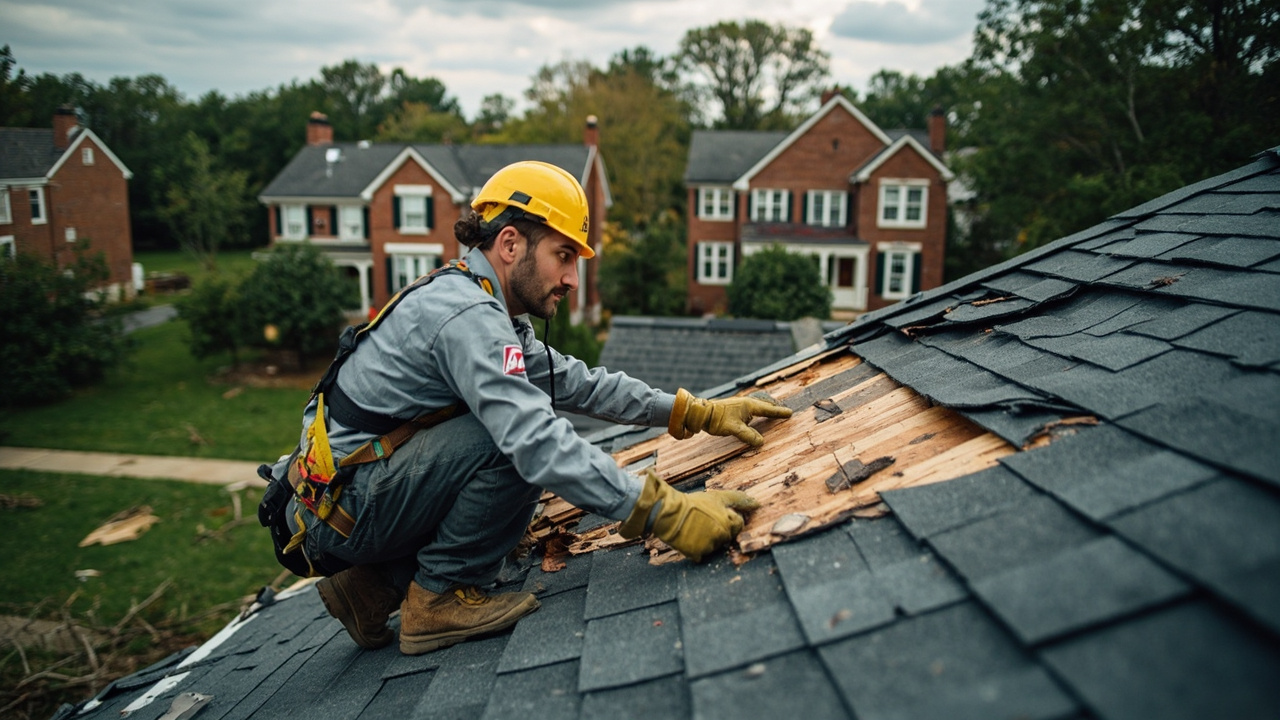
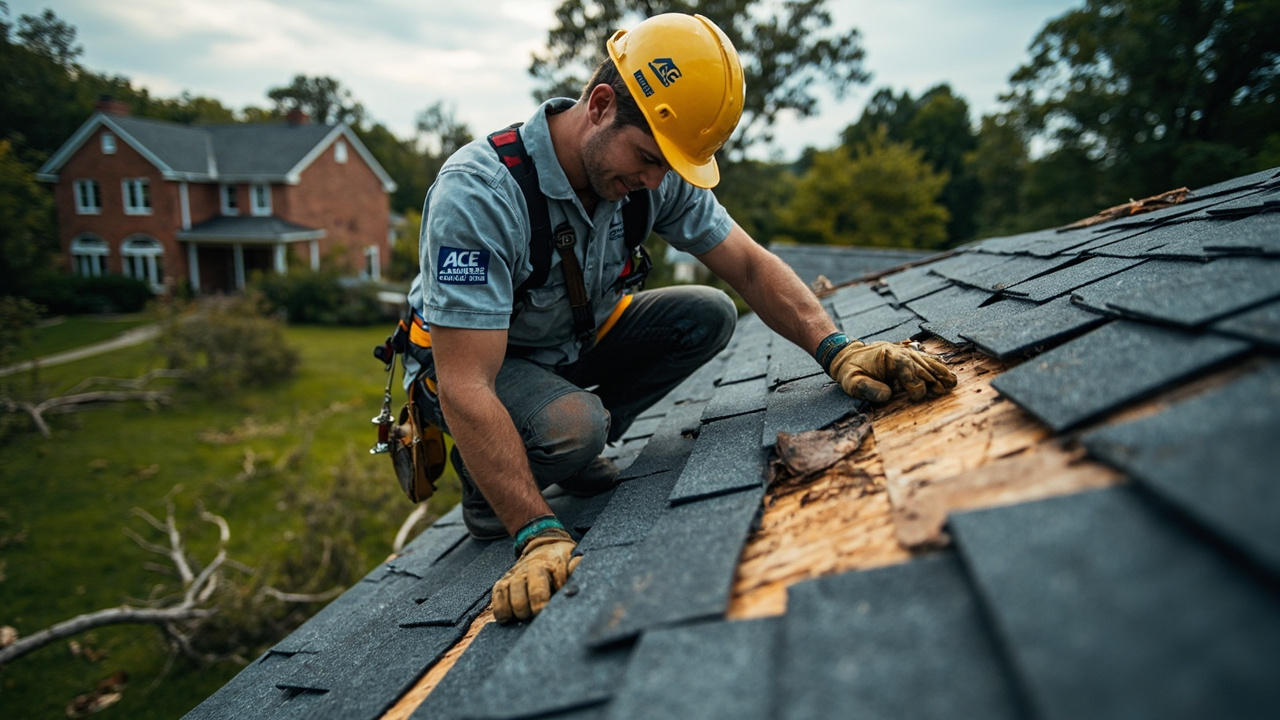
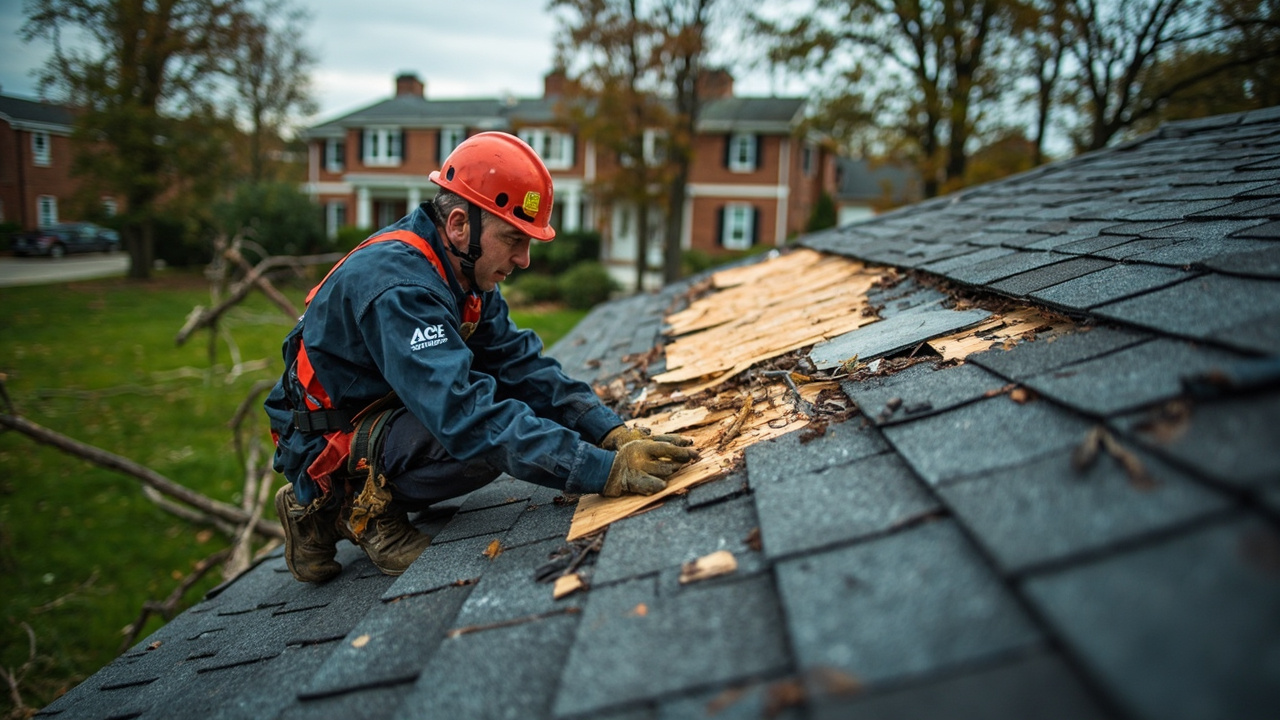
Most homeowners do not know the full extent of wind damage until a trained eye examines the entire roof plane. You see missing shingles. We see compromised starter strips, torn valley flashing, lifted ridge caps, and nail pops across multiple zones. Wind does not damage randomly. It follows patterns based on roof geometry and exposure. Our approach begins with a comprehensive assessment, not a patch job.

We document every compromised section using photo evidence for your insurance claim. Wind damage often extends beyond the obvious. Uplift forces can crack sealant bonds on shingles that look intact but will fail in the next storm. We test for this. We inspect attic spaces for water stains, wet insulation, and sheathing delamination. We check soffit vents and gable ends for wind-driven rain penetration. This diagnostic rigor is what separates emergency wind roof repair from temporary fixes that fail in six months.

Our repair protocol prioritizes the building envelope first. We tarp exposed areas immediately if rain threatens before full repairs can begin. We match existing shingle profiles, colors, and manufacturers to maintain aesthetic consistency, especially critical in D.C.'s historic districts where mismatched repairs draw attention and can complicate future sales. We replace flashing using ice and water shield underlayment in vulnerable areas like valleys and eaves. We hand-seal every shingle in high-wind zones using roofing cement, not relying solely on factory adhesive strips.

The goal is structural integrity and weatherproofing that lasts. We do not just replace what blew off. We reinforce why it blew off in the first place.

What Happens When You Call for Wind Damage Roof Repair

Wind Damage Roof Repair in Washington, D.C. – Emergency Response Available 24/7
01

Immediate Triage and Containment

We dispatch a crew to your Washington, D.C. property within hours of your call. The first priority is stopping active leaks and preventing further water intrusion. We install emergency tarps over exposed sheathing, secure loose materials that could become projectiles in continued wind, and document visible damage with time-stamped photos. This triage protects your home while we prepare a full repair plan and gives you ammunition for insurance claims.
02

Full Roof System Assessment

Once immediate threats are contained, we conduct a systematic inspection of your entire roof system. We walk every plane, checking for hidden damage like cracked sheathing, compromised underlayment, and failed flashing. We examine attic spaces for water infiltration and structural issues. We measure wind exposure zones and identify why failure occurred in specific areas. This assessment informs a detailed scope of work that addresses root causes, not just symptoms, ensuring repairs withstand future storms.
03

Permanent Restoration and Reinforcement

We execute repairs using materials that match or exceed your existing roof specifications. Every shingle is installed following manufacturer guidelines for high-wind applications, including proper nail placement and sealant application. We replace damaged flashing with code-compliant materials, reinforce vulnerable edges, and ensure proper ventilation to prevent future moisture issues. The result is a roof system restored to full weatherproof integrity, ready to handle the next storm Washington, D.C. throws at it. We provide documentation for insurance and future reference.

Why Washington, D.C. Homeowners Trust Ace Roofing Washington DC for Wind Damage Repairs

Wind damage does not wait for business hours. We operate 24/7 because emergencies do not respect your schedule or ours. When you call Ace Roofing Washington DC at 3 a.m. after a storm, you reach a live person who can dispatch a crew, not an answering service that takes a message. That responsiveness matters when every hour of exposure increases repair costs.

We know the District's building codes and historic preservation requirements. If you live in a historic district like Georgetown or Capitol Hill, your repairs must comply with specific guidelines about materials, colors, and methods. We have worked through the Historic Preservation Review Board process dozens of times. We know which repairs require permits and which fall under routine maintenance exemptions. This knowledge prevents delays and compliance headaches that inexperienced contractors create.

Our crews understand D.C.'s architectural diversity. Rowhouse roofs present different challenges than detached colonials. Flat roofs on commercial corridors along Connecticut Avenue or H Street require different membrane repair techniques than pitched residential roofs. We stock materials for all common roof types because scrambling for supplies during an emergency wastes time you do not have.

We also navigate insurance claims as part of our service. We document damage in the format adjusters expect, including detailed photos, measurements, and material specifications. We communicate directly with your insurance company to answer technical questions and justify scope. This advocacy often means the difference between a claim approval that covers full repairs and a denial that leaves you paying out of pocket. You are already stressed. We handle the paperwork fight so you can focus on getting your home back to normal.

What to Expect During Your Wind Damage Roof Repair

Response Time and Availability

We dispatch emergency crews within two to four hours of your call during major storm events affecting Washington, D.C. Our goal is same-day triage for damage containment. Full repairs typically begin within 24 to 48 hours, depending on material procurement and weather windows. We do not make you wait days for an estimate while water destroys your ceilings. We act first, document thoroughly, and provide detailed scopes once your property is secure. If conditions are unsafe for immediate roof access due to ongoing high winds or lightning, we communicate realistic timelines and interim protection measures. You always know where you stand and what happens next.

Comprehensive Damage Assessment

Our roof inspection goes beyond visible damage. We examine underlayment integrity, sheathing condition, flashing interfaces, and attic spaces for hidden water intrusion. We use moisture meters to detect saturated materials that need replacement, not just drying. We photograph and measure every compromised area. You receive a written report with annotated photos showing exactly what failed and why. This documentation is critical for insurance claims and helps you understand what you are paying for. We explain technical findings in plain language so you can make informed decisions about repair scope and prioritization if budget constraints exist.

Quality of Completed Repairs

We match existing materials whenever possible to maintain visual consistency across your roof. If exact matches are unavailable due to discontinued products, we provide samples and recommendations for the closest alternatives. All shingles are installed using six nails per shingle in high-wind applications, exceeding the four-nail standard for normal conditions. We hand-seal tabs in exposed areas. Flashing is integrated with underlayment using proper layering sequences to create redundant waterproofing. Ridge caps are mechanically fastened and sealed. You get a roof that looks cohesive and performs as a unified weatherproof system, not a patchwork of temporary fixes waiting to fail.

Post-Repair Support and Insurance Coordination

We provide detailed invoices and material specifications formatted for insurance submission. If your adjuster schedules a site visit, we coordinate to be present and explain the technical necessity of each repair. We answer questions about scope, materials, and labor to justify costs. After repairs are complete, we conduct a final walkthrough with you to explain what was done and answer any concerns. We also advise on preventive measures to reduce future wind vulnerability, such as upgrading to architectural shingles or installing additional flashing protection in high-stress zones. You receive documentation of all work for your property records and future reference.

Frequently Asked Questions

You Have Questions,
We Have Answers

Will insurance pay for wind damage to roof? +

Most homeowner policies in Washington, D.C. cover wind damage if your roof was in good condition before the storm. Insurers typically pay for repairs from sudden events like gusts that lift shingles, crack flashing, or puncture membranes. You must file promptly and document the damage with photos. Policies exclude wear-and-tear or deferred maintenance. Given D.C.'s exposure to nor'easters and severe thunderstorms, review your wind deductible and coverage limits now. An adjuster will inspect to confirm the cause. If denied unfairly, you can dispute with evidence from a licensed contractor.

How often will insurance pay for a new roof after? +

Insurance does not operate on a schedule. They pay for a new roof when wind damage is severe enough that repair is uneconomical or unsafe. If your roof was older, the adjuster calculates actual cash value, which deducts depreciation. Expect full replacement cost only if you have that endorsement and the damage is catastrophic. In Washington, D.C., repeated claims within a few years can trigger non-renewal. Always document each storm event separately and repair promptly to avoid compounding issues that look like neglect.

What is considered wind damage to a roof? +

Wind damage includes lifted, torn, or missing shingles, exposed underlayment, damaged flashing around chimneys or vents, and granule loss from impact debris. High winds common in D.C. during summer squalls can also crack ridge caps or peel back entire sections of low-slope membrane roofs. Look for dented gutters, bent drip edge, or broken fascia boards. Interior signs include water stains on ceilings or attic rafters. Damage may not be visible from the ground, so a professional inspection after any storm with winds above 50 mph is critical.

Is it worth claiming roof damage on insurance? +

Yes, if the damage is legitimate and repair costs exceed your deductible. Wind damage often worsens fast. A lifted shingle today becomes a leaking valley tomorrow, causing mold, insulation damage, and structural rot. In Washington, D.C., where summer humidity accelerates decay, delaying a claim costs more than any rate increase. Document everything, get a contractor estimate, and file within your policy window. Avoid filing frivolous claims for wear-and-tear. One valid wind claim will not tank your rates if your history is clean and the damage is documented.

What is the average deductible for wind damage? +

Wind deductibles in Washington, D.C. typically range from one to five percent of your dwelling coverage. If your home is insured for 400,000 dollars, a two percent wind deductible means you pay 8,000 out of pocket before the insurer covers the rest. Some policies use a flat deductible like 1,000 or 2,500 dollars instead. Review your declarations page now. Coastal-adjacent areas or homes in high-wind zones may carry higher percentage deductibles. Ask your agent to clarify whether wind is separate from your standard all-peril deductible.

What not to say to insurance adjuster roof? +

Never speculate about the cause, exaggerate damage, or admit the roof was already worn. Do not say you are unsure when the damage occurred or that you delayed inspection. Avoid phrases like "it was leaking before" or "maybe it was old age." Stick to facts. Show photos, point out lifted shingles or missing flashing, and let the evidence speak. In Washington, D.C., where adjusters see hundreds of claims, they flag inconsistencies fast. Be cooperative but do not volunteer information that undermines your claim. If unsure, get a contractor present during the inspection.

How old may a roof be before insurance claims it's too old? +

Most carriers in Washington, D.C. will not write new policies on roofs older than 15 to 20 years without an inspection. For existing policies, they may deny claims or pay only actual cash value if the roof exceeds 20 years and shows wear. Age alone does not disqualify a claim, but the adjuster will scrutinize whether damage resulted from wind or deferred maintenance. If your roof is approaching that threshold, document its condition with a contractor assessment and photos. Proactive maintenance records strengthen your position if you need to file later.

How to get a roof replaced for free? +

You cannot. Free roof replacement is a myth. Insurance pays only for covered losses after you pay your deductible. Some contractors offer to waive deductibles, which is insurance fraud in most states and voids your policy. Nonprofits or government programs occasionally assist low-income homeowners after federally declared disasters, but these are rare and need-based. In Washington, D.C., focus on filing a legitimate claim, getting competitive bids, and financing options if your deductible is high. Avoid any contractor promising a free roof in exchange for signing over your claim.

Is $30,000 too much for a roof? +

It depends on the scope. For a 2,000-square-foot home in Washington, D.C., a full asphalt shingle replacement typically runs 12,000 to 20,000 dollars. Metal, slate, or tile push that number higher. If the estimate includes structural repairs, decking replacement, or code-required upgrades like ice-and-water shield, 30,000 dollars is plausible. Get three written estimates that itemize materials, labor, permits, and disposal. Beware of inflated quotes from storm chasers. A local contractor familiar with D.C. building codes will provide a transparent breakdown and explain every line item.

How to prove wind damage to roof? +

Document shingle creasing, lifted edges, missing granules, and exposed nail heads with time-stamped photos. Check gutters for shingle debris after the storm. Inside, photograph water stains and measure moisture levels in the attic. Request wind speed data from the National Weather Service for the date of the event. Hire a licensed contractor to provide a written assessment linking the damage to the storm. In Washington, D.C., adjusters compare your claim against weather records and neighboring properties. The stronger your timeline and physical evidence, the harder it is for the insurer to deny your claim.

How D.C.'s Wind Patterns and Urban Architecture Create Unique Roof Vulnerabilities

Washington, D.C. experiences wind damage patterns shaped by its position along the Potomac River and the urban canyon effect of dense rowhouse neighborhoods. Wind accelerates between buildings in areas like Logan Circle and Dupont Circle, creating turbulence that generates uplift forces on roof edges far stronger than open terrain would produce. The District's mix of flat-roof commercial buildings and pitched-roof residences means wind-driven rain can pool on parapets or infiltrate through improperly sealed valleys during the same storm. Nor'easters bring sustained winds from the northeast, hitting gable ends and tearing flashing from chimney crickets. Summer thunderstorms produce sudden microbursts that rip entire sections of shingles without warning. These localized wind events mean your roof can suffer catastrophic damage while a neighbor two blocks away sees nothing. Understanding these microclimates is essential for proper emergency wind roof repair that anticipates stress points unique to your block.

Repairing roof wind damage in Washington, D.C. requires navigating both building codes and historic preservation regulations that other jurisdictions do not impose. The D.C. Department of Consumer and Regulatory Affairs mandates specific permit requirements for roof work depending on scope and property location. Historic districts enforce strict material and color standards to maintain neighborhood character. Using the wrong shingle color or installing visible flashing incorrectly can trigger compliance issues that delay occupancy or complicate future sales. Local roofing expertise means knowing which repairs fall under emergency exemptions and which require formal review. It means having established relationships with suppliers who stock period-appropriate materials for historic properties. It means understanding that a blown off shingles repair on a Georgetown Federal-style home demands different materials and methods than fixing wind storm roof restoration on a 1960s rancher in Shepherd Park. This localized knowledge protects your investment and prevents costly compliance mistakes.
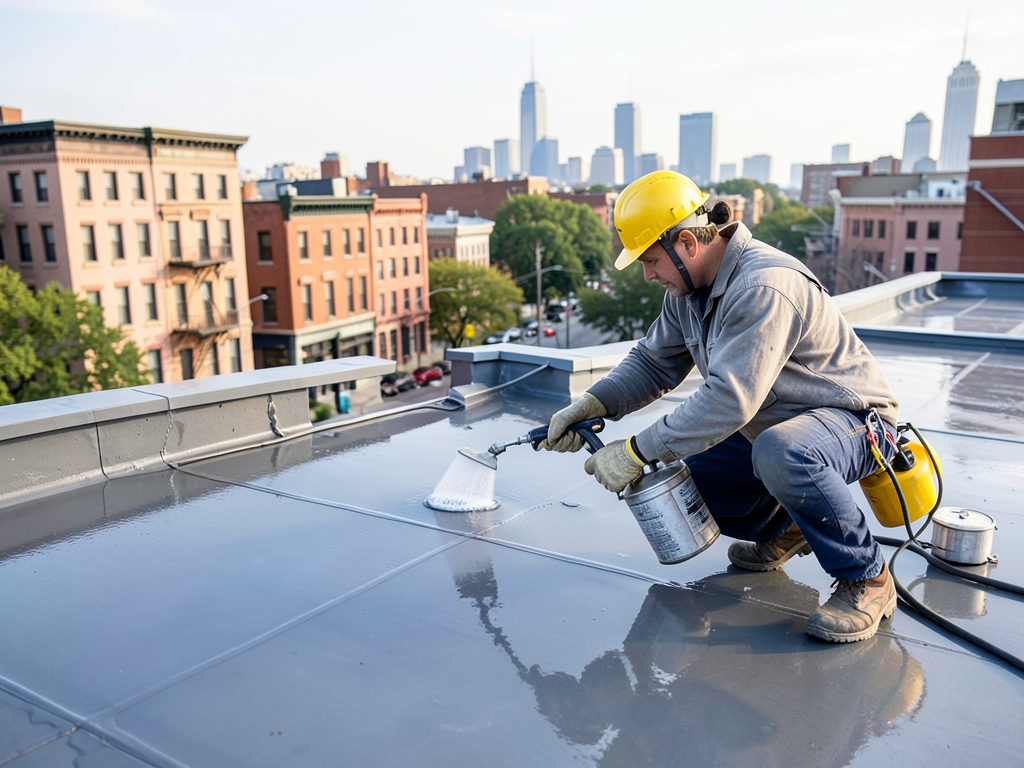
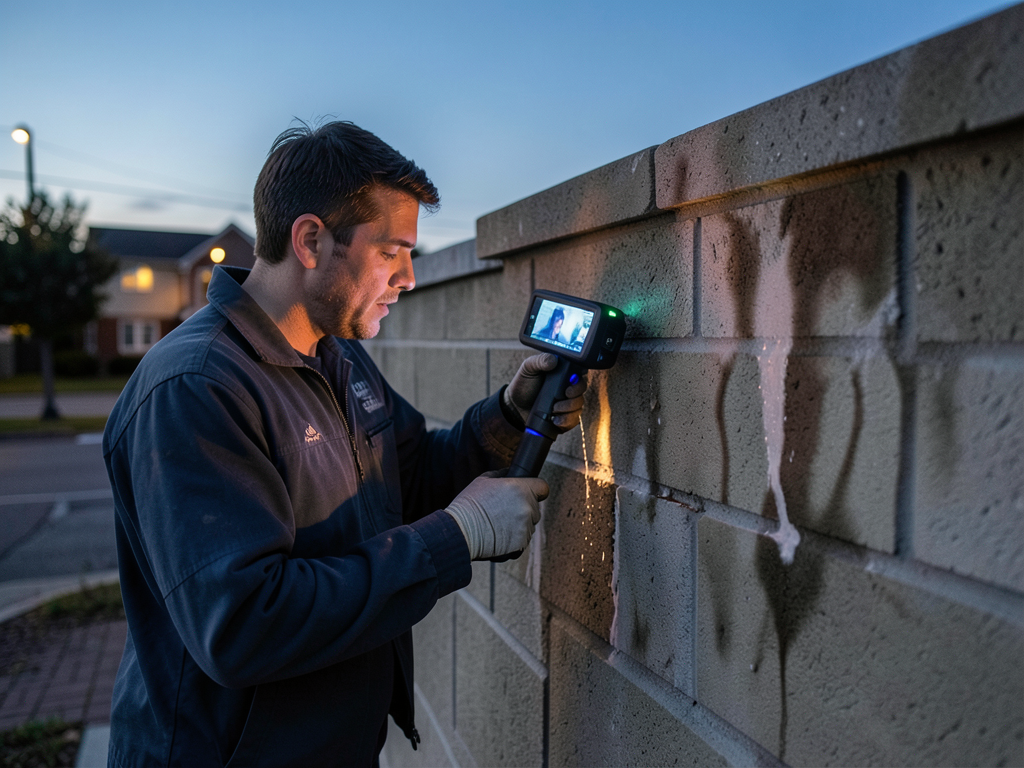
Roofing Services in The Washington DC Area

We are proud to serve the entire Washington DC metropolitan area, including all surrounding neighborhoods and communities. Our central location allows us to dispatch our expert teams quickly for emergency repairs or scheduled consultations. Whether you're in Dupont Circle, Georgetown, Capitol Hill, or beyond, we bring premier, trustworthy roofing services directly to your doorstep. View our service area map below to confirm we cover your specific location and then call us to get started on your project.

Address:
Ace Roofing Washington DC, 20 F St NW, Washington, DC, 20001

Additional Services We Offer

Our news updates

Latest Articles & News from The Blogs

How City Pollution and Soot Wear Down Roofs in Busy Areas Like Thomas Circle\n\nYour roof takes the brunt of Washington…

How City Pollution and Soot Wear Down Roofs in Busy Areas Like Thomas Circle

How City Pollution and Soot Wear Down Roofs in Busy Areas Like Thomas Circle\n\nYour roof takes the brunt of Washington…

Hidden Structural Issues Often Found Under the Roofs of Striver's Section Victorians

Hidden Structural Issues Often Found Under the Roofs of Striver’s Section Victorians Victorian homes in Washington DC’s Striver’s Section carry…

Sealing Your Leaky Roof Hatch to Save Money on Energy in Near Northeast

Sealing Your Leaky Roof Hatch to Save Money on Energy in Near Northeast Living in Near Northeast means dealing with…

Contact Us

Every hour you wait increases repair costs and water damage risk. Call Ace Roofing Washington DC now at (771) 240-3300 for immediate emergency wind roof repair. We dispatch crews 24/7 to secure your property and begin permanent repairs fast.