
The Importance of Healthy Soffit and Fascia Boards for Homes in Benning Ridge
Moisture damage starts where you can’t see it. The soffit and fascia boards along your Benning Ridge home’s eaves protect your attic from rain, pests, and rot. When these components fail, water seeps behind your siding, carpenter ants tunnel through damp wood, and your energy bills climb as ventilation breaks down. Healthy soffit and fascia boards keep your home dry, pest-free, and structurally sound.. Read more about Improving Energy Efficiency with Modern Skylight Installations in Glover Park.
Benning Ridge’s humid summers and occasional winter freeze-thaw cycles create perfect conditions for wood rot. The neighborhood’s mix of mid-century brick colonials and frame homes means many properties have aging soffit and fascia that need inspection before small problems become expensive repairs. How to Get Your Roof Ready for a DC Winter in Chevy Chase.
Signs Your Benning Ridge Home Needs Soffit or Fascia Repair
Wood rot shows clear warning signs. Paint peels away in sheets. You press a screwdriver into the board and it sinks in easily. Gray powder appears near joints from carpenter ant activity. These are not cosmetic issues. They signal structural weakness that spreads to rafters and sheathing.
Gutter problems often point to fascia damage. When gutters sag or pull away from the roofline, the mounting brackets tear out of rotted wood. Water overflows behind the gutter and soaks the fascia board. The cycle continues until the entire system fails.
Pest infestations leave distinct evidence. Carpenter ants create smooth tunnels through damp wood. Squirrels chew through rotted soffit to nest in attics. You hear scratching in walls or find droppings in the attic. These animals don’t just damage wood. They compromise your home’s insulation and create fire hazards by chewing wires.
Material Options for Benning Ridge Architecture
Wood remains the traditional choice for historic DC homes. Cedar and redwood resist rot naturally but cost more than pine. Wood accepts paint well and matches existing trim on older homes. The downside is maintenance. Wood needs repainting every five to seven years and replacement when rot sets in. DC Historic Preservation Review Board (HPRB).
Aluminum offers durability with minimal upkeep. It won’t rot or warp and resists insect damage. Modern aluminum comes in baked-on colors that last years without fading. The material works well for homes with existing aluminum trim or where low maintenance matters most. The Best Flat Roof Maintenance Tips for Petworth Homeowners.
Vinyl provides the lowest maintenance option. It never needs painting and resists moisture damage completely. Vinyl expands and contracts with temperature changes, which can cause warping in extreme conditions. The material suits modern homes and replacement projects where appearance matters less than function. The Real Cost of a Roof Replacement for Washington DC Homeowners.
Fiber cement combines wood’s appearance with superior durability. James Hardie products resist fire, rot, and insects while accepting paint like wood. The material costs more upfront but lasts decades with minimal maintenance. Fiber cement works especially well in Benning Ridge’s climate where humidity and occasional storms test building materials.
The Role of Soffit Ventilation in DC Climate
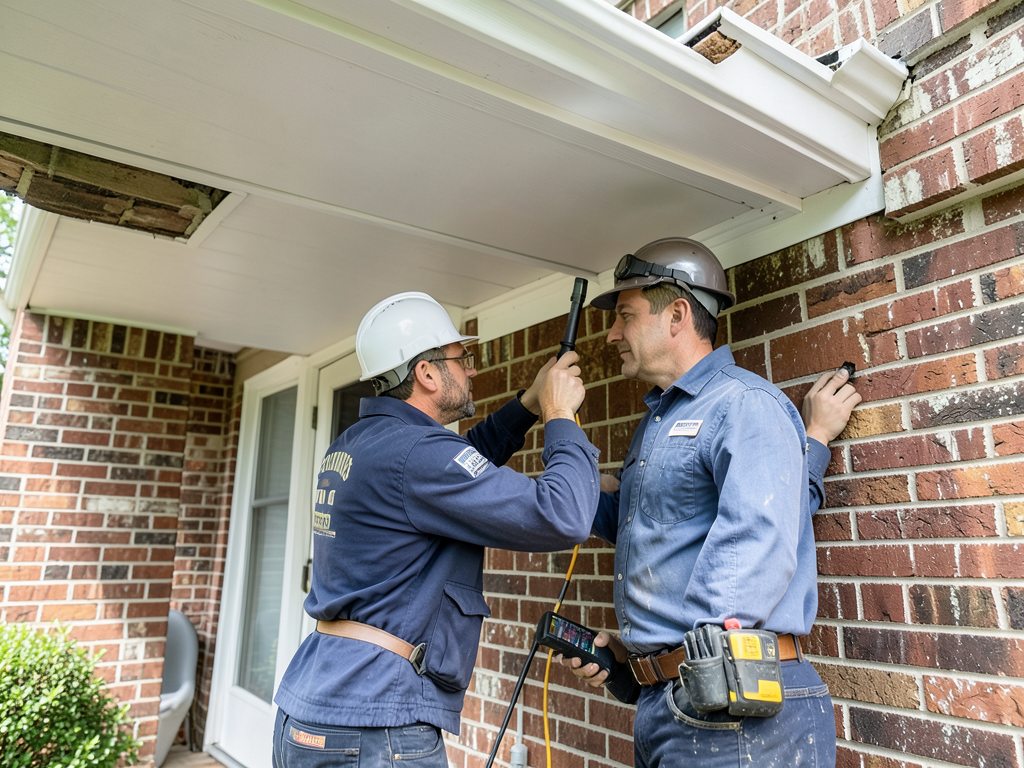
Proper attic ventilation prevents ice dams in winter and reduces cooling costs in summer. Soffit vents draw cool air into the attic while ridge vents or gable vents allow hot air to escape. This continuous airflow keeps attic temperatures closer to outdoor temperatures, reducing the risk of snow melting and refreezing at the eaves.
DC building codes require minimum ventilation ratios. The International Residential Code Section R806.2 mandates one square foot of net free ventilation area for every 150 square feet of attic floor space. Homes with balanced intake and exhaust systems can use a 1:300 ratio instead. These requirements ensure adequate airflow to prevent moisture buildup and heat accumulation. International Residential Code Section R806.2.
Ice dams form when warm attic air melts snow on the roof. Water runs down to the cold eaves and refreezes, creating a dam that backs up under shingles. Proper soffit ventilation keeps the roof deck cold, preventing this cycle. Without it, water penetrates the roof and causes interior damage.
DC Historic District Compliance for Soffit and Fascia
Benning Ridge falls within DC’s historic preservation guidelines. The Historic Preservation Review Board (HPRB) requires that exterior alterations maintain the character of the neighborhood. For soffit and fascia replacement, this often means using wood materials and traditional profiles that match existing trim. Navigating Historic Preservation Roofing Rules in Dupont Circle.
HPRB applications require detailed drawings showing existing conditions and proposed materials. The board reviews projects to ensure new work doesn’t alter the building’s historic appearance. This process can add weeks to project timelines but protects the architectural integrity of historic neighborhoods.
Working with a contractor familiar with HPRB requirements prevents delays and rejections. They know which materials and profiles meet approval standards and can prepare applications that satisfy the board’s requirements. This expertise proves valuable when dealing with the district’s aging housing stock.
Common Rot Patterns in Benning Ridge Homes
Benning Ridge’s soil contains high clay content that affects foundation drainage. Poor drainage near the foundation leads to splash-back on siding and soffits. Water hits the ground and bounces onto lower walls, where it soaks into wood trim. This pattern creates rot starting at the bottom of fascia boards and working upward.
The neighborhood’s mature trees drop leaves and debris that clog gutters. When gutters overflow, water cascades down the fascia boards. The constant moisture exposure accelerates wood rot, especially at gutter attachment points. Regular gutter cleaning prevents this damage pattern.
Older homes in the area often lack proper flashing at roof-to-wall intersections. Without flashing, water penetrates behind siding and reaches soffit boards from above. This hidden moisture damage progresses until the wood fails completely. Installing proper flashing during repairs prevents recurrence.
Repair Process for Damaged Soffit and Fascia
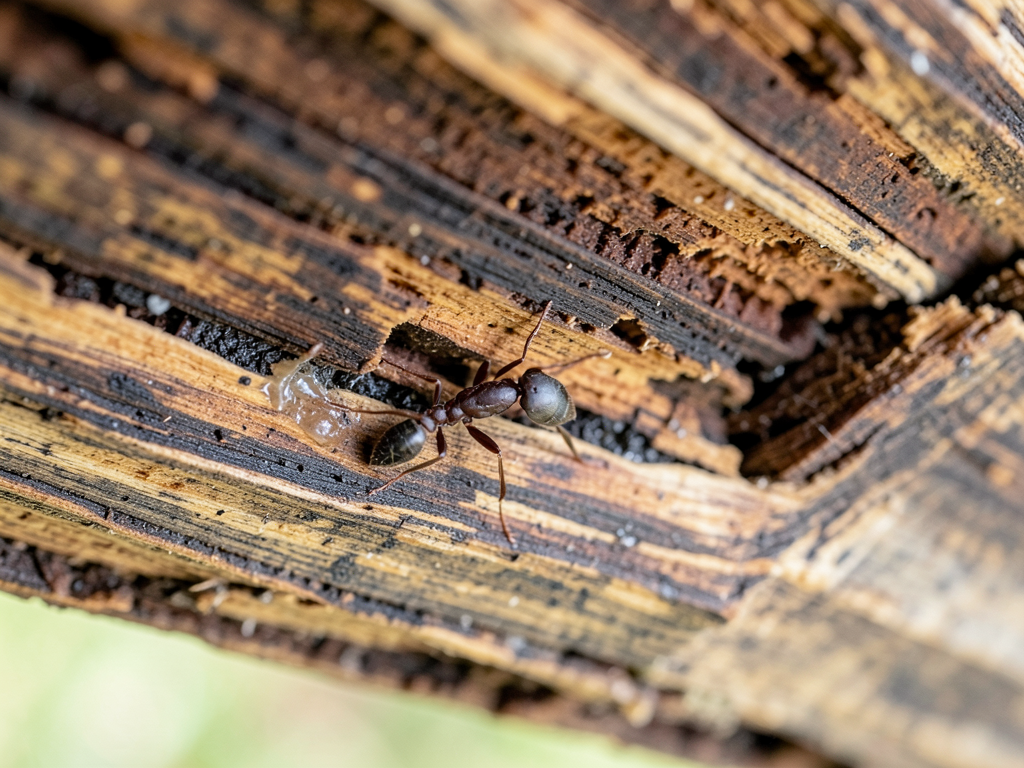
Inspection starts with checking for soft spots using a screwdriver test. Press the tool into wood at several points. If it penetrates easily, the wood is rotted. Check for termite tubes, carpenter ant galleries, and signs of water damage like staining or warping.
Removal requires cutting out damaged sections cleanly. For fascia, this means removing the affected board back to solid wood at rafters. Soffit removal often reveals additional damage to the plywood underlayment. Replace all compromised materials, not just the visibly rotted sections.
Structural reinforcement follows removal. Install new wood blocking where needed to support replacement boards. For fascia, sister new lumber to existing rafters if the originals are damaged. This ensures the new trim has adequate support for gutters and wind loads.
Installation uses pressure-treated lumber for ground contact areas and rot-resistant species for exposed locations. Apply primer to all six sides of wood boards before installation. This seals the material against moisture penetration. Install proper flashing at all roof-to-wall intersections.
Finishing includes two coats of high-quality exterior paint. Paint seals the wood and provides UV protection. For aluminum or vinyl, ensure proper fastening to allow thermal expansion without warping. Caulk all joints with exterior-grade sealant to prevent water infiltration.
Preventing Future Damage in Benning Ridge
Annual inspections catch problems early. Check soffit and fascia each spring for signs of damage. Look for peeling paint, soft spots, pest activity, and separation at joints. Early detection means minor repairs instead of complete replacement.
Gutter maintenance prevents most fascia damage. Clean gutters twice yearly, in spring and fall. Remove leaves, twigs, and debris that cause clogs. Check that downspouts direct water at least five feet from the foundation. Consider installing gutter guards to reduce maintenance needs.
Tree management reduces debris accumulation. Trim branches that overhang the roof to minimize leaf drop. Keep trees at least ten feet from the house to prevent squirrels from jumping onto the roof. Remove dead trees that could fall and damage the roof structure.
Moisture control starts with proper grading. Soil should slope away from the foundation at least six inches over ten feet. This prevents water from pooling near the house and splashing onto soffits. Extend downspouts and use splash blocks to direct water away from the foundation.
Cost Factors for Soffit and Fascia Repair in DC
Material selection drives repair costs. Wood costs less upfront but requires ongoing maintenance. Aluminum and vinyl cost more initially but save money over time through reduced maintenance. Fiber cement falls in the middle range but offers the best long-term value for most homeowners.
Accessibility affects labor costs. Single-story homes cost less to repair than two-story homes requiring scaffolding or ladders. Roof pitch also matters. Steep roofs require additional safety equipment and slow the work process, increasing labor time.
Extent of damage determines total project scope. Minor rot affecting small sections costs less than widespread damage requiring complete replacement. Hidden damage discovered during removal can increase costs significantly. Always budget for potential additional repairs.
Historic district requirements add administrative costs. HPRB application fees and the need for specialized materials increase project expenses. However, these requirements protect property values by maintaining neighborhood character.
Frequently Asked Questions
How long do soffit and fascia boards typically last?
Quality wood soffit and fascia last 15-20 years with proper maintenance. Aluminum and vinyl can last 30-40 years or more. Fiber cement products often exceed 50 years of service life when properly installed.
Can I replace just the damaged sections?
Spot repairs work for isolated damage. However, if rot affects multiple areas or the material is near the end of its lifespan, complete replacement proves more cost-effective long-term.
Will new soffit and fascia improve my home’s energy efficiency?
Yes. Proper ventilation through new soffit vents can reduce attic temperatures by 20-30 degrees in summer. This decreases cooling costs and extends roof shingle life by preventing heat damage.
Do I need permits for soffit and fascia replacement?
Most DC jurisdictions require permits for structural repairs. Work in historic districts requires HPRB approval regardless of permit requirements. Your contractor should handle permit applications as part of the project.
How do I know if my soffit has proper ventilation?
Look for small vents along the soffit underside. Count the vents and compare to your attic’s square footage. A qualified contractor can measure ventilation and recommend improvements if needed.
Protect Your Benning Ridge Home Today
Don’t wait for water damage to spread through your walls. Soft soffit or sagging fascia signals problems that worsen with each rainfall. The humid DC climate accelerates wood rot, and pests find easy entry through damaged trim. A professional inspection today prevents thousands in repair costs tomorrow.
Call (771) 240-3300 today to schedule your inspection. Our team knows Benning Ridge’s unique challenges and can recommend the right materials for your home’s style and your budget. We handle everything from minor repairs to complete replacement, including HPRB compliance for historic properties.
Pick up the phone and call (771) 240-3300 before the next storm hits. Your home deserves protection that lasts through DC’s changing seasons.
- Visual Check
Walk around your home and look for peeling paint, sagging gutters, or visible rot on soffit and fascia boards.
- Physical Test
Press a screwdriver into wood trim at several points. Soft spots indicate rot that needs immediate attention.
- Pest Inspection
Look for termite tubes, carpenter ant galleries, or signs of animal entry like chewed wood or droppings.
- Gutter Assessment
Check if gutters sag or pull away from the fascia. This often indicates underlying wood damage.
- Professional Evaluation
Schedule a professional inspection to assess damage extent and recommend appropriate repair solutions.
{
“@context”: “https://schema.org”,
“@type”: “BlogPosting”,
“headline”: “The Importance of Healthy Soffit and Fascia Boards for Homes in Benning Ridge”,
“description”: “Protect your Benning Ridge home from moisture damage. Learn how healthy soffit and fascia boards prevent rot, pests, and costly repairs. Call (771) 240-3300 for expert inspection.”,
“wordCount”: 1895,
“datePublished”: “2026-04-05T07:28:00.000Z”,
“dateModified”: “2026-04-05T07:28:00.000Z”,
“inLanguage”: “en-US”,
“mainEntityOfPage”: {
“@type”: “WebPage”,
“@id”: “https://aceroofingwashingtondc.com”
},
“publisher”: {
“@type”: “LocalBusiness”,
“name”: “Ace Roofing Washington DC”,
“url”: “https://aceroofingwashingtondc.com”
},
“author”: {
“@type”: “Organization”,
“name”: “Ace Roofing Washington DC”,
“url”: “https://aceroofingwashingtondc.com”
},
“image”: {
“@type”: “ImageObject”,
“url”: “https://aceroofingwashingtondc.com/wp-content/uploads/2026/03/the-importance-of-healthy-soffit-and-fascia-boards-1.png”
}
}
{
“@context”: “https://schema.org”,
“@type”: “RoofingContractor”,
“name”: “Ace Roofing Washington DC”,
“url”: “https://aceroofingwashingtondc.com”,
“address”: {
“@type”: “PostalAddress”,
“addressLocality”: “Washington DC”
},
“areaServed”: {
“@type”: “City”,
“name”: “Washington DC”
}
}
{
“@context”: “https://schema.org”,
“@type”: “FAQPage”,
“mainEntity”: [
{
“@type”: “Question”,
“name”: “How long do soffit and fascia boards typically last?”,
“acceptedAnswer”: {
“@type”: “Answer”,
“text”: “Quality wood soffit and fascia last 15-20 years with proper maintenance. Aluminum and vinyl can last 30-40 years or more. Fiber cement products often exceed 50 years of service life when properly installed.”
}
},
{
“@type”: “Question”,
“name”: “Can I replace just the damaged sections?”,
“acceptedAnswer”: {
“@type”: “Answer”,
“text”: “Spot repairs work for isolated damage. However, if rot affects multiple areas or the material is near the end of its lifespan, complete replacement proves more cost-effective long-term.”
}
},
{
“@type”: “Question”,
“name”: “Will new soffit and fascia improve my home’s energy efficiency?”,
“acceptedAnswer”: {
“@type”: “Answer”,
“text”: “Yes. Proper ventilation through new soffit vents can reduce attic temperatures by 20-30 degrees in summer. This decreases cooling costs and extends roof shingle life by preventing heat damage.”
}
},
{
“@type”: “Question”,
“name”: “How do I know if my soffit has proper ventilation?”,
“acceptedAnswer”: {
“@type”: “Answer”,
“text”: “Look for small vents along the soffit underside. Count the vents and compare to your attic’s square footage. A qualified contractor can measure ventilation and recommend improvements if needed.”
}
}
]
}
{
“@context”: “https://schema.org”,
“@type”: “HowTo”,
“name”: “How to Inspect Your Soffit and Fascia”,
“step”: [
{
“@type”: “HowToStep”,
“position”: 1,
“name”: “Visual Check”,
“text”: “Walk around your home and look for peeling paint, sagging gutters, or visible rot on soffit and fascia boards.”
},
{
“@type”: “HowToStep”,
“position”: 2,
“name”: “Physical Test”,
“text”: “Press a screwdriver into wood trim at several points. Soft spots indicate rot that needs immediate attention.”
},
{
“@type”: “HowToStep”,
“position”: 3,
“name”: “Pest Inspection”,
“text”: “Look for termite tubes, carpenter ant galleries, or signs of animal entry like chewed wood or droppings.”
},
{
“@type”: “HowToStep”,
“position”: 4,
“name”: “Gutter Assessment”,
“text”: “Check if gutters sag or pull away from the fascia. This often indicates underlying wood damage.”
},
{
“@type”: “HowToStep”,
“position”: 5,
“name”: “Professional Evaluation”,
“text”: “Schedule a professional inspection to assess damage extent and recommend appropriate repair solutions.”
}
],
“image”: “https://aceroofingwashingtondc.com/wp-content/uploads/2026/03/the-importance-of-healthy-soffit-and-fascia-boards-1.png”
}
{
“@context”: “https://schema.org”,
“@type”: “BreadcrumbList”,
“itemListElement”: [
{
“@type”: “ListItem”,
“position”: 1,
“name”: “Home”,
“item”: “https://aceroofingwashingtondc.com”
},
{
“@type”: “ListItem”,
“position”: 2,
“name”: “Blog”,
“item”: “https://aceroofingwashingtondc.com/blog”
},
{
“@type”: “ListItem”,
“position”: 3,
“name”: “The Importance of Healthy Soffit and Fascia Boards for Homes in Benning Ridge”
}
]
}
{
“@context”: “https://schema.org”,
“@type”: “Service”,
“serviceType”: “Roofing”,
“provider”: {
“@type”: “LocalBusiness”,
“name”: “Ace Roofing Washington DC”,
“url”: “https://aceroofingwashingtondc.com”
},
“areaServed”: {
“@type”: “City”,
“name”: “Washington DC”
},
“description”: “Protect your Benning Ridge home from moisture damage. Learn how healthy soffit and fascia boards prevent rot, pests, and costly repairs. Call (771) 240-3300 for expert inspection.”
}