
Common Roofing Problems Found in Renovated Eckington Victorians
Eckington’s historic Victorian rowhouses, built between 1880 and 1920, present unique roofing challenges that many homeowners discover only after renovation. The combination of aging materials, architectural complexity, and Washington DC’s climate creates a perfect storm for roofing failures. Understanding these common problems can save you thousands in emergency repairs and preserve the architectural integrity of your home. DC Municipal Regulations Chapter 12A.
Victorian Roof Architecture Creates Hidden Vulnerabilities
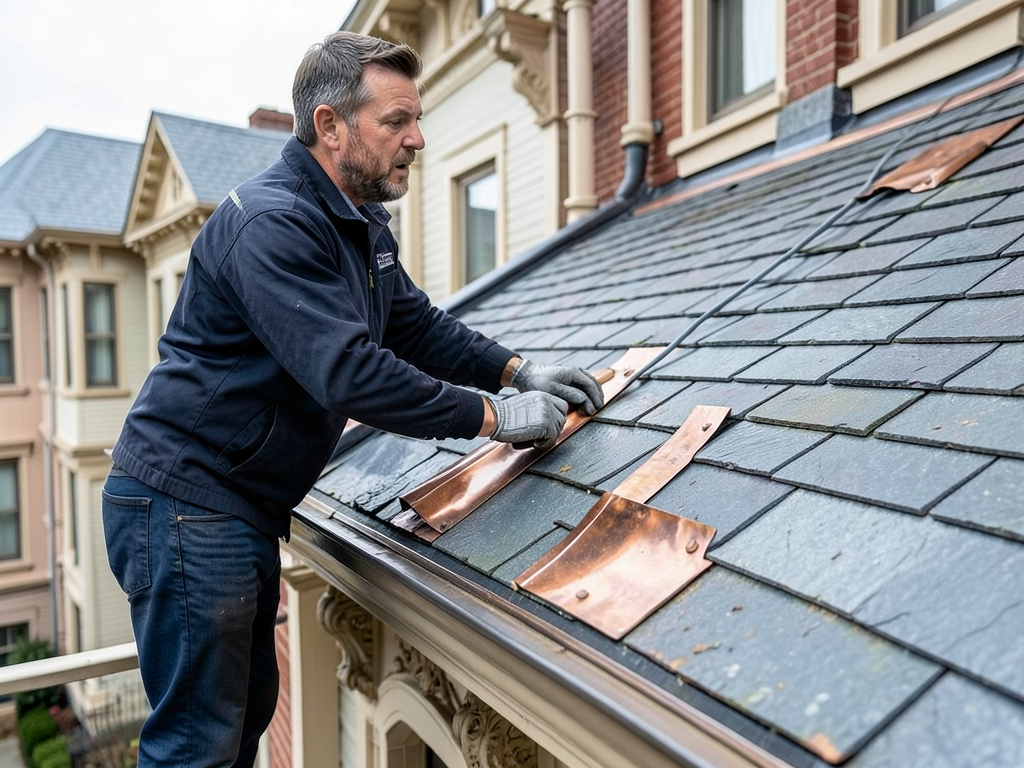
Eckington’s Victorian homes feature distinctive architectural elements that create specific roofing challenges. Turrets, mansard roofs, and intricate dormer windows require specialized flashing and ventilation systems that often fail after decades of service. The decorative slate patterns, while beautiful, can hide underlying water damage until it becomes severe.. Read more about Roofing Your New DC Carriage House or Backyard ADU.
The primary issue stems from the age of these structures. Many Eckington Victorians have original roofing components that have exceeded their 50-70 year lifespan. The mortar between slate tiles becomes brittle, copper flashing corrodes at the seams, and the wooden substrate beneath develops dry rot from repeated freeze-thaw cycles.
Common Problems Specific to Eckington’s Victorian Homes
Failed Valley Flashing in Complex Roof Lines
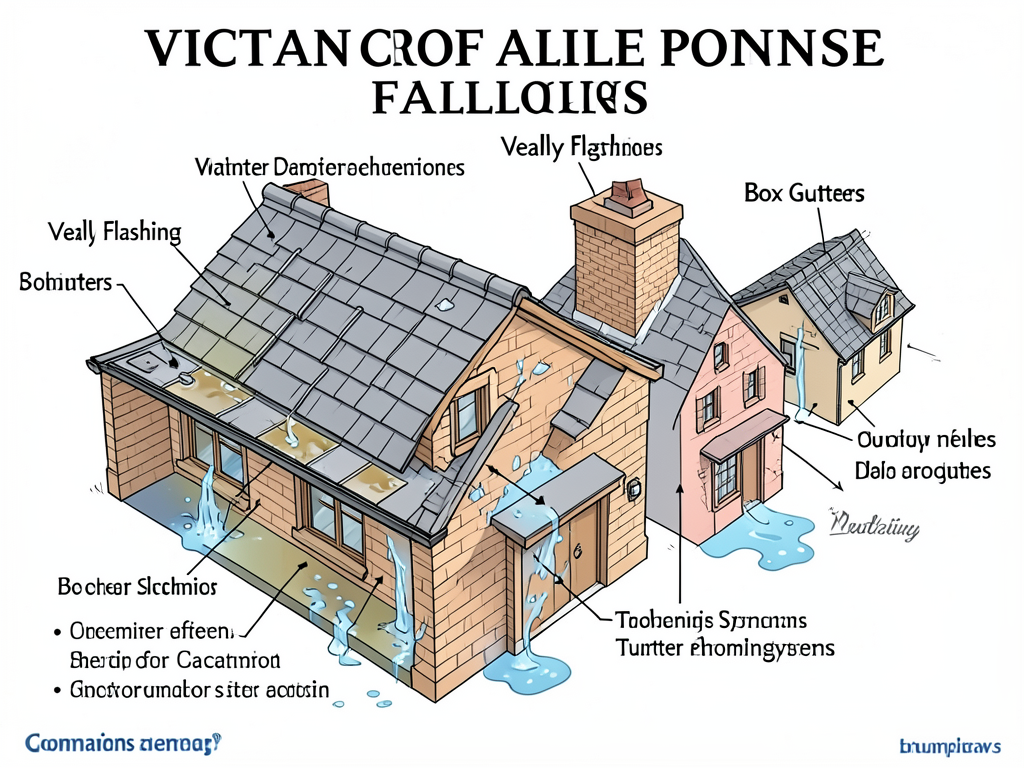
Victorian roof designs create multiple valleys where different roof planes meet. In Eckington’s older homes, these valleys often use lead or copper flashing that deteriorates from acid rain and temperature fluctuations. The flashing becomes brittle and cracks, allowing water to penetrate beneath the roofing material.
During heavy rain, water flows rapidly through these valleys and exploits even tiny gaps in the flashing. The water then travels along the roof deck, often appearing as stains on interior walls far from the actual entry point. This makes diagnosis difficult for homeowners who don’t understand the path water takes through complex roof structures.
Deteriorating Slate Tile Systems
Many Eckington Victorians feature natural slate roofing, prized for its durability and aesthetic appeal. However, slate requires specific installation techniques and regular maintenance that many homeowners overlook. The nails securing slate tiles to the roof deck can corrode, causing tiles to slip or break free during wind storms. The Best Flat Roof Maintenance Tips for Petworth Homeowners.
The weight of slate also creates structural stress on aging roof decks. Original 2×4 rafters spaced 24 inches apart may not meet current building code requirements for slate loads. This can lead to sagging roof lines and cracked tiles that allow water infiltration.
Box Gutter Failures
Victorian homes often feature internal box gutters built into the roof structure rather than traditional exterior gutters. These concealed systems can trap debris and ice, leading to overflow and water damage to fascia boards and soffits. In Eckington’s mature tree canopy, falling leaves compound this problem seasonally.
The wooden components of box gutters rot from constant moisture exposure. When these systems fail, water can back up under roofing materials and damage interior walls and ceilings. The hidden nature of box gutters means problems often go unnoticed until significant damage occurs.
Climate-Specific Challenges for Eckington Roofs
Freeze-Thaw Damage Cycles
Washington DC’s climate creates unique challenges for Victorian roofing systems. The region experiences approximately 20 freeze-thaw cycles annually, where temperatures fluctuate above and below freezing. This causes roofing materials to expand and contract, breaking down sealants and creating gaps in flashing joints. The Real Cost of a Roof Replacement for Washington DC Homeowners.
During winter months, ice dams form when heat escapes through the roof, melting snow that refreezes at the eaves. This creates pools of water that back up under shingles and flashing. Victorian homes often have inadequate attic insulation, exacerbating this problem and leading to interior water damage. How to Get Your Roof Ready for a DC Winter in Chevy Chase.
High Humidity and Algae Growth
Eckington’s humid summers promote algae and moss growth on roofing surfaces. While these organisms may seem cosmetic, they retain moisture against roofing materials, accelerating deterioration. Algae can lift shingle edges and create channels for water infiltration during heavy rains.
The combination of humidity and urban pollution creates acidic conditions that corrode metal flashing and deteriorate asphalt-based roofing materials. This is particularly problematic for Victorian homes with mixed roofing systems combining slate, metal, and asphalt components. Metal Roof vs Asphalt Shingles Cost.
Diagnostic Testing for Victorian Roof Problems
- Visual Exterior Assessment
Examine roof from ground level for missing or damaged tiles, sagging areas, and visible flashing deterioration. Look for dark streaks indicating algae growth or rust spots on metal components.
- Interior Moisture Testing
Check attic spaces for water stains, mold growth, and proper ventilation. Use a moisture meter to detect hidden water damage in roof decking and support structures.
- Flashing and Sealant Inspection
Physically examine all flashing joints, chimney cricket flashing, and vent pipe seals. Look for cracks, gaps, or separation that allows water infiltration.
- Structural Assessment
Check for sagging roof lines, uneven decking, and signs of structural stress. Use a level to identify areas where the roof plane has shifted from its original position.
DC Building Code Requirements for Victorian Roof Repairs
DC Municipal Regulations (DCMR) Chapter 12A establishes specific requirements for roofing work in historic districts like Eckington. The Historic Preservation Office (HPO) requires that any visible roofing work maintain the character-defining features of Victorian architecture. This includes using materials that match the original construction or approved alternatives. Navigating Historic Preservation Roofing Rules in Dupont Circle.
According to DCMR 12A-303, roofing replacements in historic districts must preserve original roof slopes, materials, and decorative elements. The code requires documentation of existing conditions and approval of replacement materials before work begins. This process can extend project timelines but ensures compliance with preservation standards.
The International Building Code (IBC) Section 1507 also applies to Victorian roof repairs, requiring minimum design loads for snow and wind that may exceed original construction standards. This means some Victorian homes need structural reinforcement before installing new roofing materials. International Building Code Section 1507.
Prevention and Maintenance Strategies
Seasonal Maintenance Schedule
Implementing a regular maintenance schedule can prevent many common Victorian roofing problems. Spring inspections should focus on winter damage assessment and debris removal from valleys and gutters. Fall maintenance should prepare the roof for winter by clearing leaves and checking flashing integrity.
Annual professional inspections can identify potential problems before they become emergencies. A qualified roofing contractor familiar with Victorian architecture can spot early warning signs like loose tiles, deteriorating flashing, or ventilation issues that homeowners might miss.
Material Selection for Repairs
When repairs are necessary, selecting appropriate materials is crucial for Victorian homes. Natural slate remains the gold standard for authenticity but requires specialized installation skills. Synthetic slate offers a more affordable alternative while maintaining the visual appearance of traditional materials.
For flashing repairs, copper remains the preferred material for Victorian homes due to its durability and ability to develop a patina that matches historic roofing systems. However, modern alternatives like lead-coated copper or stainless steel may offer better performance in certain applications.
When to Call a Professional
Certain signs indicate immediate need for professional roofing assessment. Water stains on interior ceilings or walls, visible sagging in roof lines, or missing tiles after wind storms all warrant prompt attention. The complexity of Victorian roof systems makes DIY repairs risky and potentially damaging to historic materials.
Professional roofers experienced with Victorian architecture understand the importance of preserving decorative elements while ensuring structural integrity. They can navigate the permitting process for historic districts and recommend solutions that balance authenticity with modern performance requirements.
Protecting Your Victorian Investment
Eckington’s Victorian homes represent significant architectural and financial investments. Understanding common roofing problems and implementing preventive maintenance can protect these assets for generations. The key is recognizing that Victorian roofing systems require specialized knowledge and cannot be treated as simple residential roofs.
Working with contractors who understand both the technical requirements of modern roofing and the preservation standards for historic architecture ensures successful repairs that maintain your home’s character while providing reliable protection from the elements.
Frequently Asked Questions
How often should I have my Victorian roof inspected?
Victorian roofs should receive professional inspection every two years, with seasonal visual checks by homeowners. Annual inspections are recommended for homes over 75 years old or those with known roofing issues.
Can I replace my slate roof with asphalt shingles?
Replacing slate with asphalt shingles in Eckington’s historic district typically requires HPO approval and may not be permitted if slate is a character-defining feature. Even with approval, structural modifications may be necessary due to weight differences.
What’s the average lifespan of a Victorian roof in DC?
Properly maintained slate roofs can last 75-100 years, while copper flashing systems typically last 50-70 years. Asphalt components may need replacement every 20-30 years. The actual lifespan depends on maintenance, climate exposure, and original construction quality.
How much does Victorian roof repair typically cost?
Victorian roof repairs range from $500 for minor flashing repairs to $15,000+ for extensive slate replacement. The complexity of the roof design and need for specialized materials and skills significantly impacts costs.
Will my insurance cover Victorian roof repairs?
Most homeowner’s insurance policies cover sudden damage from storms or fallen trees but may exclude gradual deterioration of aging roofing systems. Historic preservation riders may be available to help with authentic material replacements.
Call (771) 240-3300 today to schedule your Victorian roof inspection. Don’t wait until small problems become major emergencies that threaten your home’s structural integrity and historic character.
Pick up the phone and call (771) 240-3300 before the next storm hits. Our Victorian roofing specialists understand the unique challenges of Eckington’s historic homes and can provide solutions that preserve your home’s architectural heritage while ensuring modern performance.
{
“@context”: “https://schema.org”,
“@type”: “BlogPosting”,
“headline”: “Common Roofing Problems Found in Renovated Eckington Victorians”,
“description”: “Discover the most common roofing issues in Eckington’s historic Victorian homes. Learn to identify warning signs and protect your investment with expert local knowledge.”,
“wordCount”: 1592,
“datePublished”: “2026-04-18T12:29:00.000Z”,
“dateModified”: “2026-04-18T12:29:00.000Z”,
“inLanguage”: “en-US”,
“mainEntityOfPage”: {
“@type”: “WebPage”,
“@id”: “https://aceroofingwashingtondc.com”
},
“publisher”: {
“@type”: “LocalBusiness”,
“name”: “Ace Roofing Washington DC”,
“url”: “https://aceroofingwashingtondc.com”
},
“author”: {
“@type”: “Organization”,
“name”: “Ace Roofing Washington DC”,
“url”: “https://aceroofingwashingtondc.com”
},
“image”: {
“@type”: “ImageObject”,
“url”: “https://aceroofingwashingtondc.com/wp-content/uploads/2026/03/common-roofing-problems-found-in-renovated-eckingt-1.png”
}
}
{
“@context”: “https://schema.org”,
“@type”: “RoofingContractor”,
“name”: “Ace Roofing Washington DC”,
“url”: “https://aceroofingwashingtondc.com”,
“address”: {
“@type”: “PostalAddress”,
“addressLocality”: “Washington DC”
},
“areaServed”: {
“@type”: “City”,
“name”: “Washington DC”
}
}
{
“@context”: “https://schema.org”,
“@type”: “FAQPage”,
“mainEntity”: [
{
“@type”: “Question”,
“name”: “How often should I have my Victorian roof inspected?”,
“acceptedAnswer”: {
“@type”: “Answer”,
“text”: “Victorian roofs should receive professional inspection every two years, with seasonal visual checks by homeowners. Annual inspections are recommended for homes over 75 years old or those with known roofing issues.”
}
},
{
“@type”: “Question”,
“name”: “Can I replace my slate roof with asphalt shingles?”,
“acceptedAnswer”: {
“@type”: “Answer”,
“text”: “Replacing slate with asphalt shingles in Eckington’s historic district typically requires HPO approval and may not be permitted if slate is a character-defining feature. Even with approval, structural modifications may be necessary due to weight differences.”
}
},
{
“@type”: “Question”,
“name”: “What’s the average lifespan of a Victorian roof in DC?”,
“acceptedAnswer”: {
“@type”: “Answer”,
“text”: “Properly maintained slate roofs can last 75-100 years, while copper flashing systems typically last 50-70 years. Asphalt components may need replacement every 20-30 years. The actual lifespan depends on maintenance, climate exposure, and original construction quality.”
}
},
{
“@type”: “Question”,
“name”: “How much does Victorian roof repair typically cost?”,
“acceptedAnswer”: {
“@type”: “Answer”,
“text”: “Victorian roof repairs range from $500 for minor flashing repairs to $15,000+ for extensive slate replacement. The complexity of the roof design and need for specialized materials and skills significantly impacts costs.”
}
},
{
“@type”: “Question”,
“name”: “Will my insurance cover Victorian roof repairs?”,
“acceptedAnswer”: {
“@type”: “Answer”,
“text”: “Most homeowner’s insurance policies cover sudden damage from storms or fallen trees but may exclude gradual deterioration of aging roofing systems. Historic preservation riders may be available to help with authentic material replacements.”
}
}
]
}
{
“@context”: “https://schema.org”,
“@type”: “HowTo”,
“name”: “How to Inspect a Victorian Roof”,
“step”: [
{
“@type”: “HowToStep”,
“position”: 1,
“name”: “Visual Exterior Assessment”,
“text”: “Examine roof from ground level for missing or damaged tiles, sagging areas, and visible flashing deterioration. Look for dark streaks indicating algae growth or rust spots on metal components.”
},
{
“@type”: “HowToStep”,
“position”: 2,
“name”: “Interior Moisture Testing”,
“text”: “Check attic spaces for water stains, mold growth, and proper ventilation. Use a moisture meter to detect hidden water damage in roof decking and support structures.”
},
{
“@type”: “HowToStep”,
“position”: 3,
“name”: “Flashing and Sealant Inspection”,
“text”: “Physically examine all flashing joints, chimney cricket flashing, and vent pipe seals. Look for cracks, gaps, or separation that allows water infiltration.”
},
{
“@type”: “HowToStep”,
“position”: 4,
“name”: “Structural Assessment”,
“text”: “Check for sagging roof lines, uneven decking, and signs of structural stress. Use a level to identify areas where the roof plane has shifted from its original position.”
}
],
“image”: “https://aceroofingwashingtondc.com/wp-content/uploads/2026/03/common-roofing-problems-found-in-renovated-eckingt-1.png”
}
{
“@context”: “https://schema.org”,
“@type”: “BreadcrumbList”,
“itemListElement”: [
{
“@type”: “ListItem”,
“position”: 1,
“name”: “Home”,
“item”: “https://aceroofingwashingtondc.com”
},
{
“@type”: “ListItem”,
“position”: 2,
“name”: “Blog”,
“item”: “https://aceroofingwashingtondc.com/blog”
},
{
“@type”: “ListItem”,
“position”: 3,
“name”: “Common Roofing Problems Found in Renovated Eckington Victorians”
}
]
}
{
“@context”: “https://schema.org”,
“@type”: “Service”,
“serviceType”: “Roofing”,
“provider”: {
“@type”: “LocalBusiness”,
“name”: “Ace Roofing Washington DC”,
“url”: “https://aceroofingwashingtondc.com”
},
“areaServed”: {
“@type”: “City”,
“name”: “Washington DC”
},
“description”: “Discover the most common roofing issues in Eckington’s historic Victorian homes. Learn to identify warning signs and protect your investment with expert local knowledge.”
}