
Keeping the Classic Front Porch Roof on Your Takoma DC Home in Great Shape
Your Takoma DC home’s front porch is more than just an entrance. It is a defining architectural feature that welcomes you and your neighbors. That charming porch roof needs specialized care to withstand Washington DC’s unique climate and preserve your home’s historic character. This guide covers everything you need to know about maintaining your Takoma porch roof from common local issues to proper repair techniques that keep your entrance looking beautiful for years to come. DC Department of Buildings.
Understanding Takoma’s Classic Porch Architecture
Takoma Park’s historic homes feature distinctive front porch designs that reflect early 20th-century craftsmanship. Most porches here use either flat EPDM roofing systems or traditional standing seam metal roofs. Both handle Washington’s weather patterns differently than standard sloped roofs. Historic Preservation Review Board.
The flat porch roofs common in Takoma require special attention because they collect water during heavy rains and can develop ponding issues. Standing seam metal roofs while more durable need proper flashing around columns and walls to prevent leaks. Understanding your porch roof’s specific construction is the first step to proper maintenance. The Best Flat Roof Maintenance Tips for Petworth Homeowners.
Many Takoma porches also feature integrated gutter systems that channel water away from the foundation. These built-in gutters can clog with leaves and debris causing water to back up under roofing materials. Regular cleaning prevents this common failure point.
Local soil conditions in Takoma’s 20912 zip code area create unique drainage challenges. The clay-heavy soil expands when wet and contracts when dry. This movement puts stress on porch foundations and can cause subtle shifting that leads to roof leaks over time.
A technical diagram showing different porch roof types found in Takoma DC homes including flat EPDM systems and standing seam metal roofs with proper flashing details.
Common Porch Roof Problems in Washington DC’s Climate
Washington DC’s climate creates unique challenges for porch roofs. High humidity levels during summer months promote algae and moss growth on shaded surfaces. The freeze-thaw cycles in winter cause roofing materials to expand and contract potentially creating gaps in seams and flashing. DC Construction Codes Supplement.
Water damage often starts small but spreads quickly. A tiny leak can saturate wood decking causing it to rot from the inside out. By the time you notice water stains on your porch ceiling the damage may already be extensive. Regular inspections catch problems early when repairs cost less. How to Get Your Roof Ready for a DC Winter in Chevy Chase.
Wind damage is another concern during summer thunderstorms. Loose flashing or deteriorated roofing materials can allow wind-driven rain to penetrate your porch roof. After severe weather check for lifted edges or missing fasteners that could lead to bigger problems.
Structural issues sometimes develop in older porches. Sagging occurs when support beams weaken or when the roof deck becomes waterlogged. You might notice a dip in the roof surface or see water pooling in certain areas after rain. These signs indicate it’s time for professional evaluation.
The Screwdriver Test helps diagnose wood rot. Press a screwdriver into suspicious areas. If it sinks easily the wood has lost its structural integrity. This simple test can reveal hidden damage before it becomes visible from above.
DC Building Codes and Historic Preservation Requirements
Maintaining a porch roof in Takoma requires understanding DC’s building regulations. The District of Columbia enforces strict building codes through the Department of Buildings (DOB). Many Takoma homes fall under historic preservation guidelines. Navigating Historic Preservation Roofing Rules in Dupont Circle.
According to the DC Construction Codes Supplement (2017) Section 1503.2 porch roofing repairs must meet specific structural requirements. For historic districts the Historic Preservation Review Board (HPRB) may require approval before replacing roofing materials to ensure they match the original design. Always check if your home is in a historic district before starting repairs.
Building permits are typically required for porch roof repairs exceeding $500 in value. The DOB requires detailed plans showing structural changes and material specifications. Working without permits can result in fines and may complicate future home sales.
Material choices matter too. Some historic districts require specific roofing materials like standing seam metal or cedar shakes to maintain architectural authenticity. Modern alternatives like EPDM might be restricted in certain areas. Your contractor should know these requirements before starting work. Metal Roof vs Asphalt Shingles Cost.
Proper drainage is mandated by DC code Section 1503.4. Porches must direct water away from the foundation to prevent basement flooding and soil erosion. This often means installing or repairing integrated gutter systems that work with the existing architecture.
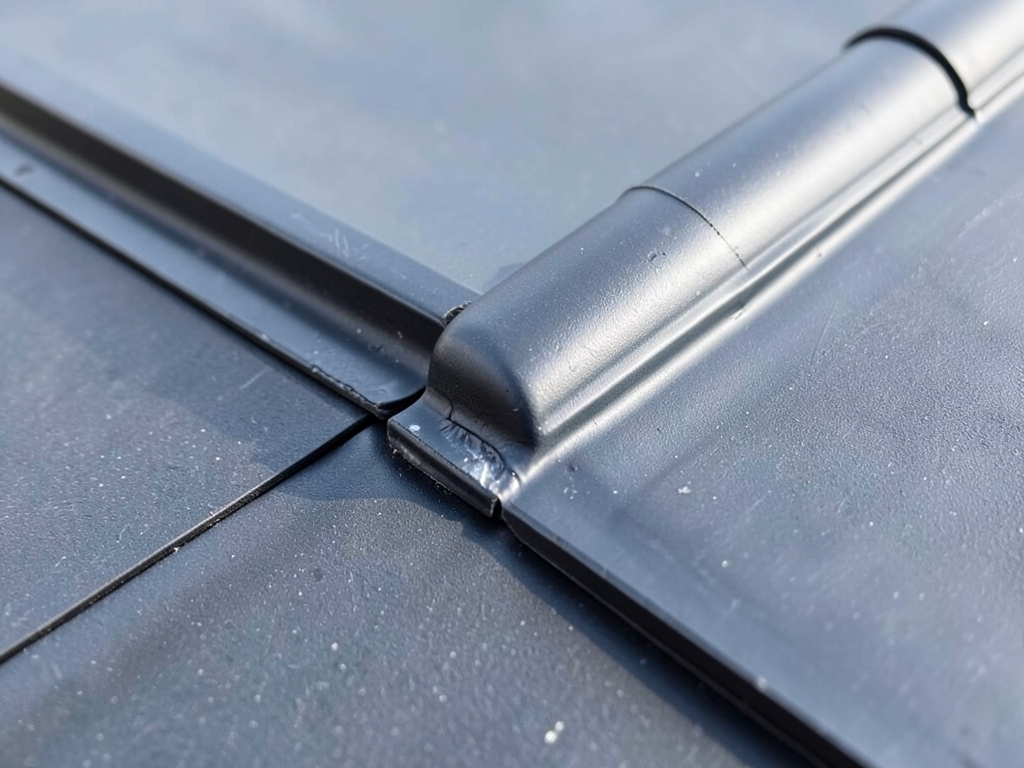
A before-and-after photo series showing proper flashing installation around porch columns and walls demonstrating how professional repairs prevent common leak points.
Choosing the Right Materials for Your Porch Roof
Material selection impacts both the appearance and longevity of your porch roof. EPDM rubber roofing remains popular for flat porch applications because it handles ponding water well and lasts 20-30 years with proper maintenance. The black surface absorbs heat which can help melt snow in winter.
Standing seam metal roofing offers superior durability and a classic look that complements many Takoma home styles. These roofs can last 40-60 years and resist wind damage better than other materials. The raised seams prevent water infiltration even in heavy rain.
Modified bitumen provides another option for flat porches. This multi-ply system offers excellent waterproofing and handles foot traffic better than EPDM. The granulated surface comes in various colors to match your home’s exterior.
Cost varies significantly by material. EPDM typically costs $4-6 per square foot installed while standing seam metal runs $12-20 per square foot. Modified bitumen falls in the middle at $6-9 per square foot. Consider your budget and how long you plan to stay in your home when choosing.
Energy efficiency matters in DC’s climate. Light-colored roofing materials reflect heat and can reduce cooling costs in summer. Some modern materials include reflective coatings that meet Energy Star requirements while maintaining traditional appearances.
| Material Type | Average Lifespan | Cost per Square Foot | Best For |
|---|---|---|---|
| EPDM Rubber | 20-30 years | $4-6 | Flat roofs |
| Standing Seam Metal | 40-60 years | $12-20 | Historic homes |
| Modified Bitumen | 25-30 years | $6-9 | High-traffic areas |
Professional Porch Roof Repair Process
Professional porch roof repair follows a systematic process that ensures lasting results. The first step involves a thorough inspection to identify all problem areas not just the obvious leaks. Technicians use moisture meters and thermal imaging to detect hidden water damage.
During inspection contractors check the roof deck for rot examine flashing for gaps and assess the condition of all seals and joints. They also inspect the supporting structure underneath to ensure it can handle the weight of new materials.
Once problems are identified the repair plan outlines specific solutions. This might include replacing damaged decking installing new flashing or applying waterproof membranes. The plan should detail materials timeline and cost before work begins.
Permitting comes next if required. Your contractor should handle permit applications and coordinate inspections with the DOB. This ensures all work meets code requirements and passes final inspection.
The repair process itself varies by problem type. For leaks technicians seal around penetrations replace damaged flashing and apply waterproof coatings. For structural issues they reinforce or replace support beams and ensure proper load distribution.
Quality control involves testing all repairs before completion. Technicians check for proper drainage verify all seals are watertight and ensure flashing is correctly installed. They also clean the work area and remove debris.
Final inspection by the DOB may be required depending on the scope of work. Your contractor should coordinate this and address any issues the inspector identifies.
Maintenance Tips to Extend Your Porch Roof’s Life
Regular maintenance prevents costly repairs and extends your porch roof’s lifespan. Clean gutters and downspouts at least twice yearly removing leaves and debris that can cause water backup. Pay special attention to built-in gutters that are prone to clogging.
Inspect your porch roof seasonally. Look for loose fasteners damaged flashing or areas where the surface appears worn. Check inside your porch for water stains or musty odors that might indicate hidden leaks.
Trim trees near your porch to prevent branches from rubbing against the roof surface. Falling leaves can accumulate in corners and trap moisture against roofing materials. Keep vegetation at least three feet away from roof edges.
Address small problems immediately. A missing fastener or small crack in flashing can quickly become a major leak. Early intervention costs far less than emergency repairs after water damage occurs.
Consider professional inspections every two to three years. Roofing professionals can spot issues you might miss and recommend preventive maintenance. They also have tools to check for moisture beneath the surface that isn’t visible from above.
Clean your porch roof surface annually. For EPDM roofs use mild soap and water to remove dirt and algae. For metal roofs check for corrosion and apply protective coatings as needed. Always follow manufacturer recommendations for cleaning products.
Monitor drainage patterns during heavy rain. Water should flow toward downspouts without ponding in any area. If you notice standing water that remains for more than 48 hours your roof may need adjustment.
Emergency Leak Response and Temporary Fixes
Water intrusion requires immediate attention to prevent extensive damage. When you discover a leak place buckets under drips to catch water and move furniture away from affected areas. Quick action minimizes damage to ceilings walls and flooring.
Temporary patching can stop active leaks until professional repairs arrive. Roofing tape or sealant can cover small holes or gaps in flashing. For larger problems a tarp secured over the affected area provides temporary protection.
Document leak locations with photos and notes about when they occur. This information helps technicians locate and fix the source rather than just treating symptoms. Note whether leaks happen during wind-driven rain or only with certain wind directions.
Emergency services are available 24/7 in Washington DC. Many roofing companies offer same-day service for active leaks that threaten interior damage. Don’t wait until regular business hours if water is actively entering your home. The Real Cost of a Roof Replacement for Washington DC Homeowners.
Insurance claims may cover sudden leak damage. Document everything with photos before cleanup and keep receipts for any emergency repairs. Contact your insurance company promptly to start the claims process.
Preventative measures reduce emergency calls. Regular maintenance catches problems before they cause leaks. Consider scheduling inspections before rainy seasons or after severe weather events.
Cost Factors for Porch Roof Repairs in Takoma
Porch roof repair costs in Takoma vary based on several factors. Material choice significantly impacts price with EPDM being most affordable and standing seam metal being premium. The extent of damage also affects cost—minor flashing repairs cost much less than complete roof replacement.
Historic district requirements can increase costs if they mandate specific materials or installation methods. These requirements often mean higher labor costs due to specialized techniques needed for authentic restoration.
Permit fees add to project costs. DC permit fees typically range from $50 to $500 depending on project scope. Your contractor should include these in their estimate rather than charging them separately.
Accessibility affects pricing. Porches on upper floors or those surrounded by landscaping may require special equipment increasing labor costs. Steep roof pitches also add time and safety requirements.
Seasonal timing influences costs too. Emergency repairs during rainy seasons may cost more due to urgent scheduling needs. Planning repairs during dry seasons can save money and ensure better installation conditions.
Quality of workmanship varies among contractors. Choose experienced professionals familiar with Takoma’s specific roofing challenges. While they may charge more upfront their work typically lasts longer and prevents recurring problems.
Why Choose Local Takoma Roofing Experts
Local roofing contractors understand Takoma’s specific challenges better than companies from outside the area. They know which materials perform best in DC’s climate understand historic preservation requirements and can navigate local permitting processes efficiently.
Established local companies have relationships with suppliers and can source materials quickly when needed. They also understand neighborhood dynamics like parking restrictions and work hour limitations common in historic districts.
Local contractors provide better warranty service. If problems develop after repair they can respond quickly without the delays that sometimes occur with out-of-area companies. Their reputation in the community depends on quality work and customer satisfaction.
Community involvement matters too. Local companies often support neighborhood events and understand the importance of maintaining Takoma’s historic character. They work to preserve what makes the area special while ensuring homes remain safe and functional.
Emergency response is faster with local contractors. When severe weather damages multiple homes local companies can deploy crews quickly to address urgent needs throughout the community.
Insurance and licensing requirements are easier to verify with local contractors. DC requires specific licenses for roofing work and local companies maintain current credentials to operate in the District.
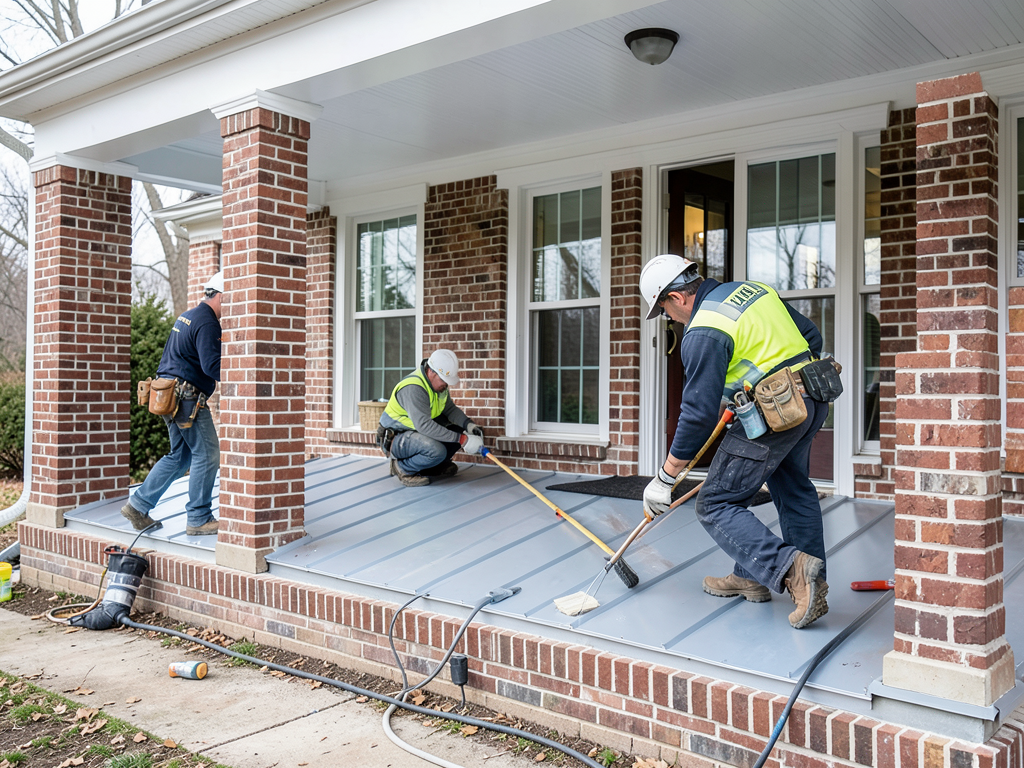
A professional roofing crew installing flashing around porch columns demonstrating proper techniques for preventing water infiltration at common failure points.
Frequently Asked Questions
How often should I inspect my porch roof?
Inspect your porch roof seasonally especially after severe weather. Look for loose fasteners damaged flashing or water stains inside your porch. Professional inspections every 2-3 years can catch problems early.
What’s the average lifespan of a porch roof in DC?
EPDM roofs typically last 20-30 years standing seam metal 40-60 years and modified bitumen 25-30 years with proper maintenance. DC’s climate and maintenance quality affect actual lifespan.
Do I need permits for porch roof repairs?
Permits are usually required for repairs exceeding $500 in value. Historic district work may need additional HPRB approval. Your contractor should handle permitting requirements.
How can I tell if my porch roof needs replacement vs. repair?
Multiple leaks extensive rot or widespread material failure often indicate replacement is needed. Single leaks or localized damage usually require only repair. A professional inspection can determine the best approach.
What causes porch roof leaks most often?
Flashing failures around columns and walls are the most common cause. Poor drainage deteriorated seals and wind damage also contribute to leaks. Regular maintenance prevents most of these issues.
Protect Your Takoma Porch Investment
Your Takoma DC home’s front porch represents both architectural heritage and daily living space. Proper roof maintenance preserves this investment while protecting your home from water damage. Whether you need emergency leak repair or routine maintenance working with experienced local professionals ensures your porch remains beautiful and functional for years to come.
Don’t wait for small problems to become major repairs. Schedule your porch roof inspection today and keep that classic Takoma entrance looking its best. Call (771) 240-3300 now to speak with our porch roofing specialists about your specific needs.
Remember quality porch roof repair isn’t just about fixing leaks—it’s about preserving your home’s character and protecting your family from the elements. Trust your Takoma porch to contractors who understand local requirements and care about your home as much as you do.
Pick up the phone and call (771) 240-3300 before the next storm hits. Our team is ready to help you keep your classic Takoma porch roof in great shape for years to come.
{
“@context”: “https://schema.org”,
“@type”: “BlogPosting”,
“headline”: “Keeping the Classic Front Porch Roof on Your Takoma DC Home in Great Shape”,
“description”: “Expert porch roof maintenance for Takoma DC homes. Learn local repair techniques, building codes, and materials that withstand Washington’s climate.”,
“wordCount”: 2527,
“datePublished”: “2026-05-19T07:17:00.000Z”,
“dateModified”: “2026-05-19T07:17:00.000Z”,
“inLanguage”: “en-US”,
“mainEntityOfPage”: {
“@type”: “WebPage”,
“@id”: “https://aceroofingwashingtondc.com”
},
“publisher”: {
“@type”: “LocalBusiness”,
“name”: “Ace Roofing Washington DC”,
“url”: “https://aceroofingwashingtondc.com”
},
“author”: {
“@type”: “Organization”,
“name”: “Ace Roofing Washington DC”,
“url”: “https://aceroofingwashingtondc.com”
},
“image”: {
“@type”: “ImageObject”,
“url”: “https://aceroofingwashingtondc.com/wp-content/uploads/2026/03/keeping-the-classic-front-porch-roof-on-your-takom-1.png”
}
}
{
“@context”: “https://schema.org”,
“@type”: “RoofingContractor”,
“name”: “Ace Roofing Washington DC”,
“url”: “https://aceroofingwashingtondc.com”,
“address”: {
“@type”: “PostalAddress”,
“addressLocality”: “Washington DC”
},
“areaServed”: {
“@type”: “City”,
“name”: “Washington DC”
}
}
{
“@context”: “https://schema.org”,
“@type”: “FAQPage”,
“mainEntity”: [
{
“@type”: “Question”,
“name”: “How often should I inspect my porch roof?”,
“acceptedAnswer”: {
“@type”: “Answer”,
“text”: “Inspect your porch roof seasonally especially after severe weather. Look for loose fasteners damaged flashing or water stains inside your porch. Professional inspections every 2-3 years can catch problems early.”
}
},
{
“@type”: “Question”,
“name”: “What’s the average lifespan of a porch roof in DC?”,
“acceptedAnswer”: {
“@type”: “Answer”,
“text”: “EPDM roofs typically last 20-30 years standing seam metal 40-60 years and modified bitumen 25-30 years with proper maintenance. DC’s climate and maintenance quality affect actual lifespan.”
}
},
{
“@type”: “Question”,
“name”: “Do I need permits for porch roof repairs?”,
“acceptedAnswer”: {
“@type”: “Answer”,
“text”: “Permits are usually required for repairs exceeding $500 in value. Historic district work may need additional HPRB approval. Your contractor should handle permitting requirements.”
}
},
{
“@type”: “Question”,
“name”: “How can I tell if my porch roof needs replacement vs. repair?”,
“acceptedAnswer”: {
“@type”: “Answer”,
“text”: “Multiple leaks extensive rot or widespread material failure often indicate replacement is needed. Single leaks or localized damage usually require only repair. A professional inspection can determine the best approach.”
}
},
{
“@type”: “Question”,
“name”: “What causes porch roof leaks most often?”,
“acceptedAnswer”: {
“@type”: “Answer”,
“text”: “Flashing failures around columns and walls are the most common cause. Poor drainage deteriorated seals and wind damage also contribute to leaks. Regular maintenance prevents most of these issues.”
}
}
]
}
{
“@context”: “https://schema.org”,
“@type”: “BreadcrumbList”,
“itemListElement”: [
{
“@type”: “ListItem”,
“position”: 1,
“name”: “Home”,
“item”: “https://aceroofingwashingtondc.com”
},
{
“@type”: “ListItem”,
“position”: 2,
“name”: “Blog”,
“item”: “https://aceroofingwashingtondc.com/blog”
},
{
“@type”: “ListItem”,
“position”: 3,
“name”: “Keeping the Classic Front Porch Roof on Your Takoma DC Home in Great Shape”
}
]
}
{
“@context”: “https://schema.org”,
“@type”: “Service”,
“serviceType”: “Roofing”,
“provider”: {
“@type”: “LocalBusiness”,
“name”: “Ace Roofing Washington DC”,
“url”: “https://aceroofingwashingtondc.com”
},
“areaServed”: {
“@type”: “City”,
“name”: “Washington DC”
},
“description”: “Expert porch roof maintenance for Takoma DC homes. Learn local repair techniques, building codes, and materials that withstand Washington’s climate.”
}