
Can the Original Rafters in Your Colonial Village Home Support New Solar Panels?
Installing solar panels on a historic Colonial Village home requires more than just mounting brackets and wiring. The original rafters in these 80- to 100-year-old structures were built to different load standards than today’s solar arrays demand. Before you commit to a solar contract, you need a professional structural assessment that meets DC Department of Buildings requirements and addresses the unique challenges of Mid-Atlantic weather and historic preservation. Navigating Historic Preservation Roofing Rules in Dupont Circle.
Why Colonial Village Homes Need Special Structural Attention
Colonial Village developed in the early 1900s as one of DC’s first planned garden communities. Homes here feature traditional wood-frame construction with dimensional lumber rafters spaced 16 to 24 inches on center. These original rafters were designed for dead loads of 10-15 pounds per square foot, but modern solar panel systems add 20-30 pounds per square foot when you include the mounting hardware and potential snow accumulation.
The problem compounds in Colonial Village because many homes sit on clay-heavy soil that expands and contracts with moisture changes. This soil movement creates subtle shifts in the foundation that transfer stress to the roof structure over decades. Combined with the freeze-thaw cycles common in Washington DC winters, these original rafters may have developed hidden weaknesses that aren’t visible from the attic access. The Real Cost of a Roof Replacement for Washington DC Homeowners.
The 5-Point Structural Assessment Process
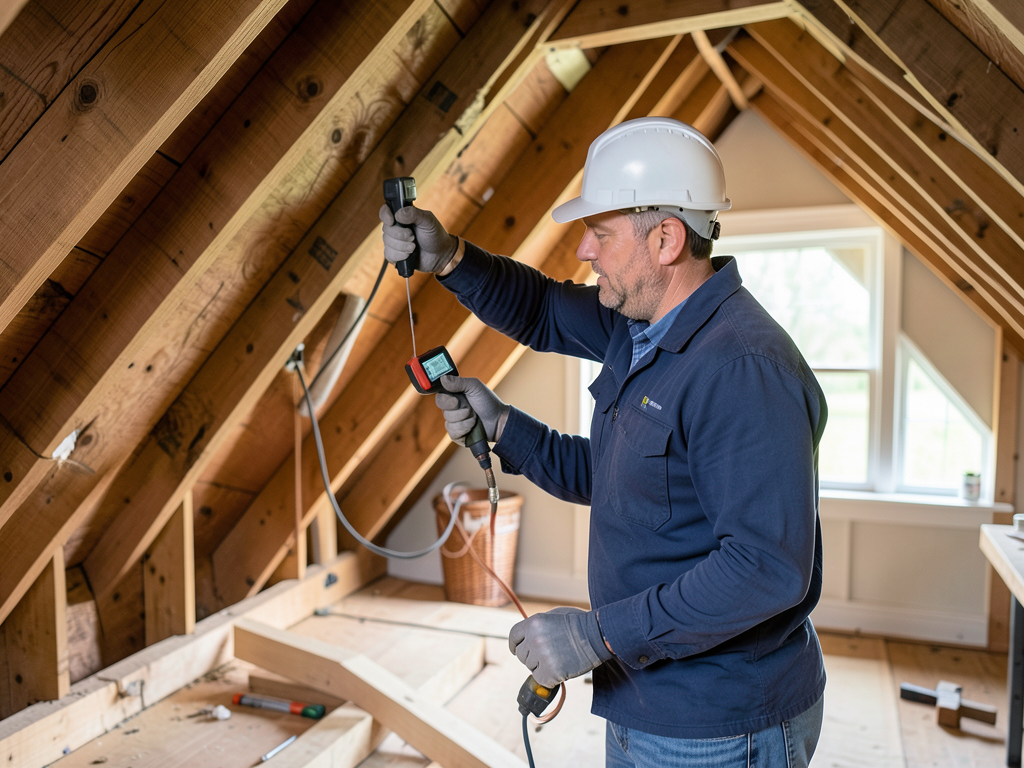
A proper assessment follows a systematic approach that any solar installer should be able to explain. Here’s what the process looks like when done correctly:
- Rafter and Truss Inspection
Technicians examine every visible rafter for signs of rot, termite damage, or structural sagging. They measure actual dimensions since lumber from the 1920s often measures smaller than today’s nominal sizes.
- Decking Integrity Testing
Using a moisture meter at multiple depths, inspectors check for hidden water damage that weakens the connection between rafters and roof sheathing. They also perform the “screwdriver test” – probing suspicious areas to assess wood density.
- Load-Bearing Calculations
Engineers calculate the existing dead load capacity and compare it to the proposed solar array weight plus DC’s required snow load of 20-30 pounds per square foot. They factor in wind uplift forces specific to Colonial Village’s exposure to northwest winter winds. How to Get Your Roof Ready for a DC Winter in Chevy Chase.
- Moisture Analysis
Infrared scanning identifies temperature variations that indicate moisture intrusion around chimneys, vents, and valleys. These are common failure points in older DC homes where original flashing has deteriorated.
- Wind Uplift Resilience Check
Technicians simulate high-wind scenarios using local weather data from Reagan National Airport. They verify that existing fasteners and connectors can handle uplift forces without pulling through aged lumber.
DC Building Code Requirements for Solar Structural Approval
The DC Department of Buildings requires a Professional Engineer (P.E.) stamp on all structural plans for solar installations. This isn’t just paperwork – it’s a safety requirement that protects homeowners from roof collapse and ensures compliance with the International Building Code as adopted by the District.
Key code sections that apply to Colonial Village homes include:
- DCMR 12I, Section 1609 – Wind load requirements specific to DC’s urban environment
- DCMR 12I, Section 1608 – Snow load calculations that account for roof slope and exposure
- DCMR 12I, Section 1604 – Allowable stress increases for existing structures
The P.E. must also consider the DC Green Building Act requirements, which mandate energy efficiency calculations that affect how solar arrays are configured on historic homes.
Historic Home Considerations in Colonial Village
Colonial Village homes fall under different regulatory categories depending on their exact location. Properties within the DC Historic Preservation Review Board boundaries require additional review before any structural modifications.
Common structural challenges in these homes include:
- Aging timber joists – Original 2×6 rafters may have lost 30% of their load capacity due to decades of moisture cycling
- Balloon framing connections – The continuous wall studs that extend from foundation to roof create unique load paths that modern solar mounting systems weren’t designed for
- Flat roof sections – Many Colonial Village homes have integrated flat roof areas over porches or additions that require different mounting approaches
The Historic Preservation Office also requires that any visible mounting hardware maintain the home’s architectural character. This often means using low-profile mounting systems that distribute loads across multiple rafters rather than concentrating weight at single points.
Roof-First Philosophy: Why Your Roofing Contractor Matters
Solar installers are experts at electrical systems and panel placement, but they’re not structural engineers or roofing specialists. A roofing contractor with DC experience brings critical insights that solar-only companies miss: Roofing Rockville.
- Local weather patterns – Understanding how DC’s humidity and freeze-thaw cycles affect different roofing materials
- Historic construction methods – Recognizing the differences between balloon framing and modern platform framing
- Moisture management – Identifying potential leak points before they become solar installation problems
This expertise becomes crucial when dealing with the age threshold for roof replacement. If your Colonial Village home’s roof is over 15 years old, the cost-benefit analysis often favors a complete roof replacement before solar installation. This “roof-first” approach prevents the expensive process of removing and reinstalling solar panels when the roof eventually fails.
DC-Specific Solar Incentives and Structural Requirements
Washington DC offers some of the most aggressive solar incentives in the country, but they come with specific requirements. The Solar for All DC program provides up to $5,000 in incentives, but only for installations that meet all structural and energy efficiency standards.
Other DC-specific considerations include:
- Pepco interconnection standards – Structural modifications must not interfere with existing utility connections
- Stormwater management – Roof penetrations for mounting systems must comply with Chesapeake Bay watershed regulations
- Energy performance standards – The DC Green Building Code requires minimum efficiency levels that affect panel orientation and mounting height
Common Structural Reinforcement Solutions
When assessment reveals insufficient load capacity, several proven solutions exist. The right approach depends on your home’s specific construction and the extent of reinforcement needed.
| Reinforcement Method | Best For | Cost Range | Timeline |
|---|---|---|---|
| Rafter sistering with engineered lumber | Minor to moderate reinforcement | $15-25 per linear foot | 2-3 days |
| Load-bearing wall modifications | Major structural upgrades | $3,000-8,000 per wall | 1-2 weeks |
| Engineered truss system installation | Complete roof replacement scenarios | $8-12 per square foot | 1-2 weeks |
| Ballasted mounting systems | Flat roof applications | $2-3 per watt installed | 3-5 days |
Ballasted systems deserve special mention for Colonial Village’s many flat-roofed homes. These systems use weighted mounting blocks instead of roof penetrations, eliminating the need for structural reinforcement in many cases. However, they require careful engineering to ensure the additional weight doesn’t exceed the roof’s dead load capacity.
The Professional Engineer Stamp Process
Getting the P.E. stamp involves more than just a quick calculation. The process includes:
- Site inspection and measurements
- Structural analysis using approved engineering software
- Load calculations specific to your roof’s geometry
- Wind and snow load analysis using local weather data
- Detailed drawings showing all reinforcement locations
- Final P.E. certification and DOB submission
The entire process typically takes 2-3 weeks from initial inspection to permit-ready drawings. Rushing this step often results in failed inspections and costly rework.
Warning Signs Your Rafters May Need Immediate Attention
Before scheduling a solar assessment, watch for these warning signs that indicate your Colonial Village home’s structure may already be compromised:
- Sagging roof lines – Visible dips or waves in the roof plane suggest failing rafters
- Crackling sounds during temperature changes – This indicates wood fibers separating under stress
- Water stains around chimneys or vents – These often reveal failed flashing that allows moisture into structural members
- Doors that stick or won’t close properly – Foundation movement affects the entire structure, including roof alignment
If you notice any of these signs, address the structural issues before considering solar installation. The cost of emergency structural repairs far exceeds preventive maintenance. The Best Flat Roof Maintenance Tips for Petworth Homeowners.
Making the Right Decision for Your Colonial Village Home
The decision to install solar on an older Colonial Village home requires balancing multiple factors: the age and condition of your existing roof, the structural capacity of your original rafters, local building code requirements, and your long-term energy goals.
Here’s a quick decision framework:
| Roof Age | Structural Condition | Recommended Path |
|---|---|---|
| Under 10 years | Good | Direct solar installation with P.E. review |
| 10-15 years | Fair | Minor reinforcement + solar |
| Over 15 years | Any condition | Roof replacement + solar as single project |
The key insight is that Colonial Village’s historic character doesn’t mean you can’t modernize with solar. It means you need to approach the project with the same care and attention to detail that the original builders used in 1920.
Next Steps for Colonial Village Homeowners
Start with a comprehensive structural assessment from a roofing contractor who understands DC’s unique building environment. This assessment should include a detailed report with P.E. calculations, even if you’re not ready to commit to solar immediately.
Call (771) 240-3300 today to schedule your Colonial Village structural assessment. We’ll provide you with the engineering data you need to make an informed decision about solar installation, roof replacement, or structural reinforcement.
Don’t wait until the next heavy snow or summer thunderstorm reveals hidden structural weaknesses. Pick up the phone and call (771) 240-3300 before the next storm hits. Your historic Colonial Village home deserves expert care that preserves its character while preparing it for modern energy efficiency.
Frequently Asked Questions
How much weight do solar panels add to my roof?
Standard residential solar panels with mounting hardware typically add 20-30 pounds per square foot to your roof’s load. This includes the panels themselves, racking system, and potential snow accumulation. Your existing rafters must be able to handle this additional weight plus DC’s required snow load of 20-30 pounds per square foot.
Can I install solar on a historic Colonial Village home?
Yes, but it requires additional review from the DC Historic Preservation Office and a Professional Engineer’s structural assessment. The key is using mounting systems that don’t damage original materials and maintaining the home’s architectural character. Many successful installations in Colonial Village use low-profile mounting and careful routing of electrical conduits.
How long does the structural assessment process take?
A complete structural assessment typically takes 2-3 weeks from initial inspection to permit-ready drawings. This includes site measurements, engineering calculations, P.E. review, and DOB submission preparation. Rushing this process often results in failed inspections and costly delays.
What if my rafters don’t meet current load requirements?
Several reinforcement options exist, from sistering existing rafters with engineered lumber to installing complete engineered truss systems. The right solution depends on your home’s construction, the extent of reinforcement needed, and your budget. A qualified contractor can recommend the most cost-effective approach for your specific situation.
Should I replace my roof before installing solar?
If your roof is over 15 years old or shows signs of wear, replacing it before solar installation is usually more cost-effective. This prevents the expensive process of removing and reinstalling solar panels when the roof eventually fails. Many Colonial Village homeowners find that bundling roof replacement with solar installation saves money and reduces disruption.
{
“@context”: “https://schema.org”,
“@type”: “BlogPosting”,
“headline”: “Can the Original Rafters in Your Colonial Village Home Support New Solar Panels?”,
“description”: “Worried your Colonial Village roof can’t handle solar? Learn DC-specific structural assessment requirements, historic home considerations, and how to pass the DOB inspection.”,
“wordCount”: 1855,
“datePublished”: “2026-05-17T13:26:00.000Z”,
“dateModified”: “2026-05-17T13:26:00.000Z”,
“inLanguage”: “en-US”,
“mainEntityOfPage”: {
“@type”: “WebPage”,
“@id”: “https://aceroofingwashingtondc.com”
},
“publisher”: {
“@type”: “LocalBusiness”,
“name”: “Ace Roofing Washington DC”,
“url”: “https://aceroofingwashingtondc.com”
},
“author”: {
“@type”: “Organization”,
“name”: “Ace Roofing Washington DC”,
“url”: “https://aceroofingwashingtondc.com”
},
“image”: {
“@type”: “ImageObject”,
“url”: “https://aceroofingwashingtondc.com/wp-content/uploads/2026/03/can-the-original-rafters-in-your-colonial-village-1.png”
}
}
{
“@context”: “https://schema.org”,
“@type”: “RoofingContractor”,
“name”: “Ace Roofing Washington DC”,
“url”: “https://aceroofingwashingtondc.com”,
“address”: {
“@type”: “PostalAddress”,
“addressLocality”: “Washington DC”
},
“areaServed”: {
“@type”: “City”,
“name”: “Washington DC”
}
}
{
“@context”: “https://schema.org”,
“@type”: “FAQPage”,
“mainEntity”: [
{
“@type”: “Question”,
“name”: “How much weight do solar panels add to my roof?”,
“acceptedAnswer”: {
“@type”: “Answer”,
“text”: “Standard residential solar panels with mounting hardware typically add 20-30 pounds per square foot to your roof’s load. This includes the panels themselves, racking system, and potential snow accumulation. Your existing rafters must be able to handle this additional weight plus DC’s required snow load of 20-30 pounds per square foot.”
}
},
{
“@type”: “Question”,
“name”: “Can I install solar on a historic Colonial Village home?”,
“acceptedAnswer”: {
“@type”: “Answer”,
“text”: “Yes, but it requires additional review from the DC Historic Preservation Office and a Professional Engineer’s structural assessment. The key is using mounting systems that don’t damage original materials and maintaining the home’s architectural character. Many successful installations in Colonial Village use low-profile mounting and careful routing of electrical conduits.”
}
},
{
“@type”: “Question”,
“name”: “How long does the structural assessment process take?”,
“acceptedAnswer”: {
“@type”: “Answer”,
“text”: “A complete structural assessment typically takes 2-3 weeks from initial inspection to permit-ready drawings. This includes site measurements, engineering calculations, P.E. review, and DOB submission preparation. Rushing this process often results in failed inspections and costly delays.”
}
},
{
“@type”: “Question”,
“name”: “What if my rafters don’t meet current load requirements?”,
“acceptedAnswer”: {
“@type”: “Answer”,
“text”: “Several reinforcement options exist, from sistering existing rafters with engineered lumber to installing complete engineered truss systems. The right solution depends on your home’s construction, the extent of reinforcement needed, and your budget. A qualified contractor can recommend the most cost-effective approach for your specific situation.”
}
},
{
“@type”: “Question”,
“name”: “Should I replace my roof before installing solar?”,
“acceptedAnswer”: {
“@type”: “Answer”,
“text”: “If your roof is over 15 years old or shows signs of wear, replacing it before solar installation is usually more cost-effective. This prevents the expensive process of removing and reinstalling solar panels when the roof eventually fails. Many Colonial Village homeowners find that bundling roof replacement with solar installation saves money and reduces disruption.”
}
}
]
}
{
“@context”: “https://schema.org”,
“@type”: “HowTo”,
“name”: “Structural Assessment Process”,
“step”: [
{
“@type”: “HowToStep”,
“position”: 1,
“name”: “Rafter and Truss Inspection”,
“text”: “Technicians examine every visible rafter for signs of rot, termite damage, or structural sagging. They measure actual dimensions since lumber from the 1920s often measures smaller than today’s nominal sizes.”
},
{
“@type”: “HowToStep”,
“position”: 2,
“name”: “Decking Integrity Testing”,
“text”: “Using a moisture meter at multiple depths, inspectors check for hidden water damage that weakens the connection between rafters and roof sheathing. They also perform the \”screwdriver test\” – probing suspicious areas to assess wood density.”
},
{
“@type”: “HowToStep”,
“position”: 3,
“name”: “Load-Bearing Calculations”,
“text”: “Engineers calculate the existing dead load capacity and compare it to the proposed solar array weight plus DC’s required snow load of 20-30 pounds per square foot. They factor in wind uplift forces specific to Colonial Village’s exposure to northwest winter winds. How to Get Your Roof Ready for a DC Winter in Chevy Chase.”
},
{
“@type”: “HowToStep”,
“position”: 4,
“name”: “Moisture Analysis”,
“text”: “Infrared scanning identifies temperature variations that indicate moisture intrusion around chimneys, vents, and valleys. These are common failure points in older DC homes where original flashing has deteriorated.”
},
{
“@type”: “HowToStep”,
“position”: 5,
“name”: “Wind Uplift Resilience Check”,
“text”: “Technicians simulate high-wind scenarios using local weather data from Reagan National Airport. They verify that existing fasteners and connectors can handle uplift forces without pulling through aged lumber.”
}
],
“image”: “https://aceroofingwashingtondc.com/wp-content/uploads/2026/03/can-the-original-rafters-in-your-colonial-village-1.png”
}
{
“@context”: “https://schema.org”,
“@type”: “BreadcrumbList”,
“itemListElement”: [
{
“@type”: “ListItem”,
“position”: 1,
“name”: “Home”,
“item”: “https://aceroofingwashingtondc.com”
},
{
“@type”: “ListItem”,
“position”: 2,
“name”: “Blog”,
“item”: “https://aceroofingwashingtondc.com/blog”
},
{
“@type”: “ListItem”,
“position”: 3,
“name”: “Can the Original Rafters in Your Colonial Village Home Support New Solar Panels?”
}
]
}
{
“@context”: “https://schema.org”,
“@type”: “Service”,
“serviceType”: “Roofing”,
“provider”: {
“@type”: “LocalBusiness”,
“name”: “Ace Roofing Washington DC”,
“url”: “https://aceroofingwashingtondc.com”
},
“areaServed”: {
“@type”: “City”,
“name”: “Washington DC”
},
“description”: “Worried your Colonial Village roof can’t handle solar? Learn DC-specific structural assessment requirements, historic home considerations, and how to pass the DOB inspection.”
}