
Can Termites Actually Get Into the Roof Rafters of Your Observatory Circle Home?
The short answer is yes. Eastern Subterranean termites can and do infest roof rafters in Washington DC homes, including those in Observatory Circle. These wood-destroying insects travel through mud tubes from soil to wood, and once inside your attic, they consume the cellulose in your roof’s structural support system. The humid Mid-Atlantic climate and older construction methods common in DC neighborhoods create perfect conditions for these pests to thrive. The Real Cost of a Roof Replacement for Washington DC Homeowners.
Termites don’t discriminate between basement joists and attic rafters. If wood is accessible and moisture is present, they will establish colonies that can compromise your home’s structural integrity. The key is early detection and understanding the specific risks your Observatory Circle home faces.
Eastern Subterranean Termites: DC’s Primary Roof Threat
Unlike drywood termites found in southern states, Eastern Subterranean termites dominate the Washington DC metro area. These insects require soil contact and moisture to survive, which is why they’re particularly problematic in DC’s humid climate. They build distinctive mud tubes along foundation walls, through crawl spaces, and up interior walls to reach wooden structures above ground level.
In Observatory Circle, many homes were built between the 1930s and 1960s with construction methods that don’t include modern termite barriers. The dense tree canopy and mature landscaping common in this neighborhood provide ideal conditions for termite colonies to establish near homes.
Identifying Termite Damage in Your DC Attic
Termite damage in roof rafters often goes unnoticed until significant structural compromise has occurred. Here’s what to look for during your attic inspection:
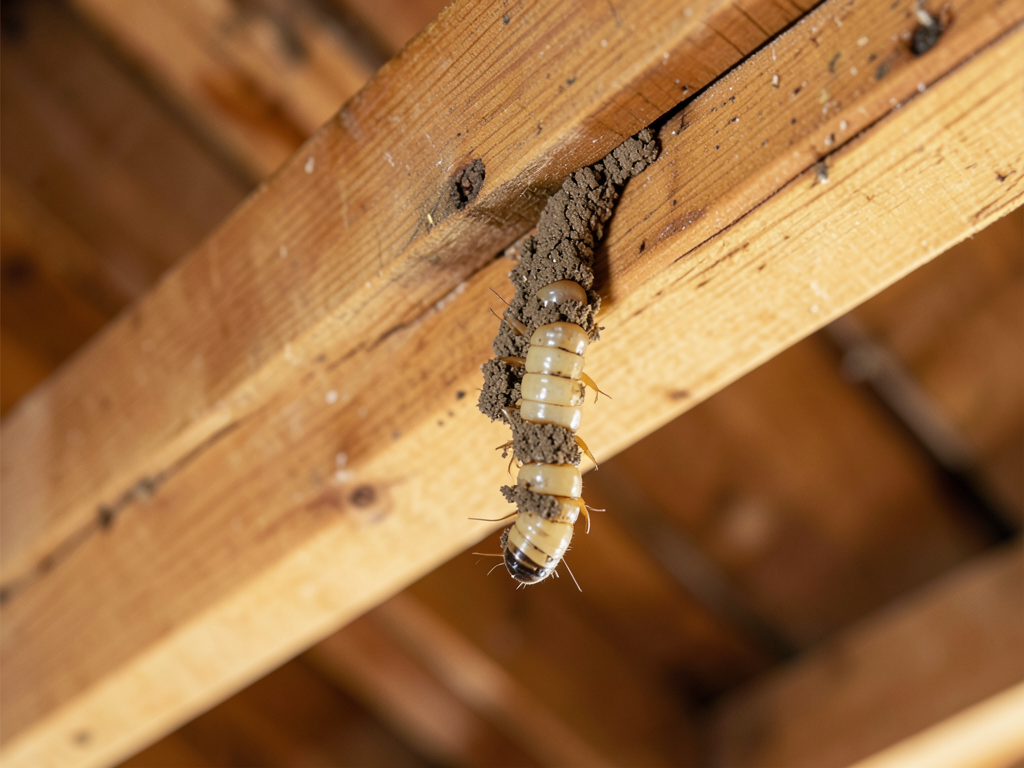
Mud Tubes: These pencil-width tunnels appear on wooden surfaces, masonry, or along pipes. They’re the termites’ highways between soil and wood sources.
Frass: Termite droppings look like tiny wood-colored pellets, often found in piles near damaged wood.
Hollow-Sounding Wood: Tap on rafters with a screwdriver. If the sound is hollow or the wood crumbles easily, termites may have consumed the interior.
Discarded Wings: After swarming, termites shed their wings near windows, light fixtures, or attic vents.
Live Termites: Look for creamy-white insects about 1/8 inch long in soil, wood debris, or along mud tubes.
Structural Impact: When Rafters Become Unsafe
Termites don’t just eat wood; they compromise the structural integrity of your roof system. Roof rafters are load-bearing members that support the weight of your roof deck, shingles, and any snow load during DC winters. When termites consume the cellulose fibers, they reduce the rafter’s ability to bear these loads. How to Get Your Roof Ready for a DC Winter in Chevy Chase.
The damage typically follows a predictable pattern. Termites start at the bottom of the rafter where moisture tends to accumulate. They work upward, creating hollowed-out channels that look like honeycomb when viewed from the side. This process can take months or years, depending on colony size and environmental conditions.
Once 30% or more of a rafter’s cross-sectional area is compromised, it can no longer safely support the roof load. In Observatory Circle homes with older construction, this threshold is often reached without visible signs from inside the living space.
DC Climate Factors That Accelerate Termite Activity
Washington DC’s climate creates ideal conditions for Eastern Subterranean termites. The humid subtropical climate means high moisture levels throughout much of the year, which termites need to survive. Average annual precipitation in DC exceeds 40 inches, with summer humidity often above 70%.
The freeze-thaw cycles common in DC winters can cause small cracks in foundation walls and around utility penetrations. These cracks become entry points for termites seeking shelter and food. Additionally, many Observatory Circle homes have mature trees that drop leaves and create organic debris around foundations, providing food sources that attract termites.
DC’s urban heat island effect can also influence termite behavior. Warmer temperatures in developed areas can extend the termite swarming season and accelerate colony growth rates.
Roofing Repair vs. Pest Control: The DC Homeowner’s Workflow
Addressing termite-damaged roof rafters requires a coordinated approach between pest control professionals and roofing contractors. Here’s the typical workflow for Observatory Circle homeowners: Roofing Rockville.
- Pest Control Treatment
A licensed pest control company applies termiticides to eliminate the active colony. This may involve trenching around the foundation, drilling through concrete slabs, or applying bait systems. The DC Department of Energy and Environment requires specific treatment methods for Eastern Subterranean termites. EPA termite control guidelines.
- Structural Assessment
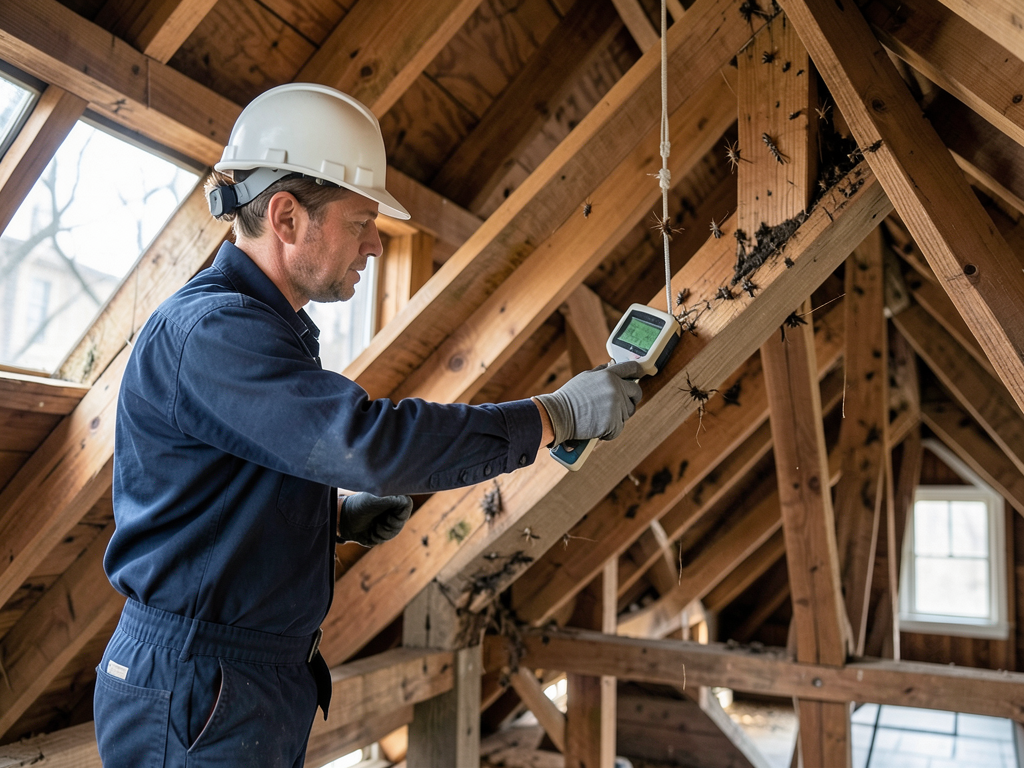
After treatment, a roofing contractor inspects the attic to assess damage extent. This involves checking each rafter’s load-bearing capacity using moisture meters and visual inspection for hollow sections.
- Repair Method Selection
Based on damage severity, contractors choose between rafter sistering (adding new lumber alongside damaged sections) or full replacement. Sistering is often preferred in historic Observatory Circle homes to preserve original architecture. Navigating Historic Preservation Roofing Rules in Dupont Circle.
- Permit Acquisition
DC building codes require permits for structural wood replacement. The Department of Buildings (DOB) mandates specific lumber grades and treatment methods for rafter repairs.
- Repair Execution
Contractors remove damaged sections, treat new lumber with borate solutions, and install reinforcements according to DC building standards. All work must comply with the International Residential Code as adopted by DC. National Association of Certified Home Inspectors termite guide.
Rafter Sistering Techniques for Historic DC Homes
Rafter sistering is the preferred repair method for many Observatory Circle homes because it preserves the original roof structure while restoring structural integrity. The process involves attaching new lumber alongside damaged rafters to share the load.
The sister board must match the original rafter’s dimensions and be pressure-treated lumber rated for structural use. Contractors typically use galvanized or stainless steel fasteners to prevent corrosion in DC’s humid climate. The connection points require specific nailing patterns mandated by DC building codes.
For homes in historic districts, the DC Historic Preservation Office may require additional documentation before approving structural repairs. The sistering method often meets preservation guidelines because it maintains the original rafter’s appearance from below.
Cost of Rafter Repair in the Washington DC Metro Area
Rafter repair costs in Observatory Circle typically range from $1,200 to $3,500 per rafter, depending on damage extent and accessibility. Full roof replacement due to widespread termite damage can cost $15,000 to $35,000 for the average DC home.
Several factors influence pricing in the DC metro area. Labor rates are higher than national averages due to the cost of living. Historic homes often require specialized techniques and materials that increase costs. Additionally, DC’s building permit fees and inspection requirements add to the total project cost.
Homeowners insurance typically doesn’t cover termite damage because it’s considered preventable through regular maintenance. However, some policies may cover secondary damage if water intrusion occurs due to compromised roof structure. The Best Flat Roof Maintenance Tips for Petworth Homeowners.
Preventing Future Termite Infestations in Your Observatory Circle Home
Prevention is significantly less expensive than repair. Here are proven strategies for Observatory Circle homeowners:
Moisture Control: Fix roof leaks promptly, ensure proper attic ventilation, and maintain gutters to prevent water accumulation near your foundation.
Wood-to-Soil Contact Elimination: Remove firewood, lumber, or mulch from direct contact with your home’s foundation.
Regular Inspections: Schedule annual termite inspections with a licensed pest control company familiar with DC’s Eastern Subterranean termites.
Borate Treatment: Apply borate solutions to exposed wood in attics and crawl spaces as a preventive measure.
Landscaping Management: Keep shrubs and trees trimmed away from your home’s exterior to reduce moisture retention and eliminate termite travel paths.
DC Building Code Requirements for Structural Repairs
Washington DC follows the International Building Code with local amendments. For structural rafter repairs, the DC Department of Buildings requires:
Permit Submission: Detailed plans showing existing conditions, proposed repairs, and load calculations must be submitted for approval.
Lumber Specifications: All replacement lumber must be pressure-treated and meet specific grade requirements for structural applications.
Fastener Requirements: Galvanized or stainless steel fasteners are required in most applications to prevent corrosion in DC’s humid climate.
Inspection Process: Work must be inspected at rough framing and final stages to ensure code compliance.
Historic District Considerations: Additional approvals may be required from the Historic Preservation Office for homes in Observatory Circle’s historic areas.
Frequently Asked Questions
How can I tell if termites have damaged my roof rafters?
Look for mud tubes in your attic, hollow-sounding wood when tapped, frass (termite droppings) near wooden structures, and sagging roof sections. Professional inspection with moisture meters can detect damage before it becomes visible.
Does homeowners insurance cover termite damage to roof rafters?
Most standard homeowners insurance policies exclude termite damage because it’s considered preventable through maintenance. However, if termite damage leads to water intrusion that causes additional damage, some secondary damage might be covered. Check your specific policy details.
How long does it take to repair termite-damaged roof rafters?
Minor repairs typically take 1-2 days once permits are obtained. More extensive damage requiring multiple rafter replacements can take 3-5 days. The entire process from pest treatment to final repair usually spans 2-4 weeks to allow for inspections and permit processing.
Should I repair or replace my entire roof if I find termite damage?
This depends on the extent of damage. If only a few rafters are affected and the rest of the roof structure is sound, targeted repairs are usually sufficient. If damage is widespread or your roof is already due for replacement, a full replacement might be more cost-effective long-term.
How often should I have my Observatory Circle home inspected for termites?
Annual professional inspections are recommended for DC homes, especially those in established neighborhoods like Observatory Circle. Homes with previous termite activity should be inspected twice yearly. Many pest control companies offer free initial inspections.
Take Action Before Your Roof Structure Fails
Termite damage to roof rafters is a serious structural issue that requires immediate professional attention. If you suspect termite activity in your Observatory Circle home, don’t wait until you see sagging ceilings or water stains. The damage you can’t see is often the most dangerous.
Call (771) 240-3300 today to schedule a comprehensive roof inspection. Our team understands the unique challenges of historic DC homes and can identify termite damage before it compromises your home’s structural integrity. We’ll provide a clear assessment of any damage found and explain your repair options with upfront pricing.
Pick up the phone and call (771) 240-3300 before the next storm hits. Your roof’s structural integrity isn’t something to gamble with, and early intervention can save you thousands in emergency repairs.
{
“@context”: “https://schema.org”,
“@type”: “BlogPosting”,
“headline”: “Can Termites Actually Get Into the Roof Rafters of Your Observatory Circle Home?”,
“description”: “Discover how Eastern Subterranean termites threaten Observatory Circle roof rafters. Learn to identify damage, structural risks, and DC-specific repair solutions from local experts.”,
“wordCount”: 1764,
“datePublished”: “2026-05-31T11:46:00.000Z”,
“dateModified”: “2026-05-31T11:46:00.000Z”,
“inLanguage”: “en-US”,
“mainEntityOfPage”: {
“@type”: “WebPage”,
“@id”: “https://aceroofingwashingtondc.com”
},
“publisher”: {
“@type”: “LocalBusiness”,
“name”: “Ace Roofing Washington DC”,
“url”: “https://aceroofingwashingtondc.com”
},
“author”: {
“@type”: “Organization”,
“name”: “Ace Roofing Washington DC”,
“url”: “https://aceroofingwashingtondc.com”
},
“image”: {
“@type”: “ImageObject”,
“url”: “https://aceroofingwashingtondc.com/wp-content/uploads/2026/03/can-termites-actually-get-into-the-roof-rafters-of-1.png”
}
}
{
“@context”: “https://schema.org”,
“@type”: “RoofingContractor”,
“name”: “Ace Roofing Washington DC”,
“url”: “https://aceroofingwashingtondc.com”,
“address”: {
“@type”: “PostalAddress”,
“addressLocality”: “Washington DC”
},
“areaServed”: {
“@type”: “City”,
“name”: “Washington DC”
}
}
{
“@context”: “https://schema.org”,
“@type”: “FAQPage”,
“mainEntity”: [
{
“@type”: “Question”,
“name”: “How can I tell if termites have damaged my roof rafters?”,
“acceptedAnswer”: {
“@type”: “Answer”,
“text”: “Look for mud tubes in your attic, hollow-sounding wood when tapped, frass (termite droppings) near wooden structures, and sagging roof sections. Professional inspection with moisture meters can detect damage before it becomes visible.”
}
},
{
“@type”: “Question”,
“name”: “Does homeowners insurance cover termite damage to roof rafters?”,
“acceptedAnswer”: {
“@type”: “Answer”,
“text”: “Most standard homeowners insurance policies exclude termite damage because it’s considered preventable through maintenance. However, if termite damage leads to water intrusion that causes additional damage, some secondary damage might be covered. Check your specific policy details.”
}
},
{
“@type”: “Question”,
“name”: “How long does it take to repair termite-damaged roof rafters?”,
“acceptedAnswer”: {
“@type”: “Answer”,
“text”: “Minor repairs typically take 1-2 days once permits are obtained. More extensive damage requiring multiple rafter replacements can take 3-5 days. The entire process from pest treatment to final repair usually spans 2-4 weeks to allow for inspections and permit processing.”
}
},
{
“@type”: “Question”,
“name”: “Should I repair or replace my entire roof if I find termite damage?”,
“acceptedAnswer”: {
“@type”: “Answer”,
“text”: “This depends on the extent of damage. If only a few rafters are affected and the rest of the roof structure is sound, targeted repairs are usually sufficient. If damage is widespread or your roof is already due for replacement, a full replacement might be more cost-effective long-term.”
}
},
{
“@type”: “Question”,
“name”: “How often should I have my Observatory Circle home inspected for termites?”,
“acceptedAnswer”: {
“@type”: “Answer”,
“text”: “Annual professional inspections are recommended for DC homes, especially those in established neighborhoods like Observatory Circle. Homes with previous termite activity should be inspected twice yearly. Many pest control companies offer free initial inspections.”
}
}
]
}
{
“@context”: “https://schema.org”,
“@type”: “HowTo”,
“name”: “Termite Damage Repair Process”,
“step”: [
{
“@type”: “HowToStep”,
“position”: 1,
“name”: “Pest Control Treatment”,
“text”: “A licensed pest control company applies termiticides to eliminate the active colony. This may involve trenching around the foundation, drilling through concrete slabs, or applying bait systems. The DC Department of Energy and Environment requires specific treatment methods for Eastern Subterranean termites. EPA termite control guidelines.”
},
{
“@type”: “HowToStep”,
“position”: 2,
“name”: “Structural Assessment”,
“text”: “After treatment, a roofing contractor inspects the attic to assess damage extent. This involves checking each rafter’s load-bearing capacity using moisture meters and visual inspection for hollow sections.”
},
{
“@type”: “HowToStep”,
“position”: 3,
“name”: “Repair Method Selection”,
“text”: “Based on damage severity, contractors choose between rafter sistering (adding new lumber alongside damaged sections) or full replacement. Sistering is often preferred in historic Observatory Circle homes to preserve original architecture. Navigating Historic Preservation Roofing Rules in Dupont Circle.”
},
{
“@type”: “HowToStep”,
“position”: 4,
“name”: “Permit Acquisition”,
“text”: “DC building codes require permits for structural wood replacement. The Department of Buildings (DOB) mandates specific lumber grades and treatment methods for rafter repairs.”
},
{
“@type”: “HowToStep”,
“position”: 5,
“name”: “Repair Execution”,
“text”: “Contractors remove damaged sections, treat new lumber with borate solutions, and install reinforcements according to DC building standards. All work must comply with the International Residential Code as adopted by DC. National Association of Certified Home Inspectors termite guide.”
}
],
“image”: “https://aceroofingwashingtondc.com/wp-content/uploads/2026/03/can-termites-actually-get-into-the-roof-rafters-of-1.png”
}
{
“@context”: “https://schema.org”,
“@type”: “BreadcrumbList”,
“itemListElement”: [
{
“@type”: “ListItem”,
“position”: 1,
“name”: “Home”,
“item”: “https://aceroofingwashingtondc.com”
},
{
“@type”: “ListItem”,
“position”: 2,
“name”: “Blog”,
“item”: “https://aceroofingwashingtondc.com/blog”
},
{
“@type”: “ListItem”,
“position”: 3,
“name”: “Can Termites Actually Get Into the Roof Rafters of Your Observatory Circle Home?”
}
]
}
{
“@context”: “https://schema.org”,
“@type”: “Service”,
“serviceType”: “Roofing”,
“provider”: {
“@type”: “LocalBusiness”,
“name”: “Ace Roofing Washington DC”,
“url”: “https://aceroofingwashingtondc.com”
},
“areaServed”: {
“@type”: “City”,
“name”: “Washington DC”
},
“description”: “Discover how Eastern Subterranean termites threaten Observatory Circle roof rafters. Learn to identify damage, structural risks, and DC-specific repair solutions from local experts.”
}