
Cedar Shake versus Synthetic Replacements for Traditional Homes in Spring Valley
Homeowners in Spring Valley face a classic dilemma when their cedar shake roof reaches the end of its lifespan. The natural beauty of real cedar has defined Washington DC’s historic neighborhoods for over a century. But synthetic alternatives now offer convincing looks with dramatically improved performance in our humid mid-Atlantic climate. The Real Cost of a Roof Replacement for Washington DC Homeowners.
The choice between these materials affects more than just appearance. It impacts your home’s protection from summer storms, winter freeze-thaw cycles, and the relentless humidity that causes moss and algae growth in our region. Understanding the real differences helps you make the right investment for your Spring Valley home. How to Get Your Roof Ready for a DC Winter in Chevy Chase.
Key Differences at a Glance
| Feature | Cedar Shake | Synthetic Slate |
|---|---|---|
| Average Lifespan | 20-30 years | 50+ years |
| Weight per Square Foot | 4-5 lbs | 2-3 lbs |
| Fire Rating | Class C (without treatment) | Class A |
| Wind Resistance | Up to 110 mph | Up to 110 mph |
| Initial Cost | $12-18 per sq ft | $15-25 per sq ft |
| Maintenance | High (cleaning, oiling) | Low (periodic inspection) |
Aesthetic Appeal: Natural Cedar Texture versus Synthetic Precision
Cedar shake roofs develop a distinctive silver-gray patina over time that many homeowners find irreplaceable. The natural variation in color and thickness creates an organic look that synthetic materials struggle to replicate perfectly. Each cedar shake has unique grain patterns and weathering characteristics that contribute to the roof’s character.. Read more about Could a New Roof Lower Your Homeowners Insurance Premiums in Kalorama Triangle?.
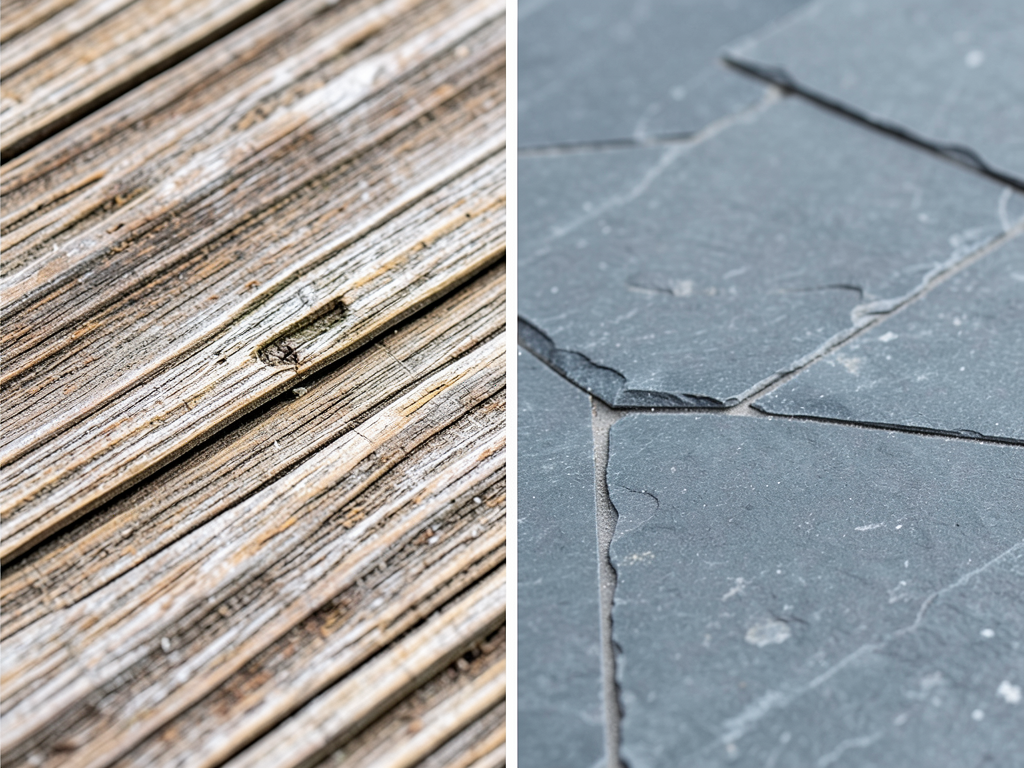
A close-up comparison showing the textured surface of weathered cedar shake alongside the uniform surface of synthetic slate tiles.. Read more about Best Synthetic Slate Roofing Options for Homes in Berkley.
Synthetic slate manufacturers have made remarkable progress in mimicking natural materials. High-quality polymer composites now feature realistic wood grain textures and color variations. Brands like DaVinci Roofscapes and Brava use advanced molding techniques to create individual pieces that capture the essence of real cedar without the maintenance headaches. The Best Flat Roof Maintenance Tips for Petworth Homeowners.
The Spring Valley area’s traditional colonial and craftsman-style homes particularly benefit from cedar’s natural appearance. However, synthetic options can achieve similar visual impact while providing superior resistance to our region’s humidity and temperature extremes.
Durability and Lifespan in the Mid-Atlantic Climate
Washington DC’s climate presents unique challenges for roofing materials. Our summers bring high humidity levels often exceeding 80%, creating perfect conditions for moss and algae growth on organic materials. Winters deliver freeze-thaw cycles that cause expansion and contraction, potentially damaging less flexible materials.
Cedar shake performs admirably in many climates but struggles with our specific conditions. The wood absorbs moisture during humid periods, creating an environment where fungi and moss thrive. This biological growth accelerates deterioration, causing shakes to split, curl, and lose their protective oils. Most cedar roofs in Spring Valley need replacement after 20-25 years, even with regular maintenance.
Synthetic materials excel in these challenging conditions. Polymer-based composites resist moisture absorption, preventing the biological growth that plagues natural wood. The materials maintain their flexibility through temperature swings, reducing the cracking and splitting common in traditional cedar. Many synthetic products carry warranties of 50 years or more, reflecting their superior durability in our climate.
The weight difference also matters for Spring Valley’s older homes. Traditional cedar shakes weigh 4-5 pounds per square foot, while synthetics typically weigh 2-3 pounds. This reduced weight puts less stress on aging roof structures, potentially avoiding expensive reinforcement work.
Cost Comparison: Initial Investment versus Long-Term Value
Upfront costs tell only part of the story when comparing these roofing options. Cedar shake installation typically costs $12-18 per square foot in the Spring Valley area, reflecting the specialized skills required for proper installation. Synthetic slate ranges from $15-25 per square foot, with premium products commanding higher prices.
The true cost analysis must include maintenance expenses over the roof’s lifetime. Cedar requires regular cleaning to remove moss and algae, typically every 2-3 years at $300-500 per cleaning. The wood also needs periodic oiling or treatment to maintain its water resistance, adding $400-600 every 5-7 years. These ongoing costs can exceed $2,000 over a 20-year period.
Synthetic roofs eliminate most maintenance expenses. The materials resist biological growth without chemical treatments and maintain their appearance without oiling. While the initial investment is higher, the total cost of ownership often favors synthetics when calculated over a 30-year period.
Energy efficiency provides another cost consideration. Cedar’s natural insulating properties offer an R-value of approximately 1.2 per inch of thickness. Many synthetic products incorporate reflective pigments that reduce heat absorption during our hot summers, potentially lowering cooling costs by 10-15% in Spring Valley homes.
Maintenance Requirements: Real Wood versus Composite Materials
Cedar shake maintenance demands significant time and attention. The wood’s natural oils provide initial water resistance but degrade over time, especially in our humid climate. Homeowners must schedule regular inspections to identify early signs of damage like splitting, curling, or moss growth.
Cleaning cedar roofs requires specialized equipment and techniques. High-pressure washing damages the wood fibers, so professionals use low-pressure systems with cleaning solutions specifically formulated for cedar. This process typically costs $400-600 and must be repeated every few years to prevent moss and algae buildup.
Synthetic materials dramatically reduce maintenance requirements. The polymer composites resist biological growth without chemical treatments and maintain their structural integrity through temperature extremes. Most manufacturers recommend only periodic visual inspections and removal of debris from valleys and gutters.
The maintenance difference becomes particularly apparent during our region’s severe weather events. Cedar shakes can become loose or damaged during high winds, requiring immediate repairs to prevent water infiltration. Synthetic tiles typically maintain their position through storms, with damage usually limited to impact from falling branches. EPA Lead Renovation, Repair and Painting Rule.
Washington DC Building Codes and Historic District Considerations
Spring Valley falls within Washington DC’s historic preservation guidelines, which significantly impact roofing material choices. The DC Historic Preservation Review Board (HPRB) requires that any visible exterior changes maintain the architectural character of the neighborhood. This often means traditional materials like cedar shake receive preferential treatment for approval. Navigating Historic Preservation Roofing Rules in Dupont Circle.
The International Building Code (IBC) Section 1507 governs roofing materials in Washington DC. For fire safety, cedar shake must achieve a Class B fire rating when installed with specific underlayments and treatments. Many synthetic products already carry Class A fire ratings, providing superior protection without additional requirements. International Building Code (IBC) Section 1507.
Wind resistance requirements in the DC area follow IBC Table 1609.1.1, which mandates minimum design wind speeds of 115 mph for most of the District. Both cedar and high-quality synthetic materials can meet these requirements when properly installed with appropriate fastening systems.
Weight considerations become critical for older Spring Valley homes. The DC Department of Consumer and Regulatory Affairs (DCRA) requires structural engineering approval when adding heavy roofing materials to existing structures. Synthetic slate’s lighter weight often eliminates the need for costly structural reinforcement.
Environmental regulations also affect material choices. The EPA’s Lead Renovation, Repair and Painting Rule (RRP) requires specific containment procedures when disturbing painted surfaces on homes built before 1978. This applies to roofing projects and increases labor costs for both material types.
Energy Efficiency and Environmental Impact
Energy performance differences between these materials become significant during Washington DC’s extreme seasonal temperature swings. Cedar’s natural insulating properties provide some thermal resistance, but the material’s tendency to absorb moisture can reduce its effectiveness over time.
Modern synthetic products often incorporate cool roof technology with reflective pigments that reduce heat absorption. These materials can lower roof surface temperatures by 50-60 degrees Fahrenheit compared to traditional dark roofing, potentially reducing cooling costs by 10-15% during our humid summers.
Environmental considerations extend beyond energy efficiency. Cedar shake production requires harvesting old-growth timber, though many manufacturers now use sustainably sourced wood certified by the Forest Stewardship Council (FSC). The treatment chemicals used to improve cedar’s durability and fire resistance can raise environmental concerns.
Synthetic materials offer different environmental trade-offs. Most polymer composites contain recycled content and are fully recyclable at the end of their lifespan. However, the manufacturing process requires significant energy input. Some manufacturers now produce bio-based synthetic tiles using materials like recycled rubber and plastic, reducing the environmental footprint.
Water runoff characteristics also differ between materials. Cedar’s natural oils can leach into stormwater runoff, potentially affecting local water quality. Synthetic materials typically produce cleaner runoff but may contribute to urban heat island effects due to their heat-reflective properties.
Resale Value and Curb Appeal Considerations
Traditional cedar shake roofs often command premium prices in Spring Valley’s historic real estate market. The natural material aligns with the neighborhood’s architectural character and appeals to buyers seeking authentic historic details. Homes with well-maintained cedar roofs typically sell for 3-5% more than comparable properties with standard asphalt shingles. Metal Roof vs Asphalt Shingles Cost.
Synthetic alternatives are gaining acceptance among discerning buyers. High-quality products now offer warranties that exceed the typical home ownership period, providing peace of mind to potential buyers. The materials’ superior durability and lower maintenance requirements appeal to buyers who value practicality alongside aesthetics.
The age of your home influences which material makes more sense. Spring Valley’s historic properties built before 1940 often benefit from maintaining original material types for historic accuracy. However, homes built in the 1950s-1970s may look equally appropriate with modern synthetic materials that provide better protection.
Neighborhood context matters significantly. Spring Valley’s tree-lined streets and historic character create expectations for traditional materials. However, synthetic products that closely mimic cedar can satisfy these expectations while providing superior performance in our challenging climate.
Installation Considerations and Timeline
Installation complexity differs significantly between these materials. Cedar shake requires specialized skills and experience with traditional roofing techniques. Installers must account for wood’s natural expansion and contraction, requiring specific nailing patterns and spacing that vary with temperature and humidity.
The installation process for cedar typically takes 7-10 days for an average Spring Valley home, weather permitting. The work must pause during rain to prevent moisture damage to the raw materials. Cedar’s weight also requires careful staging and handling to protect both the materials and the workers.
Synthetic slate installation proceeds more quickly, often completing in 5-7 days. The uniform size and weight of the tiles allow for faster application and less specialized handling. Many synthetic products feature interlocking designs that speed installation while improving wind resistance.
Both materials require proper underlayment and flashing installation. Washington DC’s building code mandates specific ice and water shield application in valleys and along eaves, particularly important given our region’s occasional winter storms. The underlayment choice affects both materials’ long-term performance equally.
Timing your replacement project requires consideration of seasonal factors. Spring and fall offer ideal installation conditions in our area, with moderate temperatures and lower humidity. Summer installations must account for afternoon thunderstorms, while winter work faces temperature limitations for proper material handling.
Making the Right Choice for Your Spring Valley Home
Your decision ultimately depends on balancing several factors unique to your situation. Consider your home’s architectural style, age, and structural capacity. Evaluate your tolerance for maintenance and your long-term plans for the property. Factor in both initial costs and lifetime expenses when calculating value.
Homeowners planning to stay in their Spring Valley home for 10+ years often find synthetic materials provide better long-term value despite higher upfront costs. The materials’ superior durability and minimal maintenance requirements offset the initial price premium over time.
Those prioritizing historic authenticity or planning to sell within a few years might prefer traditional cedar. The material’s natural beauty and historic character can enhance curb appeal and property value in our neighborhood’s competitive real estate market.
Budget constraints also influence the decision. While synthetic materials cost more initially, their minimal maintenance requirements can make them more economical over a 20-year period. Cedar’s lower upfront cost must be weighed against ongoing maintenance expenses and the likelihood of earlier replacement.
Consulting with a local roofing professional familiar with Spring Valley’s specific requirements provides valuable guidance. They can assess your home’s structure, review historic district guidelines, and provide accurate cost estimates for both options based on your specific situation.
Frequently Asked Questions
How long does a cedar shake roof typically last in Washington DC?
Cedar shake roofs in Washington DC typically last 20-25 years due to our humid climate and temperature extremes. Regular maintenance can extend this to 30 years, but moss and algae growth in our high-humidity environment often accelerates deterioration.
Are synthetic slate roofs approved for use in DC historic districts?
Yes, many synthetic slate products receive approval in DC historic districts when they closely mimic traditional materials. The DC Historic Preservation Review Board evaluates each application individually, considering the product’s appearance and how well it maintains the neighborhood’s historic character.
What is the cost difference between cedar shake and synthetic slate installation?
Cedar shake installation typically costs $12-18 per square foot, while synthetic slate ranges from $15-25 per square foot. While synthetic materials have higher upfront costs, they often prove more economical over 20+ years due to minimal maintenance requirements.
Ready to Upgrade Your Spring Valley Roof?
Choosing between cedar shake and synthetic slate represents a significant investment in your Spring Valley home’s future. The right decision protects your property while enhancing its historic character and value. Don’t wait until minor issues become major problems.
Call (771) 240-3300 today to schedule your free roof inspection. Our experienced team understands Spring Valley’s unique requirements and can help you make the best choice for your home. We’ll assess your current roof, discuss your options, and provide a detailed estimate with no obligation.
Pick up the phone and call (771) 240-3300 before the next storm hits. Your home deserves the best protection available, and we’re here to help you achieve it.
You may also find this helpful. Can Termites Actually Get Into the Roof Rafters of Your Observatory Circle Home?.
You may also find this helpful. Why the North Side of Your Pinehurst Circle Roof Always Stays Green and Damp.
{
“@context”: “https://schema.org”,
“@type”: “BlogPosting”,
“headline”: “Cedar Shake versus Synthetic Replacements for Traditional Homes in Spring Valley”,
“description”: “Compare cedar shake and synthetic slate roofing for traditional homes in Spring Valley. Learn about durability, cost, maintenance, and historic district compliance in Washington DC.”,
“wordCount”: 2284,
“datePublished”: “2026-06-06T08:22:00.000Z”,
“dateModified”: “2026-06-06T08:22:00.000Z”,
“inLanguage”: “en-US”,
“mainEntityOfPage”: {
“@type”: “WebPage”,
“@id”: “https://aceroofingwashingtondc.com”
},
“publisher”: {
“@type”: “LocalBusiness”,
“name”: “Ace Roofing Washington DC”,
“url”: “https://aceroofingwashingtondc.com”
},
“author”: {
“@type”: “Organization”,
“name”: “Ace Roofing Washington DC”,
“url”: “https://aceroofingwashingtondc.com”
},
“image”: {
“@type”: “ImageObject”,
“url”: “https://aceroofingwashingtondc.com/wp-content/uploads/2026/03/cedar-shake-versus-synthetic-replacements-for-trad-1.png”
}
}
{
“@context”: “https://schema.org”,
“@type”: “RoofingContractor”,
“name”: “Ace Roofing Washington DC”,
“url”: “https://aceroofingwashingtondc.com”,
“address”: {
“@type”: “PostalAddress”,
“addressLocality”: “Washington DC”
},
“areaServed”: {
“@type”: “City”,
“name”: “Washington DC”
}
}
{
“@context”: “https://schema.org”,
“@type”: “FAQPage”,
“mainEntity”: [
{
“@type”: “Question”,
“name”: “How long does a cedar shake roof typically last in Washington DC?”,
“acceptedAnswer”: {
“@type”: “Answer”,
“text”: “Cedar shake roofs in Washington DC typically last 20-25 years due to our humid climate and temperature extremes. Regular maintenance can extend this to 30 years, but moss and algae growth in our high-humidity environment often accelerates deterioration.”
}
},
{
“@type”: “Question”,
“name”: “Are synthetic slate roofs approved for use in DC historic districts?”,
“acceptedAnswer”: {
“@type”: “Answer”,
“text”: “Yes, many synthetic slate products receive approval in DC historic districts when they closely mimic traditional materials. The DC Historic Preservation Review Board evaluates each application individually, considering the product’s appearance and how well it maintains the neighborhood’s historic character.”
}
},
{
“@type”: “Question”,
“name”: “What is the cost difference between cedar shake and synthetic slate installation?”,
“acceptedAnswer”: {
“@type”: “Answer”,
“text”: “Cedar shake installation typically costs $12-18 per square foot, while synthetic slate ranges from $15-25 per square foot. While synthetic materials have higher upfront costs, they often prove more economical over 20+ years due to minimal maintenance requirements.”
}
},
{
“@type”: “Question”,
“name”: “Ready to Upgrade Your Spring Valley Roof?”,
“acceptedAnswer”: {
“@type”: “Answer”,
“text”: “Choosing between cedar shake and synthetic slate represents a significant investment in your Spring Valley home’s future. The right decision protects your property while enhancing its historic character and value. Don’t wait until minor issues become major problems.”
}
}
]
}
{
“@context”: “https://schema.org”,
“@type”: “BreadcrumbList”,
“itemListElement”: [
{
“@type”: “ListItem”,
“position”: 1,
“name”: “Home”,
“item”: “https://aceroofingwashingtondc.com”
},
{
“@type”: “ListItem”,
“position”: 2,
“name”: “Blog”,
“item”: “https://aceroofingwashingtondc.com/blog”
},
{
“@type”: “ListItem”,
“position”: 3,
“name”: “Cedar Shake versus Synthetic Replacements for Traditional Homes in Spring Valley”
}
]
}
{
“@context”: “https://schema.org”,
“@type”: “Service”,
“serviceType”: “Roofing”,
“provider”: {
“@type”: “LocalBusiness”,
“name”: “Ace Roofing Washington DC”,
“url”: “https://aceroofingwashingtondc.com”
},
“areaServed”: {
“@type”: “City”,
“name”: “Washington DC”
},
“description”: “Compare cedar shake and synthetic slate roofing for traditional homes in Spring Valley. Learn about durability, cost, maintenance, and historic district compliance in Washington DC.”
}