
Choosing Between Flat and Sloped Roofs for Hillcrest Home Additions
Adding living space to your Hillcrest home requires careful roof selection to ensure proper drainage, structural integrity, and compliance with DC building codes. Whether you’re expanding a historic bungalow near Fort Dupont Park or adding a modern second story off Alabama Avenue, the roof design impacts everything from construction costs to long-term maintenance. DC Department of Buildings permit requirements.
The choice between flat and sloped roofing affects how your addition integrates with your existing home’s architecture, how water drains away from the structure, and what materials work best for DC’s freeze-thaw cycles. This guide breaks down the technical considerations, cost factors, and code requirements specific to Hillcrest additions.
Understanding Hillcrest’s Architectural Context
Hillcrest features a mix of mid-century single-family homes and historic bungalows built on rolling terrain that slopes toward Oxon Run. The neighborhood’s elevation changes create unique drainage challenges that directly impact roof design decisions for additions. Navigating Historic Preservation Roofing Rules in Dupont Circle.
Most Hillcrest homes sit on lots ranging from 6,000 to 10,000 square feet with setbacks that allow for rear additions without encroaching on property lines. The area’s clay-heavy soil, common throughout Southeast DC, affects foundation requirements and drainage planning for any roof structure.
Local building patterns show that rear additions typically extend 15 to 25 feet from the original structure, creating a need for roof tie-in systems that prevent water infiltration at the junction between old and new construction.
Flat Roof Systems for Hillcrest Additions
Flat roofs dominate Hillcrest additions due to their cost-effectiveness and compatibility with the neighborhood’s architectural style. A properly installed flat roof system provides 10 to 15 years of service life with minimal maintenance when using modern materials. The Best Flat Roof Maintenance Tips for Petworth Homeowners.
Modern flat roof assemblies for additions typically consist of a tapered insulation system that creates positive drainage toward existing or new roof drains. This prevents ponding water that can damage membranes and compromise structural integrity over time.
Thermoplastic polyolefin (TPO) membranes represent the most popular choice for Hillcrest additions, offering heat-welded seams that create a monolithic waterproof barrier. These white or light-colored membranes reflect UV radiation, reducing cooling costs during DC’s humid summers.
EPDM rubber roofing provides another viable option for flat additions, particularly for smaller projects under 500 square feet. The material’s flexibility accommodates minor building movement and thermal expansion without developing stress cracks.
Sloped Roof Options for Hillcrest Additions
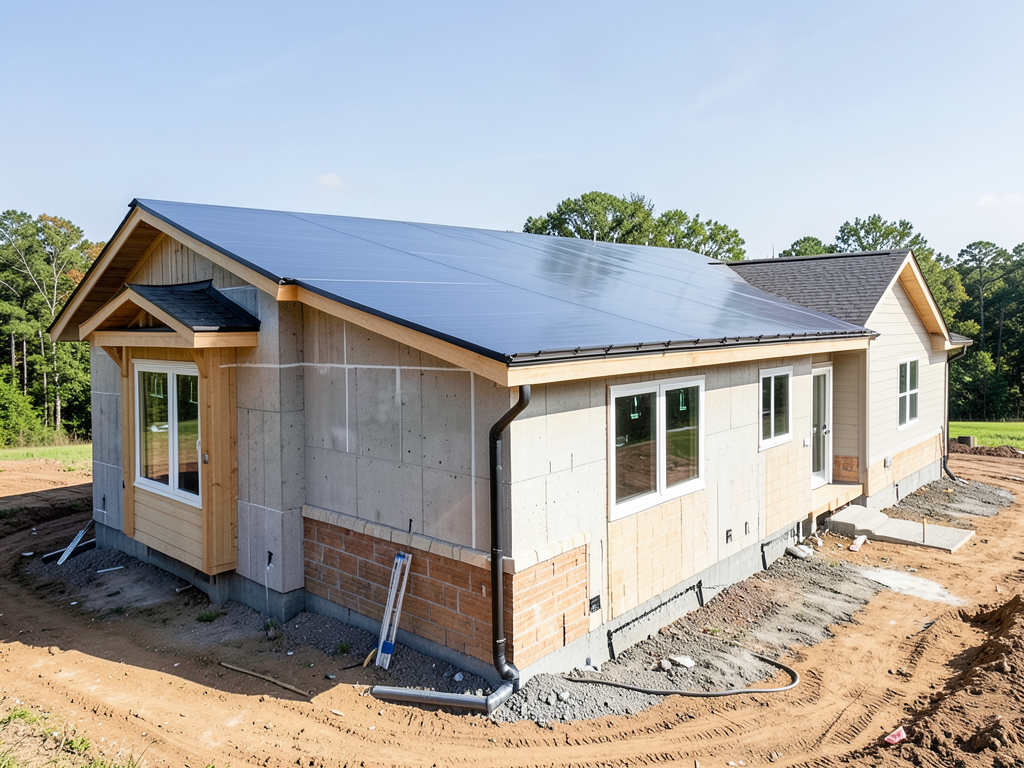
Sloped roofs work well for Hillcrest additions when homeowners want to match existing gable or hip roof profiles or when creating vaulted ceiling spaces in the new construction. The steeper pitch provides superior water shedding during heavy rainstorms common to the region.
Architectural asphalt shingles remain the most economical sloped roof option, costing approximately 30% less than premium materials while providing 20 to 25 years of service life. Modern architectural shingles offer dimensional texture that enhances curb appeal. Metal Roof vs Asphalt Shingles Cost.
Metal roofing systems, including standing seam panels and metal shingles, provide exceptional durability for sloped additions. These systems last 40 to 60 years and perform excellently in DC’s climate, resisting wind uplift during summer thunderstorms.
Slate and synthetic slate options create a high-end appearance that complements Hillcrest’s historic homes near the Fort Circle Parks. While premium materials cost more upfront, they eliminate replacement cycles and add significant property value. The Real Cost of a Roof Replacement for Washington DC Homeowners.
Structural Considerations for Your Addition Roof
Load-bearing capacity determines whether your existing foundation can support the additional weight of a new roof structure. Flat roof systems typically add 10 to 15 pounds per square foot when fully loaded with snow, while sloped roofs with heavy materials like slate can exceed 25 pounds per square foot.
Joist reinforcement often becomes necessary when adding a second-story addition or expanding an existing single-story structure. The DC Department of Buildings requires engineered drawings showing how the new roof ties into existing wall framing and foundation systems.
Roof pitch calculations must account for both aesthetic integration and practical drainage. A minimum 2:12 pitch works for most membrane roofing systems, while traditional shingles require at least 4:12 pitch to prevent water infiltration under wind-driven rain conditions.
Valley construction requires special attention when a new addition creates intersecting roof planes. Proper flashing installation using ice and water shield underlayment prevents leaks that commonly develop in these transition areas during freeze-thaw cycles.
DC Building Code Requirements for Additions
The DC Construction Codes mandate specific requirements for roof assemblies based on building use and occupancy. Residential additions must comply with Chapter 15 of the International Residential Code as adopted by the District, including minimum R-value requirements for roof insulation. National Roofing Contractors Association technical standards.
Roof drainage systems must handle 100-year storm events, requiring properly sized gutters and downspouts that direct water at least five feet away from foundation walls. The DC Department of Buildings inspects these systems during final approval of addition projects.
Fire-resistance ratings apply to roof assemblies based on proximity to property lines. Additions within three feet of side lot lines require Class A fire-rated roofing materials, eliminating the use of untreated wood shakes or shingles in these locations.
Energy compliance under DC’s Green Building Act affects roof assembly specifications. New additions must meet current insulation requirements, typically R-38 for sloped roofs and R-30 for flat roof assemblies, using materials that provide continuous insulation without thermal bridging.
Cost Comparison: Flat vs. Sloped Addition Roofs
| Roof Type | Material Cost/SF | Installation Cost/SF | Total Cost/SF | Lifespan |
|---|---|---|---|---|
| Flat TPO | $3.50-$5.00 | $4.00-$6.00 | $7.50-$11.00 | 20-25 years |
| Flat EPDM | $3.00-$4.50 | $3.50-$5.50 | $6.50-$10.00 | 15-20 years |
| Architectural Shingles | $2.50-$4.00 | $3.00-$5.00 | $5.50-$9.00 | 20-25 years |
| Standing Seam Metal | $7.00-$10.00 | $5.00-$8.00 | $12.00-$18.00 | 40-60 years |
| Slate | $15.00-$25.00 | $8.00-$12.00 | $23.00-$37.00 | 75-100 years |
Integration with Existing Roof Structures
Successful roof addition projects require careful integration with existing roofing materials to prevent water infiltration. The tie-in process involves removing existing shingles or membrane in a 3-foot-wide strip along the connection point.
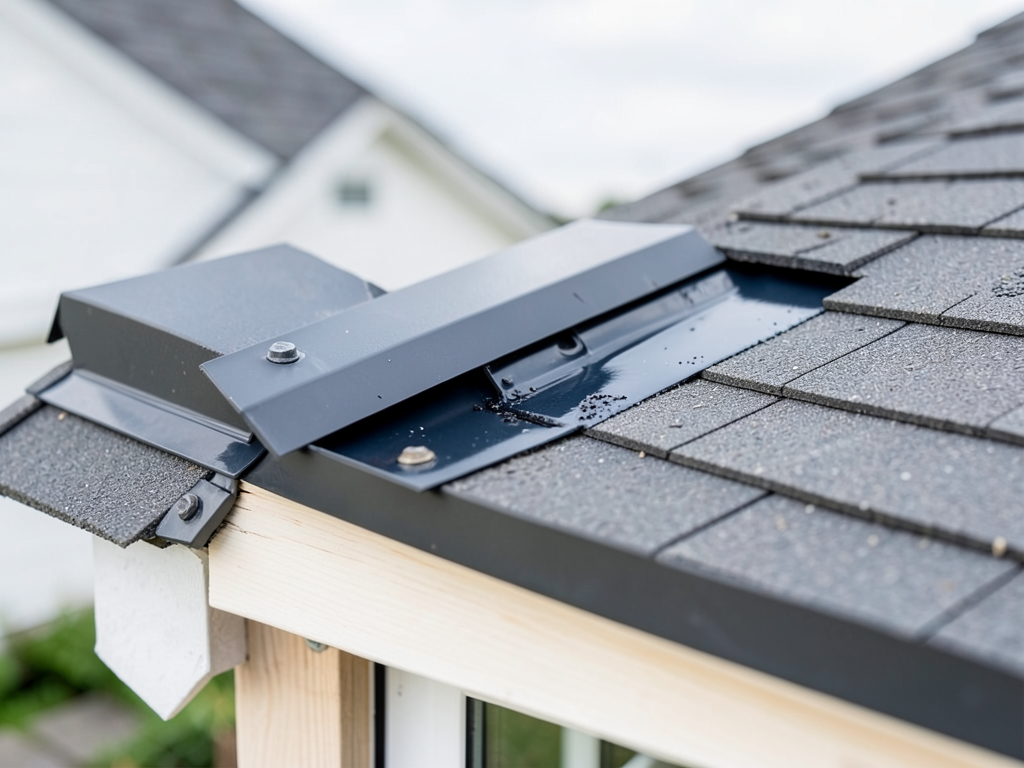
Step flashing installation provides the most reliable waterproofing method for sloped roof tie-ins. Each piece of step flashing interlocks with shingles or shakes, creating a water-shedding pathway that directs moisture down the roof plane rather than into the addition structure.
For flat roof tie-ins, a termination bar system secures the new membrane to the existing roof surface. This creates a clean edge that prevents wind uplift and water infiltration while maintaining the building’s thermal envelope.
Cricket installation behind chimneys or where roof planes intersect at different heights prevents water ponding that can lead to premature membrane failure. These small diversion structures direct water around obstacles and toward proper drainage points.
Energy Efficiency Considerations
Roof color and material selection significantly impact cooling costs during DC’s humid summers. Light-colored TPO membranes reflect up to 80% of solar radiation, reducing attic temperatures by 20 to 30 degrees compared to dark asphalt shingles.
Cool roof coatings applied over existing flat roof assemblies can reduce heat absorption by 25% to 35%. These elastomeric coatings provide additional waterproofing while extending the service life of underlying roofing materials.
Proper attic ventilation prevents moisture accumulation that can compromise insulation performance and create conditions favorable to mold growth. Ridge vents, soffit vents, and gable vents work together to create continuous air circulation that maintains consistent roof deck temperatures.
Solar reflectance index (SRI) ratings help homeowners select materials that comply with DC’s energy codes while maximizing energy savings. Materials with SRI values above 78 qualify for energy efficiency incentives and reduce urban heat island effects.
Maintenance Requirements by Roof Type
Flat roof systems require biannual inspections to check for membrane punctures, seam separation, and drainage system blockages. Leaves and debris accumulation in roof valleys can create ponding water that accelerates membrane deterioration.
Sloped roof maintenance focuses on shingle condition, flashing integrity, and gutter system performance. Missing or damaged shingles allow water infiltration that can compromise roof deck integrity and lead to interior water damage.
Metal roof systems need inspection of panel fasteners and sealant joints every three to five years. Thermal expansion causes slight movement that can loosen fasteners or create gaps in sealant joints over time.
Slate and tile roofs require minimal maintenance beyond periodic inspection of mortar joints and replacement of cracked or broken pieces. These premium materials provide the lowest lifetime maintenance costs despite higher initial installation expenses.
Weather Impact on Roof Selection
DC’s climate creates specific challenges for roof systems. Summer thunderstorms with wind speeds exceeding 60 mph can lift poorly secured shingles or membrane flashings, while winter freeze-thaw cycles cause expansion and contraction that stresses roof connections. How to Get Your Roof Ready for a DC Winter in Chevy Chase.
Snow load considerations affect structural design requirements. While Hillcrest rarely experiences extreme snow accumulation, the occasional 6 to 8-inch snowfall creates significant weight on roof structures, particularly older homes with original framing systems.
UV radiation intensity in the DC area accelerates material degradation, particularly for organic-based roofing materials. Synthetic alternatives and UV-resistant coatings extend service life in this high-exposure environment.
Humidity levels averaging 65% to 70% throughout the year create conditions favorable to algae and moss growth on shaded roof surfaces. These organisms retain moisture against roofing materials, accelerating deterioration and creating unsightly black streaks on shingles.
Making Your Final Decision
Budget constraints often drive initial roof selection, but lifecycle cost analysis reveals that premium materials frequently provide better long-term value. A $15,000 metal roof lasting 50 years costs less per year than a $7,000 asphalt roof requiring replacement every 20 years.
Architectural compatibility ensures your addition enhances rather than detracts from your home’s appearance. Matching roof pitch, material, and color creates visual continuity, while deliberate contrast can highlight the addition as a modern update.
Future plans influence roof selection. If you anticipate adding solar panels or a rooftop deck within five years, selecting a roof system compatible with these modifications prevents costly tear-offs and replacements.
Resale value considerations favor materials that appeal to broad buyer preferences while meeting neighborhood standards. Premium roofing materials often return 70% to 85% of their cost through increased property values and faster sales.
Frequently Asked Questions
How long does a typical addition roof installation take?
Most addition roof installations require 3 to 7 days depending on roof size, complexity, and weather conditions. Simple flat roof tie-ins may complete in 2 days, while complex sloped additions with multiple valleys take up to 10 days.
Will I need to replace my existing roof when adding an addition?
Not necessarily. If your existing roof is in good condition and less than 10 years old, we can tie into it using proper flashing techniques. However, if your roof approaches 15 years of age, replacing both simultaneously often proves more cost-effective.
What permits are required for a roof addition in Hillcrest?
The DC Department of Buildings requires building permits for all structural additions. This includes roof framing plans, energy compliance documentation, and inspections at rough framing and final stages. Historic district properties may need additional approvals from preservation boards.
How do I maintain my new addition roof?
Schedule professional inspections annually and after major storms. Keep gutters clean, remove debris from flat roof surfaces, and address minor repairs promptly. Most roof systems benefit from cleaning every 2 to 3 years to remove algae and moss growth.
Can I install solar panels on my new addition roof later?
Yes, but plan ahead. Flat roofs accommodate ballasted solar mounting systems without penetrations. Sloped roofs require structural evaluation to ensure framing can support panel weight plus wind loads. Discuss solar plans during initial design to incorporate necessary reinforcements.
Ready to Start Your Hillcrest Addition?
Choosing the right roof for your addition impacts your home’s functionality, appearance, and long-term value. Our team understands Hillcrest’s unique architectural character and DC’s building requirements, ensuring your project meets all codes while complementing your home’s existing design.
Call (771) 240-3300 today to schedule your free consultation. We’ll assess your specific needs, explain your options, and provide a detailed proposal with no obligation. Don’t let another season pass without maximizing your home’s potential.
Pick up the phone and call (771) 240-3300 before the next storm hits. Your Hillcrest home deserves a roof that protects your investment for decades to come.
{
“@context”: “https://schema.org”,
“@type”: “BlogPosting”,
“headline”: “Choosing Between Flat and Sloped Roofs for Hillcrest Home Additions”,
“description”: “Expert guide to selecting flat vs. sloped roofs for Hillcrest home additions. Learn about drainage, load-bearing, and DC code compliance for your expansion.”,
“wordCount”: 2035,
“datePublished”: “2026-03-19T10:08:00.000Z”,
“dateModified”: “2026-03-19T10:08:00.000Z”,
“inLanguage”: “en-US”,
“mainEntityOfPage”: {
“@type”: “WebPage”,
“@id”: “https://aceroofingwashingtondc.com”
},
“publisher”: {
“@type”: “LocalBusiness”,
“name”: “Ace Roofing Washington DC”,
“url”: “https://aceroofingwashingtondc.com”
},
“author”: {
“@type”: “Organization”,
“name”: “Ace Roofing Washington DC”,
“url”: “https://aceroofingwashingtondc.com”
},
“image”: {
“@type”: “ImageObject”,
“url”: “https://aceroofingwashingtondc.com/wp-content/uploads/2026/03/choosing-between-flat-and-sloped-roofs-for-hillcre-1.png”
}
}
{
“@context”: “https://schema.org”,
“@type”: “RoofingContractor”,
“name”: “Ace Roofing Washington DC”,
“url”: “https://aceroofingwashingtondc.com”,
“address”: {
“@type”: “PostalAddress”,
“addressLocality”: “Washington DC”
},
“areaServed”: {
“@type”: “City”,
“name”: “Washington DC”
}
}
{
“@context”: “https://schema.org”,
“@type”: “FAQPage”,
“mainEntity”: [
{
“@type”: “Question”,
“name”: “How long does a typical addition roof installation take?”,
“acceptedAnswer”: {
“@type”: “Answer”,
“text”: “Most addition roof installations require 3 to 7 days depending on roof size, complexity, and weather conditions. Simple flat roof tie-ins may complete in 2 days, while complex sloped additions with multiple valleys take up to 10 days.”
}
},
{
“@type”: “Question”,
“name”: “Will I need to replace my existing roof when adding an addition?”,
“acceptedAnswer”: {
“@type”: “Answer”,
“text”: “Not necessarily. If your existing roof is in good condition and less than 10 years old, we can tie into it using proper flashing techniques. However, if your roof approaches 15 years of age, replacing both simultaneously often proves more cost-effective.”
}
},
{
“@type”: “Question”,
“name”: “What permits are required for a roof addition in Hillcrest?”,
“acceptedAnswer”: {
“@type”: “Answer”,
“text”: “The DC Department of Buildings requires building permits for all structural additions. This includes roof framing plans, energy compliance documentation, and inspections at rough framing and final stages. Historic district properties may need additional approvals from preservation boards.”
}
},
{
“@type”: “Question”,
“name”: “How do I maintain my new addition roof?”,
“acceptedAnswer”: {
“@type”: “Answer”,
“text”: “Schedule professional inspections annually and after major storms. Keep gutters clean, remove debris from flat roof surfaces, and address minor repairs promptly. Most roof systems benefit from cleaning every 2 to 3 years to remove algae and moss growth.”
}
},
{
“@type”: “Question”,
“name”: “Can I install solar panels on my new addition roof later?”,
“acceptedAnswer”: {
“@type”: “Answer”,
“text”: “Yes, but plan ahead. Flat roofs accommodate ballasted solar mounting systems without penetrations. Sloped roofs require structural evaluation to ensure framing can support panel weight plus wind loads. Discuss solar plans during initial design to incorporate necessary reinforcements.”
}
},
{
“@type”: “Question”,
“name”: “Ready to Start Your Hillcrest Addition?”,
“acceptedAnswer”: {
“@type”: “Answer”,
“text”: “Choosing the right roof for your addition impacts your home’s functionality, appearance, and long-term value. Our team understands Hillcrest’s unique architectural character and DC’s building requirements, ensuring your project meets all codes while complementing your home’s existing design.”
}
}
]
}
{
“@context”: “https://schema.org”,
“@type”: “BreadcrumbList”,
“itemListElement”: [
{
“@type”: “ListItem”,
“position”: 1,
“name”: “Home”,
“item”: “https://aceroofingwashingtondc.com”
},
{
“@type”: “ListItem”,
“position”: 2,
“name”: “Blog”,
“item”: “https://aceroofingwashingtondc.com/blog”
},
{
“@type”: “ListItem”,
“position”: 3,
“name”: “Choosing Between Flat and Sloped Roofs for Hillcrest Home Additions”
}
]
}
{
“@context”: “https://schema.org”,
“@type”: “Service”,
“serviceType”: “Roofing”,
“provider”: {
“@type”: “LocalBusiness”,
“name”: “Ace Roofing Washington DC”,
“url”: “https://aceroofingwashingtondc.com”
},
“areaServed”: {
“@type”: “City”,
“name”: “Washington DC”
},
“description”: “Expert guide to selecting flat vs. sloped roofs for Hillcrest home additions. Learn about drainage, load-bearing, and DC code compliance for your expansion.”
}