
Choosing the Right Commercial Roofing Contractor Near the Navy Yard
Commercial property owners in Washington DC’s Navy Yard face unique roofing challenges from the area’s dense urban environment and strict building codes. Finding a qualified contractor who understands local regulations and can handle the specific demands of flat commercial roofs is critical for protecting your investment. DC contractor licensing requirements.
The Navy Yard has transformed from an industrial waterfront into a bustling business district with high-rise office buildings, mixed-use developments, and waterfront properties. Each structure requires specialized roofing knowledge to address issues like limited roof access, weight restrictions for equipment, and compliance with DC’s historic preservation guidelines when buildings are near the Capitol Riverfront Historic District. DC historic preservation guidelines.
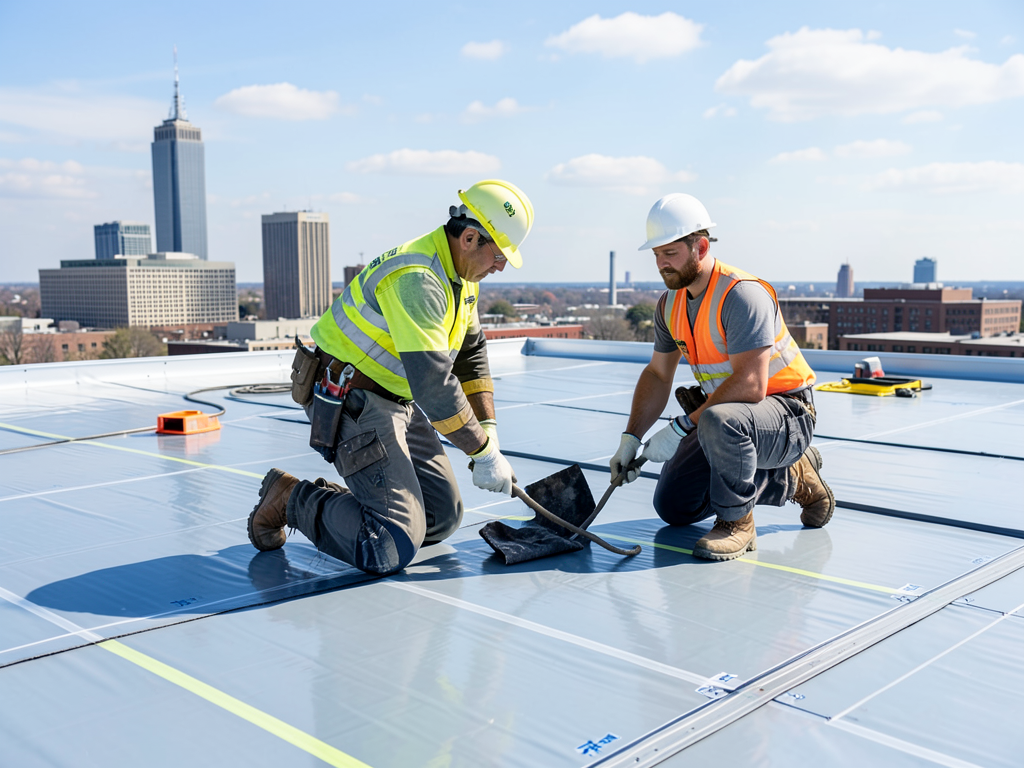
Commercial roofing systems in this area typically involve flat or low-slope designs using materials like TPO, EPDM, or modified bitumen. These systems must withstand the urban heat island effect, manage stormwater runoff under DC’s stringent Chesapeake Bay watershed regulations, and provide energy efficiency to reduce cooling costs during humid summers. Roofing Rockville.
Choosing the right contractor means finding someone with DC-specific licensing, experience with large-scale commercial projects, and knowledge of local building department requirements. The right partner will help you navigate permit processes, ensure code compliance, and provide warranties that protect your building for years to come.
Understanding Commercial Roofing Systems for Navy Yard Buildings
Commercial buildings in the Navy Yard area typically use flat or low-slope roofing systems that differ significantly from residential sloped roofs. These systems require specialized installation techniques and materials designed to handle standing water, HVAC equipment loads, and foot traffic from maintenance crews. Built-Up Roofing.
TPO (Thermoplastic Polyolefin) roofing has become increasingly popular in the District due to its energy efficiency and durability. This single-ply membrane reflects UV rays, helping buildings stay cooler during DC’s hot summers. TPO installations in the Navy Yard must account for the area’s occasional high winds coming off the Anacostia River, requiring proper fastening systems and wind uplift ratings. Roofing McLean.
EPDM (Ethylene Propylene Diene Monomer) rubber roofing offers excellent resistance to UV radiation and thermal shock. Many older commercial buildings in the Navy Yard area still use EPDM systems, which can last 20-30 years with proper maintenance. The material’s flexibility makes it ideal for buildings that experience slight structural movement.
Modified bitumen roofing provides multiple layers of protection and works well for buildings with frequent roof access. This system involves heat-welded or cold-applied asphalt layers that create a durable surface capable of handling equipment mounting and maintenance traffic common in commercial settings. Metal Roof vs Asphalt Shingles Cost.
Green roof systems are gaining traction in the Navy Yard as businesses seek LEED certification and improved stormwater management. These systems add significant weight to roof structures and require specialized engineering to ensure buildings can support the additional load of soil, plants, and retained water.
Proper drainage design is critical for Navy Yard commercial roofs. The area’s combined sewer system means that roof runoff must be carefully managed to prevent overwhelming municipal infrastructure during heavy rains. Contractors must design systems that direct water to appropriate drains while preventing ponding that can damage roofing materials.
Roof access and staging present unique challenges in the Navy Yard’s dense urban environment. Contractors must plan for limited street parking, narrow alleyways, and the need to protect pedestrians below during installation. This often requires specialized equipment and careful scheduling to minimize disruption to surrounding businesses.
Energy efficiency regulations in DC require commercial buildings to meet specific performance standards. Modern roofing systems must incorporate cool roof technology, proper insulation, and sometimes solar-ready designs to comply with local energy codes and reduce the building’s carbon footprint.. Read more about Best Rated Roofers for Modern Home Renovations in the Wharf District.
DC Building Code Compliance and Permit Requirements
Washington DC enforces some of the strictest building codes in the nation, particularly for commercial properties in historic districts. The DC Department of Buildings (DOB) requires detailed engineering calculations, material specifications, and compliance documentation before issuing permits for commercial roofing projects.
Historic preservation guidelines apply to many Navy Yard buildings near the Capitol Riverfront Historic District. Any roofing work visible from public rights-of-way must maintain the building’s historic character. This often means using materials that match the original construction or obtaining special approvals for modern alternatives. Why Your Capitol Hill Rowhouse Needs a Specialized Flat Roof System.
Stormwater management regulations in DC require commercial roofs to control runoff and prevent pollution of the Anacostia and Potomac rivers. This means incorporating detention systems, green infrastructure, or specialized drainage that meets the District’s environmental protection standards.
Fire safety codes in DC mandate specific fire ratings for commercial roofing materials, particularly for buildings with multiple occupancies or those located near other structures. Contractors must provide documentation proving that installed systems meet Class A fire resistance requirements.
Load calculations are critical for Navy Yard commercial buildings, many of which were constructed before modern engineering standards. Contractors must verify that existing roof structures can support new materials, equipment, and potential green roof installations without compromising building integrity.
Permit processing times in DC can vary significantly, especially for projects in historic districts or those requiring environmental reviews. Experienced contractors understand the DOB’s requirements and can help property owners navigate the approval process efficiently.
Insurance requirements for commercial roofing in DC are stringent. Contractors must carry specific liability coverage, workers’ compensation, and sometimes additional bonds to work on certain types of commercial properties. Property owners should verify these credentials before hiring any contractor.
Building height restrictions in DC, governed by the Height of Buildings Act, affect roofing system design. Contractors must ensure that any additions, equipment installations, or structural modifications comply with these limitations while still meeting the building’s functional needs.
Evaluating Commercial Roofing Contractors in the Navy Yard Area
Finding qualified commercial roofing contractors in the Navy Yard requires careful evaluation of experience, licensing, and local knowledge. Not all roofing companies have the expertise to handle the specific challenges of DC’s commercial buildings, from historic preservation requirements to complex permitting processes.
DC licensing is mandatory for all commercial roofing work in the District. Contractors must hold a Class A or Class B license from the DC Department of Consumer and Regulatory Affairs, proving they meet financial, insurance, and experience requirements. Always verify current license status before hiring any contractor.
Experience with similar projects is crucial. Ask potential contractors for references from other Navy Yard or Capitol Riverfront businesses. A contractor who has successfully completed projects in the area will understand local logistics, code requirements, and the specific needs of commercial properties in this dense urban environment.
Manufacturer certifications indicate a contractor’s commitment to quality and ongoing training. Major roofing manufacturers like GAF, Firestone, and Carlisle offer certification programs that ensure contractors understand proper installation techniques and can provide extended warranties on their work.
Safety records matter significantly for commercial projects. Contractors working in the Navy Yard must have strong safety programs to protect workers and the public in this busy area. Ask about OSHA compliance, safety training programs, and incident rates when evaluating potential contractors.
Financial stability is important for commercial projects that often require substantial upfront investment. Established contractors with strong financial backing can provide better warranties, handle larger projects, and weather unexpected challenges without compromising quality or timelines.
Communication and project management capabilities are essential for commercial work. The right contractor will provide detailed proposals, maintain clear communication throughout the project, and have systems in place to handle changes or unexpected issues that arise during installation.
Insurance coverage should be verified and appropriate for commercial work. This includes general liability, workers’ compensation, and often additional coverage for projects in densely populated areas where public safety is a concern.
Local knowledge extends beyond just knowing the building codes. Contractors familiar with the Navy Yard understand the area’s traffic patterns, parking restrictions, and how to work efficiently in a location where businesses operate year-round and cannot afford extended disruptions.
Cost Factors and Investment Considerations
Commercial roofing costs in the Navy Yard vary significantly based on building size, roof complexity, material selection, and project scope. Understanding these factors helps property owners budget appropriately and evaluate contractor proposals effectively.
Material costs fluctuate based on market conditions, with petroleum-based products like EPDM and modified bitumen particularly sensitive to oil price changes. Current market conditions in 2026 show increased costs for many roofing materials due to supply chain issues and inflation, making early planning essential.
Roof size and complexity directly impact labor costs. Buildings with multiple levels, numerous penetrations, or complicated drainage systems require more installation time and specialized expertise. The Navy Yard’s mix of historic and modern buildings means each project presents unique challenges that affect pricing.
Removal and disposal of existing roofing materials adds significant cost to many projects. DC’s strict waste management regulations require proper disposal of construction debris, and some older buildings may contain asbestos or other hazardous materials that require special handling.
Energy efficiency upgrades, while increasing upfront costs, can provide substantial long-term savings through reduced cooling costs and potential tax incentives. Many Navy Yard businesses find that investing in cool roof technology or solar-ready designs pays for itself within a few years.
Permit fees and engineering costs vary based on project scope and building type. Historic properties or those requiring environmental reviews may have additional fees and longer approval timelines that should be factored into project budgets.
Maintenance considerations affect lifetime costs significantly. Higher-quality materials and proper installation may cost more initially but reduce long-term maintenance expenses and extend the roof’s useful life, providing better return on investment over time.
Insurance premium reductions are sometimes available for buildings with upgraded roofing systems that improve fire resistance or wind uplift ratings. Property owners should consult with their insurance providers about potential savings from specific roofing improvements.
Financing options vary among contractors, with some offering payment plans or assistance with energy efficiency rebates and tax credits. Understanding available financial incentives can make higher-quality roofing systems more affordable for Navy Yard businesses.
Emergency repair costs can be substantial, especially during peak seasons when contractors are busiest. Including a maintenance contract or emergency service agreement in your roofing investment can provide peace of mind and potentially reduce costs for unexpected repairs.
Maintenance and Long-Term Roof Management
Commercial roofs in the Navy Yard require regular maintenance to maximize their lifespan and prevent costly emergency repairs. The area’s urban environment, with its pollution, debris, and occasional severe weather, creates specific maintenance challenges that building owners must address proactively.
Scheduled inspections should occur at least twice annually, typically in spring and fall. These inspections identify potential issues before they become major problems, such as membrane damage, flashing deterioration, or drainage system blockages that could lead to water infiltration.
Debris removal is critical in the Navy Yard’s urban setting where leaves, trash, and other materials accumulate on flat roofs. Regular cleaning prevents drainage system blockages and reduces the risk of ponding water that can damage roofing materials and compromise building integrity.
Flashing maintenance around HVAC units, vents, and other roof penetrations is essential. These areas are common failure points where water can enter the building if seals deteriorate. Regular inspection and maintenance of these critical areas prevents leaks that could damage interior spaces and equipment.
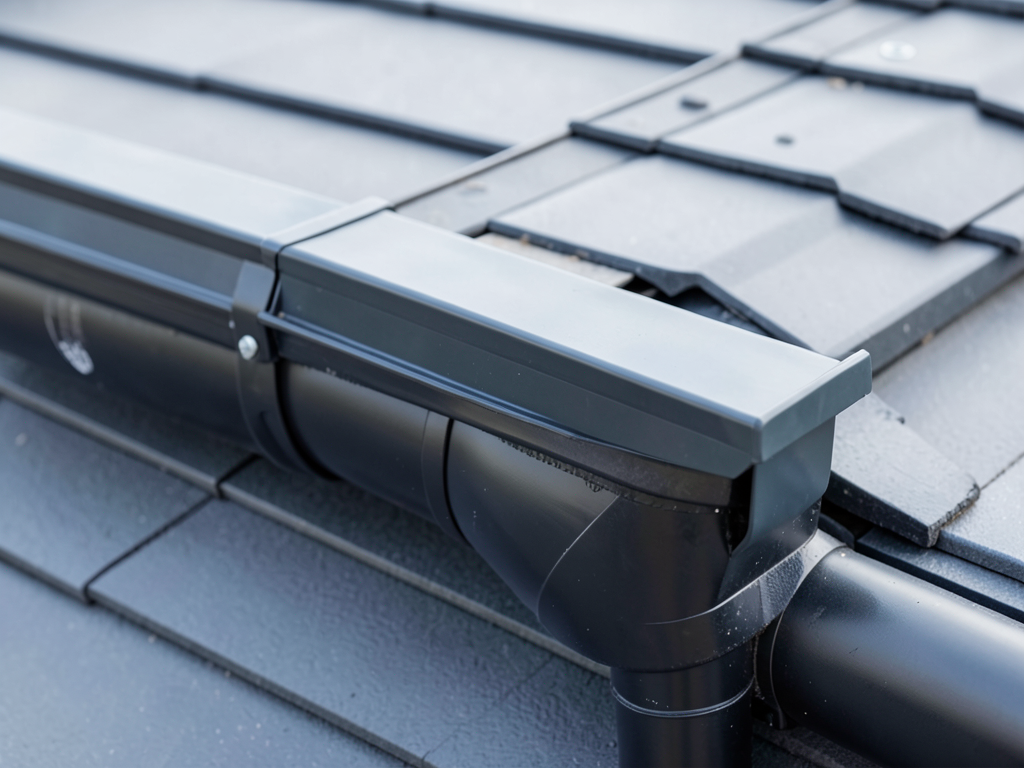
Drainage system maintenance ensures proper water flow during storms. Navy Yard buildings must comply with DC’s stormwater regulations, making functional drains, scuppers, and downspouts essential for both building protection and environmental compliance.
Roof coating applications can extend the life of existing roofing systems by providing additional UV protection and waterproofing. These maintenance treatments are particularly valuable in DC’s climate, where intense sun exposure and temperature fluctuations can accelerate material degradation.. Read more about Roof Waterproofing and Coating Solutions for Downtown DC Businesses.
Energy efficiency monitoring helps identify when roofing systems need attention. Increased cooling costs or hot spots on the roof surface may indicate that the roofing system needs maintenance or upgrades to maintain its reflective properties and insulation effectiveness.
Documentation of all maintenance activities provides valuable records for building management and can support warranty claims if issues arise. Detailed maintenance logs help track roof condition over time and inform decisions about future repairs or replacement needs.
Emergency response planning is important for Navy Yard businesses that cannot afford extended downtime. Establishing relationships with qualified contractors who offer 24/7 emergency service ensures rapid response when leaks or other roofing issues threaten business operations.
Budget planning for future roof replacement or major repairs should begin well before the end of a roof’s expected lifespan. Setting aside funds annually for this inevitable expense prevents financial strain when replacement becomes necessary and allows for proper planning of the work.
Frequently Asked Questions
How much does commercial roofing cost in the Navy Yard area?
Commercial roofing costs in the Navy Yard typically range from $8 to $15 per square foot for standard systems, with premium materials or complex installations costing more. Factors affecting price include roof size, material selection, building height, and any historic preservation requirements.
How long does it take to get permits for commercial roofing in DC?
Permit processing times vary based on project complexity and whether the building is in a historic district. Simple commercial roofing permits may take 2-4 weeks, while projects requiring historic preservation review or environmental assessments can take 6-12 weeks or longer.
What warranties are available for commercial roofing in DC?
Commercial roofing warranties typically range from 10 to 30 years depending on the material and installation quality. Many manufacturers offer enhanced warranties when certified contractors install their systems, and some contractors provide additional workmanship warranties covering installation quality.
Do I need a special contractor for historic buildings in the Navy Yard?
Yes, historic buildings require contractors familiar with DC’s preservation guidelines and historic district requirements. These contractors understand material restrictions, installation techniques that preserve historic character, and the approval process for modifications to protected structures.
How can I tell if my commercial roof needs replacement?
Signs that commercial roofs need replacement include widespread membrane damage, recurring leaks, significant energy cost increases, and age exceeding the material’s expected lifespan. Professional inspections can identify these issues and recommend whether repair or replacement is most cost-effective.
Protecting Your Navy Yard Investment
Commercial roofing decisions impact your building’s value, operational efficiency, and long-term maintenance costs. The Navy Yard’s unique combination of historic preservation requirements, strict building codes, and urban challenges makes choosing the right contractor essential for project success.
Quality commercial roofing protects your building from water damage, improves energy efficiency, and maintains property value. Whether you’re managing an office building, retail space, or mixed-use development, investing in proper roofing systems and qualified contractors pays dividends through reduced maintenance costs and extended roof life.
The right commercial roofing partner brings more than installation skills. They provide valuable expertise in navigating DC’s complex regulatory environment, understanding local building requirements, and recommending systems that balance performance, cost, and compliance with District standards.
Don’t wait until roofing problems become emergencies. Schedule a professional inspection to assess your current roof’s condition and discuss options for maintenance, repair, or replacement. Early planning allows for proper budgeting, permit processing, and selection of the best materials and contractors for your specific needs.
Call (771) 240-3300 today to schedule your commercial roof inspection. Our experienced team understands the unique requirements of Navy Yard buildings and can help you make informed decisions about protecting your commercial property investment.
{
“@context”: “https://schema.org”,
“@type”: “BlogPosting”,
“headline”: “Choosing the Right Commercial Roofing Contractor Near the Navy Yard”,
“description”: “Find expert commercial roofing services near Washington DC’s Navy Yard. Learn about flat roof systems, code compliance, and how to choose a qualified contractor.”,
“wordCount”: 2542,
“datePublished”: “2026-02-20T11:27:00.000Z”,
“dateModified”: “2026-02-20T11:27:00.000Z”,
“inLanguage”: “en-US”,
“mainEntityOfPage”: {
“@type”: “WebPage”,
“@id”: “https://aceroofingwashingtondc.com”
},
“publisher”: {
“@type”: “LocalBusiness”,
“name”: “Ace Roofing Washington DC”,
“url”: “https://aceroofingwashingtondc.com”
},
“author”: {
“@type”: “Organization”,
“name”: “Ace Roofing Washington DC”,
“url”: “https://aceroofingwashingtondc.com”
},
“image”: {
“@type”: “ImageObject”,
“url”: “https://aceroofingwashingtondc.com/wp-content/uploads/2026/03/choosing-the-right-commercial-roofing-contractor-n-1.png”
}
}
{
“@context”: “https://schema.org”,
“@type”: “RoofingContractor”,
“name”: “Ace Roofing Washington DC”,
“url”: “https://aceroofingwashingtondc.com”,
“address”: {
“@type”: “PostalAddress”,
“addressLocality”: “Washington DC”
},
“areaServed”: {
“@type”: “City”,
“name”: “Washington DC”
}
}
{
“@context”: “https://schema.org”,
“@type”: “FAQPage”,
“mainEntity”: [
{
“@type”: “Question”,
“name”: “How much does commercial roofing cost in the Navy Yard area?”,
“acceptedAnswer”: {
“@type”: “Answer”,
“text”: “Commercial roofing costs in the Navy Yard typically range from $8 to $15 per square foot for standard systems, with premium materials or complex installations costing more. Factors affecting price include roof size, material selection, building height, and any historic preservation requirements.”
}
},
{
“@type”: “Question”,
“name”: “How long does it take to get permits for commercial roofing in DC?”,
“acceptedAnswer”: {
“@type”: “Answer”,
“text”: “Permit processing times vary based on project complexity and whether the building is in a historic district. Simple commercial roofing permits may take 2-4 weeks, while projects requiring historic preservation review or environmental assessments can take 6-12 weeks or longer.”
}
},
{
“@type”: “Question”,
“name”: “What warranties are available for commercial roofing in DC?”,
“acceptedAnswer”: {
“@type”: “Answer”,
“text”: “Commercial roofing warranties typically range from 10 to 30 years depending on the material and installation quality. Many manufacturers offer enhanced warranties when certified contractors install their systems, and some contractors provide additional workmanship warranties covering installation quality.”
}
},
{
“@type”: “Question”,
“name”: “Do I need a special contractor for historic buildings in the Navy Yard?”,
“acceptedAnswer”: {
“@type”: “Answer”,
“text”: “Yes, historic buildings require contractors familiar with DC’s preservation guidelines and historic district requirements. These contractors understand material restrictions, installation techniques that preserve historic character, and the approval process for modifications to protected structures.”
}
},
{
“@type”: “Question”,
“name”: “How can I tell if my commercial roof needs replacement?”,
“acceptedAnswer”: {
“@type”: “Answer”,
“text”: “Signs that commercial roofs need replacement include widespread membrane damage, recurring leaks, significant energy cost increases, and age exceeding the material’s expected lifespan. Professional inspections can identify these issues and recommend whether repair or replacement is most cost-effective.”
}
}
]
}
{
“@context”: “https://schema.org”,
“@type”: “BreadcrumbList”,
“itemListElement”: [
{
“@type”: “ListItem”,
“position”: 1,
“name”: “Home”,
“item”: “https://aceroofingwashingtondc.com”
},
{
“@type”: “ListItem”,
“position”: 2,
“name”: “Blog”,
“item”: “https://aceroofingwashingtondc.com/blog”
},
{
“@type”: “ListItem”,
“position”: 3,
“name”: “Choosing the Right Commercial Roofing Contractor Near the Navy Yard”
}
]
}
{
“@context”: “https://schema.org”,
“@type”: “Service”,
“serviceType”: “Roofing”,
“provider”: {
“@type”: “LocalBusiness”,
“name”: “Ace Roofing Washington DC”,
“url”: “https://aceroofingwashingtondc.com”
},
“areaServed”: {
“@type”: “City”,
“name”: “Washington DC”
},
“description”: “Find expert commercial roofing services near Washington DC’s Navy Yard. Learn about flat roof systems, code compliance, and how to choose a qualified contractor.”
}