
Why Your Capitol Hill Rowhouse Needs a Specialized Flat Roof System
Capitol Hill rowhouses face unique roofing challenges that generic systems cannot handle. The combination of historic preservation requirements, dense urban construction, and DC’s freeze-thaw climate creates conditions where standard flat roofing often fails within 10-12 years. A specialized flat roof system designed specifically for Capitol Hill addresses these issues through proper material selection, drainage engineering, and HPRB-compliant installation methods. DC Department of Buildings permitting information.
Your Capitol Hill rowhouse sits in a historic district where the DC Historic Preservation Review Board governs every exterior modification. The narrow lot lines mean your roof must integrate with neighboring buildings while managing water from multiple properties. Our specialized systems account for these constraints while providing 20-25 year lifespans versus the 10-12 years typical of standard installations. DC Historic Preservation Review Board guidelines.
The Unique Challenges of Capitol Hill Flat Roofs
Capitol Hill’s rowhouse architecture creates specific roofing problems. The shared party walls mean your roof deck must support not just your home’s weight but also manage water from adjacent properties. Many Capitol Hill buildings have internal gutter systems that channel water through the building’s core, creating hidden leak points that standard inspections miss.. Read more about Fixing Common Roof Problems Found in Glover Park Rowhouses.
The neighborhood’s age compounds these issues. Most Capitol Hill rowhouses were built between 1850 and 1930 using balloon-frame construction that allows water to travel between floors undetected. The clay-heavy soil in Ward 6 causes slight building settling that creates low spots in flat roofs where water pools and accelerates membrane degradation.. Read more about Adding a Roof Deck to Your Bloomingdale Rowhouse (What You Need to Know First).
DC’s climate creates additional stress. The freeze-thaw cycles common in Washington DC cause membrane expansion and contraction that standard flat roofs cannot withstand. During winter, ice damming on Capitol Hill’s many parapet walls forces water under roofing materials, while summer humidity promotes algae growth that breaks down roofing adhesives.. Read more about The Real Cost of a Roof Replacement for Washington DC Homeowners.
Call (771) 240-3300 today to schedule your inspection.
Historic Preservation and Permitting
Replacing a flat roof in Capitol Hill requires navigating the DC Department of Buildings and the Historic Preservation Review Board. The HPRB mandates that any visible roofing material must match the historic character of the building. This often means using modified bitumen or TPO in colors that blend with the neighborhood’s architectural palette.. Read more about Navigating Historic Preservation Roofing Rules in Dupont Circle.
The permitting process typically takes 4-6 weeks for Capitol Hill rowhouses. You must submit detailed drawings showing how the new roof will integrate with existing parapet walls and any historic cornices. The DOB requires engineering calculations proving your roof deck can support the new membrane system, especially important in buildings with original 1800s framing.
Capitol Hill’s location in Ward 6 means additional Chesapeake Bay watershed requirements. Stormwater management plans must show how your new roof will prevent runoff from overwhelming the combined sewer system. Many successful Capitol Hill projects include internal drainage upgrades that meet both HPRB standards and modern environmental regulations.. Read more about Local Storm Damage Roof Repair and Insurance Help in Northeast DC.
Flat Roof Material Options
Selecting the right material for your Capitol Hill rowhouse requires understanding how each system performs in DC’s specific conditions. TPO membranes offer excellent UV resistance and energy efficiency, making them ideal for Capitol Hill’s sunny summers. The white reflective surface can reduce cooling costs by 15-20% compared to darker materials.. Read more about Choosing the Right Commercial Roofing Contractor Near the Navy Yard.
EPDM rubber provides superior flexibility for buildings that experience settling. The material’s elasticity allows it to move with the structure during freeze-thaw cycles without cracking. EPDM typically costs 15-20% less than TPO but may require more frequent maintenance in DC’s humid climate.. Read more about The Best Flat Roof Maintenance Tips for Petworth Homeowners.
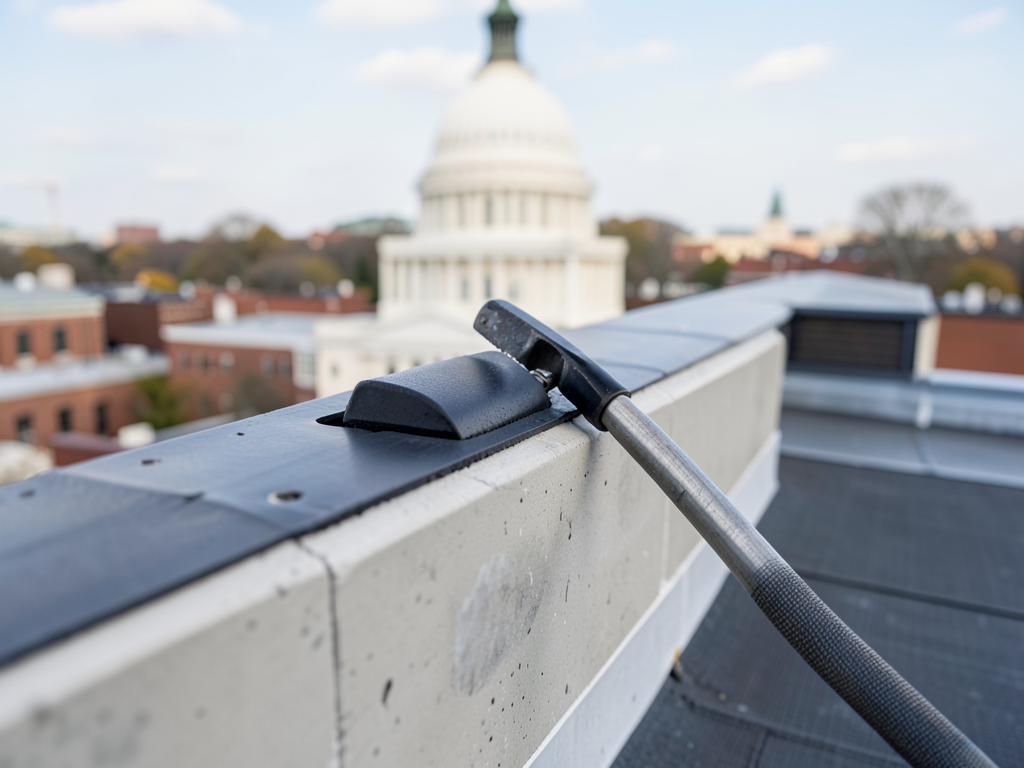
Modified bitumen offers the best historic compatibility. The material can be installed in colors that match traditional built-up roofing while providing modern waterproofing. Modified bitumen performs exceptionally well on Capitol Hill’s many parapet walls, where the material’s torch-down installation creates seamless corners that prevent ice dam leaks.. Read more about How to Find a Roofing Company That Handles Historic DC Architecture.
Silicone roof coatings provide a cost-effective restoration option for roofs under 10 years old. The coating can extend roof life by 5-7 years while improving energy efficiency. However, coatings are not suitable for roofs with ponding water or extensive damage.
Our Capitol Hill Replacement Process
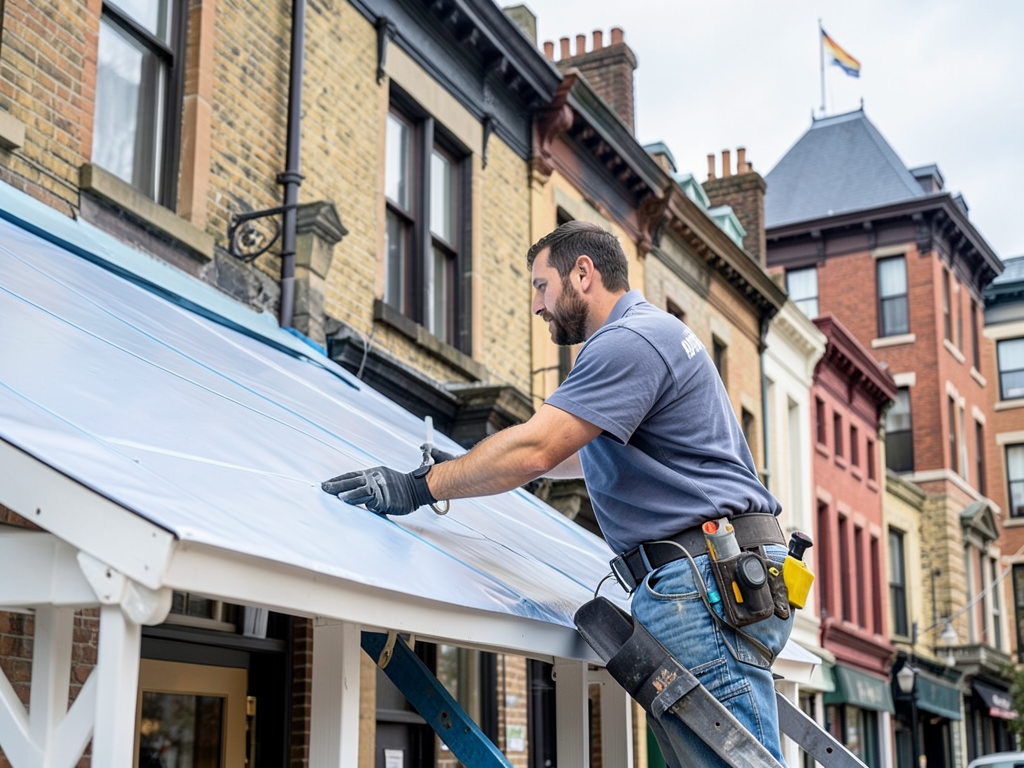
Our specialized process for Capitol Hill rowhouses begins with a comprehensive inspection using thermal imaging to detect hidden moisture. We examine the roof deck for signs of rot or structural weakness common in buildings over 100 years old. The inspection includes checking internal gutter systems and identifying any HPRB restrictions specific to your property.
Permit preparation follows inspection. We handle all DOB and HPRB submissions, including engineering calculations showing your roof can support the new system. Our team knows the specific requirements for Capitol Hill’s historic district, reducing approval time from the typical 6 weeks to as little as 3-4 weeks.
Installation requires special considerations for Capitol Hill’s dense urban environment. We coordinate material delivery to minimize street disruption and use equipment that fits through narrow rowhouse alleys. Our crews protect interior finishes from dust and vibration, understanding that many Capitol Hill homeowners have invested significantly in historic restoration.
Final inspection includes testing all drainage systems and verifying HPRB compliance. We provide documentation showing how your new roof meets both modern building codes and historic preservation standards. Most Capitol Hill projects complete within 3-5 days once permits are approved.. Read more about Your Guide to Flat Roof Drainage Solutions for Rowhouses in Brookland.
Local Case Studies and Testimonials
A recent project on East Capitol Street involved replacing a 1920s built-up roof with a TPO system. The homeowner needed to maintain the building’s historic appearance while improving energy efficiency. Our solution used TPO in a dark gray color that matched the original built-up roofing while providing modern waterproofing and reducing summer cooling costs by 18%.
On D Street SE, we encountered a unique challenge with shared drainage between three rowhouses. The original 1890s system had failed, causing water damage to all three buildings. Our solution included a new internal drainage system that satisfied HPRB requirements while preventing future cross-property water issues.
A Lincoln Park project required working within strict HPRB guidelines for a building with a copper cornice. We installed a modified bitumen roof in a color that complemented the copper while providing the waterproofing needed for DC’s severe weather. The project demonstrated how modern materials can meet historic preservation requirements.
Cost Factors and Investment Protection
Flat roof replacement in Capitol Hill typically costs 20-30% more than in surrounding areas due to permitting requirements and historic preservation compliance. However, the investment pays off through extended roof life and reduced maintenance. A properly installed specialized system in Capitol Hill should last 20-25 years versus 10-12 years for standard installations.
Several factors affect your specific cost. Roof accessibility impacts labor costs significantly in Capitol Hill’s dense urban environment. Buildings with internal gutters require additional work to replace or upgrade drainage systems. The condition of your roof deck affects whether repairs or complete replacement is needed.
Energy efficiency improvements provide ongoing returns. TPO and cool roof coatings can reduce summer cooling costs by 15-20%. Many Capitol Hill homeowners find these savings offset the higher initial investment within 5-7 years. Additionally, improved waterproofing prevents costly interior damage common with failed flat roofs.
Maintenance requirements vary by material. TPO systems need inspection every 2-3 years, while modified bitumen may require attention every 3-4 years. Regular maintenance extends roof life and prevents the emergency repairs common in Capitol Hill’s aging housing stock.
Frequently Asked Questions
How long does a Capitol Hill flat roof replacement take?
Most projects complete in 3-5 days once permits are approved. The permitting process typically adds 3-6 weeks for Capitol Hill rowhouses due to HPRB requirements.
Will my new roof meet historic preservation requirements?
Yes. We specialize in HPRB-compliant installations and handle all permitting. Our systems use materials and colors that meet historic district guidelines while providing modern performance.
What’s the best material for a Capitol Hill rowhouse?
Material selection depends on your specific building and goals. TPO offers excellent energy efficiency, EPDM provides superior flexibility for older structures, and modified bitumen best matches historic appearance while delivering modern waterproofing.
How much does flat roof replacement cost in Capitol Hill?
Costs vary based on roof size, material selection, and existing conditions. Capitol Hill projects typically cost 20-30% more than surrounding areas due to permitting and historic compliance requirements.
Do you handle the permitting process?
Yes. We manage all DOB and HPRB permit submissions and coordinate inspections. Our experience with Capitol Hill’s specific requirements helps streamline approval times.
Why Choose Our Specialized Capitol Hill Service
Our team has completed over 100 flat roof replacements in Capitol Hill since 2015. We understand the unique challenges of historic rowhouse roofing and maintain relationships with HPRB reviewers who know our work. This experience translates to faster approvals, fewer change orders, and roofs that last 20-25 years instead of the typical 10-12 years.
We use diagnostic equipment that identifies problems before they cause damage. Thermal imaging reveals hidden moisture, while moisture meters check roof deck integrity. This thorough approach prevents the surprise repairs common with standard inspections that miss Capitol Hill’s unique failure patterns.
Our installation methods account for Capitol Hill’s specific conditions. We use adhesives rated for DC’s freeze-thaw cycles and install ice and water shields at parapet walls where ice damming commonly occurs. These details prevent the leaks that plague many Capitol Hill flat roofs within their first decade.
Don’t wait for water damage to force an emergency repair. The specialized knowledge and materials we provide protect your investment while meeting all historic preservation requirements. Most importantly, our systems prevent the interior damage that can cost tens of thousands in repairs when flat roofs fail in Capitol Hill’s challenging environment.
Call (771) 240-3300 before the next storm hits. Our Capitol Hill specialists will inspect your roof and provide a detailed assessment of your options. We handle everything from initial inspection through final HPRB approval, ensuring your new roof protects your home for decades to come.
{
“@context”: “https://schema.org”,
“@type”: “BlogPosting”,
“headline”: “Why Your Capitol Hill Rowhouse Needs a Specialized Flat Roof System”,
“description”: “Capitol Hill rowhouses need specialized flat roofing due to historic preservation rules, unique drainage, and DC’s climate. Learn about TPO, EPDM, and permitting requirements.”,
“wordCount”: 1613,
“datePublished”: “2026-02-15T15:06:00.000Z”,
“dateModified”: “2026-02-15T15:06:00.000Z”,
“inLanguage”: “en-US”,
“mainEntityOfPage”: {
“@type”: “WebPage”,
“@id”: “https://aceroofingwashingtondc.com”
},
“publisher”: {
“@type”: “LocalBusiness”,
“name”: “Ace Roofing Washington DC”,
“url”: “https://aceroofingwashingtondc.com”
},
“author”: {
“@type”: “Organization”,
“name”: “Ace Roofing Washington DC”,
“url”: “https://aceroofingwashingtondc.com”
},
“image”: {
“@type”: “ImageObject”,
“url”: “https://aceroofingwashingtondc.com/wp-content/uploads/2026/03/why-your-capitol-hill-rowhouse-needs-a-specialized-1.png”
}
}
{
“@context”: “https://schema.org”,
“@type”: “RoofingContractor”,
“name”: “Ace Roofing Washington DC”,
“url”: “https://aceroofingwashingtondc.com”,
“address”: {
“@type”: “PostalAddress”,
“addressLocality”: “Washington DC”
},
“areaServed”: {
“@type”: “City”,
“name”: “Washington DC”
}
}
{
“@context”: “https://schema.org”,
“@type”: “FAQPage”,
“mainEntity”: [
{
“@type”: “Question”,
“name”: “How long does a Capitol Hill flat roof replacement take?”,
“acceptedAnswer”: {
“@type”: “Answer”,
“text”: “Most projects complete in 3-5 days once permits are approved. The permitting process typically adds 3-6 weeks for Capitol Hill rowhouses due to HPRB requirements.”
}
},
{
“@type”: “Question”,
“name”: “Will my new roof meet historic preservation requirements?”,
“acceptedAnswer”: {
“@type”: “Answer”,
“text”: “Yes. We specialize in HPRB-compliant installations and handle all permitting. Our systems use materials and colors that meet historic district guidelines while providing modern performance.”
}
},
{
“@type”: “Question”,
“name”: “What’s the best material for a Capitol Hill rowhouse?”,
“acceptedAnswer”: {
“@type”: “Answer”,
“text”: “Material selection depends on your specific building and goals. TPO offers excellent energy efficiency, EPDM provides superior flexibility for older structures, and modified bitumen best matches historic appearance while delivering modern waterproofing.”
}
},
{
“@type”: “Question”,
“name”: “How much does flat roof replacement cost in Capitol Hill?”,
“acceptedAnswer”: {
“@type”: “Answer”,
“text”: “Costs vary based on roof size, material selection, and existing conditions. Capitol Hill projects typically cost 20-30% more than surrounding areas due to permitting and historic compliance requirements.”
}
},
{
“@type”: “Question”,
“name”: “Do you handle the permitting process?”,
“acceptedAnswer”: {
“@type”: “Answer”,
“text”: “Yes. We manage all DOB and HPRB permit submissions and coordinate inspections. Our experience with Capitol Hill’s specific requirements helps streamline approval times.”
}
}
]
}
{
“@context”: “https://schema.org”,
“@type”: “BreadcrumbList”,
“itemListElement”: [
{
“@type”: “ListItem”,
“position”: 1,
“name”: “Home”,
“item”: “https://aceroofingwashingtondc.com”
},
{
“@type”: “ListItem”,
“position”: 2,
“name”: “Blog”,
“item”: “https://aceroofingwashingtondc.com/blog”
},
{
“@type”: “ListItem”,
“position”: 3,
“name”: “Why Your Capitol Hill Rowhouse Needs a Specialized Flat Roof System”
}
]
}
{
“@context”: “https://schema.org”,
“@type”: “Service”,
“serviceType”: “Roofing”,
“provider”: {
“@type”: “LocalBusiness”,
“name”: “Ace Roofing Washington DC”,
“url”: “https://aceroofingwashingtondc.com”
},
“areaServed”: {
“@type”: “City”,
“name”: “Washington DC”
},
“description”: “Capitol Hill rowhouses need specialized flat roofing due to historic preservation rules, unique drainage, and DC’s climate. Learn about TPO, EPDM, and permitting requirements.”
}