
Do High Elevation Homes in North Portal Estates Actually Need Lightning Rods?
North Portal Estates sits on one of the highest elevations in Washington DC, making homes here more vulnerable to lightning strikes than properties in lower-lying areas. The combination of elevated terrain, mature tree canopies near Rock Creek Park, and the district’s humid summer thunderstorms creates conditions where lightning protection becomes more than just a precaution—it becomes a critical safety investment for your home and family. Lightning Protection Institute certification.
Homeowners in this exclusive neighborhood often ask whether lightning rods are truly necessary or just an unnecessary expense. The answer depends on several factors specific to North Portal Estates, including your home’s height, proximity to tall trees, and the age of your electrical system. Homes with slate or copper roofing—common in this area—face additional considerations since these materials conduct electricity differently than standard asphalt shingles. Metal Roof vs Asphalt Shingles Cost.
Lightning protection systems installed by certified professionals follow strict National Fire Protection Association (NFPA) 780 standards and require UL Master Label certification to ensure proper grounding and surge protection. These systems don’t just protect your roof; they safeguard your entire home’s electrical infrastructure, electronics, and most importantly, your family’s safety during severe weather events. NFPA 780 lightning protection standards.
Understanding Lightning Risk in North Portal Estates
The unique geography of North Portal Estates creates specific lightning vulnerability patterns that differ from other DC neighborhoods. The area’s elevation—approximately 300 feet above sea level—places homes above the surrounding terrain, making them natural lightning attractors during electrical storms.
Rock Creek Park’s dense tree canopy creates another risk factor. Mature oaks and poplars can channel lightning strikes toward nearby homes, especially those within 100 feet of the tree line. The combination of elevated homes and tall trees creates a dangerous electrical pathway during storms.
Summer thunderstorms in the DC area produce an average of 20-25 lightning strikes per square mile annually, with North Portal Estates experiencing slightly higher rates due to its topography. The humid air mass that builds during July and August creates ideal conditions for electrical charge separation in storm clouds.
Older homes in the neighborhood often have outdated electrical systems that lack proper surge protection. When lightning strikes nearby, these systems can suffer catastrophic damage to wiring, appliances, and HVAC equipment. Modern lightning protection systems include surge protective devices (SPDs) that prevent this type of damage.
How Lightning Protection Systems Work for DC Homes
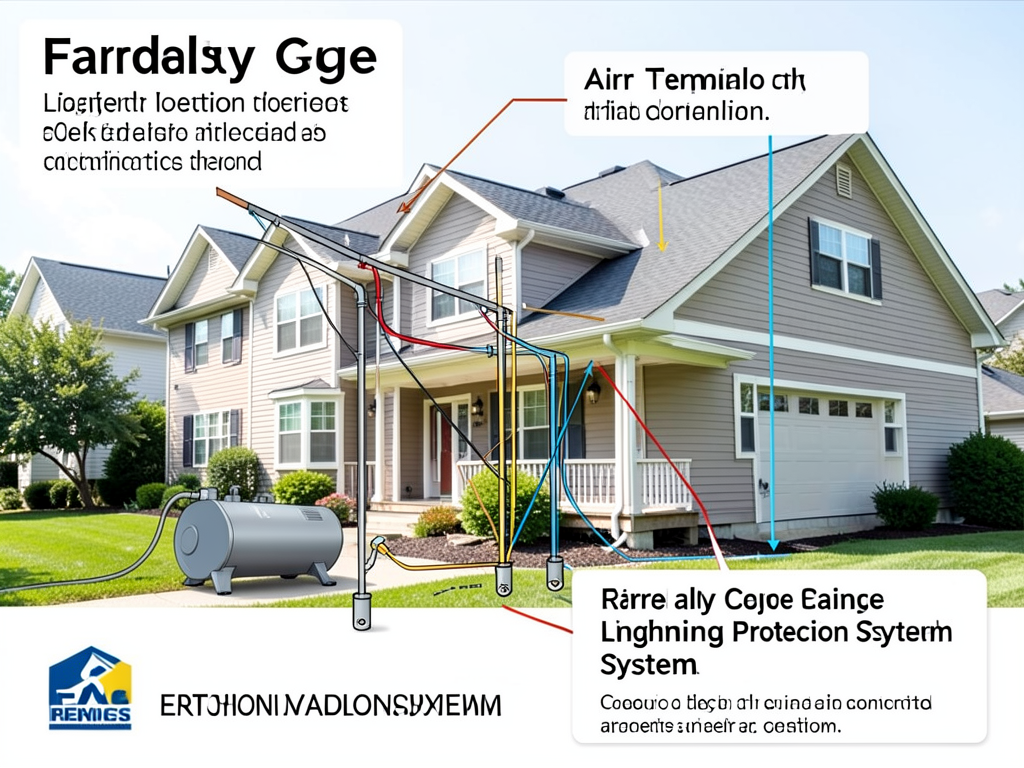
A properly designed lightning protection system creates a Faraday cage effect around your home, providing a safe path for electrical discharge to reach the ground without damaging your structure. The system consists of several interconnected components working together to protect your entire property.
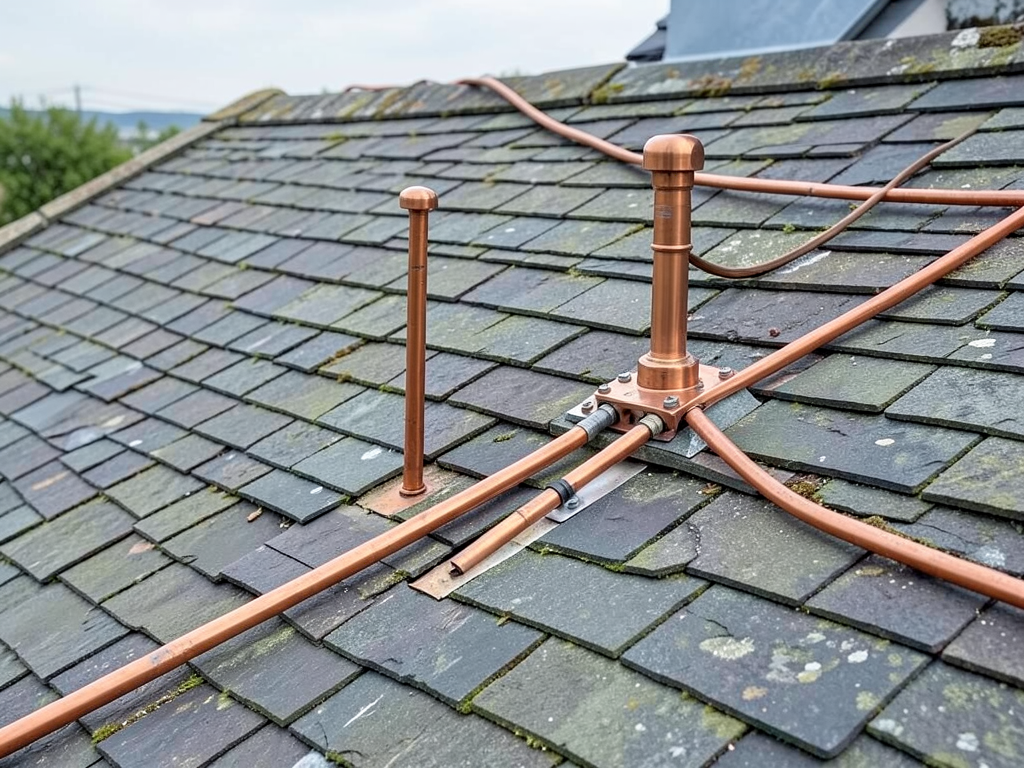
Air terminals (commonly called lightning rods) are strategically placed at the highest points of your roof. These copper or aluminum rods attract lightning strikes and provide a controlled path for the electrical current. The terminals connect to main conductors that run along your roof’s edges and down to the ground.
Grounding electrodes form the critical final component of the system. These copper-clad steel rods penetrate at least 10 feet into the earth, providing a low-resistance path for lightning energy to dissipate safely. The grounding system must meet specific resistance requirements outlined in NFPA 780 to be effective.
Surge protective devices installed at your electrical panel prevent lightning-induced voltage spikes from traveling through your home’s wiring. These devices can save thousands of dollars in damaged electronics and appliances during a nearby strike.
NFPA 780 Compliance and DC Building Codes
Lightning protection installation in Washington DC must comply with NFPA 780, the industry standard for lightning protection systems. This standard specifies minimum requirements for system design, materials, and installation methods to ensure reliable protection. The Real Cost of a Roof Replacement for Washington DC Homeowners.
The District of Columbia Building Code references NFPA 780 for lightning protection requirements, particularly for new construction and major renovations. Homes undergoing significant roof replacement or structural modifications may need to upgrade their lightning protection to meet current code requirements.
UL 96A provides the testing and certification standards for lightning protection components. Only UL-listed materials should be used in your system to ensure they meet safety and performance requirements. The UL Master Label certification program requires third-party inspection of completed installations.
Historic preservation guidelines in DC may affect lightning protection installation on older homes. The Historic Preservation Office requires that systems be installed with minimal visual impact on historic facades. This often means using smaller air terminals and concealing conductors within roof structures when possible. Navigating Historic Preservation Roofing Rules in Dupont Circle.
Local electrical inspectors verify that lightning protection systems meet code requirements during final inspections. Systems installed without proper permits or inspections may create liability issues if damage occurs later.
Copper vs. Aluminum Lightning Protection Systems
Choosing between copper and aluminum lightning protection systems involves several factors specific to North Portal Estates homes. Copper systems offer superior conductivity and durability but come at a higher initial cost.
Copper air terminals and conductors provide excellent corrosion resistance in DC’s humid climate. The material’s natural conductivity ensures reliable lightning discharge even during extreme strikes. Copper systems typically last 40-50 years with minimal maintenance. The Best Flat Roof Maintenance Tips for Petworth Homeowners.
Aluminum systems cost 30-40% less than copper but require larger conductors to achieve the same conductivity. Aluminum can corrode when in contact with certain building materials, so proper isolation is essential. These systems work well for homes with aluminum roofing or siding. Roofing Rockville.
Copper systems integrate better with slate and copper roofing materials common in North Portal Estates. The similar metallurgy prevents galvanic corrosion that can occur when dissimilar metals contact each other.
Aluminum systems may be preferable for homes with extensive aluminum windows or siding to maintain material consistency throughout the structure. The weight difference also matters for older homes where roof loading is a concern.
Historic Home Considerations in North Portal Estates
Many homes in North Portal Estates were built between the 1920s and 1950s, featuring architectural details that require special consideration for lightning protection installation. Colonial Revival, Tudor, and Craftsman-style homes each present unique challenges.
Historic slate roofs require careful handling during lightning protection installation. The brittle nature of slate means air terminals must be mounted using non-penetrating clamps that distribute weight across multiple tiles. This prevents cracking and maintains the roof’s watertight integrity.
Ornamental copper flashing and finials on historic homes can serve as natural lightning protection elements. These features can be integrated into the overall protection system, reducing the need for additional visible hardware.
Ornamental chimneys and dormers create multiple high points that require air terminal placement. The goal is to protect these architectural features while maintaining their visual prominence from street level.
Older electrical systems in historic homes often lack proper grounding infrastructure. Lightning protection installation may require upgrading the home’s electrical grounding to meet modern safety standards, adding to the overall project scope.
Cost Factors for Lightning Protection in DC
Lightning protection system costs vary based on home size, roof complexity, and material selection. For a typical North Portal Estates home, complete systems range from $3,500 to $8,000, with most installations falling in the $5,000-$6,000 range.
Roof size directly affects system cost. Larger homes require more air terminals, longer conductor runs, and additional grounding electrodes. A 3,000-square-foot home typically needs 6-8 air terminals compared to 3-4 for a 1,500-square-foot home.
Roof complexity increases installation difficulty and cost. Multiple roof levels, steep pitches, and intricate architectural details require more time and specialized mounting hardware. Homes with multiple chimneys or dormers need additional terminals and conductor runs.
Material selection significantly impacts pricing. Copper systems cost 40-50% more than aluminum but offer better longevity and aesthetics for historic homes. The premium often pays for itself through reduced maintenance and better property integration.
Historic home requirements can add 15-25% to installation costs. Specialized mounting hardware, careful material handling, and coordination with preservation guidelines all contribute to higher labor expenses.
Insurance Benefits and ROI for DC Homeowners
Installing lightning protection can provide significant insurance benefits for North Portal Estates homeowners. Many insurance companies offer premium discounts of 5-15% for homes with certified lightning protection systems.
The average lightning-related insurance claim in the DC area exceeds $10,000, covering damage to electronics, appliances, HVAC systems, and electrical infrastructure. A properly installed protection system can prevent these costly claims.
Home resale value may increase with lightning protection installation. Buyers in the luxury market often view certified protection systems as valuable safety features, particularly in areas prone to severe weather.
Peace of mind represents an intangible but significant benefit. Knowing your home has professional lightning protection provides security during summer thunderstorms when lightning activity peaks.
The typical payback period for lightning protection installation ranges from 7-12 years when considering insurance discounts, prevented damage, and increased property value. For high-value homes in North Portal Estates, the investment often makes financial sense.
Maintenance and Inspection Requirements
Lightning protection systems require annual inspection to ensure continued effectiveness. The Lightning Protection Institute recommends professional inspection every 12 months to check for corrosion, loose connections, and grounding system integrity.
Visual inspections should check for damaged air terminals, loose conductor connections, and signs of corrosion on metal components. Any damage should be repaired immediately to maintain system effectiveness.
Grounding system resistance should be tested every 3-5 years using specialized equipment. Increased resistance indicates soil conditions have changed or corrosion has affected the grounding electrodes.
After severe storms, systems should be inspected for damage. Lightning strikes can cause physical damage to air terminals or create electrical surges that affect system components.
Homeowners should keep documentation of all inspections and maintenance. This information proves valuable for insurance purposes and helps track system performance over time.
Choosing a Certified Lightning Protection Installer
Selecting the right installer for your North Portal Estates home requires careful consideration of qualifications and experience. Look for contractors certified by the Lightning Protection Institute (LPI) or Underwriters Laboratories (UL).
LPI certification indicates the installer has completed specialized training in lightning protection design and installation. LPI-certified contractors understand the nuances of NFPA 780 requirements and can design systems that meet both safety standards and aesthetic requirements.
UL Master Label certification requires third-party inspection of completed installations. This certification provides the highest level of assurance that your system meets all safety and performance standards.
Experience with historic homes in DC is crucial for North Portal Estates properties. Installers should understand the specific requirements of working on older homes and be familiar with local preservation guidelines.
Request references from homeowners in similar properties. A reputable installer should provide examples of previous installations in your area and be willing to discuss their approach to your specific home.
Frequently Asked Questions
Do lightning rods actually attract lightning?
Lightning rods don’t attract lightning; they provide a preferred path for lightning to follow if a strike occurs nearby. The system intercepts lightning and safely directs it to ground, protecting your home from damage.
Will lightning protection affect my roof warranty?
Professional installation using proper mounting methods should not void your roof warranty. In fact, many roofing manufacturers recommend lightning protection to prevent damage that could void warranties. Always verify with your roofing contractor.
How long does installation take?
Most residential lightning protection installations take 1-2 days for a typical home. Complex installations on historic properties may require 3-4 days to ensure proper integration with existing architectural features.
Can I install lightning protection myself?
DIY lightning protection installation is not recommended. These systems require specialized knowledge of electrical codes, grounding requirements, and proper materials. Improper installation can create dangerous conditions and may violate local building codes.
What happens if lightning strikes my protected home?
A properly installed system safely directs the lightning strike to ground, preventing damage to your home’s structure and electrical systems. You may hear a loud noise, but your home should remain safe and undamaged.
- Schedule a Professional Assessment
Have a certified lightning protection specialist evaluate your home’s specific risks, including elevation, proximity to trees, and existing electrical infrastructure.
- Review System Design Options
Compare copper vs. aluminum systems, understand air terminal placement, and discuss integration with your home’s architecture and roofing materials.
- Verify Certifications and Insurance
Ensure your installer carries proper liability insurance and holds current LPI or UL certifications for lightning protection installation.
- Obtain Permits and Schedule Installation
Work with your installer to secure necessary permits from DC authorities and schedule installation during favorable weather conditions.
- Schedule Follow-up Inspections
Plan for annual inspections and testing to ensure your system remains effective and compliant with safety standards.
Protect Your North Portal Estates Home Today
Lightning protection represents a smart investment for North Portal Estates homeowners who want to safeguard their property and family. The combination of elevated terrain, mature tree canopies, and DC’s summer thunderstorms creates conditions where lightning protection moves from optional to essential.
Don’t wait for the next severe storm to realize your home lacks adequate protection. Professional lightning protection systems installed by certified specialists provide peace of mind and can prevent thousands of dollars in potential damage.
Call (771) 240-3300 today to schedule your lightning protection assessment. Our LPI-certified specialists understand the unique requirements of North Portal Estates homes and can design a system that protects your property while preserving its historic character and architectural beauty.
Pick up the phone and call (771) 240-3300 before the next storm hits. Your family’s safety and your home’s protection are worth the investment in professional lightning protection.
{
“@context”: “https://schema.org”,
“@type”: “BlogPosting”,
“headline”: “Do High Elevation Homes in North Portal Estates Actually Need Lightning Rods?”,
“description”: “Learn why North Portal Estates homes face higher lightning risks due to elevation and proximity to Rock Creek Park. Discover NFPA 780 compliance and UL-certified protection systems.”,
“wordCount”: 2246,
“datePublished”: “2026-05-22T12:31:00.000Z”,
“dateModified”: “2026-05-22T12:31:00.000Z”,
“inLanguage”: “en-US”,
“mainEntityOfPage”: {
“@type”: “WebPage”,
“@id”: “https://aceroofingwashingtondc.com”
},
“publisher”: {
“@type”: “LocalBusiness”,
“name”: “Ace Roofing Washington DC”,
“url”: “https://aceroofingwashingtondc.com”
},
“author”: {
“@type”: “Organization”,
“name”: “Ace Roofing Washington DC”,
“url”: “https://aceroofingwashingtondc.com”
},
“image”: {
“@type”: “ImageObject”,
“url”: “https://aceroofingwashingtondc.com/wp-content/uploads/2026/03/do-high-elevation-homes-in-north-portal-estates-ac-1.png”
}
}
{
“@context”: “https://schema.org”,
“@type”: “RoofingContractor”,
“name”: “Ace Roofing Washington DC”,
“url”: “https://aceroofingwashingtondc.com”,
“address”: {
“@type”: “PostalAddress”,
“addressLocality”: “Washington DC”
},
“areaServed”: {
“@type”: “City”,
“name”: “Washington DC”
}
}
{
“@context”: “https://schema.org”,
“@type”: “FAQPage”,
“mainEntity”: [
{
“@type”: “Question”,
“name”: “Do lightning rods actually attract lightning?”,
“acceptedAnswer”: {
“@type”: “Answer”,
“text”: “Lightning rods don’t attract lightning; they provide a preferred path for lightning to follow if a strike occurs nearby. The system intercepts lightning and safely directs it to ground, protecting your home from damage.”
}
},
{
“@type”: “Question”,
“name”: “Will lightning protection affect my roof warranty?”,
“acceptedAnswer”: {
“@type”: “Answer”,
“text”: “Professional installation using proper mounting methods should not void your roof warranty. In fact, many roofing manufacturers recommend lightning protection to prevent damage that could void warranties. Always verify with your roofing contractor.”
}
},
{
“@type”: “Question”,
“name”: “How long does installation take?”,
“acceptedAnswer”: {
“@type”: “Answer”,
“text”: “Most residential lightning protection installations take 1-2 days for a typical home. Complex installations on historic properties may require 3-4 days to ensure proper integration with existing architectural features.”
}
},
{
“@type”: “Question”,
“name”: “Can I install lightning protection myself?”,
“acceptedAnswer”: {
“@type”: “Answer”,
“text”: “DIY lightning protection installation is not recommended. These systems require specialized knowledge of electrical codes, grounding requirements, and proper materials. Improper installation can create dangerous conditions and may violate local building codes.”
}
},
{
“@type”: “Question”,
“name”: “What happens if lightning strikes my protected home?”,
“acceptedAnswer”: {
“@type”: “Answer”,
“text”: “A properly installed system safely directs the lightning strike to ground, preventing damage to your home’s structure and electrical systems. You may hear a loud noise, but your home should remain safe and undamaged.”
}
}
]
}
{
“@context”: “https://schema.org”,
“@type”: “HowTo”,
“name”: “How to Choose Lightning Protection”,
“step”: [
{
“@type”: “HowToStep”,
“position”: 1,
“name”: “Schedule a Professional Assessment”,
“text”: “Have a certified lightning protection specialist evaluate your home’s specific risks, including elevation, proximity to trees, and existing electrical infrastructure.”
},
{
“@type”: “HowToStep”,
“position”: 2,
“name”: “Review System Design Options”,
“text”: “Compare copper vs. aluminum systems, understand air terminal placement, and discuss integration with your home’s architecture and roofing materials.”
},
{
“@type”: “HowToStep”,
“position”: 3,
“name”: “Verify Certifications and Insurance”,
“text”: “Ensure your installer carries proper liability insurance and holds current LPI or UL certifications for lightning protection installation.”
},
{
“@type”: “HowToStep”,
“position”: 4,
“name”: “Obtain Permits and Schedule Installation”,
“text”: “Work with your installer to secure necessary permits from DC authorities and schedule installation during favorable weather conditions.”
},
{
“@type”: “HowToStep”,
“position”: 5,
“name”: “Schedule Follow-up Inspections”,
“text”: “Plan for annual inspections and testing to ensure your system remains effective and compliant with safety standards.”
}
],
“image”: “https://aceroofingwashingtondc.com/wp-content/uploads/2026/03/do-high-elevation-homes-in-north-portal-estates-ac-1.png”
}
{
“@context”: “https://schema.org”,
“@type”: “BreadcrumbList”,
“itemListElement”: [
{
“@type”: “ListItem”,
“position”: 1,
“name”: “Home”,
“item”: “https://aceroofingwashingtondc.com”
},
{
“@type”: “ListItem”,
“position”: 2,
“name”: “Blog”,
“item”: “https://aceroofingwashingtondc.com/blog”
},
{
“@type”: “ListItem”,
“position”: 3,
“name”: “Do High Elevation Homes in North Portal Estates Actually Need Lightning Rods?”
}
]
}
{
“@context”: “https://schema.org”,
“@type”: “Service”,
“serviceType”: “Roofing”,
“provider”: {
“@type”: “LocalBusiness”,
“name”: “Ace Roofing Washington DC”,
“url”: “https://aceroofingwashingtondc.com”
},
“areaServed”: {
“@type”: “City”,
“name”: “Washington DC”
},
“description”: “Learn why North Portal Estates homes face higher lightning risks due to elevation and proximity to Rock Creek Park. Discover NFPA 780 compliance and UL-certified protection systems.”
}