
Getting a Professional Roof Inspection Before Selling Your Foggy Bottom Property
Selling your Foggy Bottom property in 2026 requires more than fresh paint and staging. A professional roof inspection can uncover hidden damage prevent last-minute negotiation disasters and give buyers the confidence they need to make an offer. In DC’s competitive real estate market your roof’s condition often determines whether a deal moves forward or falls apart during the inspection period.
Foggy Bottom’s historic row houses and mid-rise condos face unique challenges from the humid Potomac River climate occasional heavy storms and the age of many buildings dating back to the early 1900s. A thorough inspection reveals problems that photos and casual walkthroughs miss protecting both your sale timeline and your bottom line. Navigating Historic Preservation Roofing Rules in Dupont Circle.
What a Professional Roof Inspection Actually Covers
A comprehensive roof inspection goes far beyond looking for missing shingles. Our certified inspectors examine every component that affects your roof’s performance and longevity.
The process starts with a detailed exterior survey. Inspectors check for cracked or curling shingles damaged flashing around chimneys and vents and signs of granule loss that indicates aging asphalt. They measure roof pitch and note any areas where water pools after rain. In Foggy Bottom’s older buildings they pay special attention to flat roof sections common in row houses checking for membrane blisters ponding water and edge deterioration. Metal Roof vs Asphalt Shingles Cost.
Inside the attic inspectors use moisture meters to detect hidden water intrusion. They look for dark stains on rafters check insulation for dampness and examine ventilation systems that prevent moisture buildup. Poor attic ventilation in DC’s humid summers can lead to mold growth and premature shingle failure.
The inspection includes a thorough assessment of gutters and downspouts. Clogged or damaged drainage systems cause water to back up under shingles or overflow onto foundation walls. In Foggy Bottom’s historic districts inspectors also check for proper integration with the building’s original drainage design.
Chimneys receive special attention. Inspectors check mortar joints for deterioration examine flashing seals and look for signs of water penetration that could damage interior walls. Many Foggy Bottom homes have original brick chimneys that require specific maintenance approaches. The Best Flat Roof Maintenance Tips for Petworth Homeowners.
Common Roof Problems Found in Foggy Bottom Properties
Age-related deterioration tops the list. Many Foggy Bottom homes have roofs 20-30 years old approaching the end of their expected lifespan. Asphalt shingles in DC’s climate typically last 15-20 years due to humidity and temperature fluctuations.
Flashing failures are extremely common around dormers valleys and where roof sections meet walls. The freeze-thaw cycles common in DC winters cause metal flashing to expand and contract eventually creating gaps that allow water infiltration. How to Get Your Roof Ready for a DC Winter in Chevy Chase.
Flat roof sections on row houses often develop ponding water issues. Standing water accelerates membrane deterioration and can lead to leaks during heavy rains. Our inspectors use specialized tools to measure water depth and identify drainage problems.
Ventilation problems plague many older buildings. Inadequate attic ventilation causes heat buildup in summer and moisture accumulation in winter both of which shorten roof life and increase energy costs.
Storm damage from high winds and hail can create hidden weaknesses. Shingles may appear intact but have compromised seals that fail during the next storm. Our inspectors look for these subtle signs of damage.
Why Foggy Bottom’s Climate Makes Roof Inspections Critical
Foggy Bottom sits in a unique microclimate influenced by the Potomac River and urban heat island effects. Summer humidity regularly exceeds 70% creating perfect conditions for algae and moss growth on north-facing roof slopes. These organisms retain moisture against shingles accelerating deterioration.
DC’s freeze-thaw cycles cause particular problems. When daytime temperatures rise above freezing but nighttime temperatures drop below water trapped in tiny roof cracks expands as it freezes. This expansion widens cracks over time eventually causing significant damage.
Heavy thunderstorms roll through the area from May through September. These storms often bring wind gusts over 40 mph and rainfall rates exceeding one inch per hour. Roofs with even minor damage can fail catastrophically during these events.
Winter ice damming affects many Foggy Bottom homes with poor attic insulation. When heat escapes through the roof it melts snow at the surface. This meltwater refreezes at the colder eaves creating ice dams that force water under shingles and into the building.
The Inspection Process What to Expect
Our certified inspectors arrive with specialized equipment designed for thorough assessments. They use infrared cameras to detect temperature variations that indicate moisture intrusion moisture meters to quantify water content in materials and drones for safe inspection of steep or difficult-to-access areas.
The inspection typically takes 1-2 hours depending on roof complexity. Inspectors document findings with high-resolution photos and detailed notes. They measure critical areas and note any safety hazards like loose materials or structural weaknesses.
After the inspection you receive a comprehensive report within 24 hours. The report includes color photos of all findings moisture readings and specific recommendations. For sellers we provide a prioritized list of repairs that will maximize return on investment.
Our inspectors are familiar with DC’s building codes and historic district requirements. They can identify issues that might concern buyers or their inspectors allowing you to address problems proactively.
How Roof Inspections Affect Your Sale Timeline
Getting an inspection before listing your property gives you control over the repair process. You can schedule repairs at your convenience rather than rushing to fix problems during a tight contingency period.
Buyers in Foggy Bottom often request roof certifications as part of their due diligence. Having a recent professional inspection report ready demonstrates transparency and can prevent lowball offers based on assumed roof problems.
Insurance companies increasingly require roof inspections for properties over 15 years old. A clean inspection report can help you secure better insurance rates and avoid coverage denials.
In competitive multiple-offer situations a recent roof inspection can be the differentiator that helps your property stand out. Buyers appreciate sellers who provide comprehensive property information upfront.
Cost Factors for Professional Roof Inspections
Inspection costs vary based on property size roof complexity and accessibility. Simple inspections for small row houses typically range from $200-400 while comprehensive assessments of larger properties with multiple roof sections can cost $500-800.
Factors affecting price include steep roof pitches that require special equipment multiple stories that increase inspection time and historic properties that need careful documentation of original materials.
The investment in a professional inspection often pays for itself by identifying minor issues before they become major problems. A $300 inspection might reveal $2000 in needed repairs that would have cost $10000 if ignored until failure.
For Foggy Bottom’s historic properties inspections may include additional documentation required by the Historic Preservation Office. This specialized service typically adds $100-200 to the base cost but provides valuable documentation for compliance purposes.
Real Estate Transaction Benefits
A professional roof inspection report becomes a valuable marketing tool. You can include key findings in your property listing highlighting the roof’s good condition or recent maintenance.
Buyers appreciate transparency. Providing an inspection report upfront builds trust and can prevent the back-and-forth negotiations that often kill deals. Many buyers will pay a premium for properties with documented good condition.
Inspection reports can help you price your property accurately. If the roof needs replacement you can factor that cost into your asking price rather than being surprised by buyer demands during negotiations. The Real Cost of a Roof Replacement for Washington DC Homeowners.
For investment properties roof condition directly affects cash flow projections. Buyers will discount properties with roof issues so addressing problems before listing protects your investment returns.
Choosing the Right Inspection Service
Not all roof inspectors have the same qualifications or equipment. Look for inspectors certified by the National Roofing Contractors Association or similar professional organizations. These certifications require ongoing education and adherence to inspection standards.
Experience with DC’s specific roofing challenges matters. Inspectors familiar with Foggy Bottom’s historic row houses understand the unique issues these properties face from flat roof drainage to original slate installations.
Insurance and licensing are non-negotiable. Your inspector should carry professional liability insurance and be properly licensed in the District of Columbia. Ask to see proof of both before scheduling.
Modern inspection technology provides better results. Inspectors using infrared cameras moisture meters and drones can detect problems that visual inspection alone would miss. This technology investment often justifies higher inspection fees through more accurate findings.
Communication style matters for sellers. Choose an inspector who explains findings clearly and provides practical recommendations. You need someone who can help you understand which issues require immediate attention and which can wait.
Timing Your Inspection Strategically
The best time for a pre-sale inspection is 2-3 months before listing your property. This timing allows you to address any issues without rushing and provides time to get multiple repair quotes if needed.
Avoid scheduling inspections during or immediately after major storms. Heavy rain or wind can create temporary issues that might not reflect your roof’s true condition. Wait at least 48 hours after severe weather for the most accurate assessment.
Spring and fall offer ideal inspection conditions in DC. Temperatures are moderate making it safer for inspectors to walk the roof and recent weather patterns provide a good indication of how your roof handles typical conditions.
If you’re in a seller’s market with high demand you might consider a quick inspection just before listing. While less comprehensive this can still identify major issues that could derail a sale.
Common Seller Mistakes to Avoid
DIY inspections miss critical problems. Without proper training and equipment homeowners often overlook moisture intrusion structural issues and code violations that professional inspectors catch immediately.
Ignoring minor issues can backfire. Small problems like damaged flashing or missing shingles often indicate larger underlying issues. Addressing these proactively prevents buyers from using them as leverage for major price reductions.
Waiting until the last minute creates unnecessary stress. If you discover roof problems during the buyer’s inspection period you’ll be pressured to make rushed decisions about repairs or credits.
Choosing the cheapest inspector often costs more long-term. Inexperienced inspectors may miss critical issues or provide incomplete reports leading to surprises during the buyer’s inspection.
Neglecting documentation can create disputes. Keep all inspection reports repair receipts and warranty information. This documentation proves you’ve maintained the property properly and can prevent unfounded buyer claims.
Protecting Your Investment During the Sale
A professional roof inspection helps you maximize your property’s value. By addressing issues before listing you prevent buyers from using roof problems as negotiation leverage.
Documentation from your inspection becomes part of your property’s history. Future owners will appreciate having records of roof maintenance and repairs potentially making your property more attractive in the long term.
In Foggy Bottom’s historic districts proper roof maintenance preserves architectural integrity. Professional inspections ensure repairs meet historic preservation standards protecting both your investment and the neighborhood’s character.
The peace of mind from knowing your roof’s condition cannot be overstated. You can proceed with confidence through the selling process focusing on other aspects of your move rather than worrying about inspection surprises.
Frequently Asked Questions
How long does a professional roof inspection take?
A thorough roof inspection typically takes 1-2 hours depending on the size and complexity of your property. Larger homes or those with multiple roof sections may require additional time.
What happens if the inspection finds problems?
You’ll receive a detailed report with findings and recommendations. Minor issues can often be repaired quickly while major problems might require more extensive work. You can then decide whether to repair issues before listing or adjust your asking price accordingly.
Can I use the inspection report to negotiate with buyers?
Yes but timing matters. Having your own inspection report allows you to address issues proactively rather than defensively during buyer negotiations. Some sellers provide inspection reports to all potential buyers to build trust.
Do I need a special inspector for historic properties?
While not required inspectors familiar with DC’s historic districts understand the specific requirements and common issues in older buildings. They can identify problems that might concern preservation boards or historic buyers.
How often should I get my roof inspected if I’m not selling?
Most experts recommend professional inspections every 2-3 years for roofs over 10 years old or annually if your roof is over 20 years old or has had previous issues.
Take Action Today
Don’t let roof problems derail your Foggy Bottom property sale. A professional inspection today can save you thousands in negotiations and prevent last-minute deal failures. Our certified inspectors understand DC’s unique roofing challenges and provide comprehensive reports that give buyers confidence.
Call (771) 240-3300 today to schedule your professional roof inspection. We offer flexible scheduling to accommodate your selling timeline and provide detailed reports within 24 hours. Protect your investment and ensure a smooth sale by addressing roof issues before they become deal-breakers.
Pick up the phone and call (771) 240-3300 before the next storm hits. Our team is ready to help you sell your Foggy Bottom property with confidence knowing your roof is in top condition and won’t surprise you during the selling process.
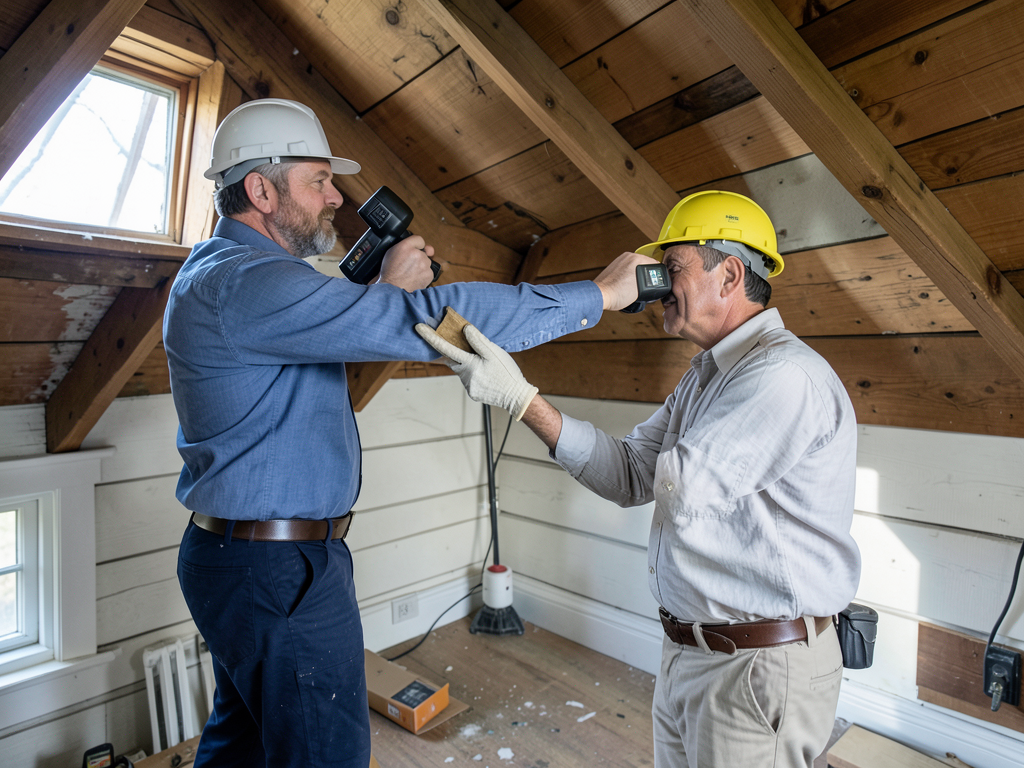
– Technical diagram showing how moisture meters detect water intrusion in roof decking during a professional inspection
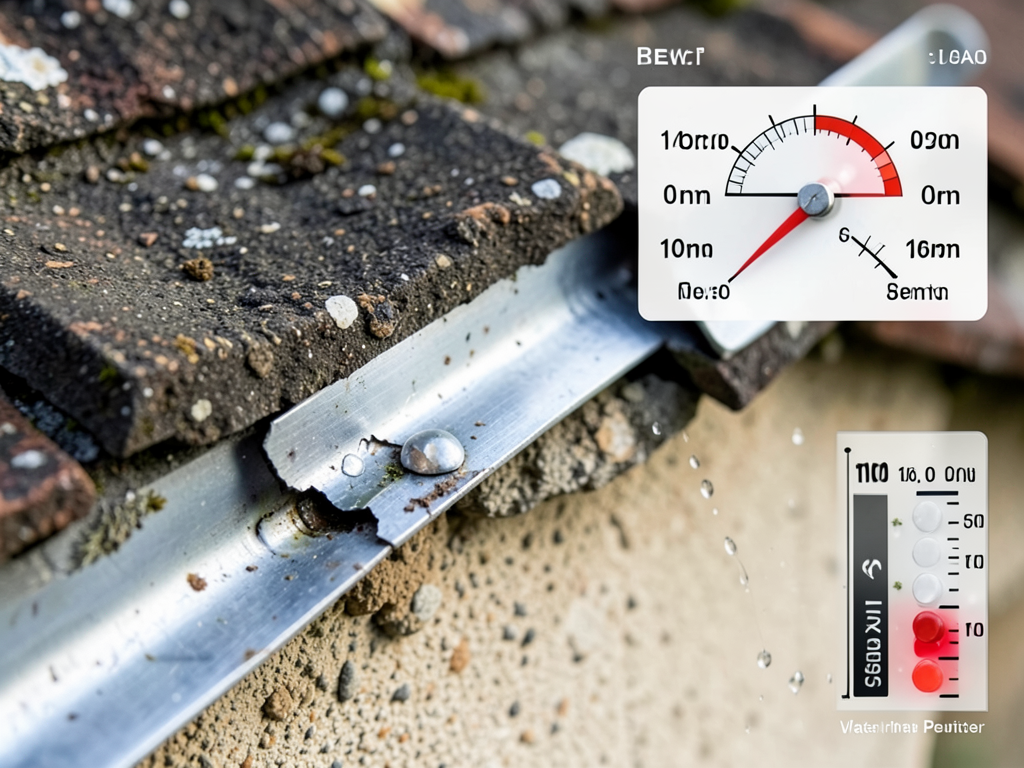
– Close-up photo of flashing deterioration around a chimney showing common failure points inspectors check in Foggy Bottom row houses
– Drone inspection photo of a flat roof section showing ponding water and membrane wear patterns typical in DC row houses
External Authority Links
- National Roofing Contractors Association – Industry standards for professional roof inspections
- EPA Mold Resources – Information on moisture and mold issues in buildings
- FEMA Hazard Mitigation – Storm damage prevention and building resilience
You may also find this helpful. Roof Waterproofing and Coating Solutions for Downtown DC Businesses.
{
“@context”: “https://schema.org”,
“@type”: “BlogPosting”,
“headline”: “Getting a Professional Roof Inspection Before Selling Your Foggy Bottom Property”,
“description”: “Protect your Foggy Bottom property sale with a professional roof inspection. Our certified inspectors identify hidden damage and prevent negotiation disasters.”,
“wordCount”: 2294,
“datePublished”: “2026-02-25T14:07:00.000Z”,
“dateModified”: “2026-02-25T14:07:00.000Z”,
“inLanguage”: “en-US”,
“mainEntityOfPage”: {
“@type”: “WebPage”,
“@id”: “https://aceroofingwashingtondc.com”
},
“publisher”: {
“@type”: “LocalBusiness”,
“name”: “Ace Roofing Washington DC”,
“url”: “https://aceroofingwashingtondc.com”
},
“author”: {
“@type”: “Organization”,
“name”: “Ace Roofing Washington DC”,
“url”: “https://aceroofingwashingtondc.com”
},
“image”: {
“@type”: “ImageObject”,
“url”: “https://aceroofingwashingtondc.com/wp-content/uploads/2026/03/getting-a-professional-roof-inspection-before-sell-1.png”
}
}
{
“@context”: “https://schema.org”,
“@type”: “RoofingContractor”,
“name”: “Ace Roofing Washington DC”,
“url”: “https://aceroofingwashingtondc.com”,
“address”: {
“@type”: “PostalAddress”,
“addressLocality”: “Washington DC”
},
“areaServed”: {
“@type”: “City”,
“name”: “Washington DC”
}
}
{
“@context”: “https://schema.org”,
“@type”: “FAQPage”,
“mainEntity”: [
{
“@type”: “Question”,
“name”: “How long does a professional roof inspection take?”,
“acceptedAnswer”: {
“@type”: “Answer”,
“text”: “A thorough roof inspection typically takes 1-2 hours depending on the size and complexity of your property. Larger homes or those with multiple roof sections may require additional time.”
}
},
{
“@type”: “Question”,
“name”: “What happens if the inspection finds problems?”,
“acceptedAnswer”: {
“@type”: “Answer”,
“text”: “You’ll receive a detailed report with findings and recommendations. Minor issues can often be repaired quickly while major problems might require more extensive work. You can then decide whether to repair issues before listing or adjust your asking price accordingly.”
}
},
{
“@type”: “Question”,
“name”: “Can I use the inspection report to negotiate with buyers?”,
“acceptedAnswer”: {
“@type”: “Answer”,
“text”: “Yes but timing matters. Having your own inspection report allows you to address issues proactively rather than defensively during buyer negotiations. Some sellers provide inspection reports to all potential buyers to build trust.”
}
},
{
“@type”: “Question”,
“name”: “Do I need a special inspector for historic properties?”,
“acceptedAnswer”: {
“@type”: “Answer”,
“text”: “While not required inspectors familiar with DC’s historic districts understand the specific requirements and common issues in older buildings. They can identify problems that might concern preservation boards or historic buyers.”
}
},
{
“@type”: “Question”,
“name”: “How often should I get my roof inspected if I’m not selling?”,
“acceptedAnswer”: {
“@type”: “Answer”,
“text”: “Most experts recommend professional inspections every 2-3 years for roofs over 10 years old or annually if your roof is over 20 years old or has had previous issues.”
}
}
]
}
{
“@context”: “https://schema.org”,
“@type”: “BreadcrumbList”,
“itemListElement”: [
{
“@type”: “ListItem”,
“position”: 1,
“name”: “Home”,
“item”: “https://aceroofingwashingtondc.com”
},
{
“@type”: “ListItem”,
“position”: 2,
“name”: “Blog”,
“item”: “https://aceroofingwashingtondc.com/blog”
},
{
“@type”: “ListItem”,
“position”: 3,
“name”: “Getting a Professional Roof Inspection Before Selling Your Foggy Bottom Property”
}
]
}
{
“@context”: “https://schema.org”,
“@type”: “Service”,
“serviceType”: “Roofing”,
“provider”: {
“@type”: “LocalBusiness”,
“name”: “Ace Roofing Washington DC”,
“url”: “https://aceroofingwashingtondc.com”
},
“areaServed”: {
“@type”: “City”,
“name”: “Washington DC”
},
“description”: “Protect your Foggy Bottom property sale with a professional roof inspection. Our certified inspectors identify hidden damage and prevent negotiation disasters.”
}