
Preparing Your Roof for DC Hurricane Season in the Hillcrest Neighborhood
DC hurricane season brings powerful winds and torrential rains that can devastate unprepared roofs. In Hillcrest, where mature trees and historic homes create unique vulnerabilities, taking proactive steps now can prevent costly damage when the next storm hits. This guide covers the specific challenges Hillcrest homeowners face and the proven strategies to keep your roof intact through the worst weather. DC Construction Codes.
Understanding Hillcrest’s Hurricane Risk Profile
Hillcrest sits in Southeast DC where elevation changes and mature tree canopy create distinct storm vulnerabilities. The neighborhood’s mix of mid-century homes and older structures means many roofs weren’t built to modern wind-load standards. During Hurricane Isabel in 2003, Hillcrest experienced wind gusts exceeding 60 mph, with several homes suffering roof damage from falling branches and wind uplift.. Read more about Do High Elevation Homes in North Portal Estates Actually Need Lightning Rods?.
The area’s clay-heavy soil becomes saturated during heavy rains, which can cause foundation settling that affects roof alignment. Additionally, Hillcrest’s proximity to the Anacostia River means homes in lower elevations face increased flood risk that can compromise roof drainage systems.. Read more about The Best Gutter Systems for Keeping Out Heavy Maple Seeds in Hawthorne.

Image: Aerial view of Hillcrest neighborhood showing mature tree canopy and roof lines vulnerable to wind uplift during hurricane season.
Critical Roof Inspection Points for Hillcrest Homes
Before hurricane season peaks, every Hillcrest homeowner should perform a thorough roof inspection focusing on these high-risk areas:
- Flashing integrity around chimneys and vents where wind-driven rain penetrates most commonly
- Shingle condition checking for curling, cracking, or missing pieces that weaken wind resistance
- Gutter system ensuring downspouts direct water away from foundation to prevent basement flooding
- Attic ventilation confirming proper airflow to prevent moisture buildup during humid hurricane conditions
Pay special attention to homes near Fort Dupont Park, where mature oaks can drop heavy limbs during high winds. The 20019 zip code area has seen repeated incidents of roof punctures from falling branches during severe storms.. Read more about The Right Way to Tarp a Roof After a Storm While Waiting for Repairs in Barney Circle.
DC Building Code Requirements for Wind Resistance
The District of Columbia enforces strict building codes for wind resistance, particularly in areas prone to hurricane-force winds. According to the 2023 DC Construction Codes, homes in Hillcrest must meet specific wind load requirements:
- Basic wind speed
DC requires roofs to withstand 115 mph basic wind speed, with higher requirements in exposed areas
- Roof uplift resistance
ASCE 7-22 standards mandate specific uplift pressure calculations based on roof height and exposure ASCE 7-22 wind load standards.
- Fastener spacing
Ring-shank nails must be placed no more than 6 inches apart at roof perimeter zones
- Underlayment requirements
Self-adhering polymer-modified bitumen underlayment required in all valleys and at eaves
These codes apply to all roof replacements and major repairs in Hillcrest. Homes built before 2000 may not meet current standards, making retrofits essential for hurricane protection. The Real Cost of a Roof Replacement for Washington DC Homeowners.
Top Hurricane-Resistant Roofing Materials for DC Homes
Choosing the right roofing material can mean the difference between minor damage and catastrophic failure during a hurricane. Here’s how different materials perform in DC’s storm conditions: Roofing Rockville.
| Material | Wind Rating | Impact Resistance | DC Suitability |
|---|---|---|---|
| Architectural Asphalt Shingles | 130 mph | Class 3 | Good for most Hillcrest homes |
| Standing Seam Metal | 160+ mph | Class 4 | Excellent for high-wind areas |
| Synthetic Slate | 110 mph | Class 4 | Good for historic aesthetics |
| Concrete Tile | 150 mph | Class 4 | Excellent but heavy – requires structural assessment |
Class 4 impact-resistant shingles are particularly important in Hillcrest where falling branches pose a constant threat during storms. These shingles can withstand impacts from 2-inch steel balls dropped from 20 feet without cracking.. Read more about Is Your Bad Roof Drainage Cracking the Foundation of Your Stanton Park Home?.
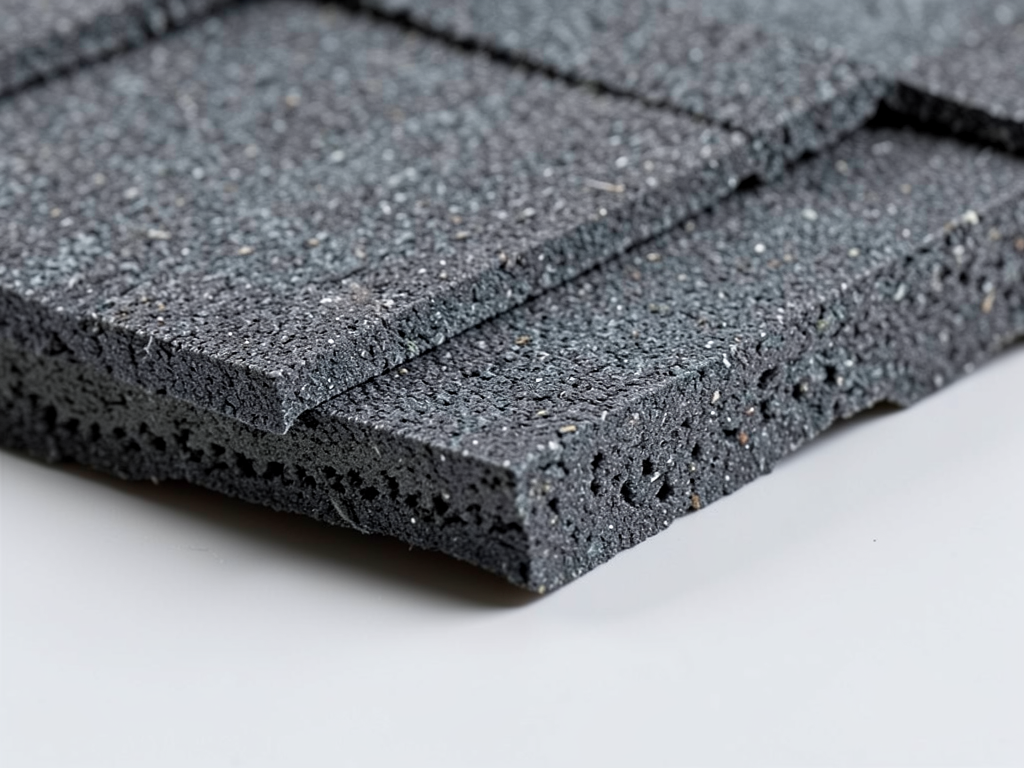
Image: Close-up of Class 4 impact-resistant shingles showing reinforced backing and thicker material construction.
Essential Hurricane-Proofing Upgrades for Hillcrest Roofs
Beyond material selection, several structural upgrades significantly improve hurricane resistance:
Roof-to-Wall Connection Reinforcement
Many Hillcrest homes built before the 1980s have inadequate roof-to-wall connections. Hurricane straps or clips can increase uplift resistance by 300% or more. These metal connectors tie the roof truss directly to the wall studs, preventing the roof from lifting off during extreme winds. Metal Roof vs Asphalt Shingles Cost.
Secondary Water Barrier Installation
DC building codes now require secondary water barriers in new construction, but many older Hillcrest homes lack this protection. A self-adhering underlayment applied over the entire roof deck creates a waterproof shield if shingles are damaged or blown off.
Enhanced Flashing Systems
Standard step flashing often fails during hurricanes when wind-driven rain hits at unusual angles. Upgraded flashing systems use larger pieces and additional sealant to create redundant water barriers at all roof penetrations.
Pre-Hurricane Season Maintenance Checklist
Timing is critical for hurricane preparation. Follow this checklist 6-8 weeks before peak hurricane season:
- Gutter cleaning
Remove all debris to ensure maximum water flow capacity during heavy rains
- Tree trimming
Remove dead branches and any limbs overhanging the roof within 10 feet
- Roof cleaning
Remove moss and algae that can trap moisture and weaken shingles
- Seal inspection
Check and replace any cracked or missing sealant around vents and pipes
- Attic inspection
Look for water stains or mold that indicate existing leaks
Homeowners near Pennsylvania Avenue SE should pay extra attention to debris removal, as construction dust and leaves accumulate rapidly in this area.
Emergency Preparation for Hurricane Season
Even with the best preparation, hurricanes can cause unexpected damage. Create an emergency plan that includes:
- Emergency tarping materials stored in an accessible location
- Roof patch kit with roofing cement and flashing pieces
- Insurance documentation including photos of current roof condition
- Emergency contractor contact programmed in your phone
The 20020 zip code area has experienced extended power outages during past hurricanes, making battery-powered emergency lighting essential for nighttime roof inspections.
Insurance Considerations for Hurricane-Resistant Roofs
Many DC insurance providers offer premium discounts for hurricane-resistant roofing features. Installing Class 4 shingles or a secondary water barrier can reduce premiums by 5-15%. Some insurers also provide deductible reductions for homes with documented hurricane mitigation measures.
When filing claims after hurricane damage, documentation becomes critical. Take dated photos of your roof before and after any major storms to establish baseline condition and track improvements.
Professional Inspection Services for Hillcrest Homes
While DIY inspections are valuable, professional assessments can identify hidden vulnerabilities. A qualified roofing contractor should examine:
- Deck integrity checking for rot or water damage not visible from outside
- Fastener condition identifying corroded nails or screws that could fail in high winds
- Ventilation efficiency measuring airflow to prevent moisture buildup
- Structural connections verifying hurricane straps are properly installed and secured
Professional inspections typically cost $200-400 but can identify problems that would cost thousands to repair after hurricane damage.
Long-Term Hurricane Protection Strategy
Hurricane protection isn’t a one-time project but an ongoing strategy. Consider these long-term investments:
Roof replacement timing: If your roof is over 15 years old, hurricane season is the perfect time to upgrade to modern materials. The cost premium for hurricane-resistant features typically pays for itself within 5-7 years through insurance savings and avoided damage.
Landscaping adjustments: Strategic tree placement and selection can reduce roof damage risk. Avoid planting large trees within 20 feet of structures, and choose species less prone to limb breakage.
Neighborhood coordination: Hillcrest homeowners can coordinate tree trimming and debris removal efforts to reduce overall neighborhood risk. Consider organizing a pre-hurricane season cleanup day.
Frequently Asked Questions
How much does hurricane-proofing a roof cost in Hillcrest?
Costs vary widely based on roof size and existing conditions, but typical hurricane-proofing upgrades range from $3,000 to $15,000. This includes materials like hurricane straps, secondary underlayment, and impact-resistant shingles.
Can I install hurricane straps myself?
While DIY installation is possible, proper hurricane strap installation requires specific tools and knowledge of structural engineering principles. Improper installation can actually create new failure points. Professional installation ensures compliance with DC building codes.
How long does hurricane season last in DC?
DC hurricane season officially runs from June 1 through November 30, with peak activity typically occurring in August and September. However, severe thunderstorms capable of causing similar damage can occur throughout the year.
Will my insurance cover hurricane damage?
Most standard homeowners insurance policies cover wind damage, including hurricane-force winds. However, flood damage requires separate flood insurance. Check your policy details and consider adding windstorm coverage if you’re in a high-risk area.
Take Action Before the Next Storm Hits
Hurricane season is approaching fast, and Hillcrest homes need specific preparation for DC’s unique storm risks. Don’t wait until the first warning to discover your roof isn’t ready. How to Get Your Roof Ready for a DC Winter in Chevy Chase.
Call (771) 240-3300 today to schedule your comprehensive hurricane preparedness inspection. Our local experts understand Hillcrest’s specific challenges and can recommend the right protection for your home. From simple maintenance to complete roof upgrades, we’ll help you weather the next storm with confidence. The Best Flat Roof Maintenance Tips for Petworth Homeowners.
Pick up the phone and call (771) 240-3300 before the next storm hits. Your home deserves the best protection available, and our team is ready to deliver it.
{
“@context”: “https://schema.org”,
“@type”: “BlogPosting”,
“headline”: “Preparing Your Roof for DC Hurricane Season in the Hillcrest Neighborhood”,
“description”: “Learn how to protect your Hillcrest home from hurricane-force winds and heavy rains with expert roofing strategies tailored to DC’s unique storm risks and building codes.”,
“wordCount”: 1490,
“datePublished”: “2026-05-14T11:36:00.000Z”,
“dateModified”: “2026-05-14T11:36:00.000Z”,
“inLanguage”: “en-US”,
“mainEntityOfPage”: {
“@type”: “WebPage”,
“@id”: “https://aceroofingwashingtondc.com”
},
“publisher”: {
“@type”: “LocalBusiness”,
“name”: “Ace Roofing Washington DC”,
“url”: “https://aceroofingwashingtondc.com”
},
“author”: {
“@type”: “Organization”,
“name”: “Ace Roofing Washington DC”,
“url”: “https://aceroofingwashingtondc.com”
},
“image”: {
“@type”: “ImageObject”,
“url”: “https://aceroofingwashingtondc.com/wp-content/uploads/2026/03/preparing-your-roof-for-dc-hurricane-season-in-the-1.png”
}
}
{
“@context”: “https://schema.org”,
“@type”: “RoofingContractor”,
“name”: “Ace Roofing Washington DC”,
“url”: “https://aceroofingwashingtondc.com”,
“address”: {
“@type”: “PostalAddress”,
“addressLocality”: “Washington DC”
},
“areaServed”: {
“@type”: “City”,
“name”: “Washington DC”
}
}
{
“@context”: “https://schema.org”,
“@type”: “FAQPage”,
“mainEntity”: [
{
“@type”: “Question”,
“name”: “How much does hurricane-proofing a roof cost in Hillcrest?”,
“acceptedAnswer”: {
“@type”: “Answer”,
“text”: “Costs vary widely based on roof size and existing conditions, but typical hurricane-proofing upgrades range from $3,000 to $15,000. This includes materials like hurricane straps, secondary underlayment, and impact-resistant shingles.”
}
},
{
“@type”: “Question”,
“name”: “Can I install hurricane straps myself?”,
“acceptedAnswer”: {
“@type”: “Answer”,
“text”: “While DIY installation is possible, proper hurricane strap installation requires specific tools and knowledge of structural engineering principles. Improper installation can actually create new failure points. Professional installation ensures compliance with DC building codes.”
}
},
{
“@type”: “Question”,
“name”: “How long does hurricane season last in DC?”,
“acceptedAnswer”: {
“@type”: “Answer”,
“text”: “DC hurricane season officially runs from June 1 through November 30, with peak activity typically occurring in August and September. However, severe thunderstorms capable of causing similar damage can occur throughout the year.”
}
},
{
“@type”: “Question”,
“name”: “Will my insurance cover hurricane damage?”,
“acceptedAnswer”: {
“@type”: “Answer”,
“text”: “Most standard homeowners insurance policies cover wind damage, including hurricane-force winds. However, flood damage requires separate flood insurance. Check your policy details and consider adding windstorm coverage if you’re in a high-risk area.”
}
}
]
}
{
“@context”: “https://schema.org”,
“@type”: “HowTo”,
“name”: “DC Wind Resistance Requirements”,
“step”: [
{
“@type”: “HowToStep”,
“position”: 1,
“name”: “Basic wind speed”,
“text”: “DC requires roofs to withstand 115 mph basic wind speed, with higher requirements in exposed areas”
},
{
“@type”: “HowToStep”,
“position”: 2,
“name”: “Roof uplift resistance”,
“text”: “ASCE 7-22 standards mandate specific uplift pressure calculations based on roof height and exposure ASCE 7-22 wind load standards.”
},
{
“@type”: “HowToStep”,
“position”: 3,
“name”: “Fastener spacing”,
“text”: “Ring-shank nails must be placed no more than 6 inches apart at roof perimeter zones”
},
{
“@type”: “HowToStep”,
“position”: 4,
“name”: “Underlayment requirements”,
“text”: “Self-adhering polymer-modified bitumen underlayment required in all valleys and at eaves”
}
],
“image”: “https://aceroofingwashingtondc.com/wp-content/uploads/2026/03/preparing-your-roof-for-dc-hurricane-season-in-the-1.png”
}
{
“@context”: “https://schema.org”,
“@type”: “BreadcrumbList”,
“itemListElement”: [
{
“@type”: “ListItem”,
“position”: 1,
“name”: “Home”,
“item”: “https://aceroofingwashingtondc.com”
},
{
“@type”: “ListItem”,
“position”: 2,
“name”: “Blog”,
“item”: “https://aceroofingwashingtondc.com/blog”
},
{
“@type”: “ListItem”,
“position”: 3,
“name”: “Preparing Your Roof for DC Hurricane Season in the Hillcrest Neighborhood”
}
]
}
{
“@context”: “https://schema.org”,
“@type”: “Service”,
“serviceType”: “Roofing”,
“provider”: {
“@type”: “LocalBusiness”,
“name”: “Ace Roofing Washington DC”,
“url”: “https://aceroofingwashingtondc.com”
},
“areaServed”: {
“@type”: “City”,
“name”: “Washington DC”
},
“description”: “Learn how to protect your Hillcrest home from hurricane-force winds and heavy rains with expert roofing strategies tailored to DC’s unique storm risks and building codes.”
}