
The Right Way to Tarp a Roof After a Storm While Waiting for Repairs in Barney Circle
Storm damage in Barney Circle requires immediate action to prevent water from destroying your home’s interior. High winds and heavy rain can tear shingles and expose the roof deck within minutes. The right tarping technique creates a waterproof barrier that protects your property until professional repairs begin.. Read more about Seeing the Hidden Damage with a Drone Roof Inspection in Stronghold.
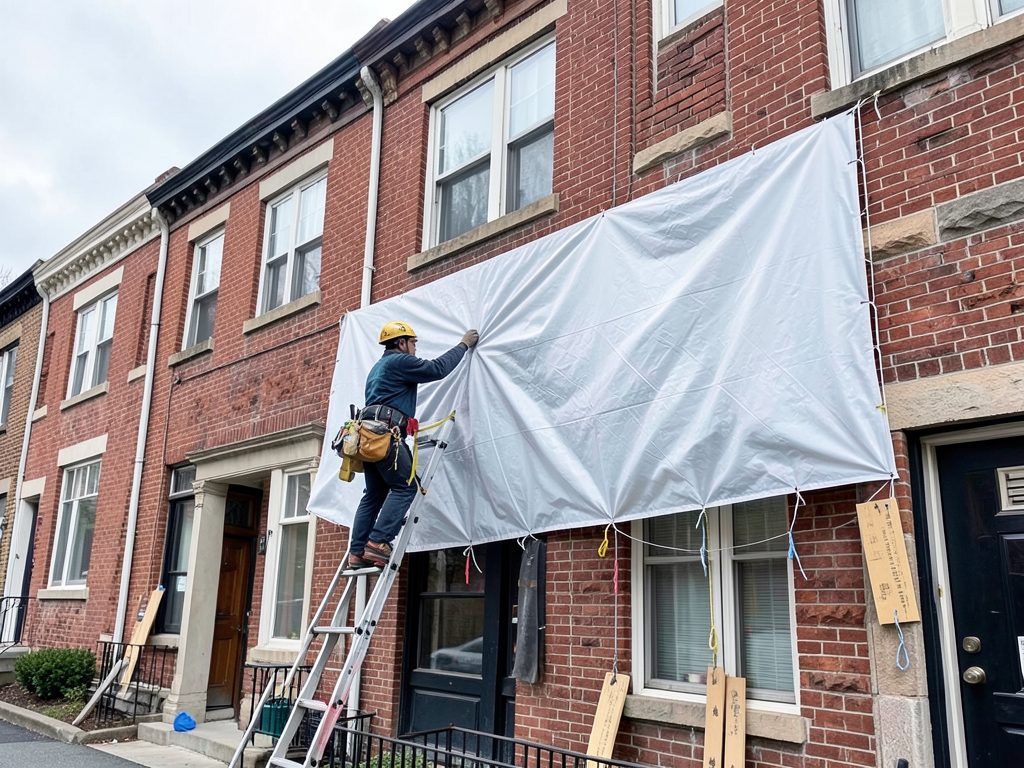
Barney Circle’s rowhouse construction presents unique challenges for emergency tarping. Many homes feature flat or low-slope roofs with parapet walls that channel water differently than traditional pitched roofs. Understanding these architectural differences determines whether your temporary fix holds or fails during the next storm. Why Your Capitol Hill Rowhouse Needs a Specialized Flat Roof System.
Essential Tools and Materials for Emergency Roof Tarping
Proper materials make the difference between a tarp that lasts three days and one that lasts three weeks. Heavy-duty poly tarps rated for at least 10 mils thickness resist tearing from wind and UV exposure. Standard hardware store tarps often fail within 24 hours of installation.
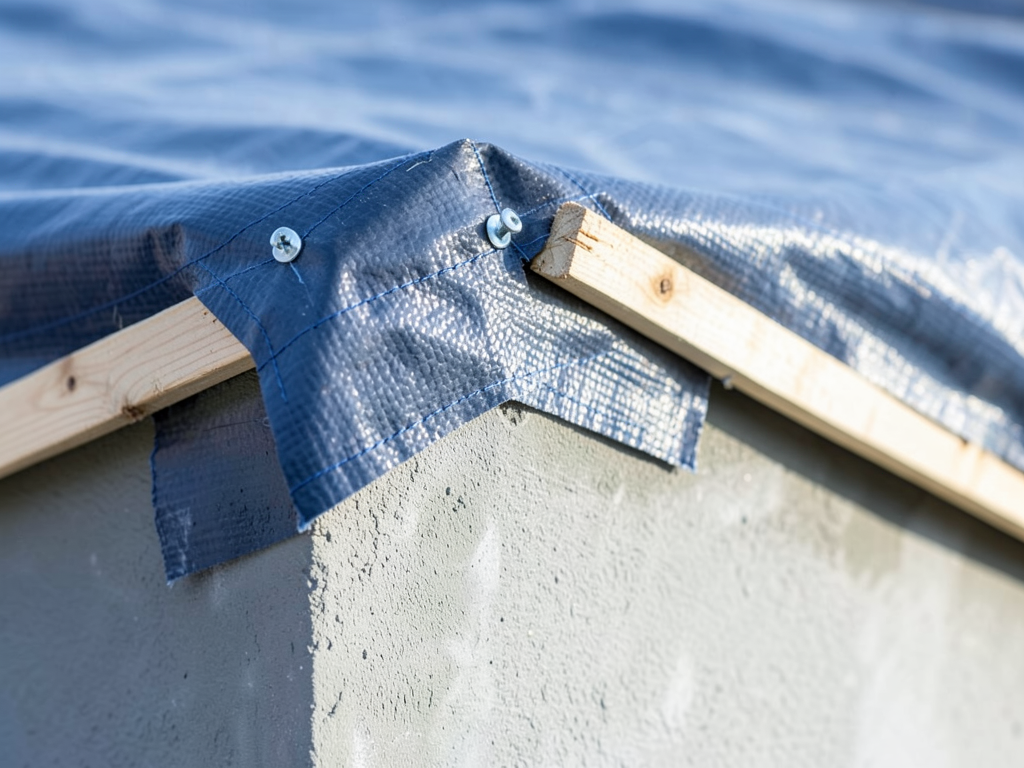
Wood strips measuring 2×4 inches create anchor points that distribute wind load across the tarp surface. Cap nails with rubber washers penetrate through the tarp into the wood strips without creating water entry points. A cordless drill with multiple battery packs powers through installation when daylight is limited.
Utility knives with fresh blades cut tarps cleanly without fraying edges. Measuring tape ensures proper overlap beyond damaged areas. Safety equipment includes non-slip boots, work gloves, and fall protection harnesses for multi-story rowhouses common in Barney Circle.
Additional materials often overlooked include roofing cement for sealing edges and plywood sheets for covering large holes where the deck is compromised. These items transform a basic tarp job into a weather-resistant system that withstands DC’s unpredictable spring storms. DC Department of Consumer and Regulatory Affairs.
Step-by-Step Emergency Tarping Process
- Ground Assessment and Safety Check
Inspect damage from ground level using binoculars. Look for hanging branches, downed power lines, and unstable chimney structures. DC’s urban environment means overhead utility lines are common hazards that require professional assessment before climbing onto any roof. DC Homeland Security and Emergency Management Agency.
- Measure and Clear the Damaged Area
Measure the damaged section plus an additional three feet on all sides for proper overlap. Remove loose debris, broken shingles, and standing water that could puncture the tarp. For flat roofs common in Barney Circle rowhouses, ensure drains are clear to prevent water pooling under the tarp.
- Position the Tarp Correctly
Lay the tarp with at least 4 feet of overlap on all sides of the damaged area. For pitched sections, position the tarp to run over the ridge peak, preventing water from running underneath. Flat roof installations require lapping up parapet walls by at least 12 inches.
- Secure Anchor Boards
Attach 2×4 wood strips along the tarp edges using cap nails. Position boards perpendicular to the roof slope for maximum holding power. Space anchors every 12-16 inches along straight runs and every 8 inches at corners where wind stress concentrates.
- Final Tension and Seal Check
Pull the tarp tight enough to eliminate wrinkles but avoid overstretching that weakens material. Apply roofing cement along all edges where the tarp meets existing roofing. Check for proper drainage paths and ensure no low spots form where water could collect. Roofing Rockville.
Safety Protocols for Multi-Story Barney Circle Homes
Working on Barney Circle’s three and four-story rowhouses requires fall protection equipment meeting OSHA standards. A full-body harness with a shock-absorbing lanyard connects to roof anchors rated for 5,000 pounds. Ladder safety becomes critical when working between closely spaced buildings where wind tunnels form.
Never work alone on emergency repairs. A ground assistant monitors weather changes, handles materials, and calls for help if needed. DC’s sudden afternoon thunderstorms can develop within 30 minutes, making weather awareness essential for worker safety.
Electrical hazards multiply in urban settings. Before accessing any roof, check for downed power lines that may be hidden in debris. Barney Circle’s mature trees often fall during storms, bringing utility lines down across multiple properties. When in doubt, wait for professional assessment.
Proper footwear provides the first line of defense against slips. Non-slip rubber soles with deep treads grip wet surfaces better than standard work boots. Wet leaves, moss, and algae common on older DC roofs create extremely slippery conditions even on mild slopes.
Documenting Damage for DC Insurance Claims
Photograph all damage before installing any temporary protection. Insurance adjusters need clear images showing the extent of storm damage for proper claim evaluation. Use a smartphone with timestamp enabled and take photos from multiple angles, including wide shots showing the entire affected area.
Document the tarping process with before, during, and after photos. These images prove you took reasonable steps to mitigate further damage, which insurance companies require under most policies. Keep receipts for all materials purchased as they may be reimbursable under your coverage.
DC’s historic districts like Barney Circle may have specific requirements for temporary repairs. The Historic Preservation Office requires notification for visible changes to contributing structures. While emergency tarping typically qualifies for expedited approval, documentation helps avoid potential fines for unpermitted work. Navigating Historic Preservation Roofing Rules in Dupont Circle.
Insurance companies often send their own adjusters within 24-48 hours of major storms. Having your documentation ready speeds the claims process and ensures you receive proper compensation for both temporary and permanent repairs. How to Get Your Roof Ready for a DC Winter in Chevy Chase.
DC Climate Considerations for Temporary Repairs
Washington DC’s humid subtropical climate creates unique challenges for temporary roof repairs. Summer temperatures regularly exceed 90 degrees with high humidity that promotes mold growth under tarps within 72 hours if moisture becomes trapped. Winter brings freeze-thaw cycles that can tear poorly secured tarps. The Real Cost of a Roof Replacement for Washington DC Homeowners.
Spring thunderstorms in the DMV area often produce straight-line winds exceeding 60 mph. These winds test tarp installations severely, especially on exposed corners of buildings. Proper anchoring with wood strips prevents the catastrophic failures common with simple nail-only installations.
DC’s urban heat island effect raises roof surface temperatures 10-15 degrees above surrounding areas. This temperature differential causes expansion and contraction that stresses tarp materials. UV exposure degrades standard poly tarps within weeks, making heavy-duty materials essential for any temporary repair lasting more than a few days.
Fall brings leaf accumulation that can block drainage paths under tarps. Flat roofs common in Barney Circle require special attention to ensure water flows toward existing drains rather than pooling under the temporary covering.
When to Call a DC Professional vs. DIY Tarping
Multi-story rowhouses in Barney Circle require professional assessment for any damage above the second floor. The confined working spaces between buildings create dangerous conditions for inexperienced workers. Professional roofers carry insurance that covers damage to neighboring properties during emergency repairs.
Structural damage indicators include sagging roof decks, cracked walls, or doors that no longer close properly. These signs suggest compromised structural integrity that makes any roof access extremely dangerous. Professional assessment determines whether temporary tarping is even safe.
Time considerations matter when deciding between DIY and professional service. A professional crew can secure a typical Barney Circle roof in 2-3 hours versus 6-8 hours for a homeowner working alone. During active storm seasons, this time difference often determines whether additional interior damage occurs.
Cost analysis reveals that professional emergency tarping typically runs $500-1,500 for standard residential jobs in DC. This investment includes proper safety equipment, insurance coverage, and warranties on the temporary work. DIY materials cost $100-300 but carry significant liability risks.
Preventing Secondary Damage During Temporary Repairs
Water intrusion continues even after initial tarping if proper drainage isn’t maintained. Check under tarps daily for signs of moisture accumulation, especially after rainfall. Small leaks can cause extensive mold growth within 48 hours in DC’s humid climate.
Attic spaces require monitoring for signs of water infiltration. Use a moisture meter to check ceiling joists and insulation near the damaged area. Early detection of secondary damage prevents costly mold remediation that can exceed $5,000 for a typical Barney Circle home.
Electrical systems near roof leaks need immediate attention. Water conducts electricity and can create fire hazards in walls and ceilings. Turn off circuits serving affected areas until professional inspection confirms system integrity.
Document all secondary damage as it occurs. Insurance companies may cover additional damage that results from the initial storm if properly documented and reported within policy time limits.
Transitioning from Temporary to Permanent Repairs
Most insurance policies require permanent repairs within 30 days of temporary protection installation. This timeline ensures the temporary fix remains effective while preventing long-term liability issues. Professional roofers can often schedule permanent repairs within this window during non-peak seasons.
Permit requirements vary by DC ward and historic district status. Barney Circle’s proximity to Capitol Hill means some homes may require expedited permits for emergency repairs. Professional contractors handle permit applications and ensure all work meets current building codes.
Material matching becomes critical for historic rowhouses. DC’s architectural review boards often require salvaged or specially matched materials for visible repairs. Professional contractors maintain relationships with suppliers who stock period-appropriate roofing materials.
Quality permanent repairs address not just visible damage but also underlying issues that caused the initial failure. This comprehensive approach prevents repeat damage during subsequent storms and often qualifies for insurance premium discounts.
Local DC Resources for Emergency Roof Repairs
DC’s Department of Consumer and Regulatory Affairs provides emergency permit information for storm damage repairs. Their 24-hour hotline connects homeowners with inspectors who can authorize urgent repairs when standard permitting would cause dangerous delays.
The DC Homeland Security and Emergency Management Agency coordinates storm response efforts across the District. Their website posts updates about hazardous conditions, road closures, and available emergency services during major weather events affecting Barney Circle and surrounding neighborhoods.
Local hardware stores in Capitol Hill and Eastern Market often stock emergency tarping supplies but may run short during widespread storm events. Advance planning includes identifying multiple supply sources within the DMV area.
Community organizations in Barney Circle sometimes coordinate volunteer assistance for elderly or disabled residents needing help with emergency repairs. These networks activate through neighborhood social media groups during major storm events.
Frequently Asked Questions
How long can a temporary tarp last on a DC roof?
Quality temporary tarps properly installed can last 30-45 days in DC’s climate. Heavy-duty materials with proper anchoring typically survive multiple storm events, while standard tarps often fail within 72 hours of severe weather.
Will my insurance cover emergency tarping costs?
Most homeowner policies cover reasonable temporary repair costs to prevent further damage. Keep all receipts and document the damage before and after tarping. Some policies include specific coverage for emergency mitigation up to certain dollar amounts.
Can I tarp a flat roof the same way as a pitched roof?
Flat roofs require different techniques including lapping up parapet walls and ensuring proper drainage paths. Water pooling is a greater concern on flat surfaces, requiring more frequent inspection and adjustment of tarp positioning.
What building codes apply to emergency roof repairs in DC?
DC Municipal Regulations (DMR) Chapter 12A covers roofing requirements. Emergency repairs typically qualify for expedited permitting, but permanent repairs must meet current energy efficiency and fire safety standards. Historic districts may have additional requirements.
How do I know if my roof damage is too dangerous for DIY repair?
Warning signs include structural sagging, extensive water infiltration, or damage above the second story on multi-story buildings. When in doubt, consult a professional. The cost of assessment is minimal compared to injury risks or additional property damage.
Protect Your Barney Circle Home Today
Storm damage waits for no one. Every hour of exposure increases the risk of extensive water damage to your home’s interior. The right emergency tarping technique can save thousands in repair costs while you wait for permanent fixes.
Professional assessment determines whether your damage requires simple tarping or more extensive emergency repairs. Our DC-based team understands the unique challenges of Barney Circle’s historic rowhouses and can respond within hours of your call.
Don’t let a small roof problem become a major interior disaster. Call (771) 240-3300 now for emergency roof assessment and professional tarping services. We serve all of Washington DC including Barney Circle, Capitol Hill, and surrounding neighborhoods with 24/7 emergency response.
Pick up the phone and call (771) 240-3300 before the next storm hits. Your home deserves protection from contractors who understand DC’s unique roofing challenges and building requirements.
{
“@context”: “https://schema.org”,
“@type”: “BlogPosting”,
“headline”: “The Right Way to Tarp a Roof After a Storm While Waiting for Repairs in Barney Circle”,
“description”: “Learn the correct emergency tarping steps for Barney Circle homes after DC storms. Protect your roof from water damage with proper materials and safety protocols.”,
“wordCount”: 2085,
“datePublished”: “2026-05-26T11:14:00.000Z”,
“dateModified”: “2026-05-26T11:14:00.000Z”,
“inLanguage”: “en-US”,
“mainEntityOfPage”: {
“@type”: “WebPage”,
“@id”: “https://aceroofingwashingtondc.com”
},
“publisher”: {
“@type”: “LocalBusiness”,
“name”: “Ace Roofing Washington DC”,
“url”: “https://aceroofingwashingtondc.com”
},
“author”: {
“@type”: “Organization”,
“name”: “Ace Roofing Washington DC”,
“url”: “https://aceroofingwashingtondc.com”
},
“image”: {
“@type”: “ImageObject”,
“url”: “https://aceroofingwashingtondc.com/wp-content/uploads/2026/03/the-right-way-to-tarp-a-roof-after-a-storm-while-w-1.png”
}
}
{
“@context”: “https://schema.org”,
“@type”: “RoofingContractor”,
“name”: “Ace Roofing Washington DC”,
“url”: “https://aceroofingwashingtondc.com”,
“address”: {
“@type”: “PostalAddress”,
“addressLocality”: “Washington DC”
},
“areaServed”: {
“@type”: “City”,
“name”: “Washington DC”
}
}
{
“@context”: “https://schema.org”,
“@type”: “FAQPage”,
“mainEntity”: [
{
“@type”: “Question”,
“name”: “How long can a temporary tarp last on a DC roof?”,
“acceptedAnswer”: {
“@type”: “Answer”,
“text”: “Quality temporary tarps properly installed can last 30-45 days in DC’s climate. Heavy-duty materials with proper anchoring typically survive multiple storm events, while standard tarps often fail within 72 hours of severe weather.”
}
},
{
“@type”: “Question”,
“name”: “Will my insurance cover emergency tarping costs?”,
“acceptedAnswer”: {
“@type”: “Answer”,
“text”: “Most homeowner policies cover reasonable temporary repair costs to prevent further damage. Keep all receipts and document the damage before and after tarping. Some policies include specific coverage for emergency mitigation up to certain dollar amounts.”
}
},
{
“@type”: “Question”,
“name”: “Can I tarp a flat roof the same way as a pitched roof?”,
“acceptedAnswer”: {
“@type”: “Answer”,
“text”: “Flat roofs require different techniques including lapping up parapet walls and ensuring proper drainage paths. Water pooling is a greater concern on flat surfaces, requiring more frequent inspection and adjustment of tarp positioning.”
}
},
{
“@type”: “Question”,
“name”: “What building codes apply to emergency roof repairs in DC?”,
“acceptedAnswer”: {
“@type”: “Answer”,
“text”: “DC Municipal Regulations (DMR) Chapter 12A covers roofing requirements. Emergency repairs typically qualify for expedited permitting, but permanent repairs must meet current energy efficiency and fire safety standards. Historic districts may have additional requirements.”
}
},
{
“@type”: “Question”,
“name”: “How do I know if my roof damage is too dangerous for DIY repair?”,
“acceptedAnswer”: {
“@type”: “Answer”,
“text”: “Warning signs include structural sagging, extensive water infiltration, or damage above the second story on multi-story buildings. When in doubt, consult a professional. The cost of assessment is minimal compared to injury risks or additional property damage.”
}
}
]
}
{
“@context”: “https://schema.org”,
“@type”: “HowTo”,
“name”: “How to Tarp a Roof After Storm Damage”,
“step”: [
{
“@type”: “HowToStep”,
“position”: 1,
“name”: “Ground Assessment and Safety Check”,
“text”: “Inspect damage from ground level using binoculars. Look for hanging branches, downed power lines, and unstable chimney structures. DC’s urban environment means overhead utility lines are common hazards that require professional assessment before climbing onto any roof. DC Homeland Security and Emergency Management Agency.”
},
{
“@type”: “HowToStep”,
“position”: 2,
“name”: “Measure and Clear the Damaged Area”,
“text”: “Measure the damaged section plus an additional three feet on all sides for proper overlap. Remove loose debris, broken shingles, and standing water that could puncture the tarp. For flat roofs common in Barney Circle rowhouses, ensure drains are clear to prevent water pooling under the tarp.”
},
{
“@type”: “HowToStep”,
“position”: 3,
“name”: “Position the Tarp Correctly”,
“text”: “Lay the tarp with at least 4 feet of overlap on all sides of the damaged area. For pitched sections, position the tarp to run over the ridge peak, preventing water from running underneath. Flat roof installations require lapping up parapet walls by at least 12 inches.”
},
{
“@type”: “HowToStep”,
“position”: 4,
“name”: “Secure Anchor Boards”,
“text”: “Attach 2×4 wood strips along the tarp edges using cap nails. Position boards perpendicular to the roof slope for maximum holding power. Space anchors every 12-16 inches along straight runs and every 8 inches at corners where wind stress concentrates.”
},
{
“@type”: “HowToStep”,
“position”: 5,
“name”: “Final Tension and Seal Check”,
“text”: “Pull the tarp tight enough to eliminate wrinkles but avoid overstretching that weakens material. Apply roofing cement along all edges where the tarp meets existing roofing. Check for proper drainage paths and ensure no low spots form where water could collect. Roofing Rockville.”
}
],
“image”: “https://aceroofingwashingtondc.com/wp-content/uploads/2026/03/the-right-way-to-tarp-a-roof-after-a-storm-while-w-1.png”
}
{
“@context”: “https://schema.org”,
“@type”: “BreadcrumbList”,
“itemListElement”: [
{
“@type”: “ListItem”,
“position”: 1,
“name”: “Home”,
“item”: “https://aceroofingwashingtondc.com”
},
{
“@type”: “ListItem”,
“position”: 2,
“name”: “Blog”,
“item”: “https://aceroofingwashingtondc.com/blog”
},
{
“@type”: “ListItem”,
“position”: 3,
“name”: “The Right Way to Tarp a Roof After a Storm While Waiting for Repairs in Barney Circle”
}
]
}
{
“@context”: “https://schema.org”,
“@type”: “Service”,
“serviceType”: “Roofing”,
“provider”: {
“@type”: “LocalBusiness”,
“name”: “Ace Roofing Washington DC”,
“url”: “https://aceroofingwashingtondc.com”
},
“areaServed”: {
“@type”: “City”,
“name”: “Washington DC”
},
“description”: “Learn the correct emergency tarping steps for Barney Circle homes after DC storms. Protect your roof from water damage with proper materials and safety protocols.”
}