
Stopping Your Skylight from Turning Your Buzzard Point Condo Into a Greenhouse
Your Buzzard Point condo offers stunning views of the Potomac River and Washington Channel. Those skylights that bring in beautiful natural light can also trap intense summer heat. Direct sun exposure combined with the Urban Heat Island effect in Southwest DC pushes indoor temperatures higher. Your air conditioning works harder and energy bills climb. Understanding how solar heat gain works through skylight glass helps you find solutions that keep your home comfortable without losing natural light. The Real Cost of a Roof Replacement for Washington DC Homeowners.
Solar heat gain through skylights depends on the Solar Heat Gain Coefficient or SHGC. This measurement shows how much solar radiation passes through the glass. In Washington DC’s humid climate an SHGC between 0.20 and 0.30 works best. Standard clear glass skylights often have SHGC ratings above 0.70. That means they let in three times more heat than energy-efficient options. This difference matters in Buzzard Point where south and west-facing skylights get intense afternoon sun. Room temperatures can rise 15 to 20 degrees Fahrenheit.
Understanding SHGC and Why It Matters for DC Condos
Solar Heat Gain Coefficient measures the fraction of solar radiation that enters through a window. This includes both direct transmission and absorbed heat that releases inward. Lower SHGC means less solar heat transmission. The District of Columbia Energy Conservation Code sets specific SHGC requirements for new skylights based on orientation and building type. Condos in Buzzard Point built after 2018 must meet these updated standards. The goal reduces cooling loads in the dense urban environment.
SHGC works together with Visible Transmittance or VT. Higher VT means more natural light but often means higher SHGC too. Modern Low-E or low-emissivity coatings solve this problem. They allow visible light through while reflecting infrared heat. Quality Low-E skylights achieve SHGC of 0.25 with VT above 0.60. This provides bright natural light without the greenhouse effect. This technology helps in Buzzard Point’s mixed-use buildings where heat from upper floors affects lower units.
The frame and installation method affect heat gain too. Aluminum frames without thermal breaks conduct heat quickly. Vinyl or fiberglass frames with insulated cavities provide better thermal separation. Air leaks around poorly installed skylights create convection currents that pull hot air inside. Professional installation following DCRA guidelines ensures proper flashing sealing and integration with your building envelope. This prevents thermal bridges that waste energy.

Technical Solutions: Glazing Tinting and Low-E Glass Technologies
Modern skylight glazing has advanced beyond simple tempered glass. Triple-pane skylights with argon or krypton gas fills provide superior insulation. The gas between panes has lower thermal conductivity than air. This creates an effective barrier against temperature extremes. For Buzzard Point condos where roof access may be limited these high-performance options offer long-term comfort benefits. The initial investment pays off through energy savings.
Low-E coatings come in different formulations for various climate conditions. In Washington DC’s mixed climate passive Low-E coatings work best for skylights. They allow some solar gain during winter while blocking excessive summer heat. The coating consists of microscopically thin metal oxide layers applied to the glass surface. These layers are invisible to the naked eye but highly effective at spectral selectivity. Some advanced coatings use multiple layers that target specific wavelengths of the solar spectrum. This maximizes light transmission while minimizing heat gain. How to Get Your Roof Ready for a DC Winter in Chevy Chase.
Tinted and reflective glass options provide another approach to heat control. Bronze gray or green tints absorb some incoming solar radiation. This reduces both heat gain and visible light. Reflective coatings create a mirror-like surface that bounces solar radiation away from the building. While effective at heat reduction these options can make interiors feel darker. They may not comply with certain historic district guidelines if your Buzzard Point building has architectural significance. Navigating Historic Preservation Roofing Rules in Dupont Circle.
External shading devices offer complementary solutions to glass performance. Retractable awnings exterior blinds or fixed louvers can block direct sun during peak hours. These preserve views and light when retracted. These systems work particularly well for south-facing skylights that get consistent sun exposure throughout the day. The National Fenestration Rating Council provides independent testing and certification of these products. This ensures you get the performance ratings advertised by manufacturers. National Fenestration Rating Council.
Impact on Energy Bills and HVAC Longevity
The financial impact of skylight heat gain extends beyond comfort to affect your monthly utility costs and HVAC system lifespan. A skylight with high SHGC can add 200 to 400 BTU per hour of cooling load during peak summer conditions. This equals running a small space heater in reverse. For a typical Buzzard Point condo with multiple skylights this translates to 1000 to 2000 additional BTU per hour of cooling demand. This can increase summer electricity bills by 15 to 25 percent.
Beyond direct energy costs excessive heat gain forces your air conditioning system to cycle more frequently. This reduces its operational lifespan. HVAC systems are designed for specific cooling loads. Adding unexpected heat sources causes them to work harder and wear out faster. The compressor often the most expensive component experiences the most stress from these additional cycles. Replacing an HVAC compressor in a high-rise condo can cost 3000 to 5000. Making heat gain prevention a smart preventative investment.
The Urban Heat Island effect in Southwest DC amplifies these challenges. Dark roofing materials concrete surfaces and limited vegetation in the area absorb and re-radiate heat. This raises ambient temperatures by 5 to 7 degrees Fahrenheit compared to surrounding suburbs. This means your skylights face not just direct solar gain but also reflected and re-radiated heat from surrounding buildings and pavement. Energy modeling specific to Buzzard Point shows that high-performance glazing can reduce cooling loads by 30 to 40 percent. This compares to standard skylights in this environment.. Read more about Modernizing the Roof on a Mid-Century Home in Southwest DC.
Federal tax credits and local utility rebates can offset the cost of skylight upgrades. The ENERGY STAR program offers credits for qualifying energy-efficient windows and skylights. PEPCO provides rebates for customers who improve their building’s energy performance. These incentives combined with reduced utility bills can provide payback periods as short as 3 to 5 years. This applies to comprehensive skylight replacement projects in high-heat-gain situations.
Historic District Considerations for Buzzard Point Buildings
While Buzzard Point is primarily a modern development area some older industrial buildings have been converted to residential use. This creates potential historic preservation considerations. The District of Columbia Historic Preservation Office maintains guidelines for modifications to buildings within historic districts or those listed on the DC Inventory of Historic Sites. These guidelines often restrict changes that alter a building’s exterior appearance. This includes skylight installations or modifications.
For buildings with historic significance Low-E coatings and high-performance glazing must maintain the visual character of the original windows. This means using products that appear similar to historic glass from the exterior while providing modern thermal performance. Some manufacturers offer heritage lines that replicate the slight imperfections and variations of historic glass. These incorporate contemporary energy-saving technologies. Working with contractors familiar with HPO requirements ensures your skylight upgrades comply with preservation standards.
The National Register of Historic Places criteria focus on a building’s architectural historical or cultural significance. Even if your Buzzard Point condo building isn’t in a designated historic district it may still have design elements that warrant preservation consideration. The DCRA requires permits for skylight modifications. Applications involving historic properties undergo additional review. This process can add 2 to 4 weeks to project timelines but ensures compliance with local regulations.
Internal solutions like solar shades or light-filtering films offer alternatives when exterior modifications aren’t permitted. These products install inside the skylight frame and can reduce heat gain by 40 to 60 percent while maintaining the building’s exterior appearance. Modern films use advanced ceramics or metals that reject heat without significantly darkening the space. These reversible solutions provide flexibility for condo owners in historically sensitive buildings. Metal Roof vs Asphalt Shingles Cost.
Professional Installation vs. Retrofitting Solutions
Deciding between complete skylight replacement and retrofitting existing units depends on several factors including age condition and performance requirements. Skylights older than 15 to 20 years typically use outdated technology and may have seal failures that allow air and moisture infiltration. The cost of retrofitting these units often approaches the price of new high-performance skylights. This makes replacement the more economical long-term choice.
Professional installation following NRCA guidelines ensures proper integration with your roofing system. This includes correct flashing techniques adequate underlayment and proper sealing to prevent water infiltration. In Buzzard Point’s occasional severe thunderstorms proper installation prevents the leaks that can damage interior finishes and create mold conditions. The installation process also includes calculating proper roof pitch and ensuring adequate drainage around the skylight frame.
Retrofitting options include applying solar control films installing interior shades or adding exterior shading devices. These solutions work best when the existing skylight is in good condition and has adequate thermal breaks. Solar films install directly on the glass surface and can reduce SHGC by 30 to 50 percent while maintaining visibility. Interior shades provide user control over light and heat but only work when deployed. This makes them less effective for consistent heat gain reduction.
The cost comparison between replacement and retrofitting varies significantly. Complete skylight replacement for a standard residential unit costs 1500 to 3000 including installation. High-performance models with Low-E coatings and gas fills can reach 2500 to 4500. Retrofitting options range from 300 to 800 for film application to 800 to 1500 for motorized shades. For Buzzard Point condos where energy costs run high due to the urban heat island effect the higher upfront cost of replacement often provides better long-term value. This comes through energy savings and improved comfort.
Maintenance considerations also factor into the decision. New skylights come with manufacturer warranties of 10 to 20 years and require minimal maintenance beyond occasional cleaning. Older units may need seal replacement frame repairs or other maintenance that adds to long-term costs. Professional assessment of your existing skylights can identify whether they’re candidates for retrofitting or if replacement offers better value. The Best Flat Roof Maintenance Tips for Petworth Homeowners.
Choosing the Right Solution for Your Buzzard Point Condo
Selecting the optimal skylight solution requires evaluating your specific conditions including orientation existing performance and budget constraints. South-facing skylights in Buzzard Point receive the most intense sun exposure and benefit most from high-performance glazing and shading options. East and west-facing units face morning or afternoon heat gain that may require different solutions than south-facing exposures.
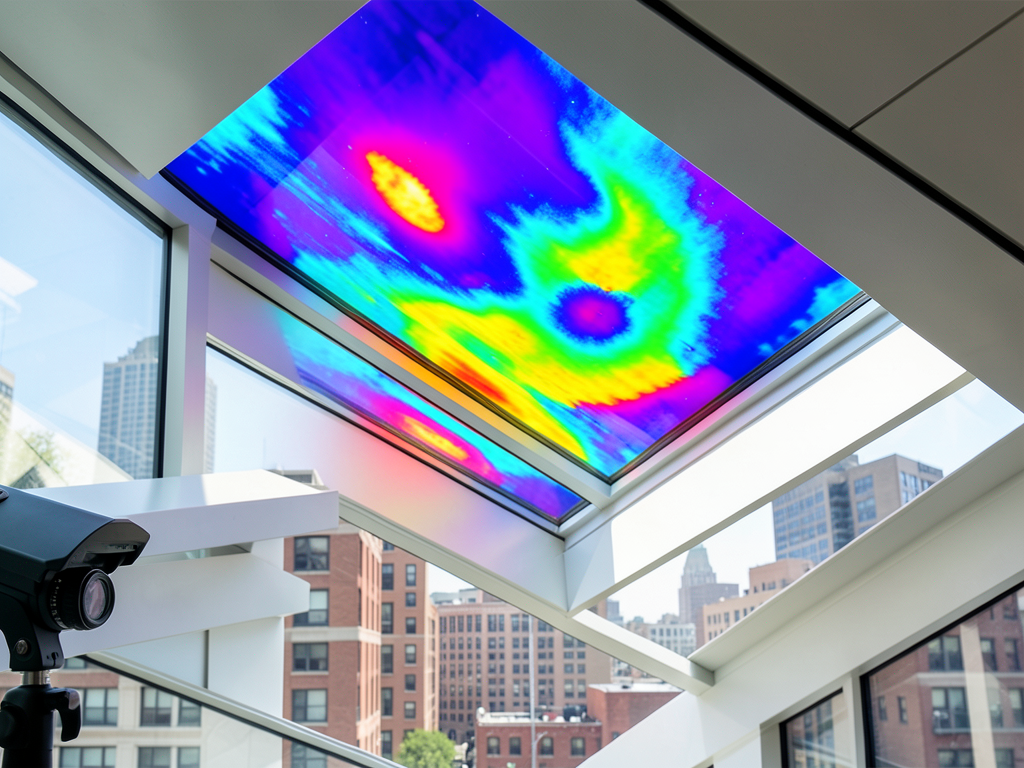
The first step involves professional assessment of your current skylights. This includes measuring actual SHGC performance checking for air leaks and evaluating frame condition. Thermal imaging during summer months can reveal heat gain patterns and identify the worst-performing units. This diagnostic process typically takes 1 to 2 hours and provides data for making informed decisions about replacement versus retrofitting.
Material selection impacts both performance and longevity. Vinyl and fiberglass frames resist thermal expansion and contraction better than aluminum. This maintains seals and prevents air infiltration over time. Glass quality affects not just SHGC but also resistance to condensation which can be problematic in DC’s humid climate. Laminated glass options provide additional benefits including sound reduction and safety in case of breakage.
Integration with your building’s HVAC system ensures optimal performance. Oversized skylights can overwhelm small cooling systems while properly sized high-performance units work within your system’s capacity. Some modern skylights include smart sensors that automatically adjust shading based on sun angle temperature and occupancy. This maximizes comfort while minimizing energy use.
Professional contractors familiar with DC building codes and Buzzard Point’s specific conditions can navigate permit requirements and ensure compliance with all regulations. They understand the unique challenges of high-rise installations including equipment access wind loads and integration with existing roofing systems. This expertise prevents costly mistakes and ensures your skylight solution performs as intended for years to come.
- Assess Current Performance
Have a professional evaluate your existing skylights’ SHGC ratings check for air leaks and measure heat gain using thermal imaging.
- Determine Replacement vs. Retrofit
Based on age condition and performance needs decide whether complete replacement or adding films/shades makes more financial sense.
- Select Appropriate Glazing
Choose Low-E coatings and gas fills optimized for DC’s climate zone targeting SHGC between 0.20-0.30 for optimal comfort.
- Consider External Shading
Evaluate retractable awnings or fixed louvers for south-facing skylights to provide additional heat control during peak sun hours.
- Ensure Professional Installation
Hire contractors familiar with DCRA requirements and NRCA installation standards to guarantee proper flashing and sealing.
Frequently Asked Questions
How much can new skylights reduce my cooling costs?
High-performance skylights with Low-E coatings and gas fills can reduce cooling-related heat gain by 40 to 60 percent compared to standard glass. This potentially lowers summer energy bills by 15 to 25 percent depending on your specific conditions and usage patterns.
Are there tax incentives for skylight upgrades in Washington DC?
Yes ENERGY STAR tax credits are available for qualifying energy-efficient skylights and local utilities like PEPCO offer rebates for energy-saving home improvements. These incentives can offset 10 to 30 percent of the upgrade cost.
How long does professional skylight installation take?
Most residential skylight replacements take 1 to 2 days for the actual installation though additional time may be needed for permitting and preparation. Complex high-rise installations in buildings like those in Buzzard Point may require additional planning and scheduling.
Can I install skylight shades myself?
While basic interior shades can be DIY-installed exterior shading systems and complex motorized solutions require professional installation to ensure proper operation weather sealing and integration with your building’s systems.
What’s the lifespan of modern skylights?
Quality skylights with proper installation typically last 20 to 30 years. The glass itself often carries 10 to 20 year warranties while frame and seal components may have shorter warranties but can last the full lifespan with proper maintenance.
Don’t let your beautiful Buzzard Point skylights turn your condo into an uncomfortable greenhouse this summer. The combination of DC’s intense heat the Urban Heat Island effect in Southwest and outdated skylight technology can make your living space unbearable while driving up energy costs. Professional assessment of your current skylights can identify whether you need complete replacement or if retrofitting solutions will provide the comfort and efficiency you deserve. Call (771) 240-3300 today to schedule your inspection and take the first step toward a cooler more comfortable home. For more information, visit U.S. Department of Energy skylight guide.
{
“@context”: “https://schema.org”,
“@type”: “BlogPosting”,
“headline”: “Stopping Your Skylight from Turning Your Buzzard Point Condo Into a Greenhouse”,
“description”: “Stop skylight heat gain in your Buzzard Point condo. Learn SHGC ratings, Low-E glass tech, and energy-saving solutions for DC’s intense summer heat.”,
“wordCount”: 2424,
“datePublished”: “2026-05-29T08:09:00.000Z”,
“dateModified”: “2026-05-29T08:09:00.000Z”,
“inLanguage”: “en-US”,
“mainEntityOfPage”: {
“@type”: “WebPage”,
“@id”: “https://aceroofingwashingtondc.com”
},
“publisher”: {
“@type”: “LocalBusiness”,
“name”: “Ace Roofing Washington DC”,
“url”: “https://aceroofingwashingtondc.com”
},
“author”: {
“@type”: “Organization”,
“name”: “Ace Roofing Washington DC”,
“url”: “https://aceroofingwashingtondc.com”
},
“image”: {
“@type”: “ImageObject”,
“url”: “https://aceroofingwashingtondc.com/wp-content/uploads/2026/03/stopping-your-skylight-from-turning-your-buzzard-p-1.png”
}
}
{
“@context”: “https://schema.org”,
“@type”: “RoofingContractor”,
“name”: “Ace Roofing Washington DC”,
“url”: “https://aceroofingwashingtondc.com”,
“address”: {
“@type”: “PostalAddress”,
“addressLocality”: “Washington DC”
},
“areaServed”: {
“@type”: “City”,
“name”: “Washington DC”
}
}
{
“@context”: “https://schema.org”,
“@type”: “FAQPage”,
“mainEntity”: [
{
“@type”: “Question”,
“name”: “How much can new skylights reduce my cooling costs?”,
“acceptedAnswer”: {
“@type”: “Answer”,
“text”: “High-performance skylights with Low-E coatings and gas fills can reduce cooling-related heat gain by 40 to 60 percent compared to standard glass. This potentially lowers summer energy bills by 15 to 25 percent depending on your specific conditions and usage patterns.”
}
},
{
“@type”: “Question”,
“name”: “Are there tax incentives for skylight upgrades in Washington DC?”,
“acceptedAnswer”: {
“@type”: “Answer”,
“text”: “Yes ENERGY STAR tax credits are available for qualifying energy-efficient skylights and local utilities like PEPCO offer rebates for energy-saving home improvements. These incentives can offset 10 to 30 percent of the upgrade cost.”
}
},
{
“@type”: “Question”,
“name”: “How long does professional skylight installation take?”,
“acceptedAnswer”: {
“@type”: “Answer”,
“text”: “Most residential skylight replacements take 1 to 2 days for the actual installation though additional time may be needed for permitting and preparation. Complex high-rise installations in buildings like those in Buzzard Point may require additional planning and scheduling.”
}
},
{
“@type”: “Question”,
“name”: “Can I install skylight shades myself?”,
“acceptedAnswer”: {
“@type”: “Answer”,
“text”: “While basic interior shades can be DIY-installed exterior shading systems and complex motorized solutions require professional installation to ensure proper operation weather sealing and integration with your building’s systems.”
}
},
{
“@type”: “Question”,
“name”: “What’s the lifespan of modern skylights?”,
“acceptedAnswer”: {
“@type”: “Answer”,
“text”: “Quality skylights with proper installation typically last 20 to 30 years. The glass itself often carries 10 to 20 year warranties while frame and seal components may have shorter warranties but can last the full lifespan with proper maintenance.”
}
}
]
}
{
“@context”: “https://schema.org”,
“@type”: “HowTo”,
“name”: “How to Reduce Skylight Heat Gain”,
“step”: [
{
“@type”: “HowToStep”,
“position”: 1,
“name”: “Assess Current Performance”,
“text”: “Have a professional evaluate your existing skylights’ SHGC ratings check for air leaks and measure heat gain using thermal imaging.”
},
{
“@type”: “HowToStep”,
“position”: 2,
“name”: “Determine Replacement vs. Retrofit”,
“text”: “Based on age condition and performance needs decide whether complete replacement or adding films/shades makes more financial sense.”
},
{
“@type”: “HowToStep”,
“position”: 3,
“name”: “Select Appropriate Glazing”,
“text”: “Choose Low-E coatings and gas fills optimized for DC’s climate zone targeting SHGC between 0.20-0.30 for optimal comfort.”
},
{
“@type”: “HowToStep”,
“position”: 4,
“name”: “Consider External Shading”,
“text”: “Evaluate retractable awnings or fixed louvers for south-facing skylights to provide additional heat control during peak sun hours.”
},
{
“@type”: “HowToStep”,
“position”: 5,
“name”: “Ensure Professional Installation”,
“text”: “Hire contractors familiar with DCRA requirements and NRCA installation standards to guarantee proper flashing and sealing.”
}
],
“image”: “https://aceroofingwashingtondc.com/wp-content/uploads/2026/03/stopping-your-skylight-from-turning-your-buzzard-p-1.png”
}
{
“@context”: “https://schema.org”,
“@type”: “BreadcrumbList”,
“itemListElement”: [
{
“@type”: “ListItem”,
“position”: 1,
“name”: “Home”,
“item”: “https://aceroofingwashingtondc.com”
},
{
“@type”: “ListItem”,
“position”: 2,
“name”: “Blog”,
“item”: “https://aceroofingwashingtondc.com/blog”
},
{
“@type”: “ListItem”,
“position”: 3,
“name”: “Stopping Your Skylight from Turning Your Buzzard Point Condo Into a Greenhouse”
}
]
}
{
“@context”: “https://schema.org”,
“@type”: “Service”,
“serviceType”: “Roofing”,
“provider”: {
“@type”: “LocalBusiness”,
“name”: “Ace Roofing Washington DC”,
“url”: “https://aceroofingwashingtondc.com”
},
“areaServed”: {
“@type”: “City”,
“name”: “Washington DC”
},
“description”: “Stop skylight heat gain in your Buzzard Point condo. Learn SHGC ratings, Low-E glass tech, and energy-saving solutions for DC’s intense summer heat.”
}