
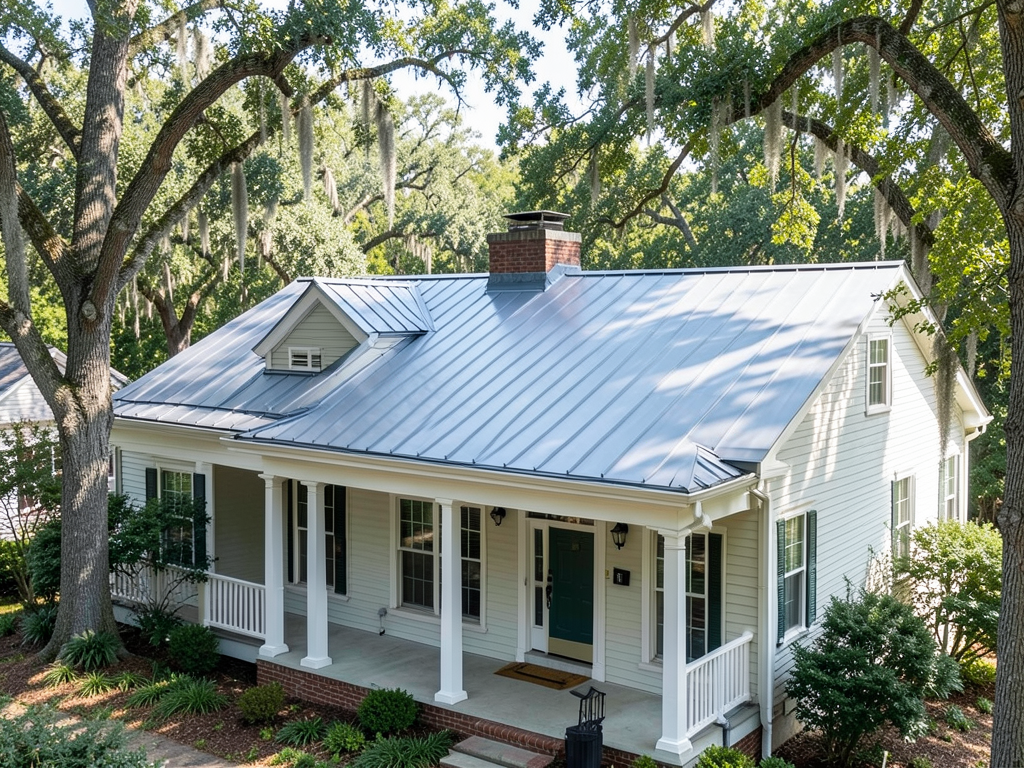
Why Metal Roofing is Gaining Popularity in Forest Hills and Woodley Park
Homeowners in Forest Hills and Woodley Park are discovering what many DC residents already know: metal roofing delivers unmatched durability and energy efficiency for the region’s demanding climate. With Forest Hills’ tree-lined streets near Rock Creek Park and Woodley Park’s proximity to the National Zoo, these neighborhoods face unique weather challenges from heavy summer storms to winter freeze-thaw cycles. Metal roofing systems now account for over 15% of new residential installations in DC’s northwest quadrant, up from just 8% five years ago. National Roofing Contractors Association.
The combination of architectural versatility and long-term value makes metal roofing particularly attractive for the stately colonial and Tudor-style homes common in these areas. Modern metal roofing can mimic traditional materials while offering Class A fire ratings and wind resistance up to 140 mph – critical for properties near Rock Creek’s exposed hillsides where wind channeling creates localized pressure zones. Metal Roof vs Asphalt Shingles Cost.
Understanding Metal Roofing Options for DC’s Northwest Neighborhoods
Standing seam metal roofing dominates the market for new installations in Forest Hills and Woodley Park, accounting for approximately 60% of all metal roofing projects in these zip codes (20008 and 20015). This system features raised interlocking seams that create a watertight barrier while allowing for thermal expansion and contraction – essential for DC’s 30-degree seasonal temperature swings. Roofing Rockville.
Metal shingles and tiles offer another popular option, particularly for homes in the Wakefield and North Cleveland Park areas where homeowners want the appearance of slate or cedar shake without the maintenance headaches. These products typically weigh 50-75% less than traditional materials, reducing structural load on older homes built before modern building codes.
Copper roofing remains the premium choice for historic properties near the Washington National Cathedral and along the Massachusetts Avenue corridor. While initial costs run 3-4 times higher than asphalt, copper develops a protective patina that can last 75-100 years in DC’s climate – outlasting most other roofing materials by decades. The Real Cost of a Roof Replacement for Washington DC Homeowners.
Energy Efficiency Benefits for DC’s Humid Summers
Metal roofing’s reflective properties can reduce cooling costs by 20-30% during DC’s humid summers, where temperatures regularly exceed 90 degrees and humidity levels often surpass 70%. Light-colored metal panels with Energy Star certification reflect up to 70% of solar radiation, while special coatings can further enhance performance in urban heat island effects common in denser areas near Connecticut Avenue.
The thermal mass of metal roofing also helps moderate temperature fluctuations. Unlike asphalt shingles that absorb heat and radiate it into attic spaces well into the evening, metal roofing releases heat quickly once the sun sets. This characteristic is particularly valuable for homes in Woodley Park where many properties have finished attics or converted upper floors.
Additionally, metal roofing’s durability means fewer replacements over a home’s lifetime. A typical metal roof lasts 40-70 years compared to 15-20 years for asphalt, reducing landfill waste and the carbon footprint associated with manufacturing and transportation of replacement materials.
DC Building Code Compliance and Historic District Considerations
Installing metal roofing in DC requires navigating specific regulations from the Department of Consumer and Regulatory Affairs (DCRA). Section 1507 of the 2017 DC Construction Codes mandates specific wind uplift ratings for roofing systems, with requirements varying by building height and location. Properties within 1,500 feet of Rock Creek Park must meet enhanced wind resistance standards due to localized wind acceleration patterns. EPA Energy Star certified roofing.
For homes in the Cleveland Park Historic District, the Historic Preservation Office requires material samples and color approvals before installation. Standing seam panels must maintain a minimum 22-gauge thickness in these areas, and exposed fasteners are prohibited on street-facing elevations to preserve architectural integrity. Navigating Historic Preservation Roofing Rules in Dupont Circle.
Fire safety regulations also influence material selection. DC’s Building Code Section 1505.1 requires Class A fire ratings for all roofing materials in areas with significant tree coverage – a category that includes most of Forest Hills and Woodley Park. Metal roofing naturally achieves this rating, while some composite materials require additional fire-resistant underlayment.
Weather Performance in DC’s Mid-Atlantic Climate
DC’s climate presents unique challenges that metal roofing handles exceptionally well. The region experiences approximately 40 freeze-thaw cycles annually, causing expansion and contraction that can crack traditional roofing materials. Metal’s thermal movement capacity of up to 1/4 inch per 10 feet allows it to flex without damage during these cycles.
Heavy rainfall events have increased by 20% over the past decade in the DC area, according to National Weather Service data. Metal roofing’s smooth surface and interlocking panels shed water at rates up to 30% faster than asphalt shingles, reducing the risk of water infiltration during these intense storms.
Snow and ice management represents another advantage. Metal’s slick surface allows snow to slide off rather than accumulating as ice dams along eaves. This characteristic proves especially valuable for homes in Forest Hills’ elevated areas where cold air drainage can create microclimates 3-5 degrees cooler than surrounding neighborhoods.
Cost Considerations and Return on Investment
While metal roofing costs 2-3 times more upfront than asphalt shingles, the total cost of ownership often favors metal over a 30-year period. A typical 2,000-square-foot metal roof installation in Forest Hills or Woodley Park ranges from $18,000 to $28,000, depending on material selection and roof complexity.
Energy savings alone can offset 10-15% of the initial investment over the roof’s lifetime. Many DC homeowners also qualify for federal tax credits covering 10% of material costs for Energy Star certified metal roofing systems. Local utility companies occasionally offer additional rebates, though these vary by provider and availability.
Insurance companies often provide premium discounts of 5-10% for homes with impact-resistant roofing rated for hail and wind. Given DC’s location in the mid-Atlantic storm corridor, this protection can prove valuable during severe weather events that occur 2-3 times annually in the region.
Installation Best Practices for DC’s Urban Environment
Proper installation proves critical for metal roofing performance in DC’s urban environment. The National Roofing Contractors Association recommends specific underlayment systems for the region’s high humidity – typically synthetic materials that resist moisture while allowing vapor transmission. This prevents condensation buildup that can damage roof decks in older homes common to Forest Hills and Woodley Park.
Flashing details require special attention in DC’s historic districts. Step flashing must extend at least 4 inches up wall surfaces, and counter-flashing should be integrated with masonry joints rather than surface-mounted. These details prevent the most common failure point in metal roofing systems – water infiltration at roof-wall intersections.
Ventilation strategies also differ from traditional roofing. Metal roofing requires balanced intake and exhaust ventilation to prevent heat buildup in summer and moisture accumulation in winter. The typical 1:150 attic ventilation ratio specified in building codes may need adjustment for homes with complex rooflines common in these neighborhoods. How to Get Your Roof Ready for a DC Winter in Chevy Chase.
Maintenance Requirements and Longevity Factors
Metal roofing requires minimal maintenance compared to traditional materials, but certain practices extend system life. Annual inspections should check for loose fasteners, particularly after severe weather events. The high winds that funnel through Rock Creek Valley can occasionally dislodge poorly secured panels even in properly installed systems.
Debris accumulation in valleys and around penetrations creates the most common maintenance issue. Tree coverage in Forest Hills and Woodley Park means leaves and twigs can trap moisture against metal surfaces, potentially causing premature corrosion in areas where protective coatings have been compromised.
Touch-up painting may be needed every 15-20 years for factory-finished metal roofing, depending on color selection and sun exposure. Darker colors facing south or west typically require attention sooner than lighter colors or north-facing surfaces. Professional recoating costs approximately $1.50 to $2.50 per square foot and can extend roof life by 15-20 years.
Environmental Impact and Sustainability
Metal roofing’s environmental credentials continue improving as manufacturing processes become more efficient. Most metal roofing contains 25-35% recycled content, and the material is 100% recyclable at end of life – unlike asphalt shingles that contribute millions of tons to landfills annually.
The reduced cooling load from reflective metal roofing can decrease carbon emissions by 10-15% for a typical home over the roof’s lifetime. In DC’s electricity grid, which still relies on fossil fuels for approximately 40% of generation, this reduction translates to meaningful environmental impact.
Additionally, metal roofing’s longevity means fewer replacement cycles and associated manufacturing impacts. A single metal roof installation can eliminate the need for 2-3 asphalt shingle replacements over the same period, dramatically reducing resource consumption and waste generation.
Comparing Metal Roofing to Other Premium Options
Table 1 compares metal roofing with other premium roofing materials commonly considered by Forest Hills and Woodley Park homeowners:
| Material | Initial Cost (per sq ft) | Expected Lifespan | Energy Efficiency | Weight (lbs per sq ft) |
|---|---|---|---|---|
| Standing Seam Metal | $10-$15 | 40-70 years | Excellent | 1.5-2.5 |
| Architectural Asphalt | $4-$6 | 15-25 years | Good | 2.5-3.5 |
| Concrete Tile | $8-$12 | 30-50 years | Fair | 9-12 |
| Slate | $15-$25 | 75-100 years | Poor | 15-20 |
Table 2 shows how metal roofing performs across key performance metrics compared to traditional materials:
| Performance Metric | Metal Roofing | Asphalt Shingles | Concrete Tile |
|---|---|---|---|
| Wind Resistance | 140+ mph | 60-90 mph | 125 mph |
| Fire Rating | Class A | Class A | Class A |
| Impact Resistance | UL 2218 Class 4 | Class 2-3 | Class 3 |
| Algae Resistance | Excellent | Poor | Excellent |
Is Metal Roofing Right for Your Forest Hills or Woodley Park Home?
Metal roofing proves particularly well-suited for homes in Forest Hills and Woodley Park due to the neighborhoods’ specific characteristics. The architectural diversity accommodates various metal styles, from contemporary standing seam on newer construction to metal shingles that complement traditional designs on historic properties.
The premium price point aligns with the area’s property values, where a quality roofing investment typically returns 70-85% of cost at resale – higher than the 60% average for standard roofing materials. For homeowners planning to stay 10+ years, the energy savings and reduced maintenance often offset the higher initial investment.
However, metal roofing may not suit every situation. Homes with complex rooflines requiring extensive flashing work may see costs escalate significantly. Additionally, some homeowners associations in certain areas may have restrictions on visible metal roofing, though these are becoming increasingly rare as metal roofing gains mainstream acceptance.
The decision ultimately depends on your specific home, budget, and priorities. Properties near Rock Creek Park benefit most from metal’s superior wind and weather resistance, while homes with south-facing exposures gain maximum energy efficiency benefits.
Next Steps for Your Metal Roofing Project
Selecting the right contractor proves as important as choosing the right material. Look for companies with specific experience in DC’s climate and building codes, proper licensing from DCRA, and verifiable references from similar projects in Forest Hills and Woodley Park.
Request detailed proposals that specify material specifications, underlayment systems, and ventilation requirements. The best contractors will explain how their recommendations address your home’s specific needs rather than offering one-size-fits-all solutions.
Consider scheduling installations during spring or fall when moderate temperatures allow proper sealant curing and reduce thermal expansion stress on new systems. Most quality installations in these neighborhoods require 3-5 days depending on roof size and complexity.
Call (771) 240-3300 today to schedule your inspection and learn how metal roofing can protect your Forest Hills or Woodley Park home for decades to come. Our team has installed over 200 metal roofing systems in DC’s northwest neighborhoods and understands the unique challenges these properties face.
Frequently Asked Questions
How much does metal roofing cost in Forest Hills and Woodley Park?
Metal roofing typically costs $18,000 to $28,000 for a 2,000-square-foot home in these neighborhoods, or $10 to $15 per square foot installed. This compares to $6,000 to $12,000 for asphalt shingles. The higher upfront cost is offset by longer lifespan and energy savings.
Does metal roofing make my home hotter in summer?
No, metal roofing actually helps keep homes cooler. Light-colored metal panels with Energy Star certification reflect up to 70% of solar radiation, reducing cooling costs by 20-30% during DC’s humid summers. The smooth surface also releases heat quickly once the sun sets.
Can I install metal roofing on my historic home in Cleveland Park?
Yes, but you’ll need approval from the Historic Preservation Office. They typically approve metal shingles that mimic traditional materials or standing seam with specific gauge requirements. Exposed fasteners are usually prohibited on street-facing elevations to maintain historical character.
How long does metal roofing last in DC’s climate?
Quality metal roofing lasts 40-70 years in DC’s climate, compared to 15-20 years for asphalt shingles. The freeze-thaw cycles, heavy rainfall, and occasional severe storms that challenge other materials actually have minimal impact on properly installed metal roofing systems.
Will metal roofing rust in DC’s humid environment?
Modern metal roofing uses galvanized steel, aluminum, or copper with protective coatings that prevent rust. These systems are specifically engineered for humid coastal climates and include warranties against corrosion typically ranging from 20 to 50 years, depending on the material and coating system.
{
“@context”: “https://schema.org”,
“@type”: “BlogPosting”,
“headline”: “Why Metal Roofing is Gaining Popularity in Forest Hills and Woodley Park”,
“description”: “Discover why metal roofing is booming in Forest Hills and Woodley Park. Learn about durability, energy savings, and DC building code compliance for these DC neighborhoods.”,
“wordCount”: 2169,
“datePublished”: “2026-02-23T11:11:00.000Z”,
“dateModified”: “2026-02-23T11:11:00.000Z”,
“inLanguage”: “en-US”,
“mainEntityOfPage”: {
“@type”: “WebPage”,
“@id”: “https://aceroofingwashingtondc.com”
},
“publisher”: {
“@type”: “LocalBusiness”,
“name”: “Ace Roofing Washington DC”,
“url”: “https://aceroofingwashingtondc.com”
},
“author”: {
“@type”: “Organization”,
“name”: “Ace Roofing Washington DC”,
“url”: “https://aceroofingwashingtondc.com”
},
“image”: {
“@type”: “ImageObject”,
“url”: “https://aceroofingwashingtondc.com/wp-content/uploads/2026/03/why-metal-roofing-is-gaining-popularity-in-forest-1.png”
}
}
{
“@context”: “https://schema.org”,
“@type”: “RoofingContractor”,
“name”: “Ace Roofing Washington DC”,
“url”: “https://aceroofingwashingtondc.com”,
“address”: {
“@type”: “PostalAddress”,
“addressLocality”: “Washington DC”
},
“areaServed”: {
“@type”: “City”,
“name”: “Washington DC”
}
}
{
“@context”: “https://schema.org”,
“@type”: “FAQPage”,
“mainEntity”: [
{
“@type”: “Question”,
“name”: “Is Metal Roofing Right for Your Forest Hills or Woodley Park Home?”,
“acceptedAnswer”: {
“@type”: “Answer”,
“text”: “Metal roofing proves particularly well-suited for homes in Forest Hills and Woodley Park due to the neighborhoods’ specific characteristics. The architectural diversity accommodates various metal styles, from contemporary standing seam on newer construction to metal shingles that complement traditional designs on historic properties.”
}
},
{
“@type”: “Question”,
“name”: “How much does metal roofing cost in Forest Hills and Woodley Park?”,
“acceptedAnswer”: {
“@type”: “Answer”,
“text”: “Metal roofing typically costs $18,000 to $28,000 for a 2,000-square-foot home in these neighborhoods, or $10 to $15 per square foot installed. This compares to $6,000 to $12,000 for asphalt shingles. The higher upfront cost is offset by longer lifespan and energy savings.”
}
},
{
“@type”: “Question”,
“name”: “Does metal roofing make my home hotter in summer?”,
“acceptedAnswer”: {
“@type”: “Answer”,
“text”: “No, metal roofing actually helps keep homes cooler. Light-colored metal panels with Energy Star certification reflect up to 70% of solar radiation, reducing cooling costs by 20-30% during DC’s humid summers. The smooth surface also releases heat quickly once the sun sets.”
}
},
{
“@type”: “Question”,
“name”: “Can I install metal roofing on my historic home in Cleveland Park?”,
“acceptedAnswer”: {
“@type”: “Answer”,
“text”: “Yes, but you’ll need approval from the Historic Preservation Office. They typically approve metal shingles that mimic traditional materials or standing seam with specific gauge requirements. Exposed fasteners are usually prohibited on street-facing elevations to maintain historical character.”
}
},
{
“@type”: “Question”,
“name”: “How long does metal roofing last in DC’s climate?”,
“acceptedAnswer”: {
“@type”: “Answer”,
“text”: “Quality metal roofing lasts 40-70 years in DC’s climate, compared to 15-20 years for asphalt shingles. The freeze-thaw cycles, heavy rainfall, and occasional severe storms that challenge other materials actually have minimal impact on properly installed metal roofing systems.”
}
},
{
“@type”: “Question”,
“name”: “Will metal roofing rust in DC’s humid environment?”,
“acceptedAnswer”: {
“@type”: “Answer”,
“text”: “Modern metal roofing uses galvanized steel, aluminum, or copper with protective coatings that prevent rust. These systems are specifically engineered for humid coastal climates and include warranties against corrosion typically ranging from 20 to 50 years, depending on the material and coating system.”
}
}
]
}
{
“@context”: “https://schema.org”,
“@type”: “BreadcrumbList”,
“itemListElement”: [
{
“@type”: “ListItem”,
“position”: 1,
“name”: “Home”,
“item”: “https://aceroofingwashingtondc.com”
},
{
“@type”: “ListItem”,
“position”: 2,
“name”: “Blog”,
“item”: “https://aceroofingwashingtondc.com/blog”
},
{
“@type”: “ListItem”,
“position”: 3,
“name”: “Why Metal Roofing is Gaining Popularity in Forest Hills and Woodley Park”
}
]
}
{
“@context”: “https://schema.org”,
“@type”: “Service”,
“serviceType”: “Roofing”,
“provider”: {
“@type”: “LocalBusiness”,
“name”: “Ace Roofing Washington DC”,
“url”: “https://aceroofingwashingtondc.com”
},
“areaServed”: {
“@type”: “City”,
“name”: “Washington DC”
},
“description”: “Discover why metal roofing is booming in Forest Hills and Woodley Park. Learn about durability, energy savings, and DC building code compliance for these DC neighborhoods.”
}